Zheng Yanjun, Wan Guoqing, Yang Bo, Gu Xuefeng, Lin Jingrong
Shanghai University of Medicine & Health Sciences Affiliated Zhoupu Hospital, Pudong New Area, Shanghai 201318, China.
Shanghai Key Laboratory of Molecular Imaging, Shanghai University of Medicine and Health Sciences, Shanghai 201318, China.
Oxid Med Cell Longev. 2020 Oct 15;2020:4850328. doi: 10.1155/2020/4850328. eCollection 2020.
Emerging evidence has shown that pinocembrin protects the myocardium from ischemic injury in animals. However, it is unknown whether it has cardioprotection when given at the onset of reperfusion. Also, mechanisms mediating the cardioprotective actions of pinocembrin were largely unknown. Thus, this study is aimed at investigating the effects of pinocembrin postconditioning on ischemia-reperfusion (I/R) injury and the underlying mechanisms.
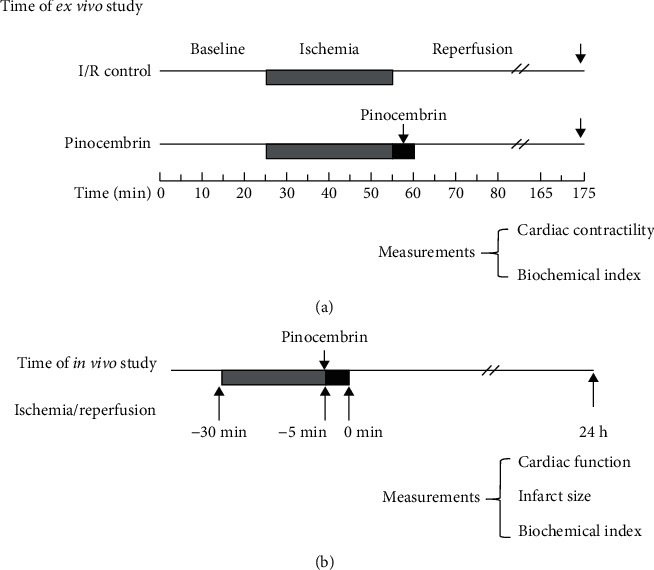
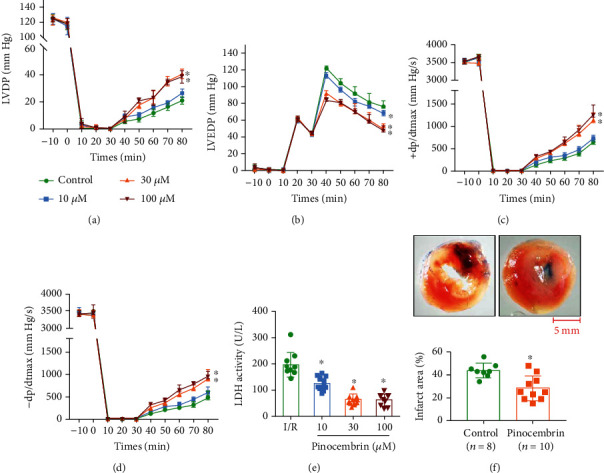
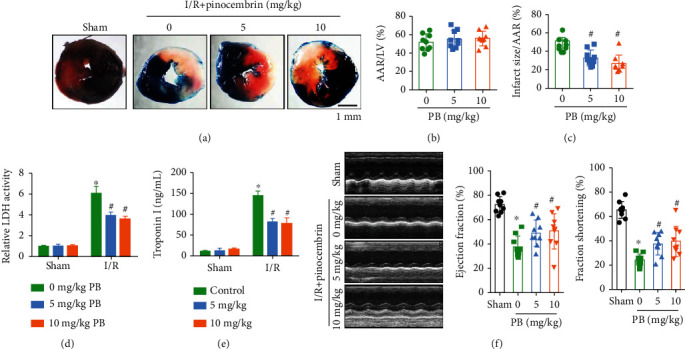
The mouse model of myocardial I/R injury, isolated rat heart with global I/R, and hypoxia/reoxygenation (H/R) injury model for primary cardiomyocytes were used.
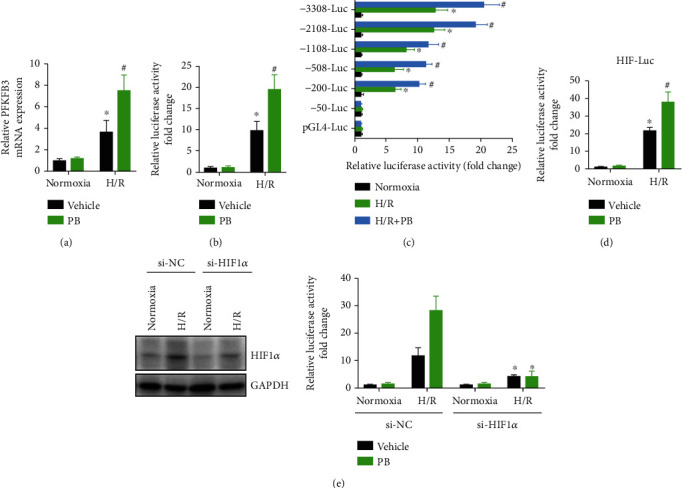
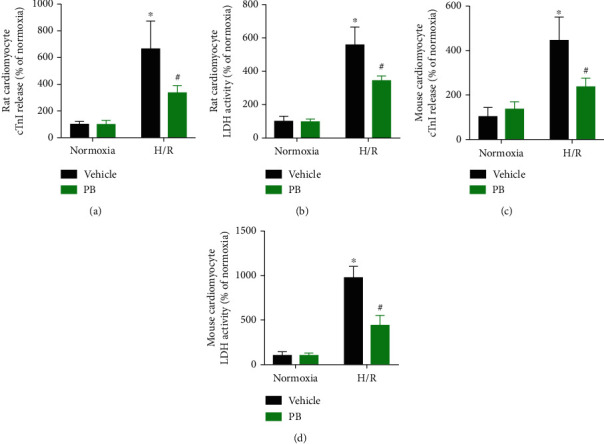
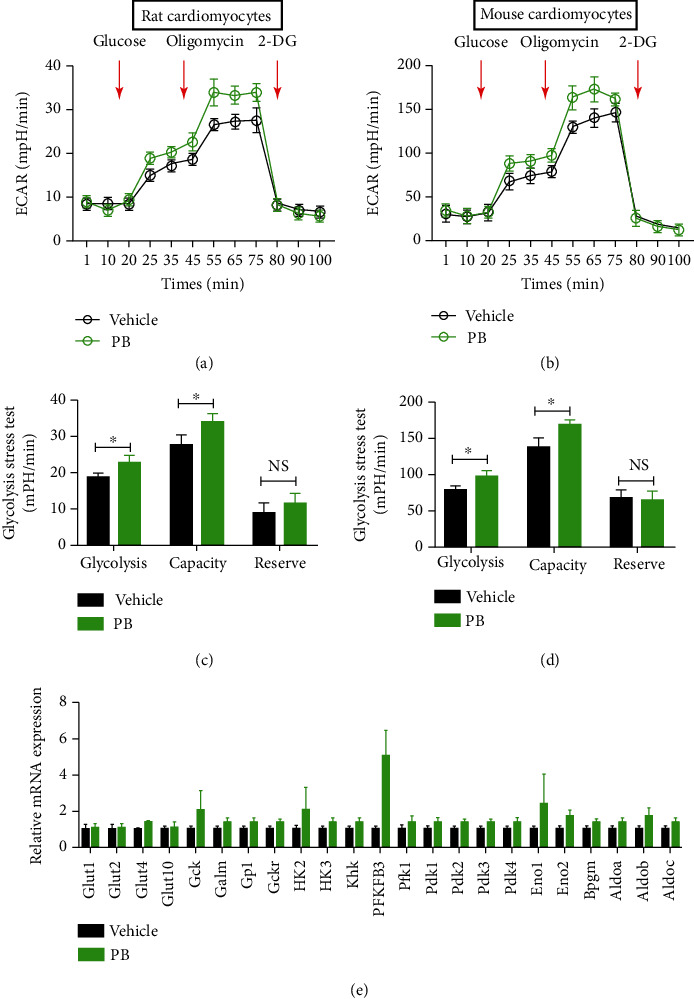
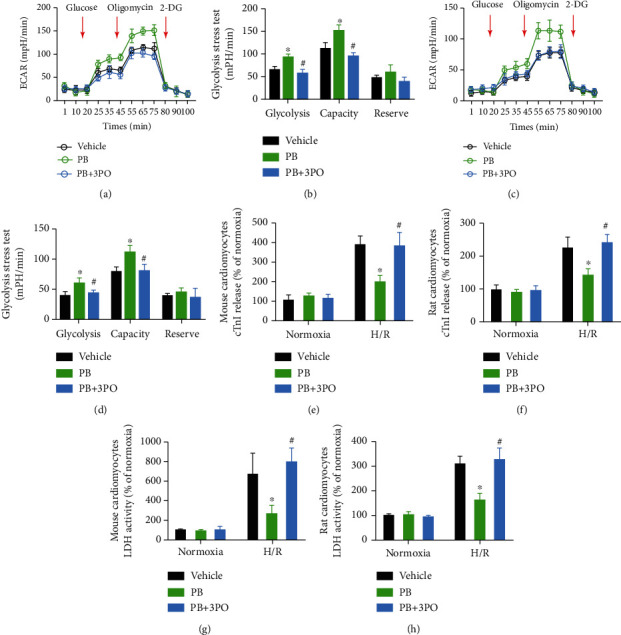
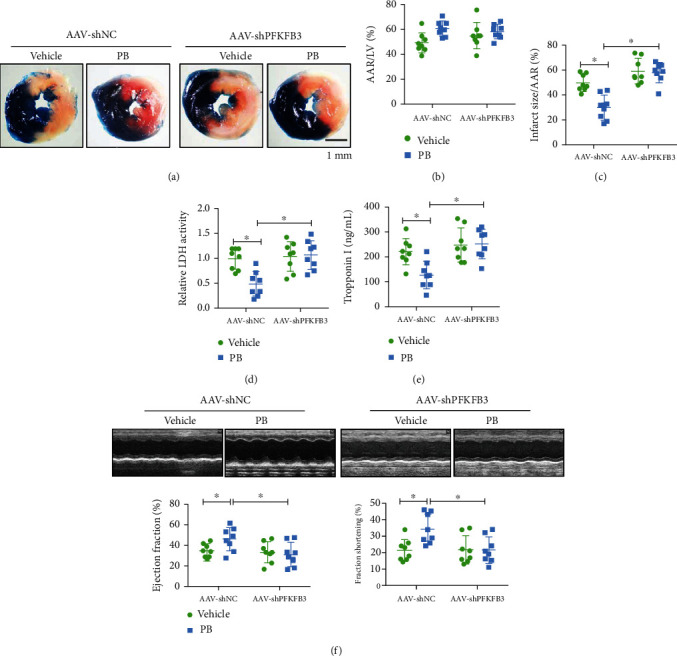
We found that pinocembrin postconditioning significantly reduced the infarct size and improved cardiac contractile function after acute myocardial I/R. Mechanically, in primary cardiomyocytes, we found that pinocembrin may confer protection in part via direct stimulation of cardiac glycolysis via promoting the expression of the glycolytic enzyme, PFKFB3. Besides, PFKFB3 inhibition abolished pinocembrin-induced glycolysis and protection in cardiomyocytes. More importantly, PFKFB3 knockdown via cardiotropic adeno-associated virus (AAV) abrogated cardioprotective effects of pinocembrin. Moreover, we demonstrated that HIF1 is a key transcription factor driving pinocembrin-induced PFKFB3 expression in cardiomyocytes.
In conclusion, these results established that the acute cardioprotective benefits of pinocembrin are mediated in part via enhancing PFKFB3-mediated glycolysis via HIF1, which may provide a new therapeutic target to impede the progression of myocardial I/R injury.
新出现的证据表明,白杨素可保护动物心肌免受缺血性损伤。然而,在再灌注开始时给予白杨素是否具有心脏保护作用尚不清楚。此外,介导白杨素心脏保护作用的机制也大多未知。因此,本研究旨在探讨白杨素后处理对缺血再灌注(I/R)损伤的影响及其潜在机制。
采用小鼠心肌I/R损伤模型、离体大鼠全心I/R模型以及原代心肌细胞缺氧/复氧(H/R)损伤模型。
我们发现,白杨素后处理可显著减小急性心肌I/R后的梗死面积,并改善心脏收缩功能。在机制上,在原代心肌细胞中,我们发现白杨素可能部分通过促进糖酵解酶PFKFB3的表达来直接刺激心脏糖酵解,从而发挥保护作用。此外,PFKFB3抑制可消除白杨素诱导的心肌细胞糖酵解和保护作用。更重要的是,通过心肌靶向腺相关病毒(AAV)敲低PFKFB3可消除白杨素的心脏保护作用。此外,我们证明HIF1是驱动白杨素诱导心肌细胞中PFKFB3表达的关键转录因子。
总之,这些结果表明,白杨素的急性心脏保护作用部分是通过HIF1增强PFKFB3介导的糖酵解来实现的,这可能为阻止心肌I/R损伤的进展提供一个新的治疗靶点。