School of Agricultural Sciences, Zhengzhou University, Zhengzhou 450001, China.
Southern Regional Collaborative Innovation Center for Grain and Oil Crops in China, College of Resources and Environmental Sciences, Hunan Agricultural University, Changsha 430128, China.
Int J Mol Sci. 2020 Nov 10;21(22):8453. doi: 10.3390/ijms21228453.
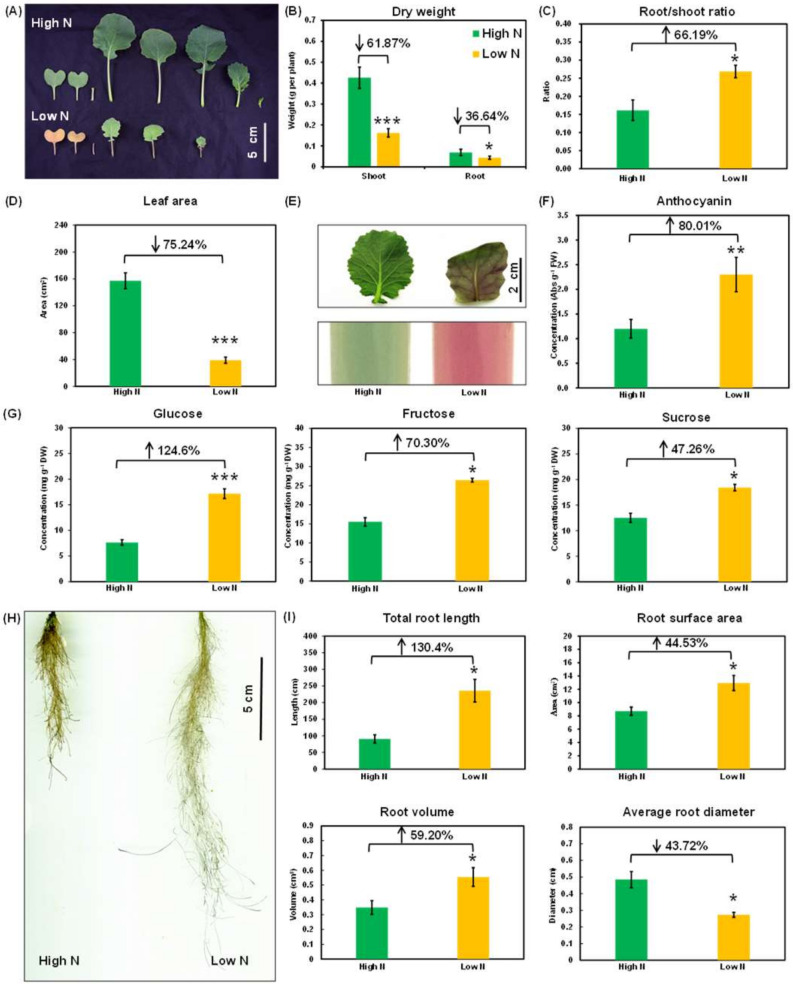
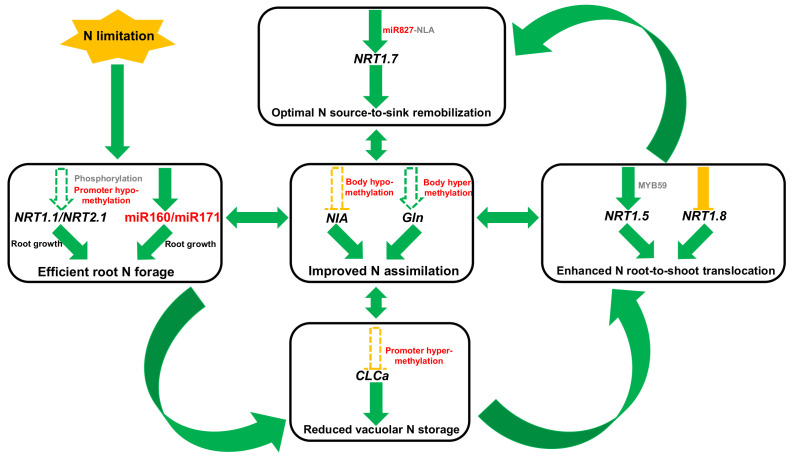
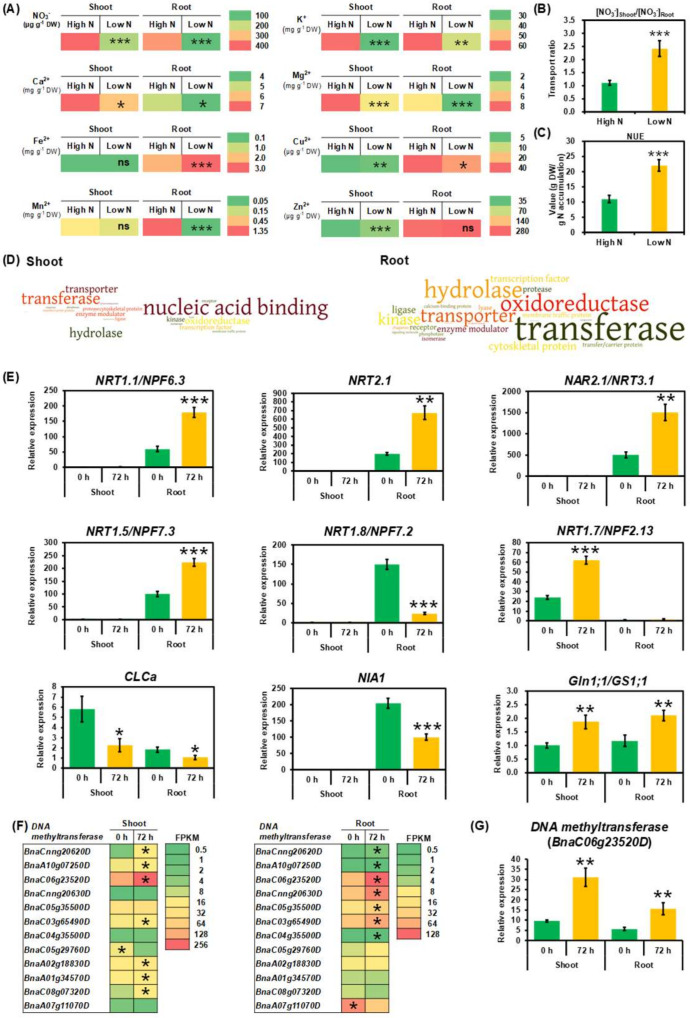
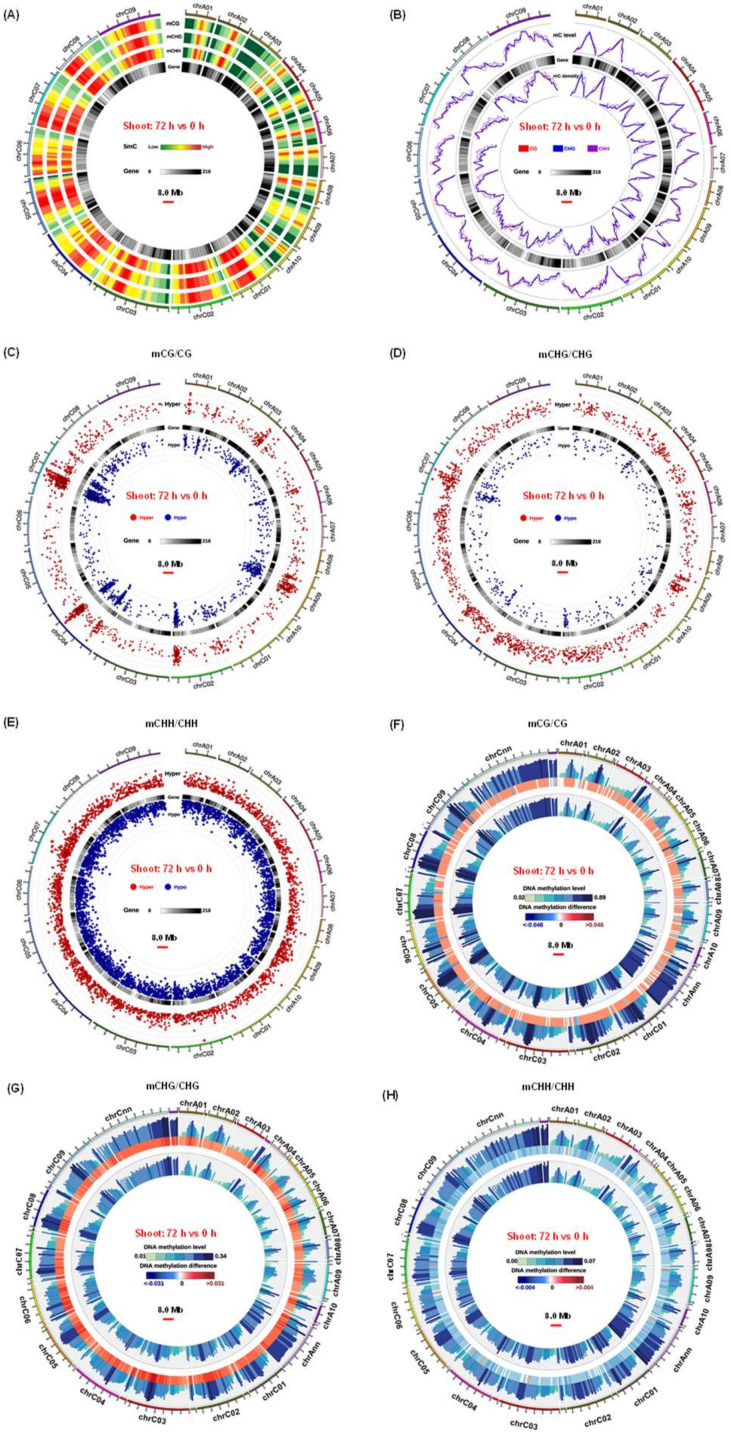
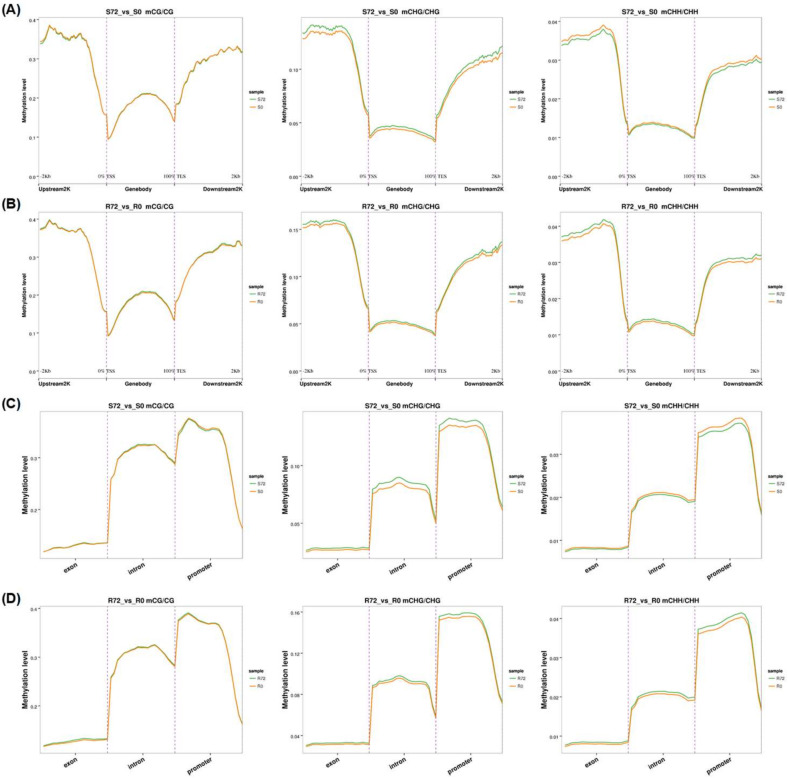
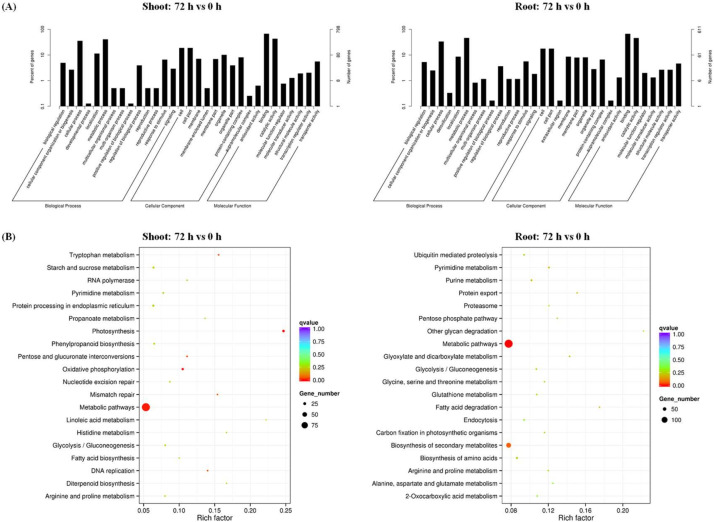
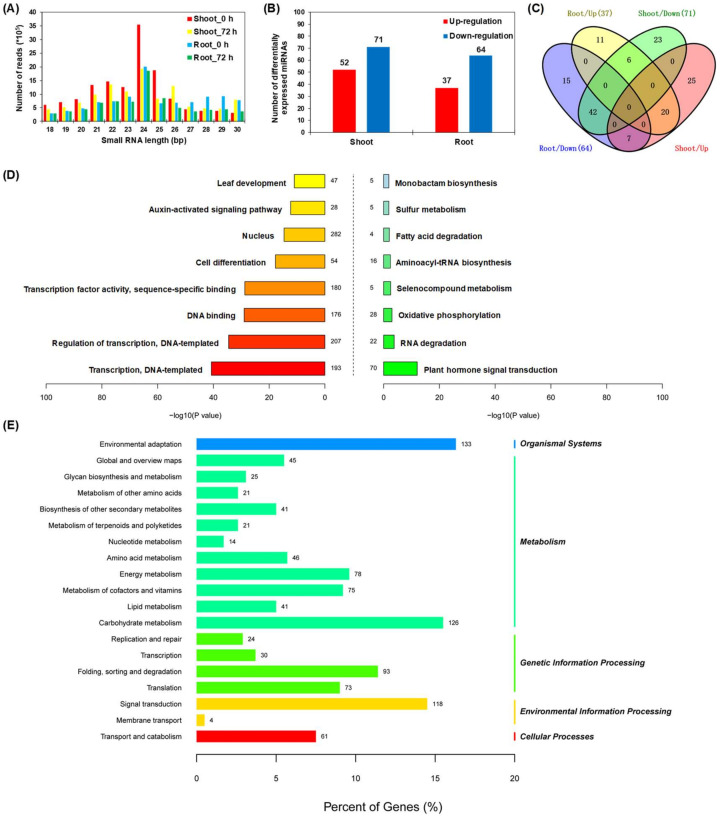
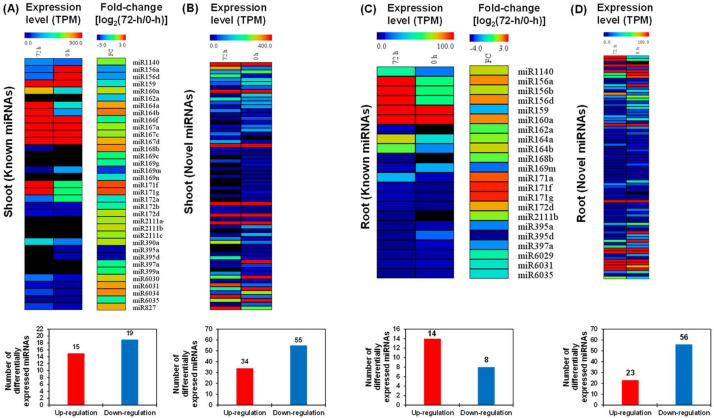
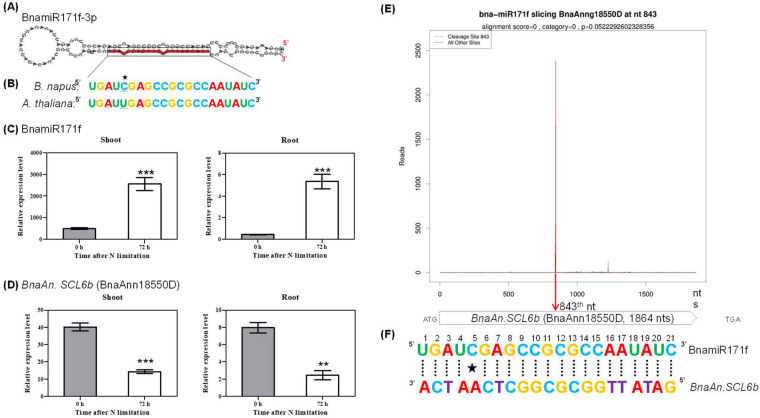
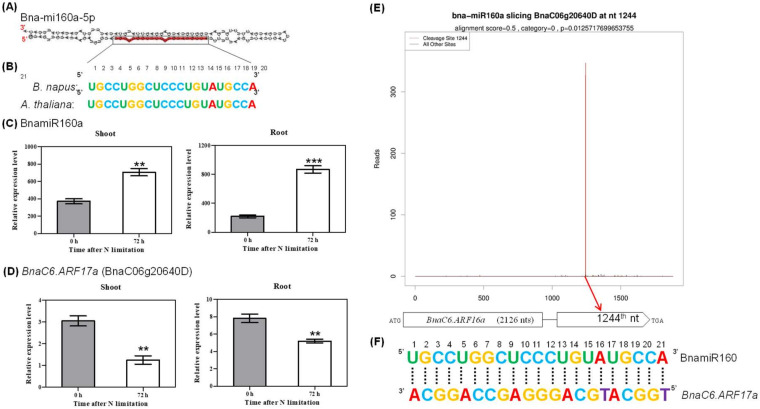
Improving crop nitrogen (N) limitation adaptation (NLA) is a core approach to enhance N use efficiency (NUE) and reduce N fertilizer application. Rapeseed has a high demand for N nutrients for optimal plant growth and seed production, but it exhibits low NUE. Epigenetic modification, such as DNA methylation and modification from small RNAs, is key to plant adaptive responses to various stresses. However, epigenetic regulatory mechanisms underlying NLA and NUE remain elusive in allotetraploid . In this study, we identified overaccumulated carbohydrate, and improved primary and lateral roots in rapeseed plants under N limitation, which resulted in decreased plant nitrate concentrations, enhanced root-to-shoot N translocation, and increased NUE. Transcriptomics and RT-qPCR assays revealed that N limitation induced the expression of , , , , and , and repressed the transcriptional levels of , , and . High-resolution whole genome bisulfite sequencing characterized 5094 differentially methylated genes involving ubiquitin-mediated proteolysis, N recycling, and phytohormone metabolism under N limitation. Hypermethylation/hypomethylation in promoter regions or gene bodies of some key N-metabolism genes might be involved in their transcriptional regulation by N limitation. Genome-wide miRNA sequencing identified 224 N limitation-responsive differentially expressed miRNAs regulating leaf development, amino acid metabolism, and plant hormone signal transduction. Furthermore, degradome sequencing and RT-qPCR assays revealed the miR827-NLA pathway regulating limited N-induced leaf senescence as well as the miR171- and miR160- pathways regulating root growth under N deficiency. Our study provides a comprehensive insight into the epigenetic regulatory mechanisms underlying rapeseed NLA, and it will be helpful for genetic engineering of NUE in crop species through epigenetic modification of some N metabolism-associated genes.
提高作物氮(N)限制适应(NLA)是提高氮利用效率(NUE)和减少氮肥施用量的核心方法。油菜需要大量的氮营养物质来实现最佳的植物生长和种子生产,但它的氮利用效率较低。表观遗传修饰,如 DNA 甲基化和小 RNA 的修饰,是植物对各种胁迫产生适应性反应的关键。然而,在异源四倍体中,NLA 和 NUE 的表观遗传调控机制仍不清楚。在这项研究中,我们发现油菜在氮限制下会过度积累碳水化合物,并促进初生和侧根的生长,从而降低植物硝酸盐浓度,增强根到梢的氮转运,并提高氮利用效率。转录组学和 RT-qPCR 分析表明,氮限制诱导了 、 、 、 、 和 的表达,并抑制了 、 、 和 的转录水平。高分辨率全基因组亚硫酸氢盐测序描绘了 5094 个差异甲基化基因,这些基因涉及氮限制下的泛素介导的蛋白水解、氮循环和植物激素代谢。一些关键氮代谢基因的启动子区域或基因体的高甲基化/低甲基化可能参与了氮限制对其转录的调控。全基因组 miRNA 测序鉴定了 224 个对叶片发育、氨基酸代谢和植物激素信号转导有响应的差异表达 miRNA,它们受到氮限制的调控。此外,降解组测序和 RT-qPCR 分析揭示了 miR827-NLA 途径调节有限 N 诱导的叶片衰老,以及 miR171-和 miR160-途径调节氮缺乏下的根生长。本研究全面揭示了油菜 NLA 的表观遗传调控机制,通过对一些与氮代谢相关基因的表观遗传修饰,将有助于对作物 NUE 的遗传工程进行研究。