Department of Neurology, Hebei General Hospital, Shijiazhuang, 050000, Hebei, China.
Department of Neurology, the First People's Hospital of Pingdingshan, Henan, 467000, Pingdingshan, China.
BMC Neurol. 2020 Nov 13;20(1):414. doi: 10.1186/s12883-020-01989-6.
Acute ischemic stroke (AIS) is one of the leading causes of mortality and long-term disability worldwide. Our study aims to clarify the role of low-density lipoproteins (LDL) subclasses in the occurrence of AIS and develop a risk xprediction model based on these characteristics to identify high-risk people.
Five hundred and sixty-six patients with AIS and 197 non-AIS controls were included in this study. Serum lipids and other baseline characteristics including fasting blood glucose (GLU), serum creatinine (Scr), and blood pressure were investigated in relation to occurrence of AIS. The LDL subfractions were classified and measured with the Lipoprint System by a polyacrylamide gel electrophoresis technique.
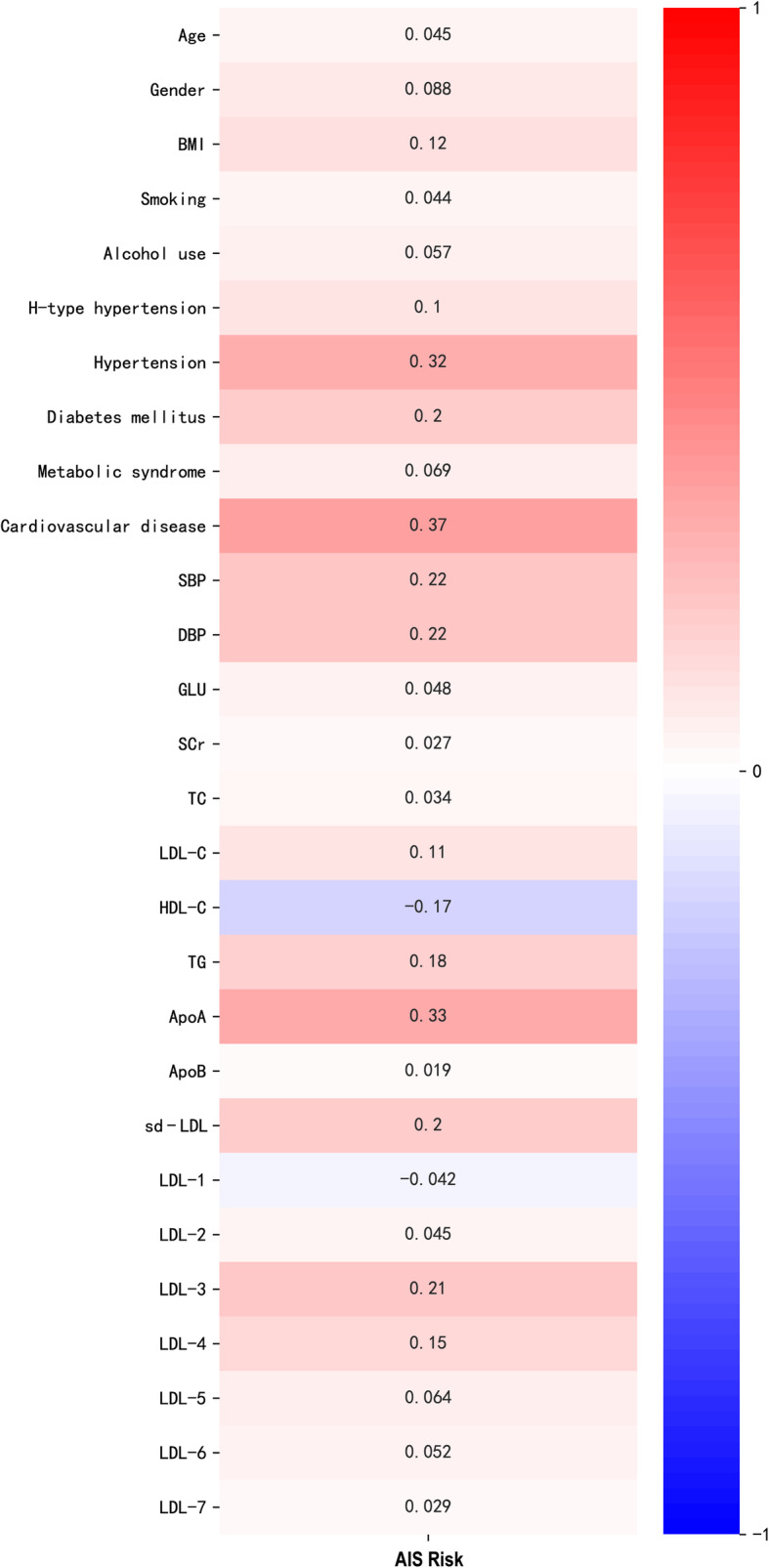
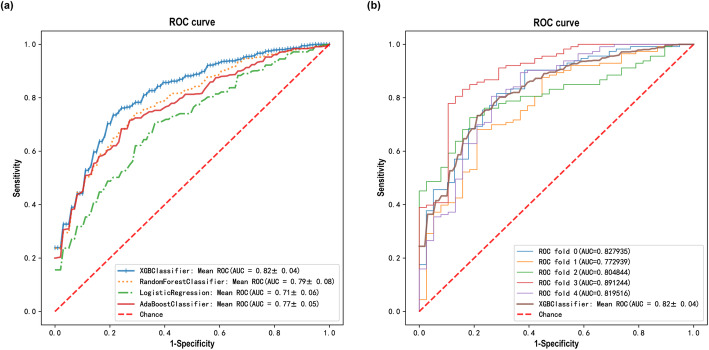
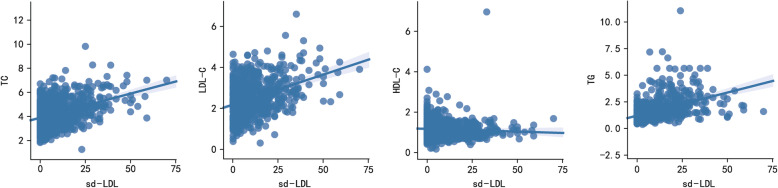
Levels of LDL-3, LDL-4 and LDL-5 subclasses were significantly higher in the AIS group compared to the non-AIS group and lower level of LDL-1 was prevalent in the AIS patients. Consistently, Spearman correlation coefficient demonstrated that sd-demonevels, especially LDL-3 and LDL-4 levels, were significantly positively correlated with AIS. Furthermore, there is a significant positive correlation between small dense LDL (sd-LDL, that is LDL-3 to 7) levels and serum lipids including total cholesterol (TC), Low density lipoprotein cholesterol (LDL-C), and Triglyceride (TG). Increased LDL-3 and LDL-4 as well as decreased LDL-1 and LDL-2 were correlated to the occurrence of AIS, even in the people with normal LDL-C levels. A new prediction model including 12 variables can accurately predict the AIS risk in Chinese patients (AUC = 0.82 ± 0.04).
Levels of LDL subclasses should be considered in addition to serum LDL-C in assessment and management of AIS. A new prediction model based on clinical variables including LDL subtractions can help clinicians identify high of AIS, even in the people with norm.
急性缺血性脑卒中(AIS)是全球范围内导致死亡和长期残疾的主要原因之一。我们的研究旨在阐明低密度脂蛋白(LDL)亚类在 AIS 发生中的作用,并基于这些特征建立风险预测模型,以识别高危人群。
本研究纳入了 566 例 AIS 患者和 197 例非 AIS 对照。研究了与 AIS 发生相关的血清脂质和其他基线特征,包括空腹血糖(GLU)、血清肌酐(Scr)和血压。采用聚丙烯酰胺凝胶电泳技术的 Lipoprint 系统对 LDL 亚组分进行分类和测量。
AIS 组的 LDL-3、LDL-4 和 LDL-5 亚类水平明显高于非 AIS 组,而 LDL-1 水平较低。Spearman 相关系数分析表明,sd-脂蛋白水平,特别是 LDL-3 和 LDL-4 水平,与 AIS 显著正相关。此外,小而密 LDL(sd-LDL,即 LDL-3 至 7)水平与总胆固醇(TC)、低密度脂蛋白胆固醇(LDL-C)和甘油三酯(TG)等血清脂质呈显著正相关。LDL-3 和 LDL-4 增加以及 LDL-1 和 LDL-2 减少与 AIS 的发生相关,即使在 LDL-C 水平正常的人群中也是如此。一个包含 12 个变量的新预测模型可以准确预测中国患者的 AIS 风险(AUC=0.82±0.04)。
在评估和管理 AIS 时,除了血清 LDL-C 外,还应考虑 LDL 亚类水平。一个基于包括 LDL 亚组分在内的临床变量的新预测模型可以帮助临床医生识别 AIS 高危人群,即使在 LDL-C 水平正常的人群中也是如此。