Department of Chemistry, Virginia Tech Center for Drug Discovery, and Macromolecules Innovation Institute, Virginia Tech, Blacksburg, Virginia 24061, United States.
School of Pharmacy, Shanghai Jiao Tong University, Shanghai 200240, People's Republic of China.
J Am Chem Soc. 2020 Nov 25;142(47):20058-20065. doi: 10.1021/jacs.0c09399. Epub 2020 Nov 13.
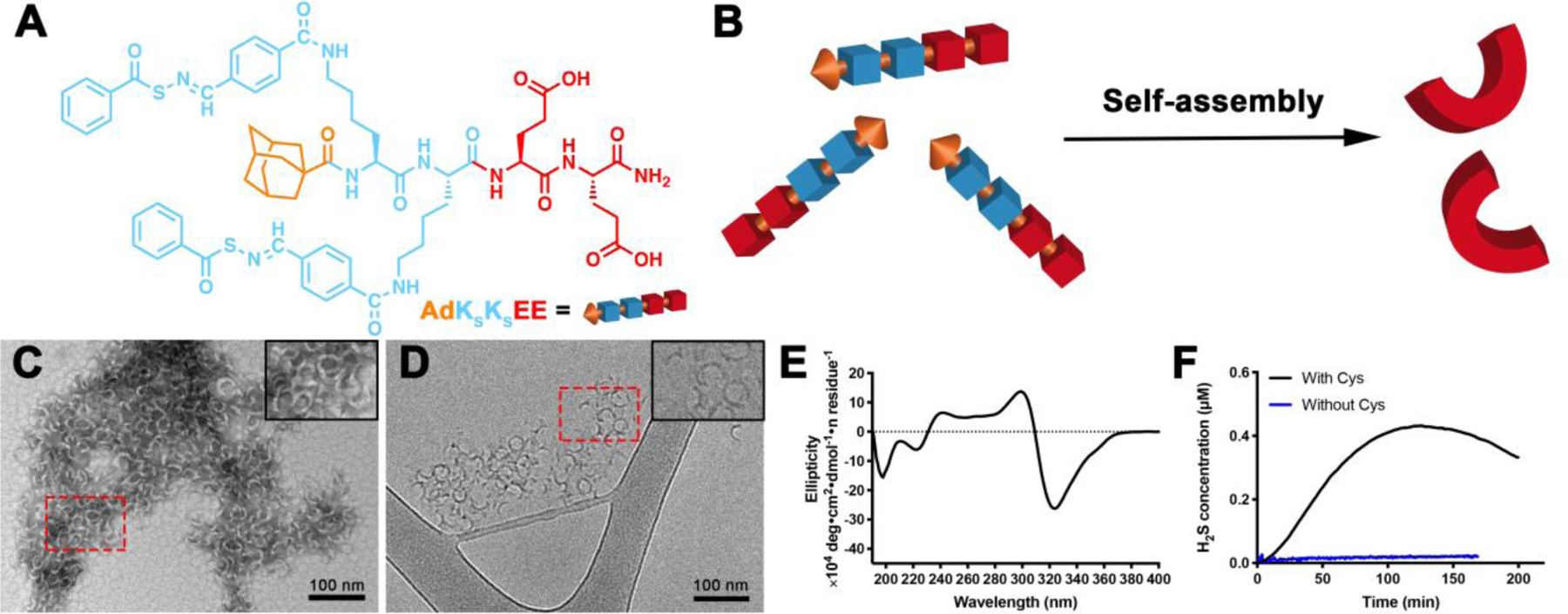
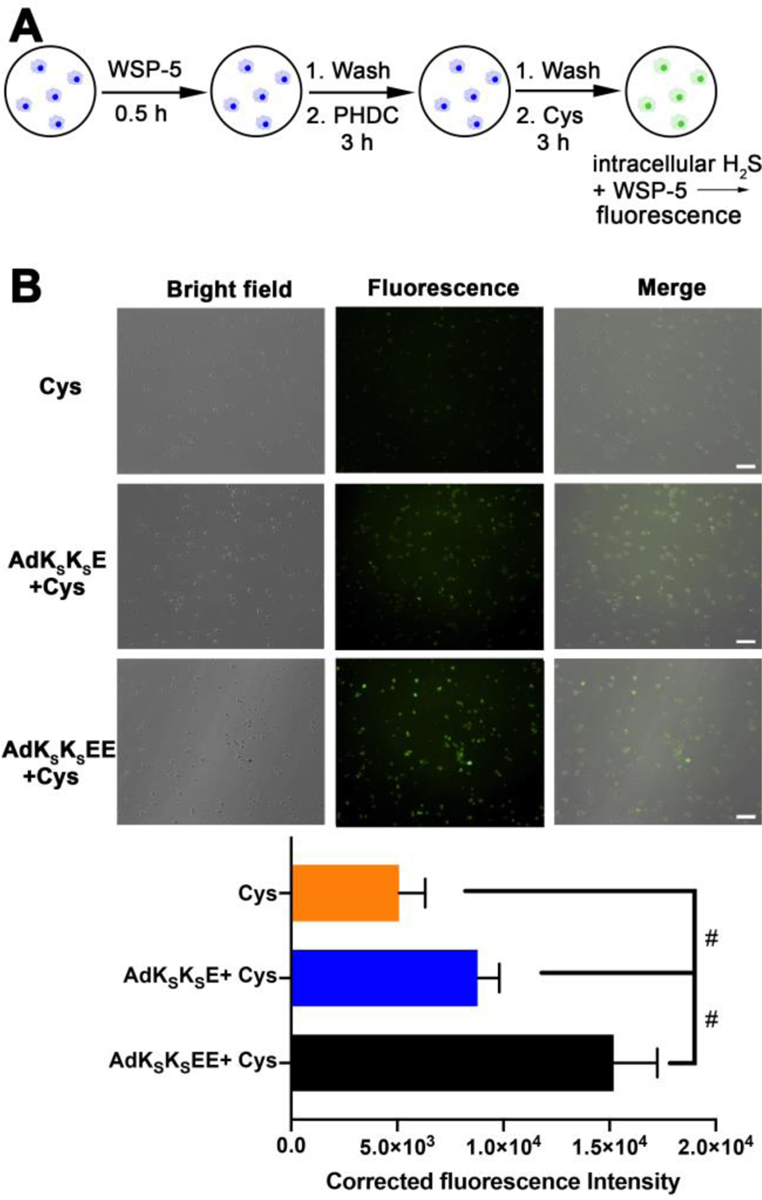
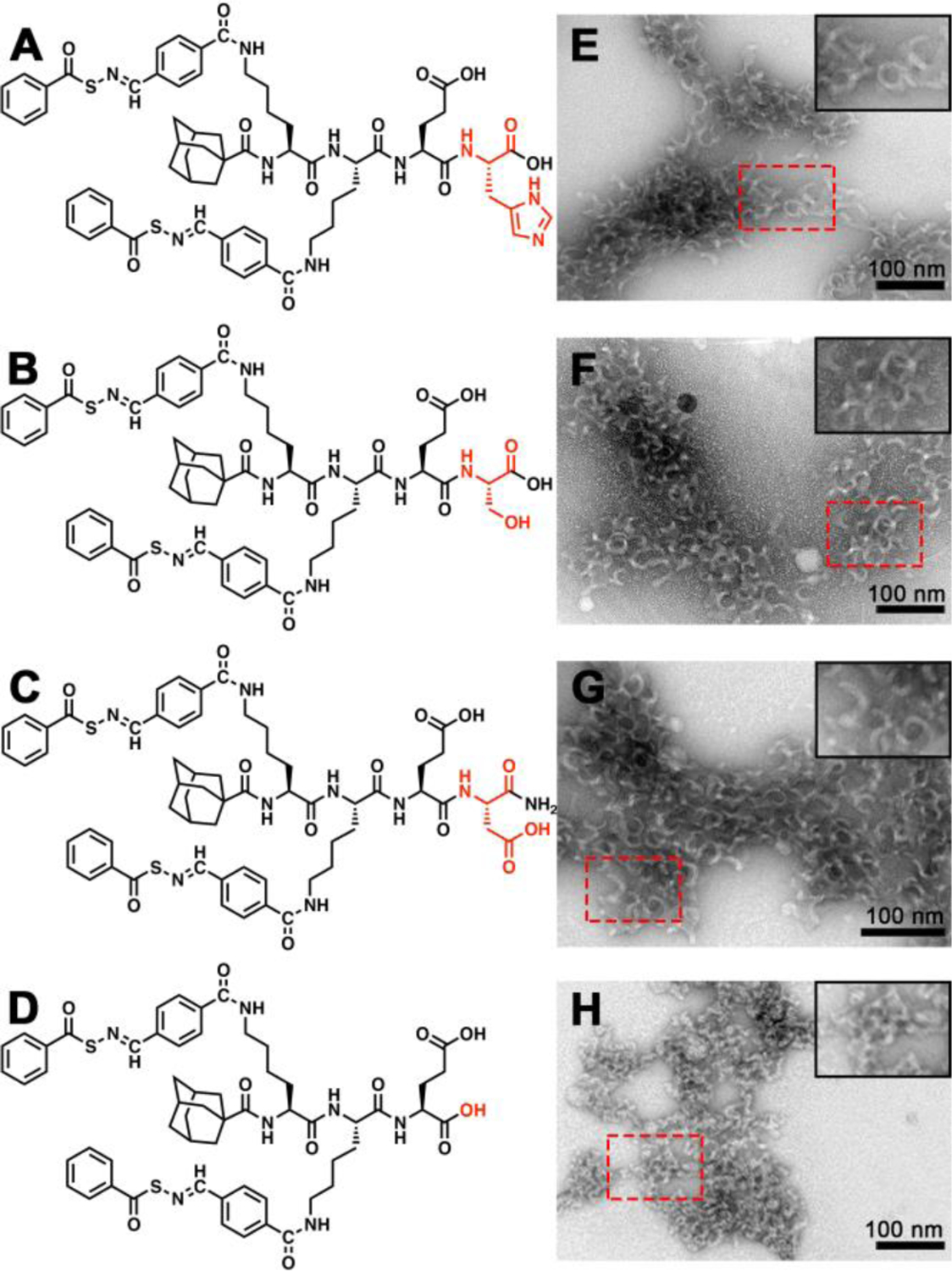
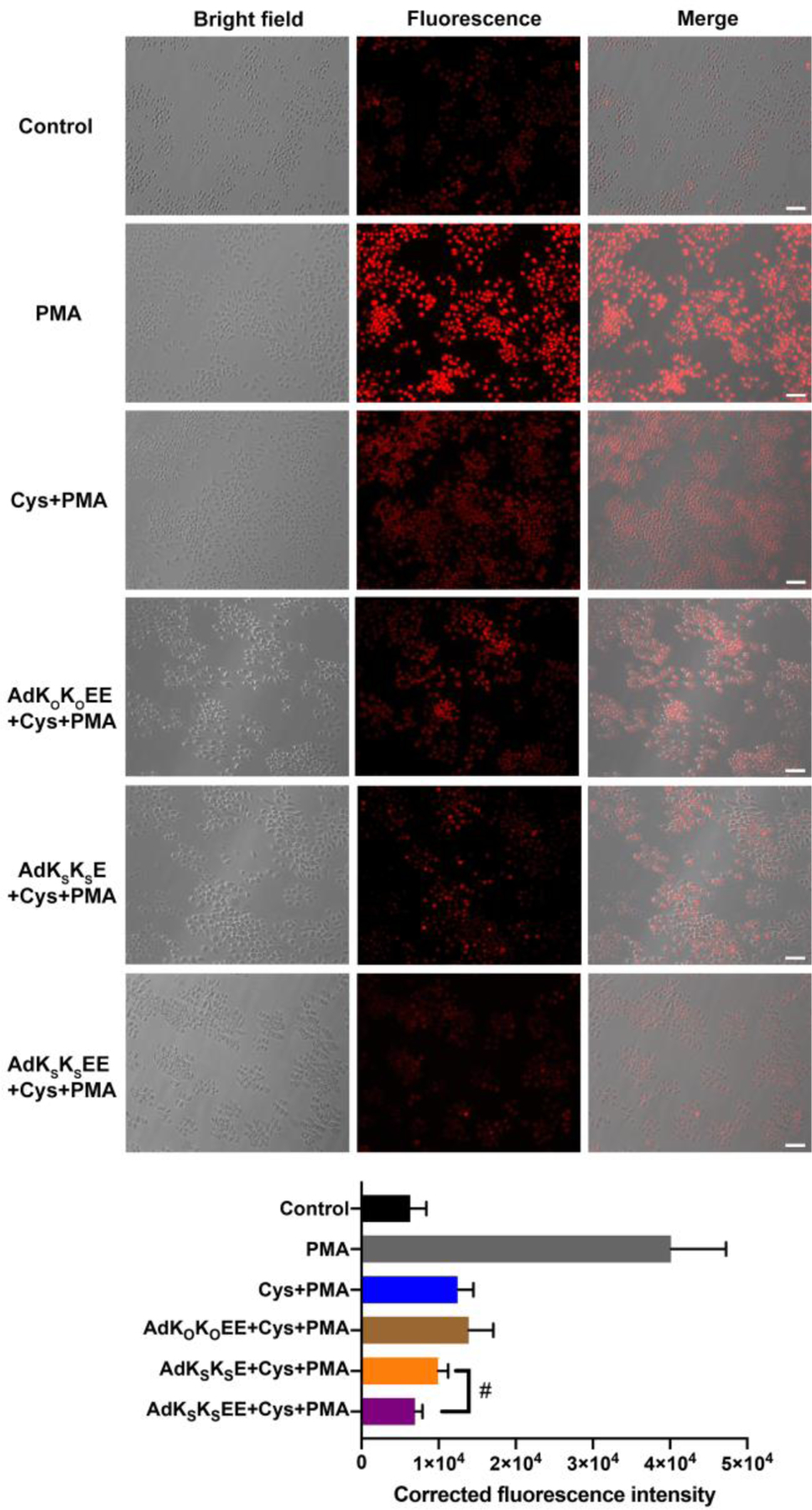
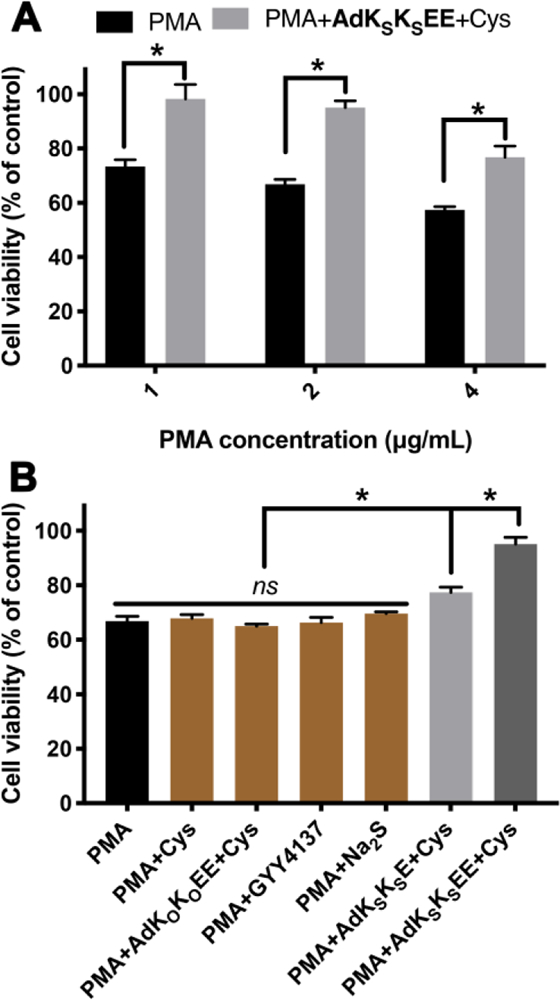
Self-assembly of amphiphilic peptide-based building blocks gives rise to a plethora of interesting nanostructures such as ribbons, fibers, and tubes. However, it remains a great challenge to employ peptide self-assembly to directly produce nanostructures with lower symmetry than these highly symmetric motifs. We report here our discovery that persistent and regular crescent nanostructures with a diameter of 28 ± 3 nm formed from a series of tetrapeptides with the general structure AdKKEX (Ad = adamantyl group, K = lysine residue functionalized with an -aroylthiooxime (SATO) group, E = glutamic acid residue, and X = variable amino acid residue). In the presence of cysteine, the biological signaling gas hydrogen sulfide (HS) was released from the SATO units of the crescent nanostructures, termed peptide-HS donor conjugates (PHDCs), reducing levels of reactive oxygen species (ROS) in macrophage cells. Additional studies showed that the crescent nanostructures alleviated cytotoxicity induced by phorbol 12-myristate-13-acetate more effectively than common HS donors and a PHDC of a similar chemical structure, AdKKE, that formed short nanoworms instead of nanocrescents. Cell internalization studies indicated that nanocrescent-forming PHDCs were more effective in reducing ROS levels in macrophages because they entered into and remained in cells better than nanoworms, highlighting how nanostructure morphology can affect bioactivity in drug delivery.
两亲性肽基构建块的自组装产生了大量有趣的纳米结构,如带、纤维和管。然而,利用肽自组装直接生产具有比这些高度对称图案更低对称性的纳米结构仍然是一个巨大的挑战。我们在这里报告了我们的发现,即由一系列具有一般结构 AdKKEX(Ad = 金刚烷基,K = 赖氨酸残基,用 - 芳酰基硫肟(SATO)基团官能化,E = 谷氨酸残基,和 X = 可变氨基酸残基)的四肽形成的直径为 28 ± 3nm 的持久且规则的新月形纳米结构。在半胱氨酸存在下,生物信号气体硫化氢(HS)从新月形纳米结构的 SATO 单元中释放出来,称为肽-HS 供体缀合物(PHDC),降低了巨噬细胞中活性氧物种(ROS)的水平。进一步的研究表明,与常见的 HS 供体和形成短纳米线而不是纳米新月的类似化学结构的 PHDC AdKKE 相比,新月形纳米结构更有效地减轻了佛波醇 12-肉豆蔻酸 13-乙酸酯诱导的细胞毒性。细胞内化研究表明,形成纳米新月的 PHDC 更有效地降低巨噬细胞中的 ROS 水平,因为它们比纳米线更好地进入和留在细胞中,这突出了纳米结构形态如何影响药物输送中的生物活性。