Vellanki Sandeep, Garcia Alexis E, Lee Soo Chan
South Texas Center for Emerging Infectious Diseases, Department of Biology, The University of Texas at San Antonio, San Antonio, TX, United States.
Front Mol Biosci. 2020 Oct 16;7:588913. doi: 10.3389/fmolb.2020.588913. eCollection 2020.
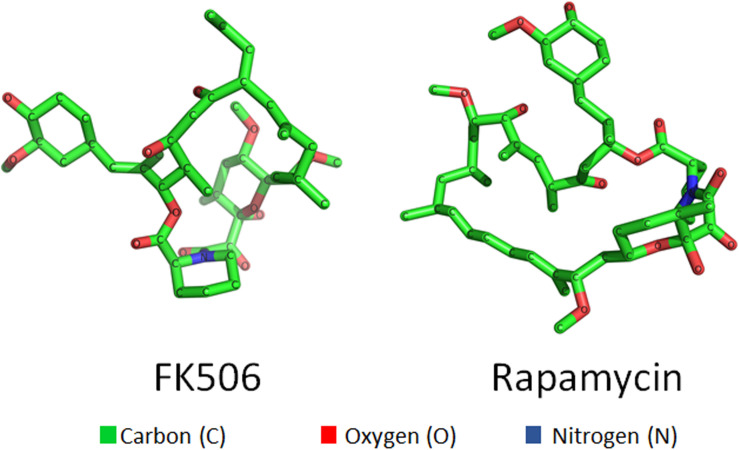
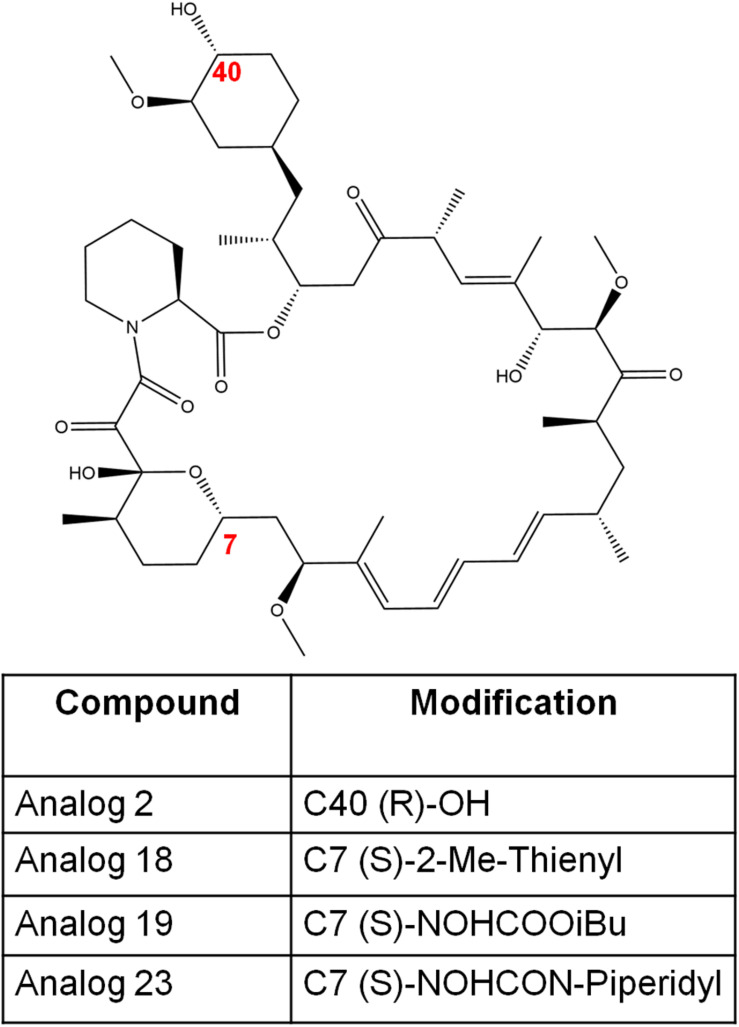
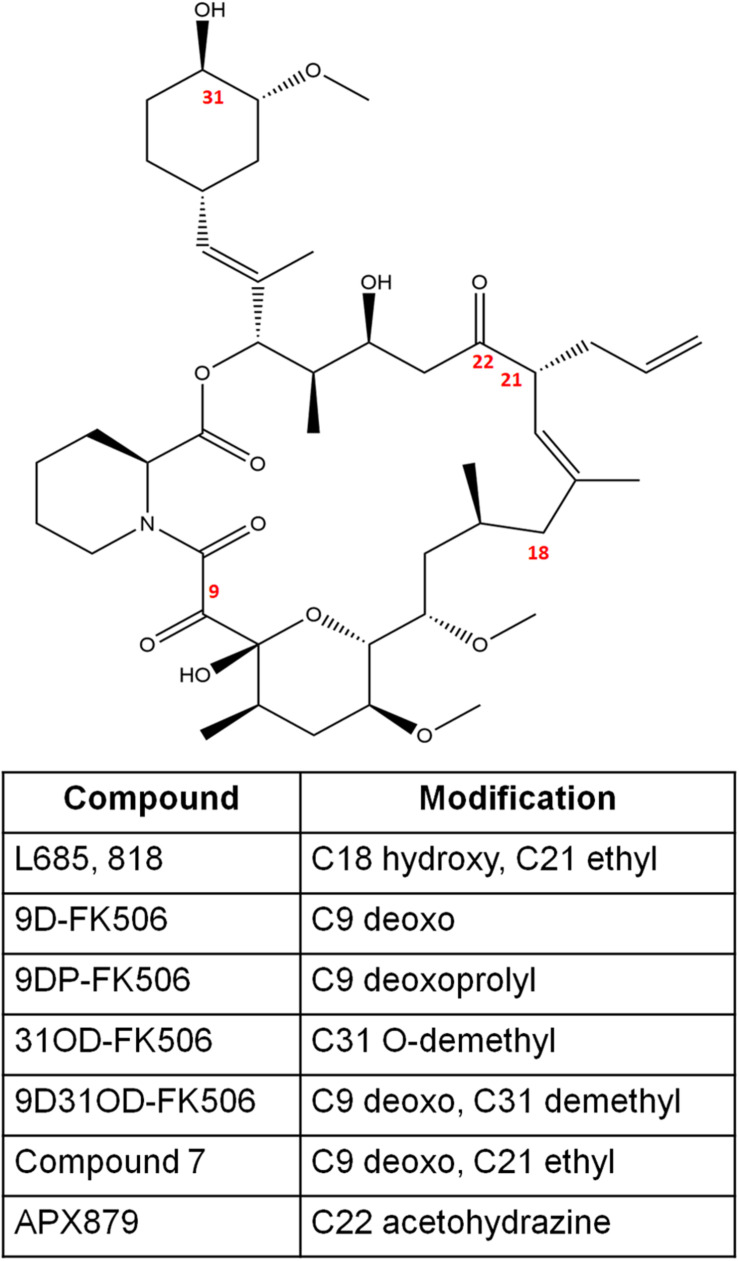
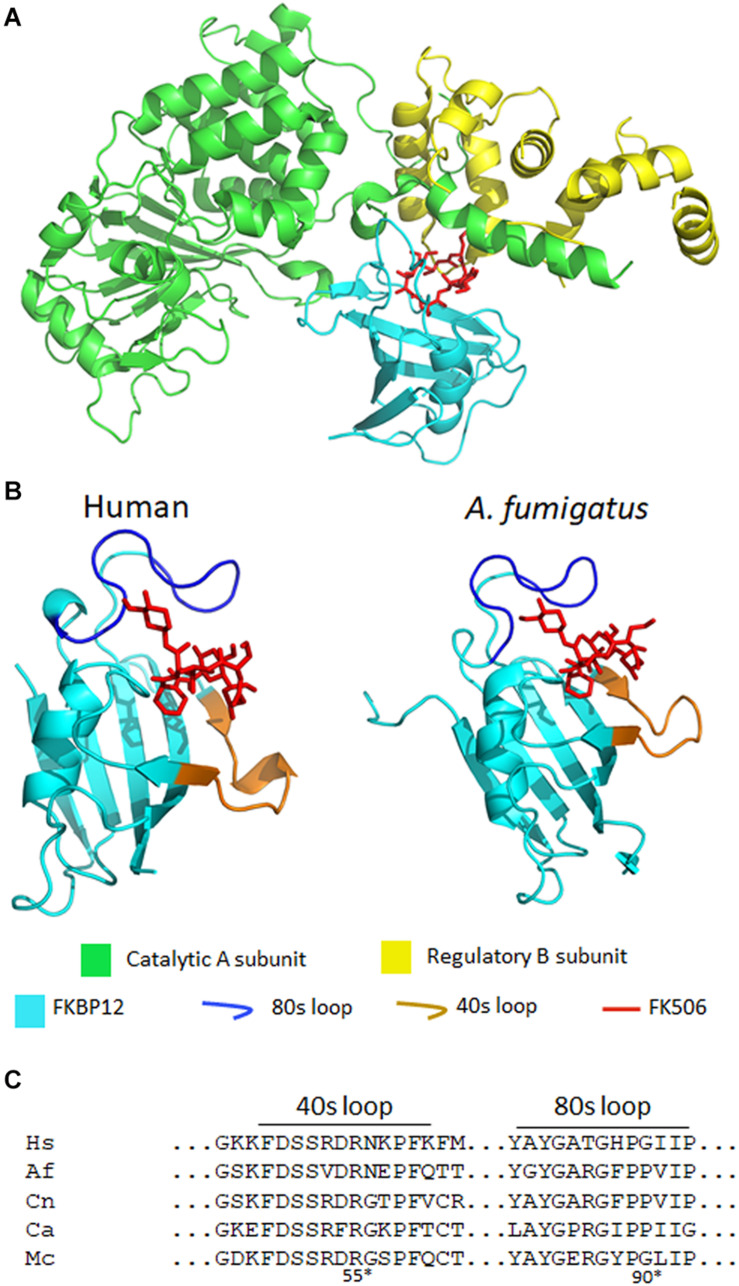
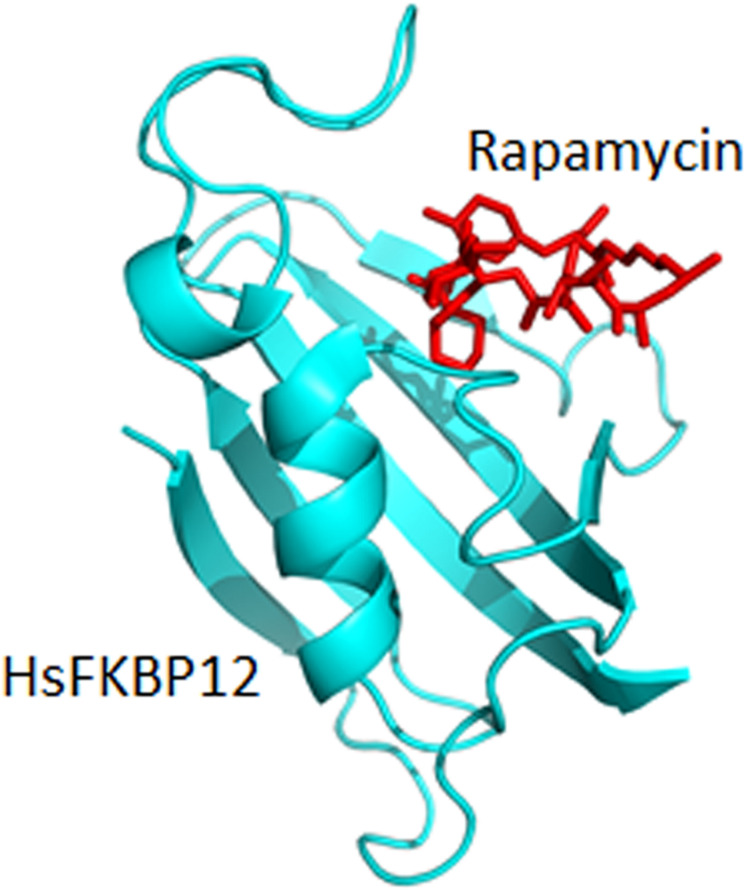
Over the past few decades advances in modern medicine have resulted in a global increase in the prevalence of fungal infections. Particularly people undergoing organ transplants or cancer treatments with a compromised immune system are at an elevated risk for lethal fungal infections such as invasive candidiasis, aspergillosis, cryptococcosis, etc. The emergence of drug resistance in fungal pathogens poses a serious threat to mankind and it is critical to identify new targets for the development of antifungals. Calcineurin and TOR proteins are conserved across eukaryotes including pathogenic fungi. Two small molecules FK506 and rapamycin bind to FKBP12 immunophilin and the resulting complexes (FK506-FKBP12 and rapamycin-FKBP12) target calcineurin and TOR, respectively in both humans and fungi. However, due to their immunosuppressive nature these drugs in the current form cannot be used as an antifungal. To overcome this, it is important to identify key differences between human and fungal FKBP12, calcineurin, and TOR proteins which will facilitate the development of new small molecules with higher affinity toward fungal components. The current review highlights FK506/rapamycin-FKBP12 interactions with calcineurin/TOR kinase in human and fungi, and development of non-immunosuppressive analogs of FK506, rapamycin, and novel small molecules in inhibition of fungal calcineurin and TOR kinase.
在过去几十年里,现代医学的进步导致全球真菌感染的患病率上升。特别是接受器官移植或癌症治疗且免疫系统受损的人,患侵袭性念珠菌病、曲霉病、隐球菌病等致命真菌感染的风险更高。真菌病原体中耐药性的出现对人类构成了严重威胁,确定抗真菌药物开发的新靶点至关重要。钙调神经磷酸酶和TOR蛋白在包括致病真菌在内的真核生物中是保守的。两种小分子FK506和雷帕霉素与FKBP12亲免蛋白结合,所形成的复合物(FK506-FKBP12和雷帕霉素-FKBP12)分别在人和真菌中作用于钙调神经磷酸酶和TOR。然而,由于它们的免疫抑制性质,目前形式的这些药物不能用作抗真菌药。为了克服这一问题,识别人类和真菌FKBP12、钙调神经磷酸酶和TOR蛋白之间的关键差异很重要,这将有助于开发对真菌成分具有更高亲和力的新小分子。本综述重点介绍了FK506/雷帕霉素-FKBP12与人和真菌中钙调神经磷酸酶/TOR激酶的相互作用,以及FK506、雷帕霉素的非免疫抑制类似物和新型小分子在抑制真菌钙调神经磷酸酶和TOR激酶方面的进展。