Piasecka Julita, Jarmolowicz Aleksandra, Kierzek Elzbieta
Institute of Bioorganic Chemistry Polish Academy of Sciences, Noskowskiego 12/14, 61-704 Poznan, Poland.
Pathogens. 2020 Nov 15;9(11):951. doi: 10.3390/pathogens9110951.
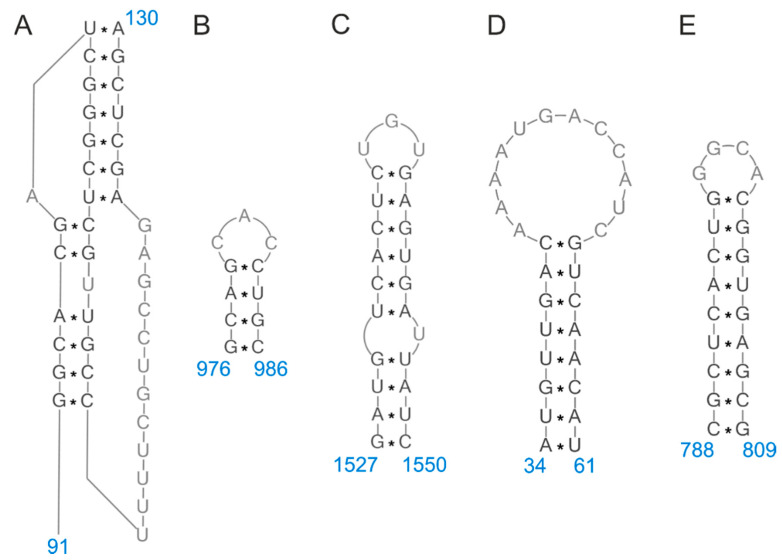
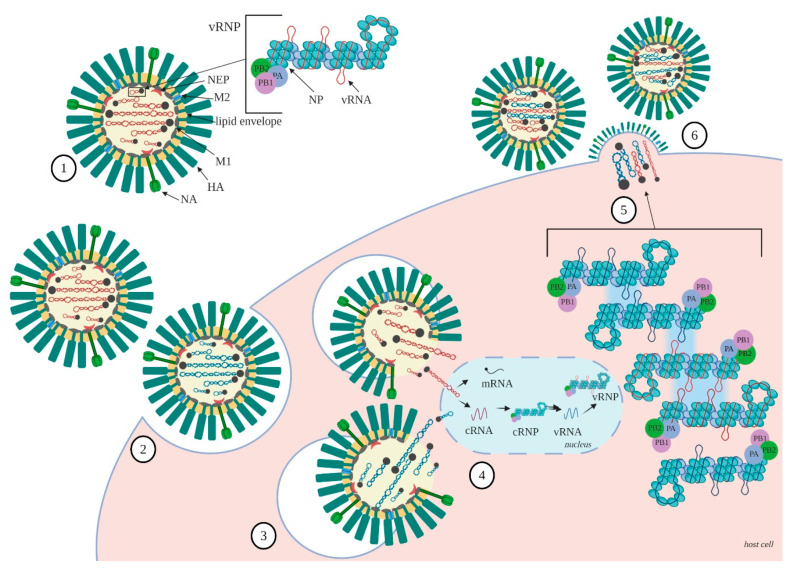
The influenza A virus is a human pathogen causing respiratory infections. The ability of this virus to trigger seasonal epidemics and sporadic pandemics is a result of its high genetic variability, leading to the ineffectiveness of vaccinations and current therapies. The source of this variability is the accumulation of mutations in viral genes and reassortment enabled by its segmented genome. The latter process can induce major changes and the production of new strains with pandemic potential. However, not all genetic combinations are tolerated and lead to the assembly of complete infectious virions. Reports have shown that viral RNA segments co-segregate in particular circumstances. This tendency is a consequence of the complex and selective genome packaging process, which takes place in the final stages of the viral replication cycle. It has been shown that genome packaging is governed by RNA-RNA interactions. Intersegment contacts create a network, characterized by the presence of common and strain-specific interaction sites. Recent studies have revealed certain RNA regions, and conserved secondary structure motifs within them, which may play functional roles in virion assembly. Growing knowledge on RNA structure and interactions facilitates our understanding of the appearance of new genome variants, and may allow for the prediction of potential reassortment outcomes and the emergence of new strains in the future.
甲型流感病毒是一种引发呼吸道感染的人类病原体。该病毒引发季节性流行和偶发性大流行的能力源于其高度的基因变异性,这导致疫苗接种和现有疗法失效。这种变异性的来源是病毒基因中突变的积累以及由其分段基因组促成的基因重配。后一过程可引发重大变化并产生具有大流行潜力的新毒株。然而,并非所有基因组合都能被耐受并导致完整感染性病毒粒子的组装。报告显示,病毒RNA片段在特定情况下会共同分离。这种倾向是复杂且具有选择性的基因组包装过程的结果,该过程发生在病毒复制周期的最后阶段。已表明基因组包装受RNA - RNA相互作用支配。片段间接触形成一个网络,其特征是存在共同的和特定毒株的相互作用位点。最近的研究揭示了某些RNA区域以及其中保守的二级结构基序,它们可能在病毒粒子组装中发挥功能作用。对RNA结构和相互作用的了解不断增加,有助于我们理解新基因组变体的出现,并可能使我们能够预测未来潜在的重配结果和新毒株的出现。