Key Laboratory of Precision Oncology of Shandong Higher Education, Institute of Precision Medicine, Jining Medical University, 272067, Jining, Shandong, P.R. China.
Departments of Urology, New York University School of Medicine, New York, NY, 10016, USA.
Cell Death Dis. 2020 Nov 17;11(11):988. doi: 10.1038/s41419-020-03194-2.
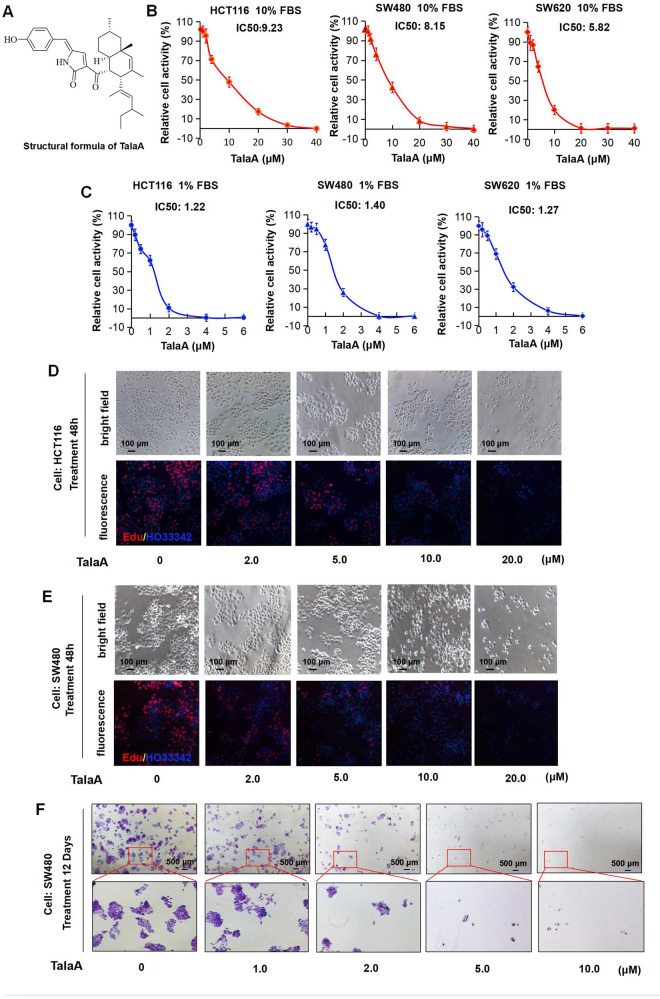
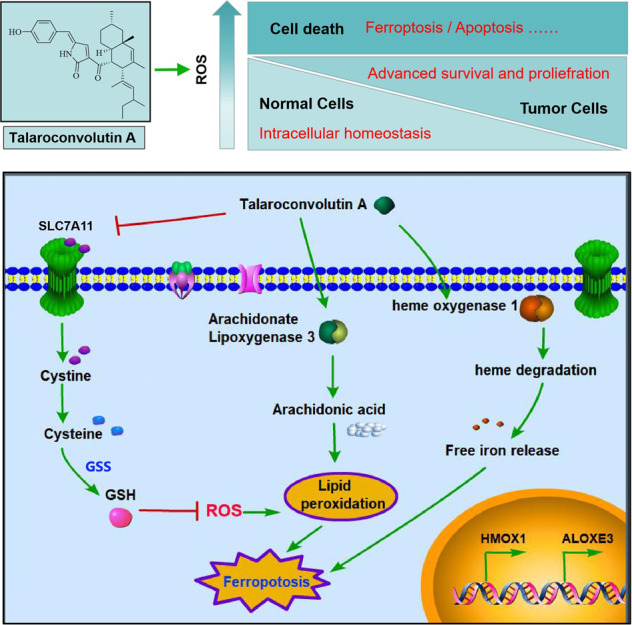
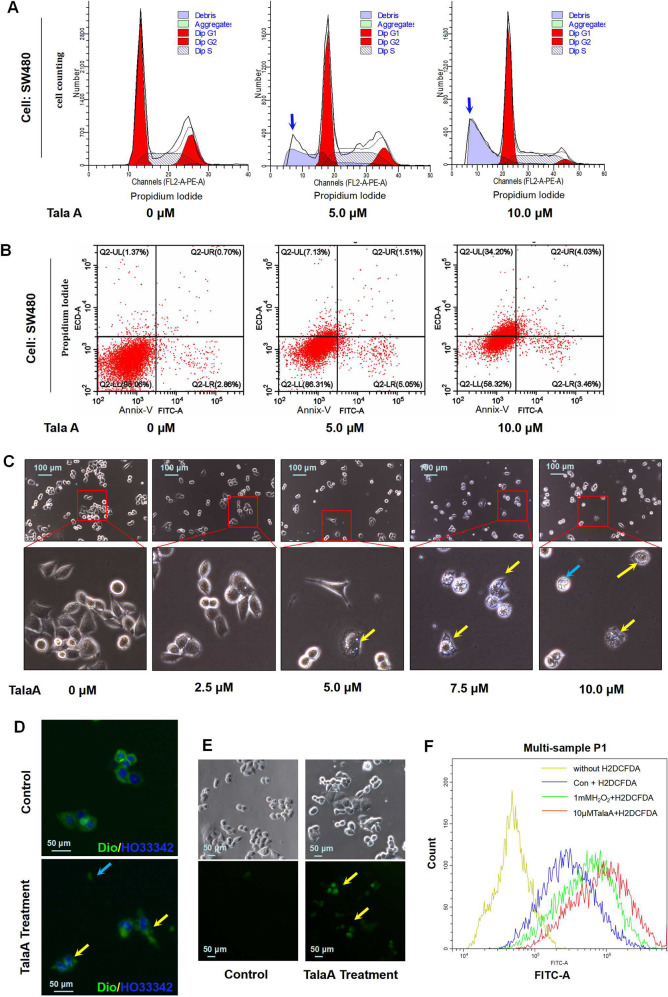
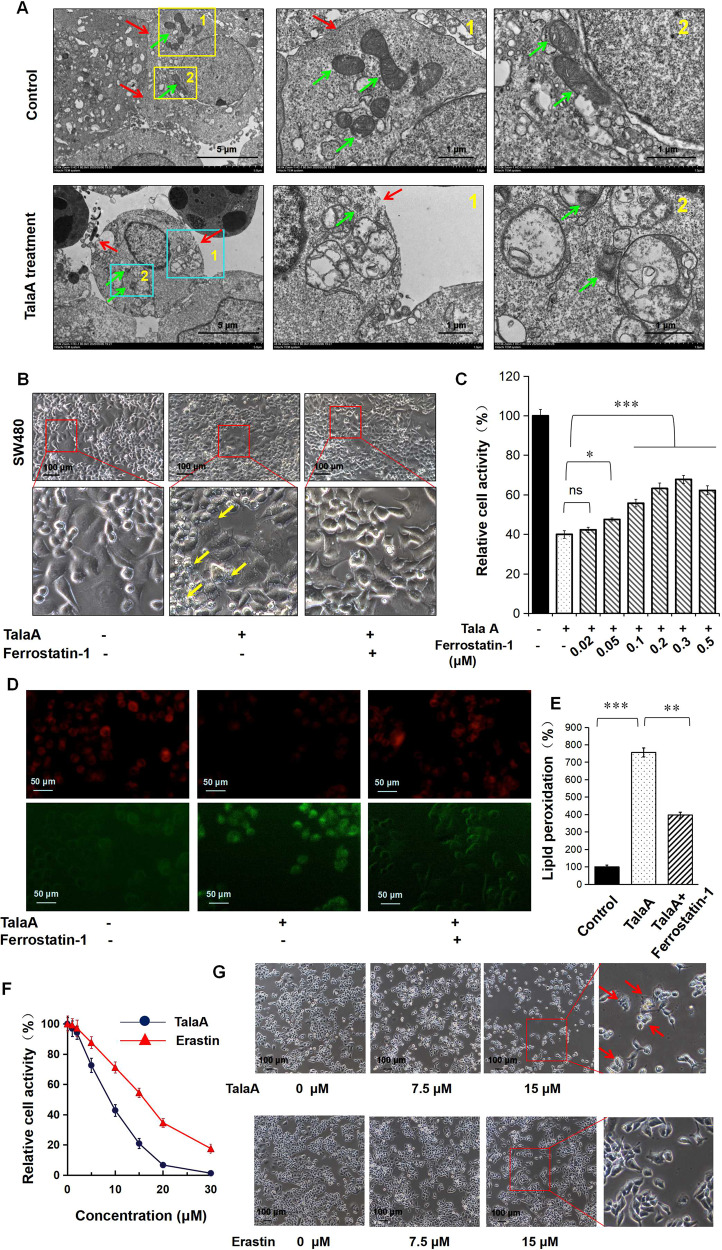
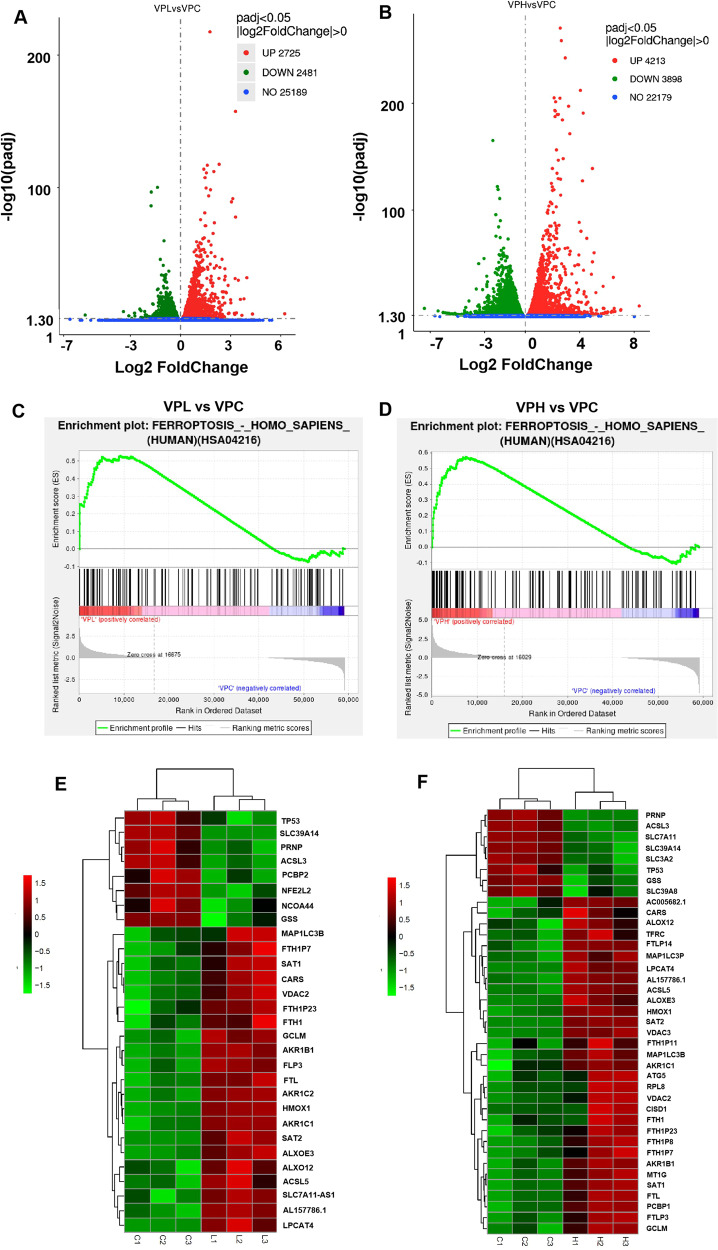
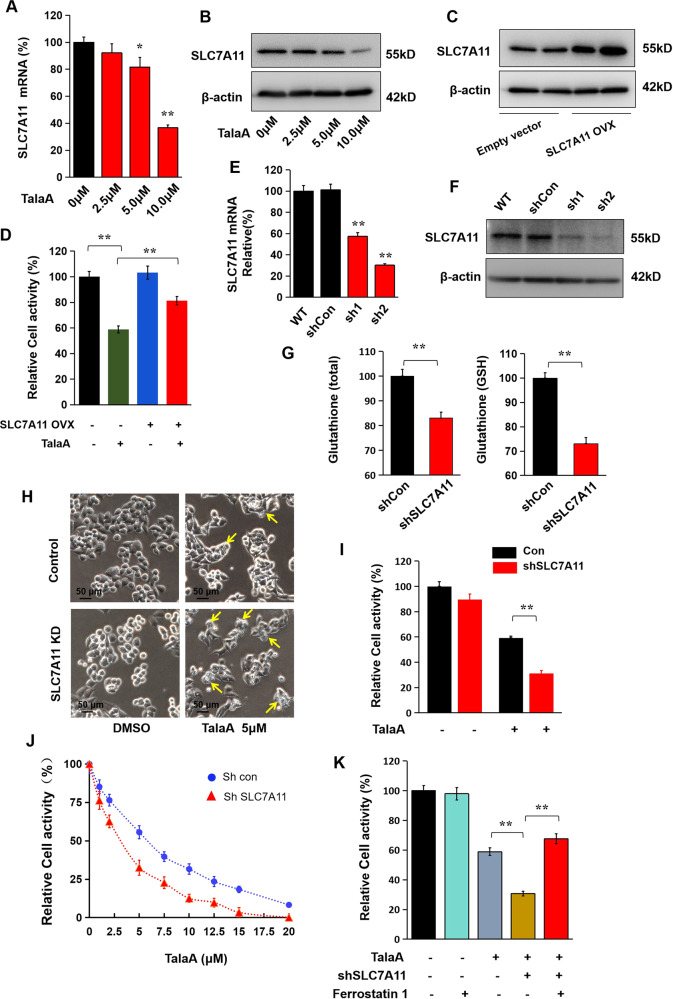
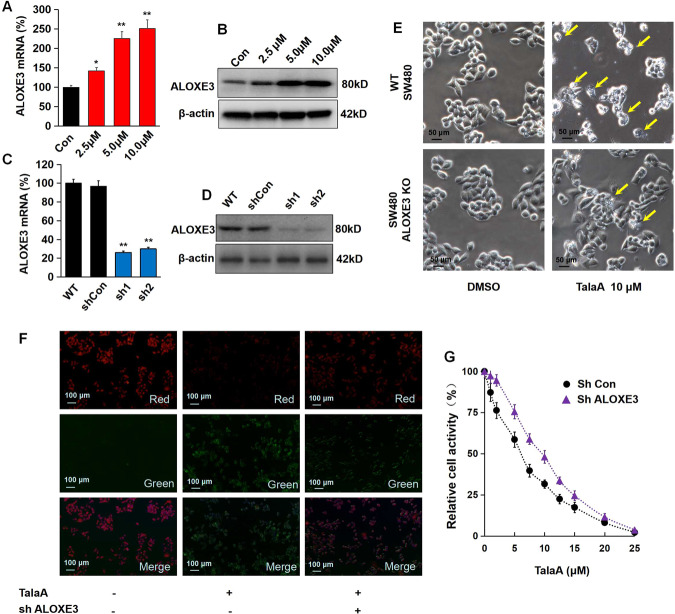
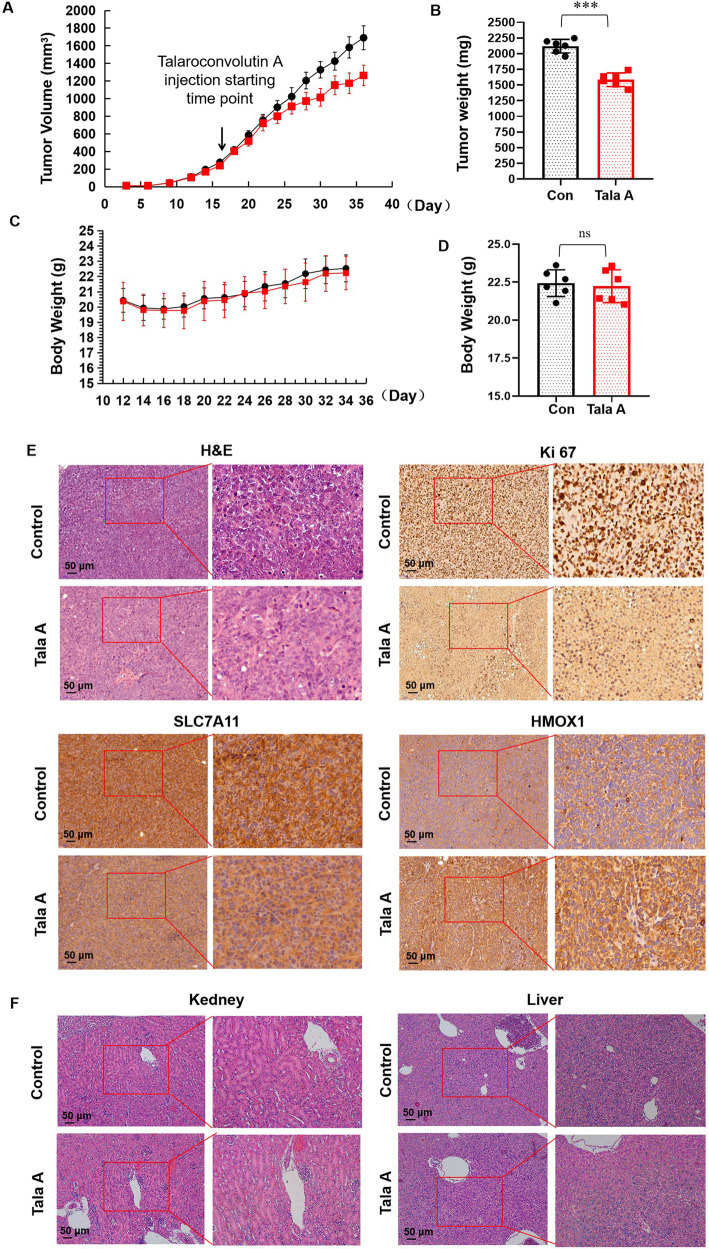
Ferropotsis is among the most important mechanisms of cancer suppression, which could be harnessed for cancer therapy. However, no natural small-molecule compounds with cancer inhibitory activity have been identified to date. In the present study, we reported the discovery of a novel ferroptosis inducer, talaroconvolutin A (TalaA), and the underlying molecular mechanism. We discovered that TalaA killed colorectal cancer cells in dose-dependent and time-dependent manners. Interestingly, TalaA did not induce apoptosis, but strongly triggered ferroptosis. Notably, TalaA was significantly more effective than erastin (a well-known ferroptosis inducer) in suppressing colorectal cancer cells via ferroptosis. We revealed a dual mechanism of TalaA' action against cancer. On the one hand, TalaA considerably increased reactive oxygen species levels to a certain threshold, the exceeding of which induced ferroptosis. On the other hand, this compound downregulated the expression of the channel protein solute carrier family 7 member 11 (SLC7A11) but upregulated arachidonate lipoxygenase 3 (ALOXE3), promoting ferroptosis. Furthermore, in vivo experiments in mice evidenced that TalaA effectively suppressed the growth of xenografted colorectal cancer cells without obvious liver and kidney toxicities. The findings of this study indicated that TalaA could be a new potential powerful drug candidate for colorectal cancer therapy due to its outstanding ability to kill colorectal cancer cells via ferroptosis induction.
铁死亡是最重要的癌症抑制机制之一,可被用于癌症治疗。然而,目前尚未发现具有抗癌活性的天然小分子化合物。在本研究中,我们报道了一种新型铁死亡诱导剂——塔拉唑菌素 A(TalaA)的发现及其潜在的分子机制。我们发现 TalaA 以剂量和时间依赖的方式杀死结直肠癌细胞。有趣的是,TalaA 不会诱导细胞凋亡,而是强烈触发铁死亡。值得注意的是,与著名的铁死亡诱导剂 erastin 相比,TalaA 通过铁死亡更有效地抑制结直肠癌细胞。我们揭示了 TalaA 对抗癌症的双重作用机制。一方面,TalaA 显著增加活性氧(ROS)水平至一定阈值,超过该阈值则会诱导铁死亡。另一方面,该化合物下调溶质载体家族 7 成员 11(SLC7A11)的通道蛋白表达,但上调花生四烯酸脂氧合酶 3(ALOXE3),促进铁死亡。此外,在小鼠体内实验中,TalaA 有效地抑制了异种移植结直肠癌细胞的生长,而没有明显的肝、肾毒性。本研究的结果表明,由于 TalaA 通过诱导铁死亡来杀死结直肠癌细胞的能力突出,因此它可能成为治疗结直肠癌的一种新的潜在有效药物候选物。