Institute of Developmental Neurophysiology, Center for Molecular Neurobiology, University Medical Center Hamburg-Eppendorf, Hamburg, Germany.
Elife. 2020 Nov 18;9:e56795. doi: 10.7554/eLife.56795.
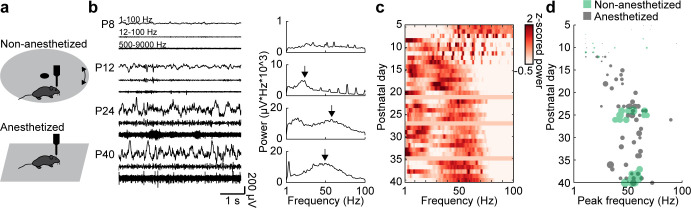
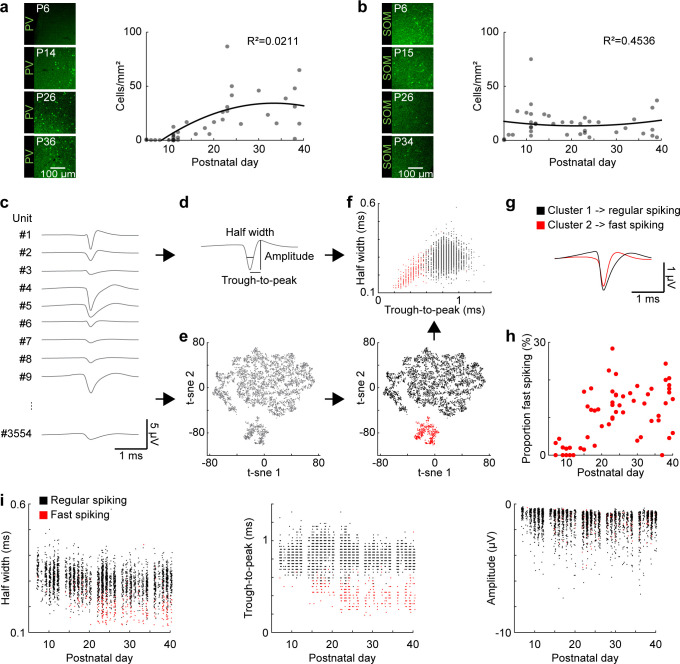
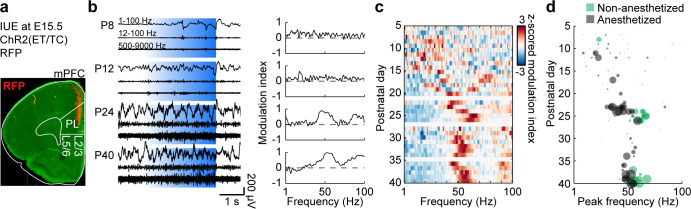
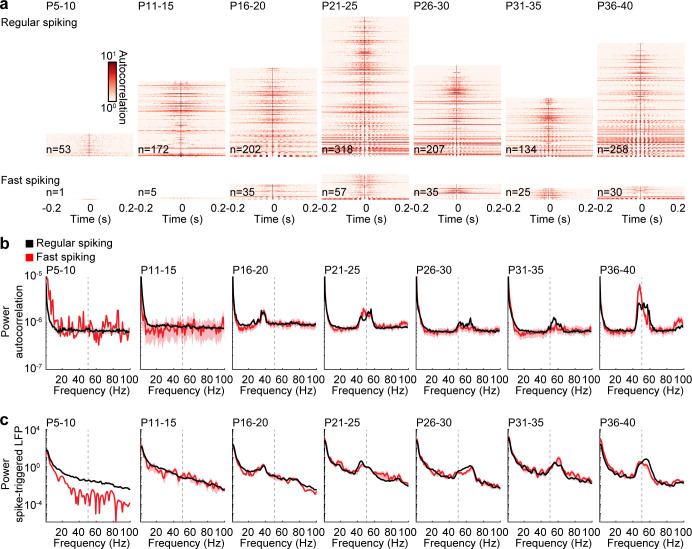
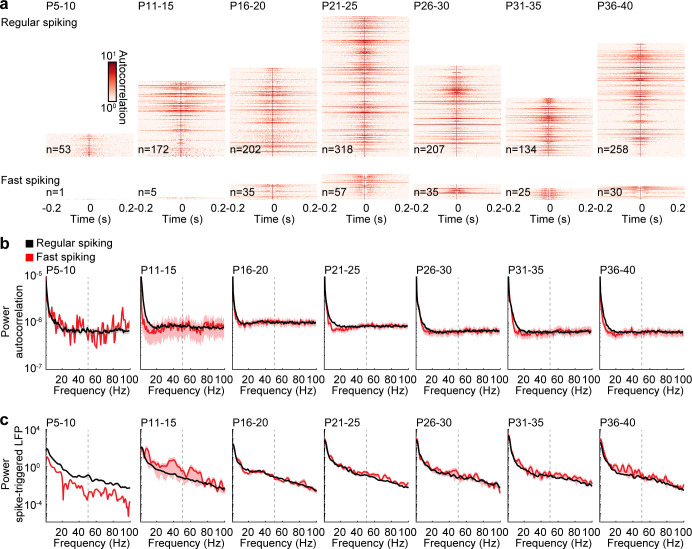
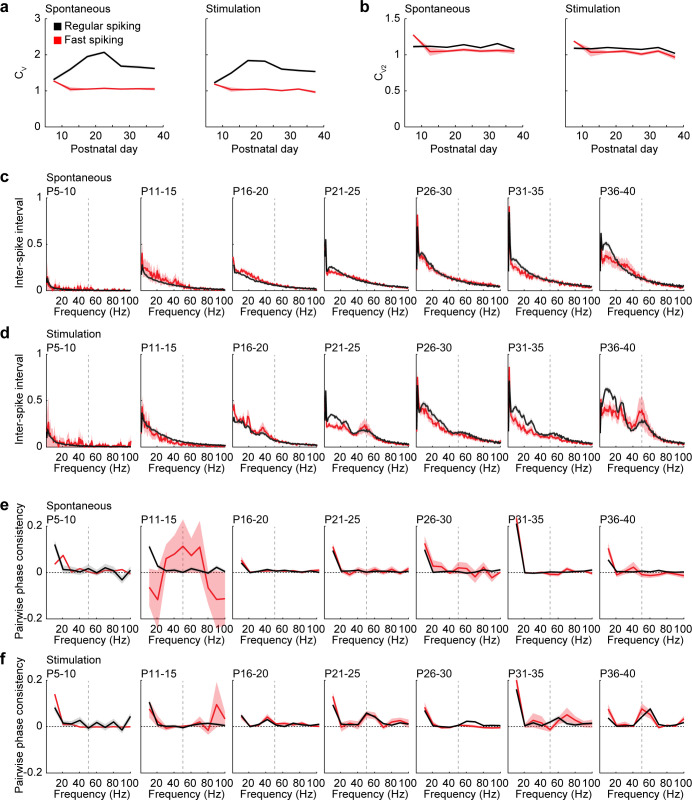
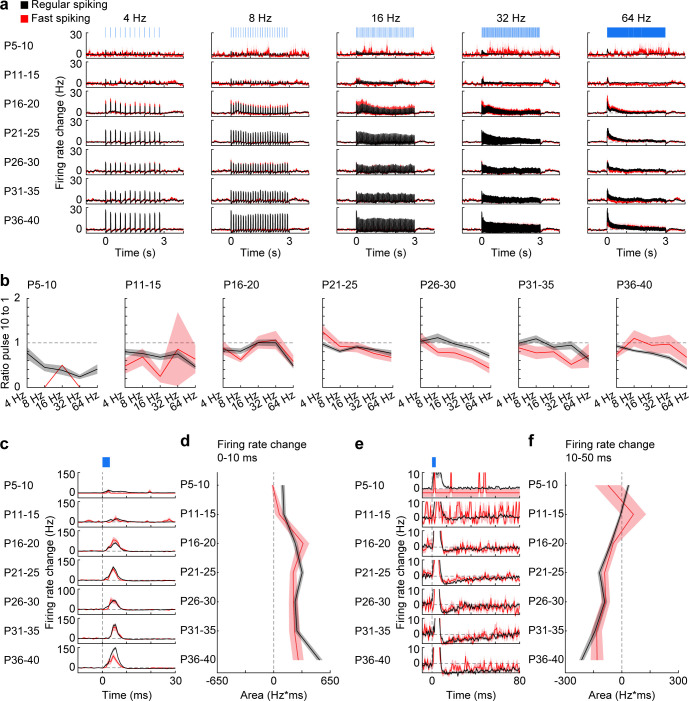
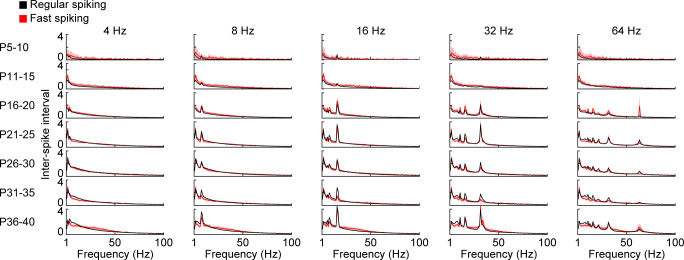
Gamma oscillations are a prominent activity pattern in the cerebral cortex. While gamma rhythms have been extensively studied in the adult prefrontal cortex in the context of cognitive (dys)functions, little is known about their development. We addressed this issue by using extracellular recordings and optogenetic stimulations in mice across postnatal development. We show that fast rhythmic activity in the prefrontal cortex becomes prominent during the second postnatal week. While initially at about 15 Hz, fast oscillatory activity progressively accelerates with age and stabilizes within gamma frequency range (30-80 Hz) during the fourth postnatal week. Activation of layer 2/3 pyramidal neurons drives fast oscillations throughout development, yet the acceleration of their frequency follows similar temporal dynamics as the maturation of fast-spiking interneurons. These findings uncover the development of prefrontal gamma activity and provide a framework to examine the origin of abnormal gamma activity in neurodevelopmental disorders.
伽马振荡是大脑皮层中一种突出的活动模式。虽然在认知(功能)障碍的背景下,成人前额叶皮层中的伽马节律已经被广泛研究,但关于它们的发育过程知之甚少。我们通过在整个发育过程中对小鼠进行细胞外记录和光遗传学刺激来解决这个问题。我们表明,前额叶皮层中的快速节律活动在出生后第二周变得明显。虽然最初约为 15 Hz,但随着年龄的增长,快速振荡活动逐渐加速,并在出生后第四周稳定在伽马频率范围内(30-80 Hz)。激活 2/3 层锥体神经元在整个发育过程中驱动快速振荡,但它们的频率加速遵循与快速放电中间神经元成熟相似的时间动态。这些发现揭示了前额叶伽马活动的发展,并为研究神经发育障碍中异常伽马活动的起源提供了一个框架。