Developmental Neurophysiology, Institute of Neuroanatomy, University Medical Center Hamburg-Eppendorf, Hamburg, Germany.
Elife. 2018 Apr 10;7:e33158. doi: 10.7554/eLife.33158.
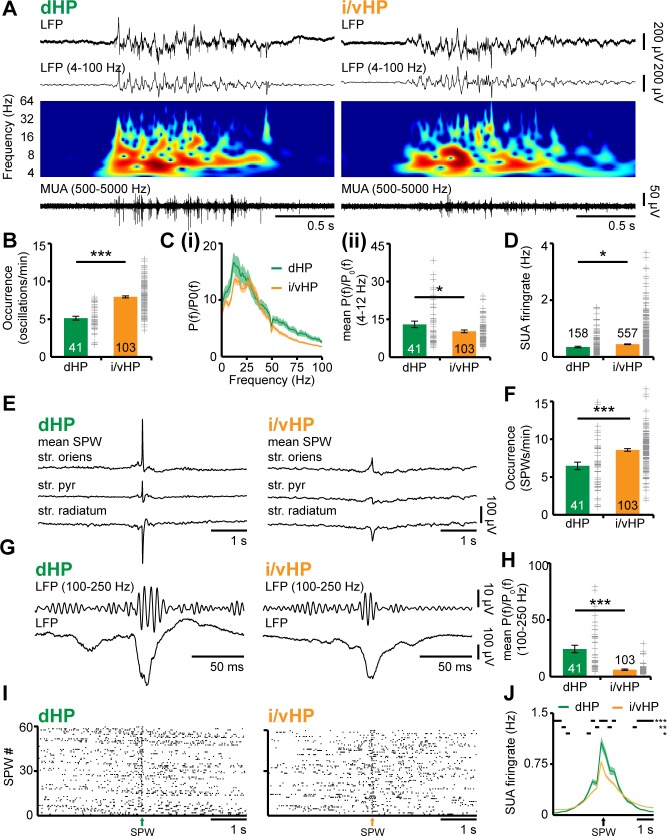
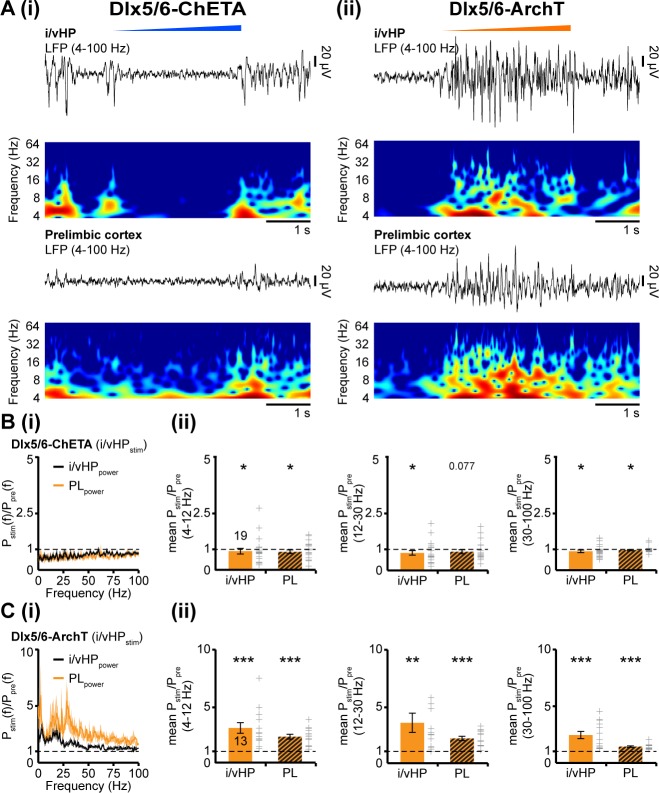
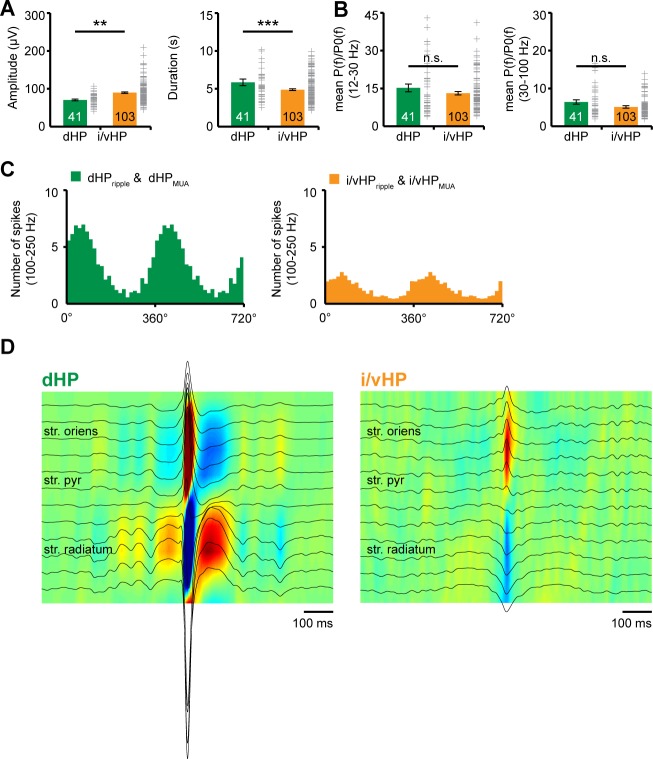
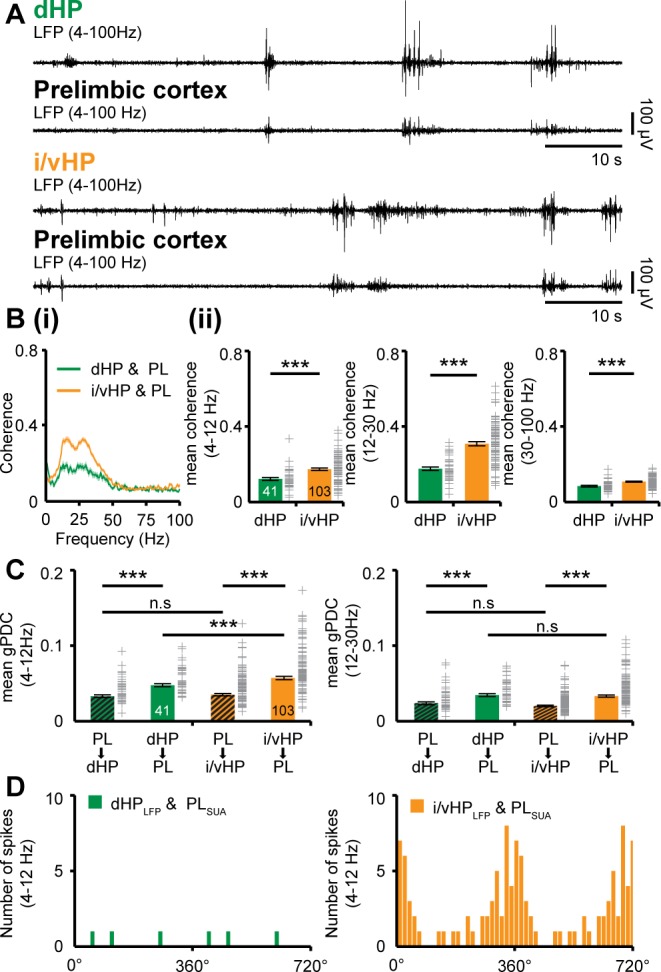
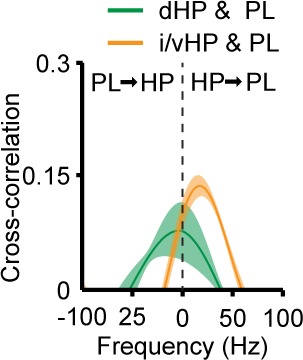
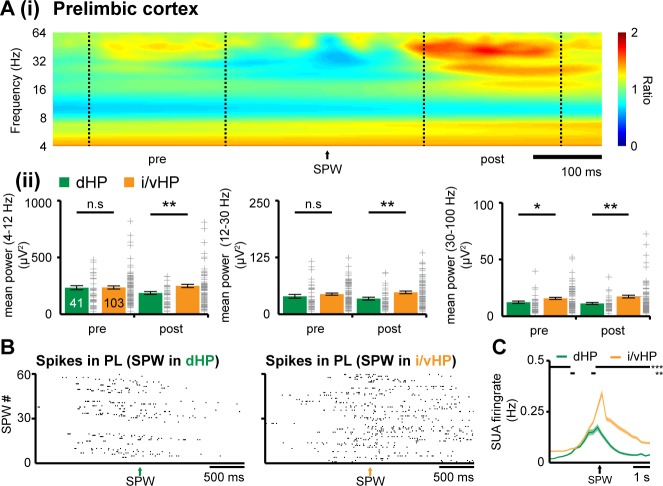
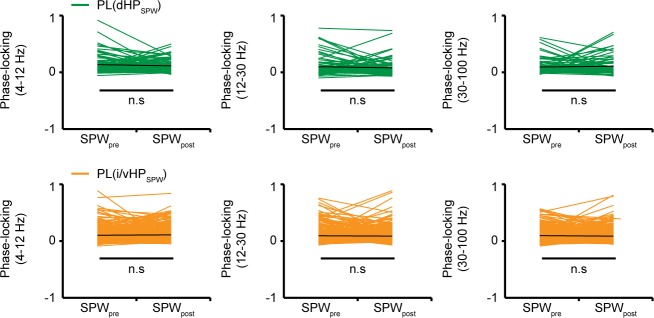
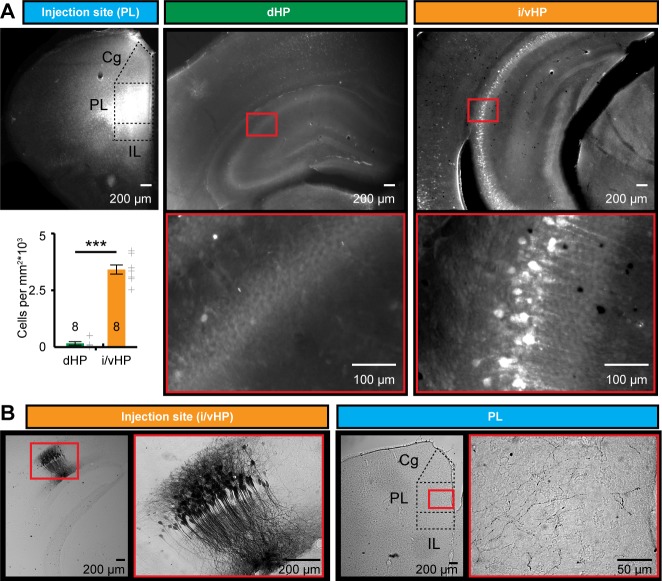
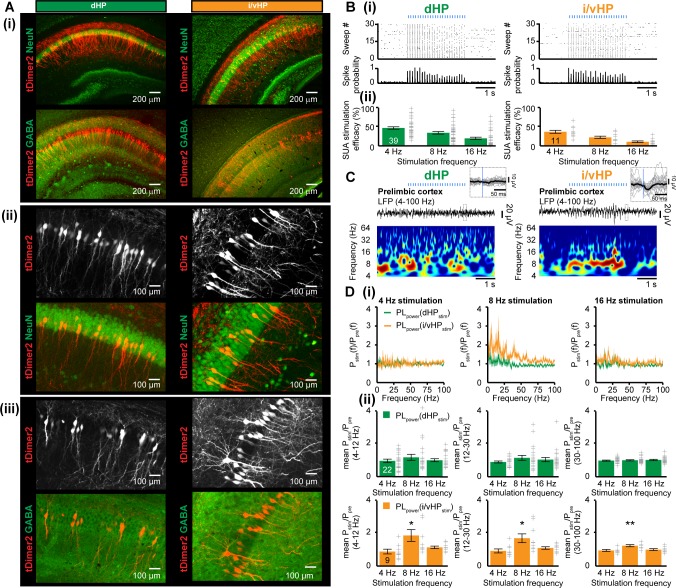
The long-range coupling within prefrontal-hippocampal networks that account for cognitive performance emerges early in life. The discontinuous hippocampal theta bursts have been proposed to drive the generation of neonatal prefrontal oscillations, yet the cellular substrate of these early interactions is still unresolved. Here, we selectively target optogenetic manipulation of glutamatergic projection neurons in the CA1 area of either dorsal or intermediate/ventral hippocampus at neonatal age to elucidate their contribution to the emergence of prefrontal oscillatory entrainment. We show that despite stronger theta and ripples power in dorsal hippocampus, the prefrontal cortex is mainly coupled with intermediate/ventral hippocampus by phase-locking of neuronal firing via dense direct axonal projections. Theta band-confined activation by light of pyramidal neurons in intermediate/ventral but not dorsal CA1 that were transfected by electroporation with high-efficiency channelrhodopsin boosts prefrontal oscillations. Our data causally elucidate the cellular origin of the long-range coupling in the developing brain.
前额叶-海马网络中的长程耦合是认知表现的基础,这种耦合早在生命早期就出现了。有人提出,不连续的海马θ爆发驱动了新生儿前额叶震荡的产生,但这些早期相互作用的细胞基础仍未解决。在这里,我们在新生儿时期选择性地靶向 CA1 区背侧或中间/腹侧海马的谷氨酸能投射神经元的光遗传操纵,以阐明它们对前额叶震荡同步的出现的贡献。我们发现,尽管背侧海马的θ波和涟漪功率更强,但通过密集的直接轴突投射,神经元放电的相位锁定使前额叶皮层主要与中间/腹侧海马耦合。通过电穿孔用高效通道视紫红质转染的中间/腹侧 CA1 区的锥体神经元的θ频带限制的光激活增强了前额叶震荡。我们的数据从因果关系上阐明了发育中大脑的长程耦合的细胞起源。