Jiang Huiming, Chen Haibin, Chen Nanhui
Department of Urology, Meizhou People's Hospital (Huangtang Hospital), Guangdong Provincial Key Laboratory of Precision Medicine and Clinical Translational Research of Hakka Population, Meizhou, People's Republic of China.
Department of Histology and Embryology, Shantou University Medical College, Shantou, People's Republic of China.
Anim Cells Syst (Seoul). 2020 May 12;24(3):160-170. doi: 10.1080/19768354.2020.1760932.
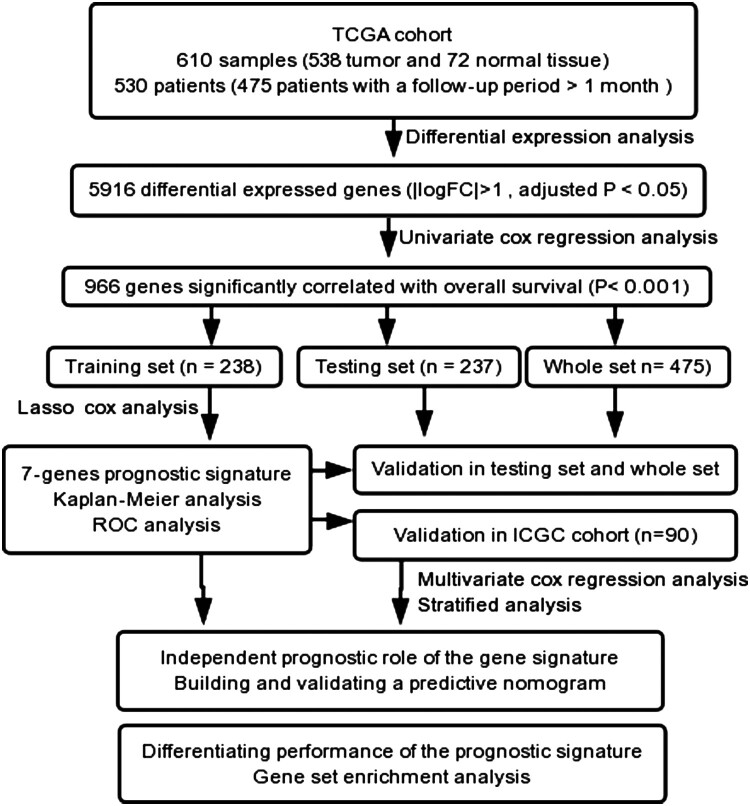
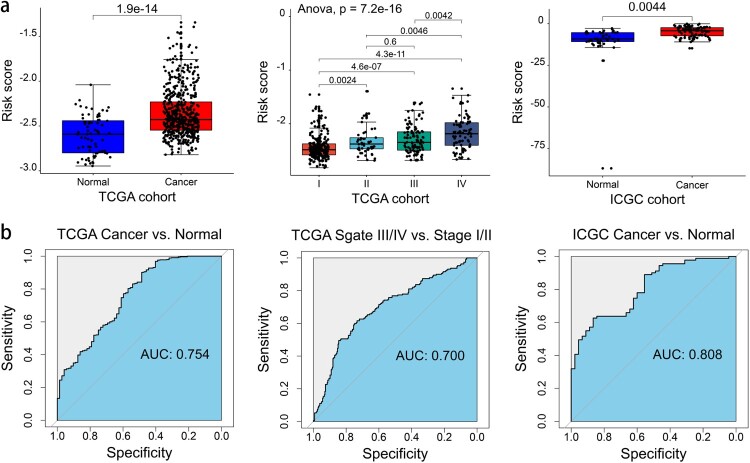
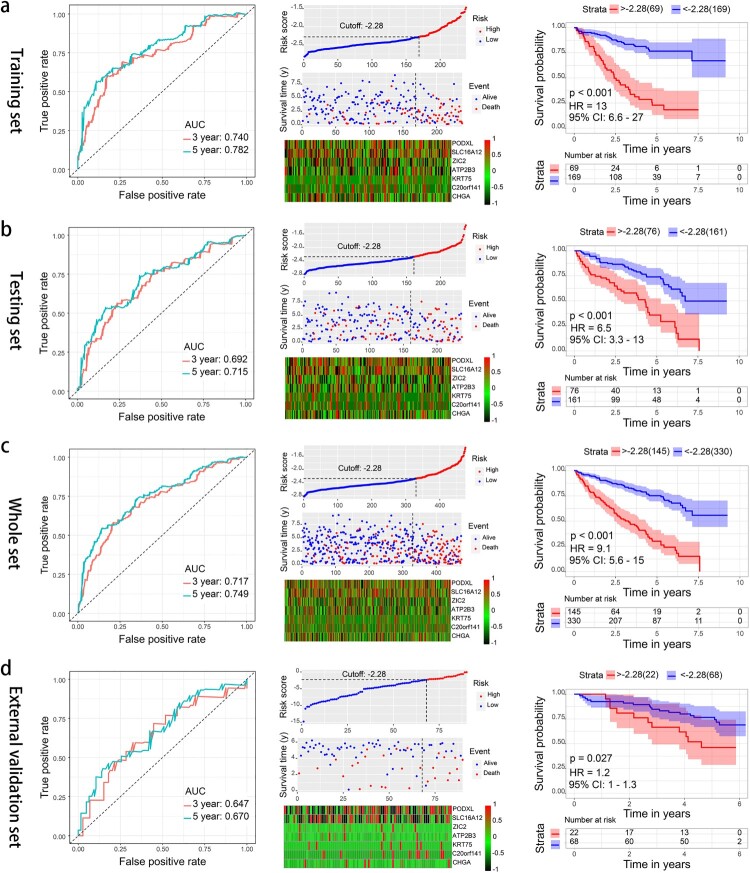
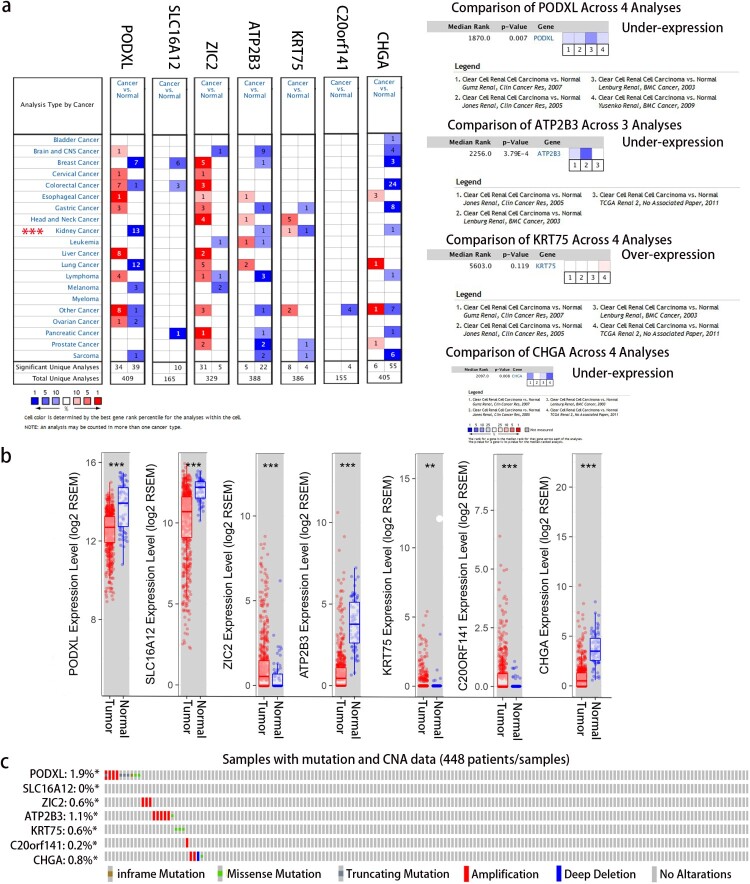
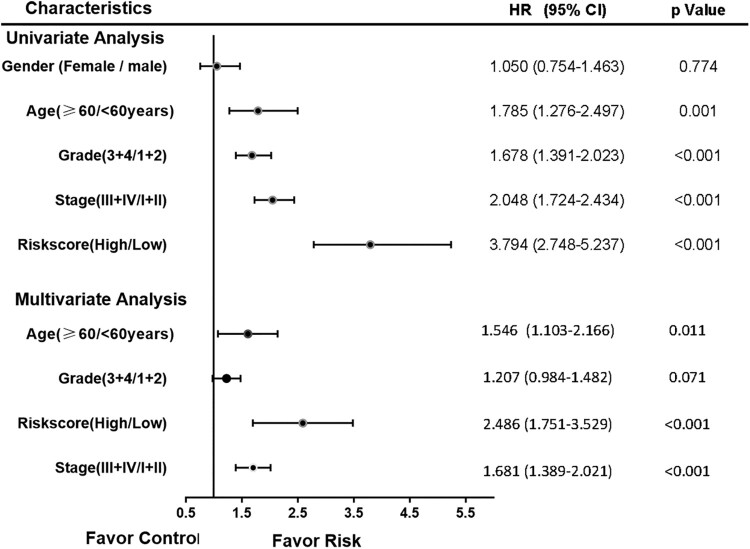
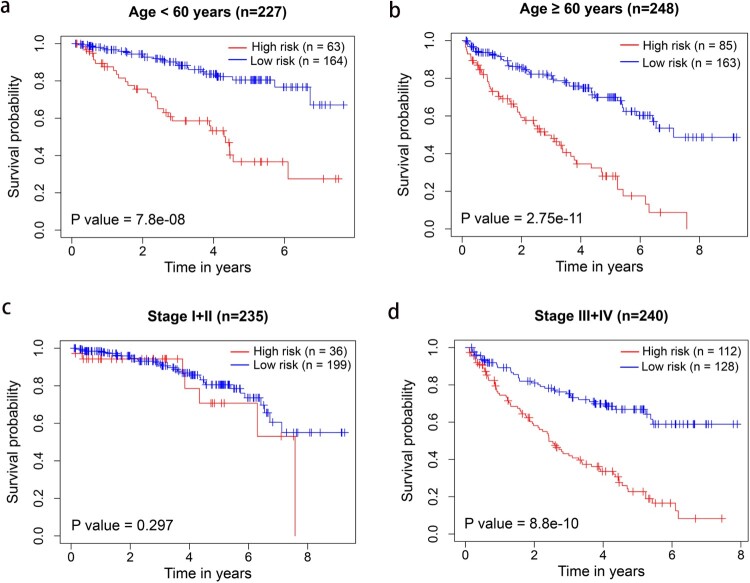
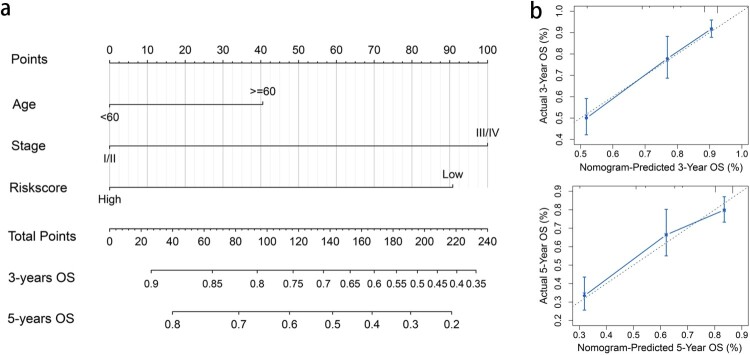
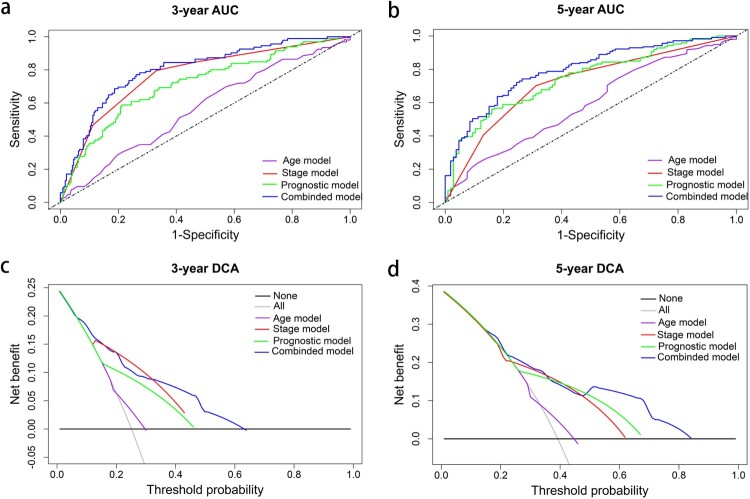
Kidney renal clear cell carcinoma (KIRC) remains a significant challenge worldwide because of its poor prognosis and high mortality rate, and accurate prognostic gene signatures are urgently required for individual therapy. This study aimed to construct and validate a seven-gene signature for predicting overall survival (OS) in patients with KIRC. The mRNA expression profile and clinical data of patients with KIRC were obtained from The Cancer Genome Atlas (TCGA) and International Cancer Genome Consortium (ICGC). Prognosis-associated genes were identified, and a prognostic gene signature was constructed. Then, the prognostic efficiency of the gene signature was assessed. The results obtained using data from the TCGA were validated using those from the ICGC and other online databases. Gene set enrichment analyses (GSEA) were performed to explore potential molecular mechanisms. A seven-gene signature (PODXL, SLC16A12, ZIC2, ATP2B3, KRT75, C20orf141, and CHGA) was constructed, and it was found to be effective in classifying KIRC patients into high- and low-risk groups, with significantly different survival based on the TCGA and ICGC validation data set. Cox regression analysis revealed that the seven-gene signature had an independent prognostic value. Then, we established a nomogram, including the seven-gene signature, which had a significant clinical net benefit. Interestingly, the seven-gene signature had a good performance in distinguishing KIRC from normal tissues. GSEA revealed that several oncological signatures and GO terms were enriched. This study developed a novel seven-gene signature and nomogram for predicting the OS of patients with KIRC, which may be helpful for clinicians in establishing individualized treatments.
肾透明细胞癌(KIRC)因其预后差和死亡率高,在全球范围内仍然是一个重大挑战,因此迫切需要准确的预后基因特征用于个体化治疗。本研究旨在构建并验证一个用于预测KIRC患者总生存期(OS)的七基因特征。KIRC患者的mRNA表达谱和临床数据来自癌症基因组图谱(TCGA)和国际癌症基因组联盟(ICGC)。鉴定出与预后相关的基因,并构建了一个预后基因特征。然后,评估该基因特征的预后效率。使用来自TCGA的数据所获得的结果,通过来自ICGC和其他在线数据库的数据进行验证。进行基因集富集分析(GSEA)以探索潜在的分子机制。构建了一个七基因特征(PODXL、SLC16A12、ZIC2、ATP2B3、KRT75、C20orf141和CHGA),发现它能够有效地将KIRC患者分为高风险和低风险组,基于TCGA和ICGC验证数据集,两组患者的生存期有显著差异。Cox回归分析表明,该七基因特征具有独立的预后价值。然后,我们建立了一个列线图,其中包括该七基因特征,该列线图具有显著的临床净效益。有趣的是,该七基因特征在区分KIRC与正常组织方面表现良好。GSEA显示,多个肿瘤学特征和基因本体论(GO)术语得到富集。本研究开发了一种用于预测KIRC患者OS的新型七基因特征和列线图,这可能有助于临床医生制定个体化治疗方案。