Department of Biochemistry and Molecular Biology, Faculty of Medicine, Universitas Indonesia, Jakarta, Indonesia.
Center for Hypoxia and Oxidative Stress Studies, Faculty of Medicine, Universitas Indonesia, Jakarta, Indonesia.
PLoS One. 2020 Nov 19;15(11):e0240020. doi: 10.1371/journal.pone.0240020. eCollection 2020.
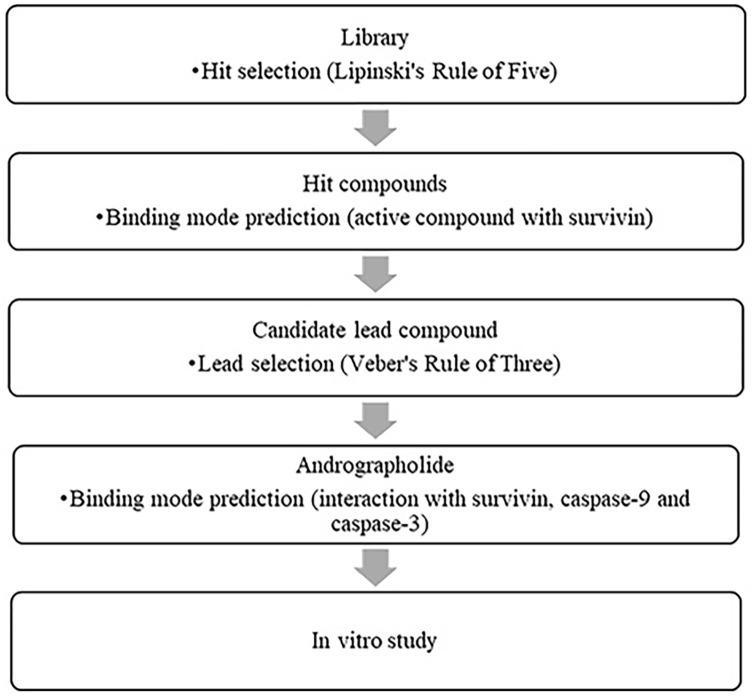
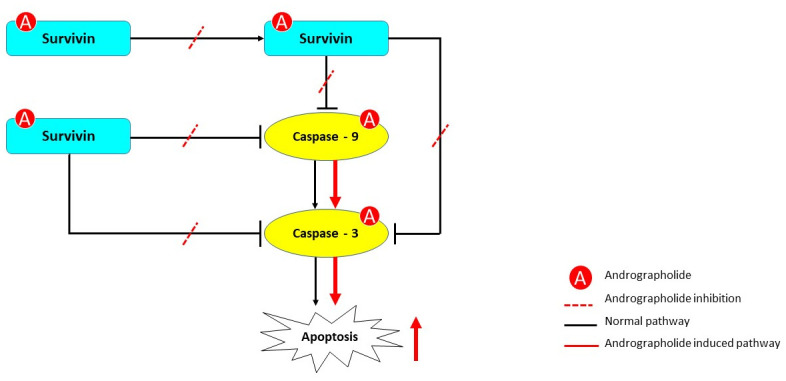
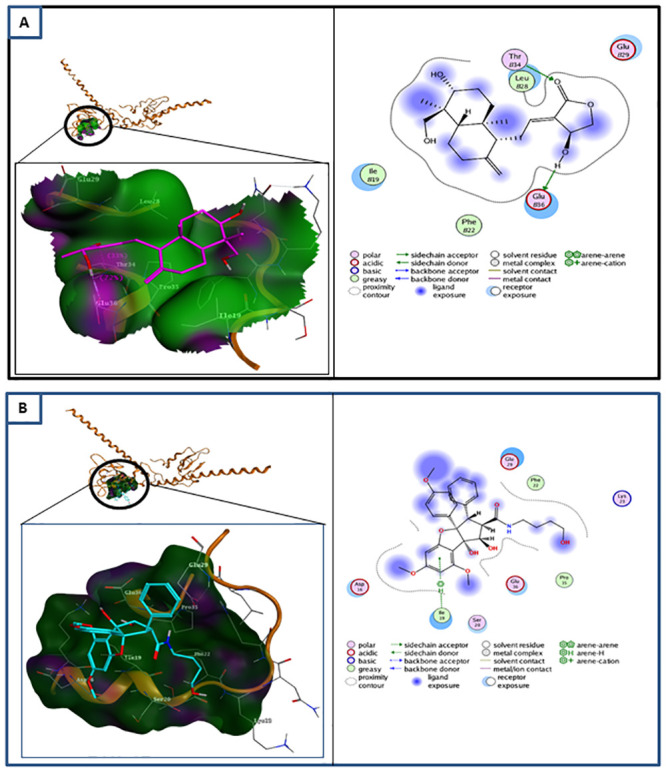
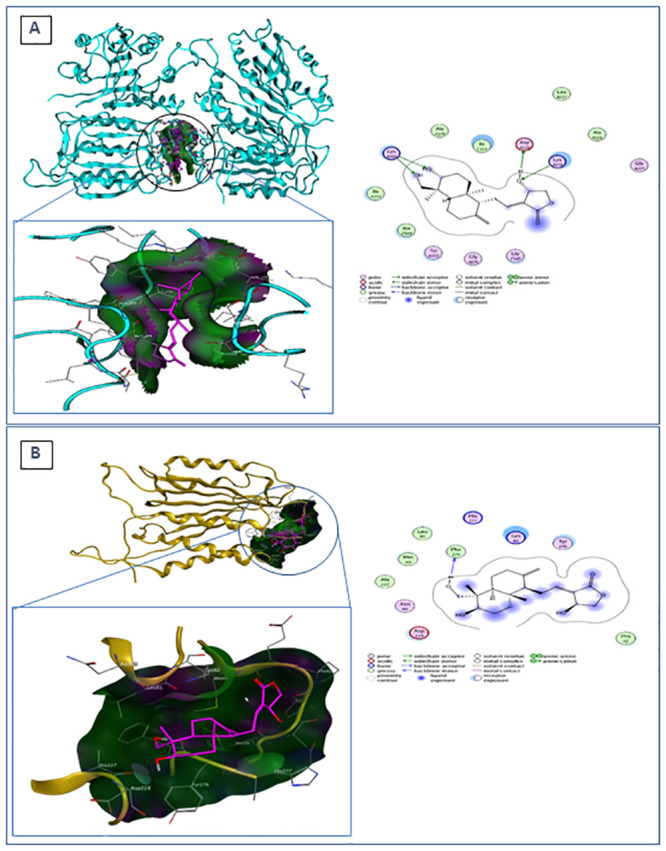
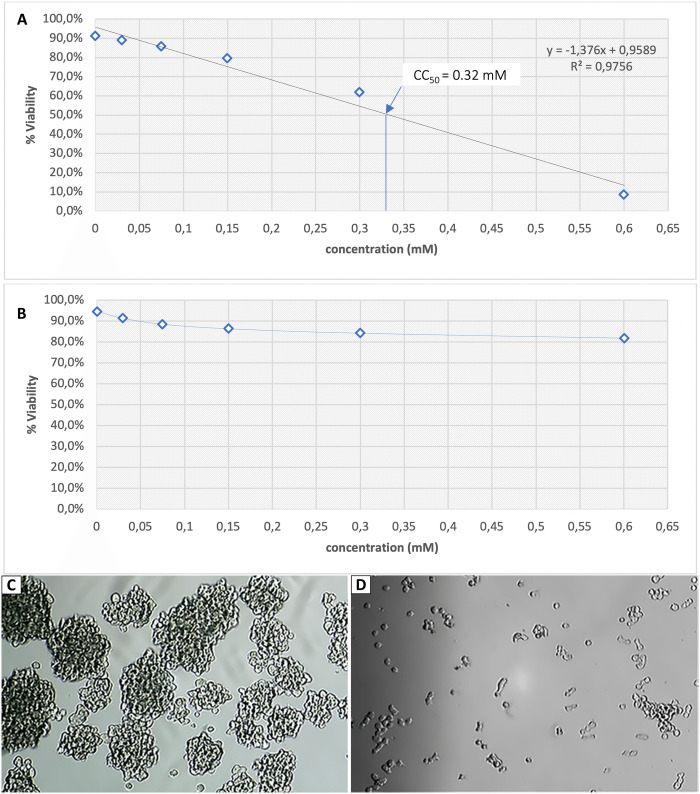
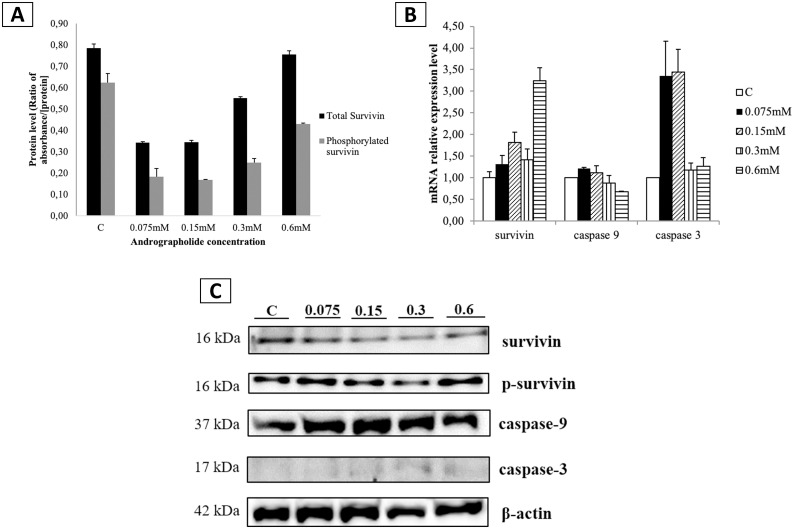
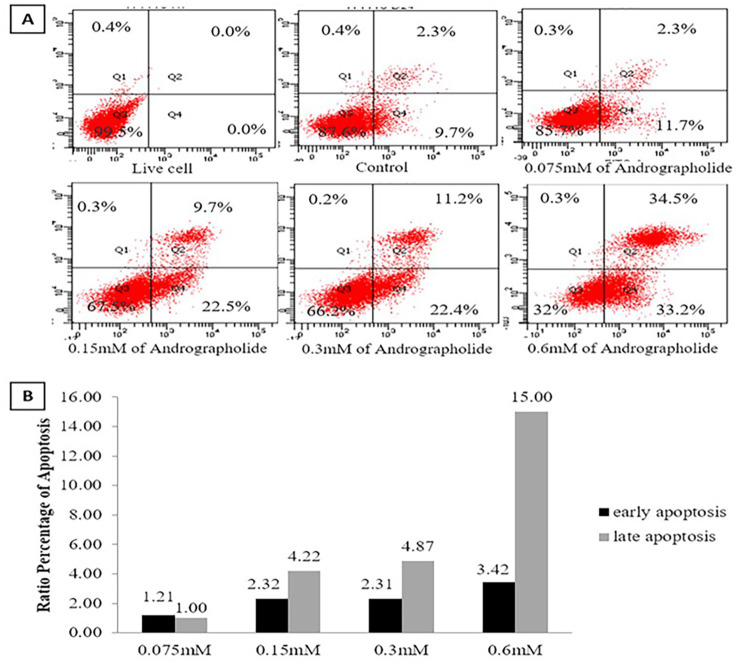
Breast cancer stem cells (BCSCs) express high levels of the anti-apoptotic protein, survivin. This study aimed to discover a natural active compound with anti-cancer properties that targeted survivin in human breast cancer stem cells. From the seven examined compounds, andrographolide was selected as a lead compound through in silico molecular docking with survivin, caspase-9, and caspase-3. We found that the affinity between andrographolide and survivin is higher than that with caspase-9 and caspase-3. Human CD24-/CD44+ BCSCs were treated with andrographolide in vitro for 24 hours. The cytotoxic effect of andrographolide on BCSCs was compared to that on human mesenchymal stem cells (MSCs). The expression of survivin, caspase-9, and caspase-3 mRNA was analyzed using qRT-PCR, while Thr34-phosphorylated survivin and total survivin levels were determined using ELISA and Immunoblotting assay. Annexin-V/PI flow cytometry assays were performed to evaluate the apoptotic activity of andrographolide. Our results demonstrate that the CC50 of andrographolide in BCSCs was 0.32mM, whereas there was no cytotoxic effect in MSCs. Moreover, andrographolide decreased survivin and Thr34-phosphorylated survivin, thus inhibiting survivin activation and increasing survivin mRNA in BCSCs. The apoptotic activity of andrographolide was revealed by the increase of caspase-3 mRNA and protein, as well as the increase in both the early and late phases of apoptosis. In conclusion, andrographolide can be considered an anti-cancer compound that targets BCSCs due to its molecular interactions with survivin, caspase-9, and caspase-3, which induce apoptosis. We suggest that the binding of andrographolide to survivin is a critical aspect of the effect of andrographolide.
乳腺癌干细胞(BCSCs)表达高水平的抗凋亡蛋白,生存素。本研究旨在发现一种具有抗癌特性的天然活性化合物,该化合物能靶向人乳腺癌干细胞中的生存素。在七种被检测的化合物中,穿心莲内酯通过与生存素、半胱天冬酶-9 和半胱天冬酶-3 的计算机分子对接被选为先导化合物。我们发现穿心莲内酯与生存素的亲和力高于与半胱天冬酶-9 和半胱天冬酶-3 的亲和力。体外将穿心莲内酯作用于 CD24-/CD44+ BCSCs 24 小时。比较穿心莲内酯对 BCSCs 的细胞毒性作用与对人骨髓间充质干细胞(MSCs)的细胞毒性作用。采用 qRT-PCR 分析生存素、半胱天冬酶-9 和半胱天冬酶-3 mRNA 的表达,采用 ELISA 和免疫印迹法检测 Thr34 磷酸化生存素和总生存素水平。采用 Annexin-V/PI 流式细胞术检测穿心莲内酯的凋亡活性。结果表明,穿心莲内酯在 BCSCs 中的 CC50 为 0.32mM,而在 MSCs 中无细胞毒性作用。此外,穿心莲内酯降低了生存素和 Thr34 磷酸化生存素的表达,从而抑制了生存素的激活,增加了 BCSCs 中的生存素 mRNA。穿心莲内酯通过增加 caspase-3 mRNA 和蛋白,以及增加凋亡的早晚期,显示出其凋亡活性。结论:穿心莲内酯可作为一种针对 BCSCs 的抗癌化合物,因为其与生存素、半胱天冬酶-9 和半胱天冬酶-3 的分子相互作用诱导凋亡。我们认为,穿心莲内酯与生存素的结合是穿心莲内酯作用的关键方面。