University of Southern California's Center for Body Computing, 12015 E Waterfront Dr, Los Angeles, CA, 90094, USA.
Curr Cardiol Rep. 2020 Nov 20;23(1):1. doi: 10.1007/s11886-020-01431-w.
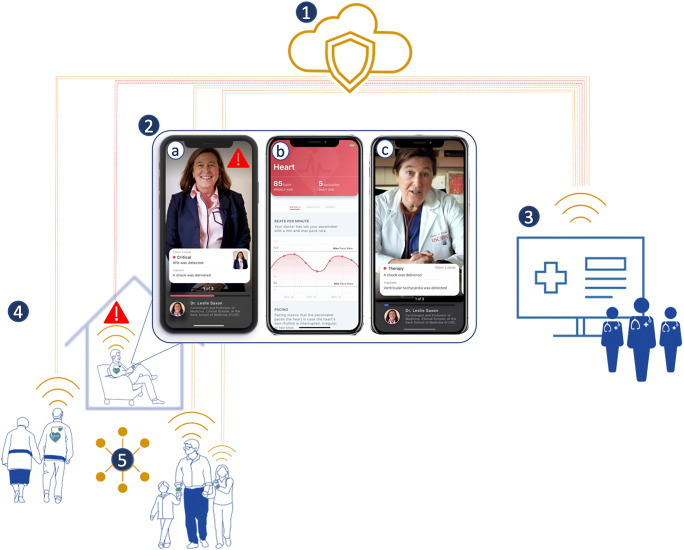
Despite the promise of remote patient monitoring (RPM), this technology remained underutilized secondary to a lack of data transparency and systems issues until the COVID-19 pandemic ushered in a new era of telehealth and virtual solutions out of necessity. This review will explore the data supporting the use of RPM via both implantable and wearable devices in the field of cardiology and the role of home monitoring using RPM in the era of COVID-19.
RPM using implantable cardiac devices is a safe alternative to in-person only visits which leads to enhanced patient satisfaction and improved clinical outcomes. Consumer-grade wearable sensors have drastically expanded RPM capabilities from just the sickest cardiac patients to the entire population aiding in early diagnosis and real-time disease management. Home monitoring enabled by automated alert systems tailored specifically to the needs of the patient by the provider will be the cornerstone of a more continuous, patent-centric healthcare model.
尽管远程患者监测 (RPM) 具有很大的应用前景,但由于缺乏数据透明度和系统问题,直到 COVID-19 大流行迫使采用远程医疗和虚拟解决方案,该技术的应用仍然有限。本综述将探讨通过植入式和可穿戴设备在心脏病学领域应用 RPM 的相关数据,以及在 COVID-19 时代使用 RPM 进行家庭监测的作用。
使用植入式心脏设备的 RPM 是替代仅当面就诊的安全方法,可提高患者满意度并改善临床结果。消费级可穿戴传感器极大地扩展了 RPM 的功能,从最病重的心脏病患者扩展到整个人群,有助于早期诊断和实时疾病管理。通过提供者专门根据患者需求定制的自动警报系统进行家庭监测,将成为更连续、以患者为中心的医疗保健模式的基石。