Wang Kevin C, Xiao Ryan, Cheung Zoe B, Barbera Joseph P, Forsh David A
Department of Orthopaedic Surgery, Icahn School of Medicine at Mount Sinai, New York, NY, 10029, USA.
J Orthop. 2020 Nov-Dec;22:584-591. doi: 10.1016/j.jor.2020.11.012. Epub 2020 Nov 17.
The aim of this systematic review and meta-analysis was to assess the risk of early mortality in hip fracture patients with COVID-19 infection who undergo surgical intervention.
MEDLINE (PubMed) and CINAHL (Cumulative Index to Nursing and Allied Health Literature) databases.
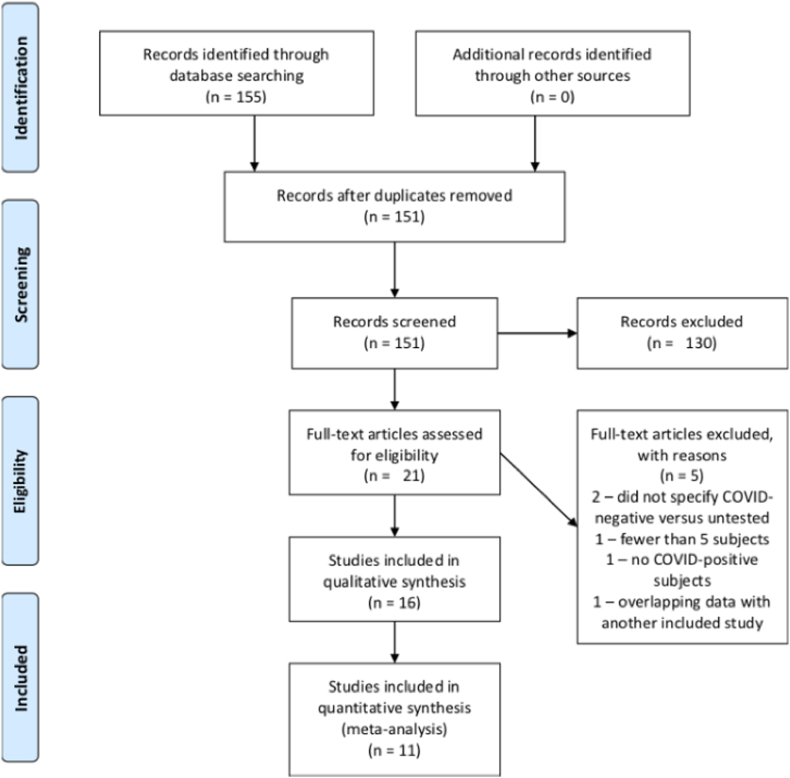
Studies were included in the systematic review if they reported postoperative mortality in patients with COVID-19 infection who underwent operative intervention for hip fracture. From this selection of studies, only investigations that reported postoperative mortality in a COVID-positive and a non-COVID group were included in the meta-analysis.
Data regarding patient demographics, age, and sex were recorded. Additional data that was extracted included study location, data collection period, length of follow-up, COVID testing methodology, COVID testing results, and number of patients who underwent operative versus nonoperative management. The primary outcome of interest was postoperative mortality.
Random effects meta-analyses were performed to assess the pooled relative risk of postoperative mortality according to COVID status. Odds ratios and 95% confidence intervals (CI) were calculated.
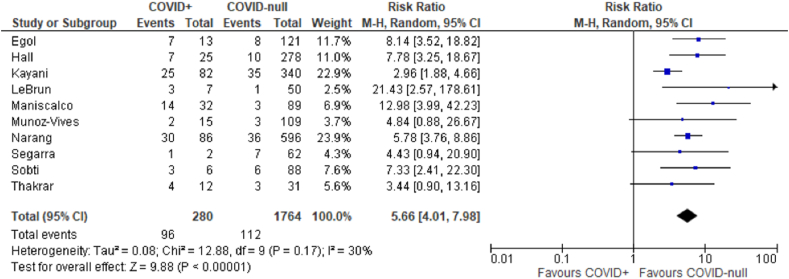
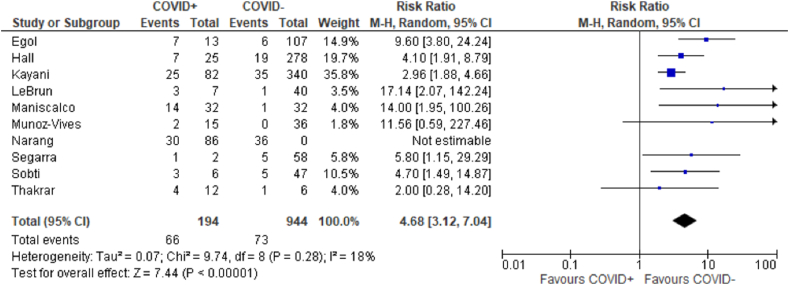
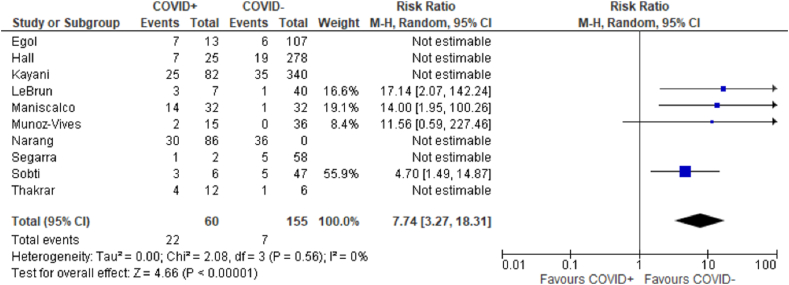
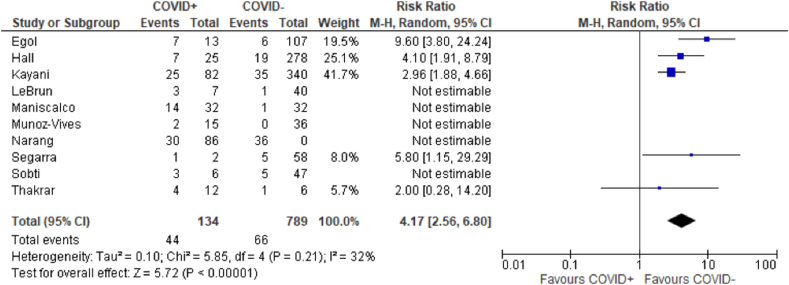
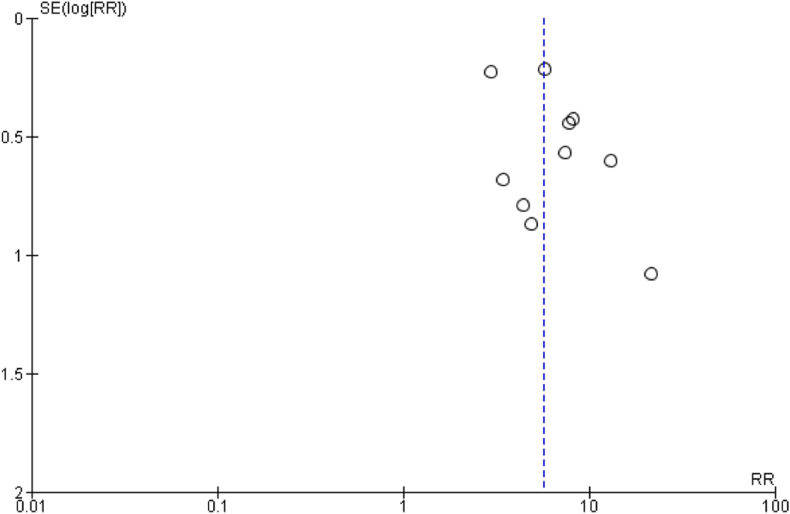
The overall pooled mortality rate in the early postoperative period for hip fracture patients with concomitant COVID-19 infection was 32.6%. The relative risk for postoperative mortality in COVID-positive patients compared to non-COVID patients was 5.66 (95% CI 4.01-7.98; p < 0.001). The currently available literature demonstrates that COVID-19 infection represents a substantial risk factor for early postoperative mortality in the already susceptible hip fracture population. Further investigations will be needed to assess longer-term morbidity and mortality in this patient population.
Therapeutic Level IV.
本系统评价和荟萃分析的目的是评估接受手术干预的新冠肺炎感染髋部骨折患者的早期死亡风险。
MEDLINE(PubMed)和CINAHL(护理学与健康相关文献累积索引)数据库。
如果研究报告了接受髋部骨折手术干预的新冠肺炎感染患者的术后死亡率,则纳入本系统评价。从这些研究中,只有报告了新冠肺炎阳性组和非新冠肺炎组术后死亡率的调查才纳入荟萃分析。
记录有关患者人口统计学、年龄和性别的数据。提取的其他数据包括研究地点、数据收集期、随访时间、新冠病毒检测方法、新冠病毒检测结果以及接受手术与非手术治疗的患者数量。感兴趣的主要结局是术后死亡率。
进行随机效应荟萃分析,以评估根据新冠病毒感染状态得出的术后死亡率合并相对风险。计算比值比和95%置信区间(CI)。
合并新冠肺炎感染的髋部骨折患者术后早期总体合并死亡率为32.6%。新冠肺炎阳性患者术后死亡的相对风险与非新冠肺炎患者相比为5.66(95%CI 4.01-7.98;p<0.001)。目前可得的文献表明,新冠肺炎感染是本已易感的髋部骨折人群术后早期死亡的一个重大风险因素。需要进一步研究来评估该患者群体的长期发病率和死亡率。
治疗性四级。