University of Coimbra, Centre for Mechanical Engineering, Materials and Processes, Department of Life Sciences, Calçada Martim de Freitas, 3000-456, Coimbra, Portugal.
Sci Rep. 2020 Nov 23;10(1):20348. doi: 10.1038/s41598-020-77447-7.
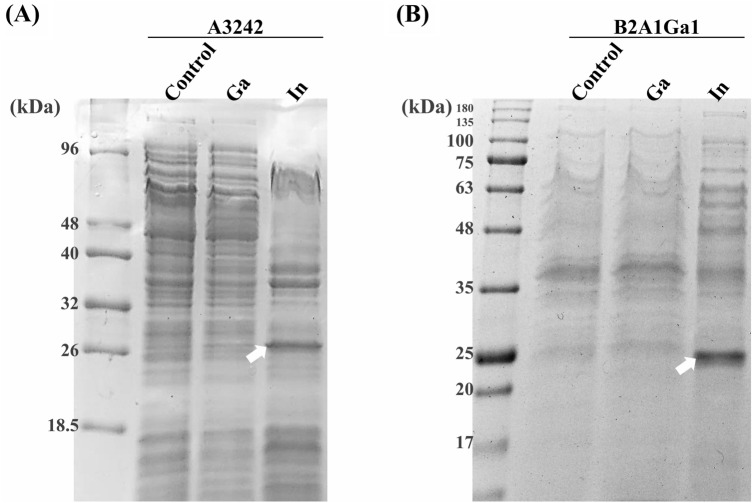
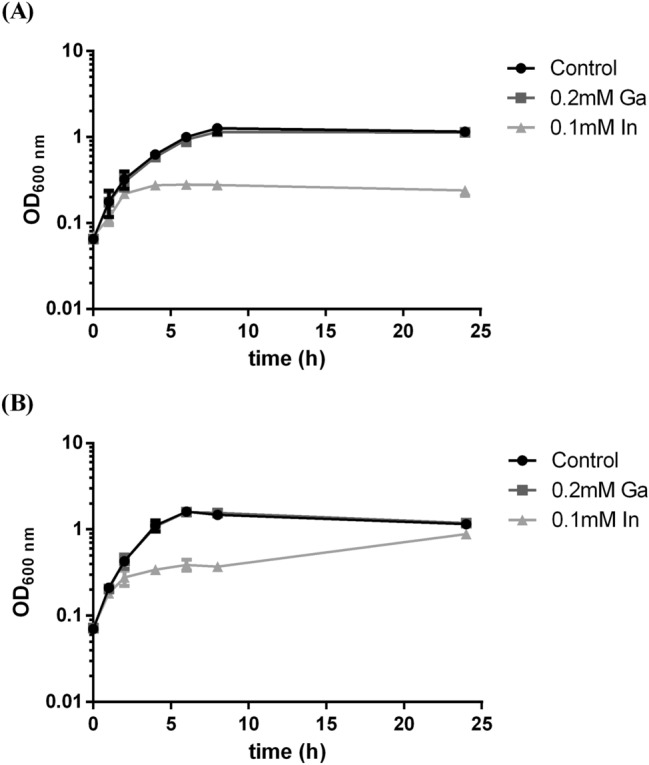
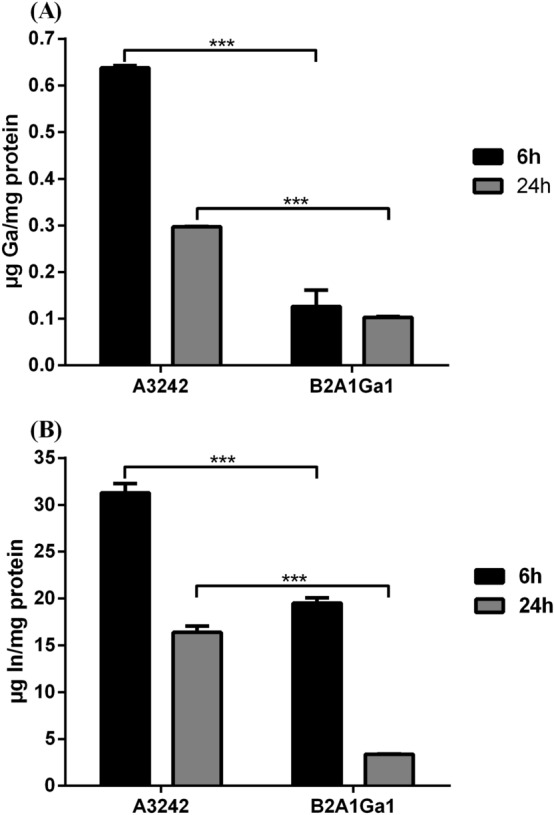
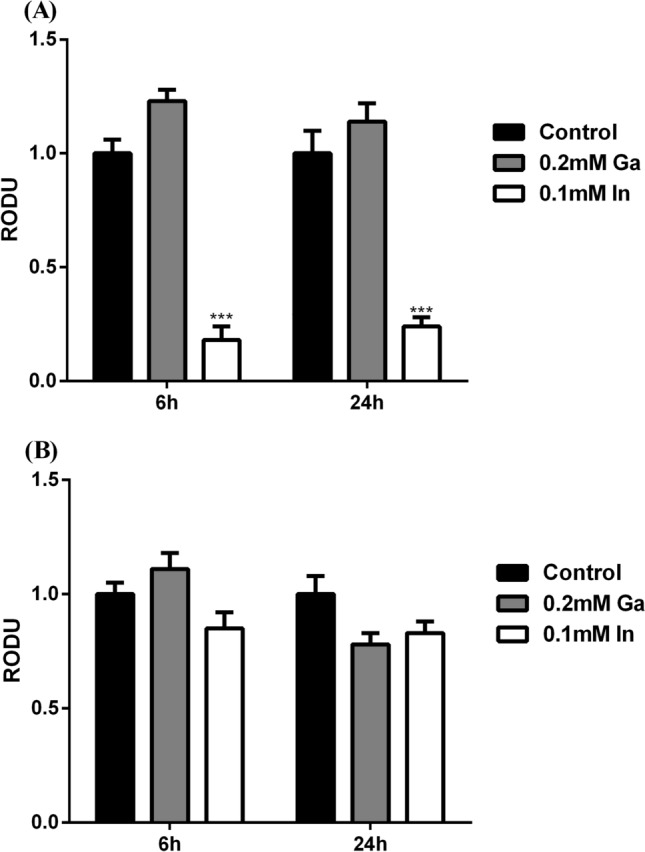
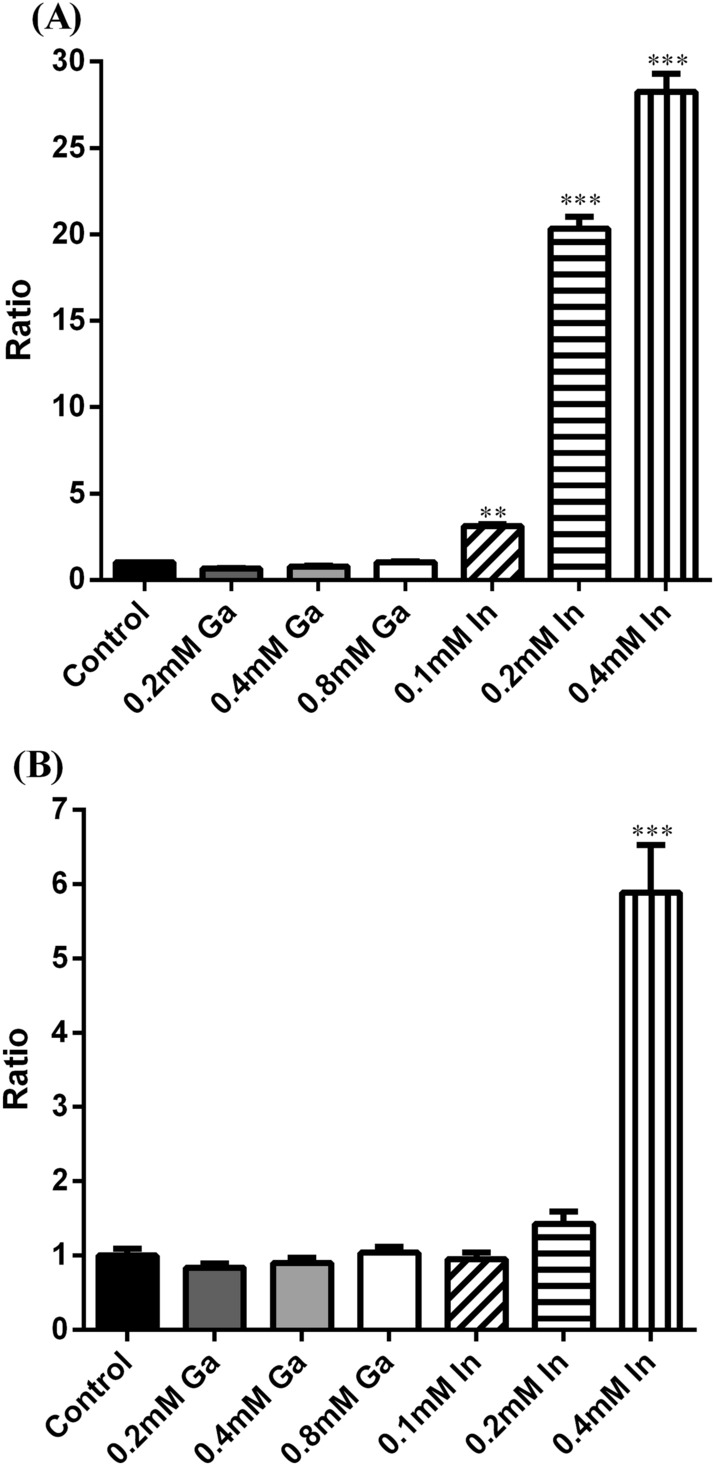
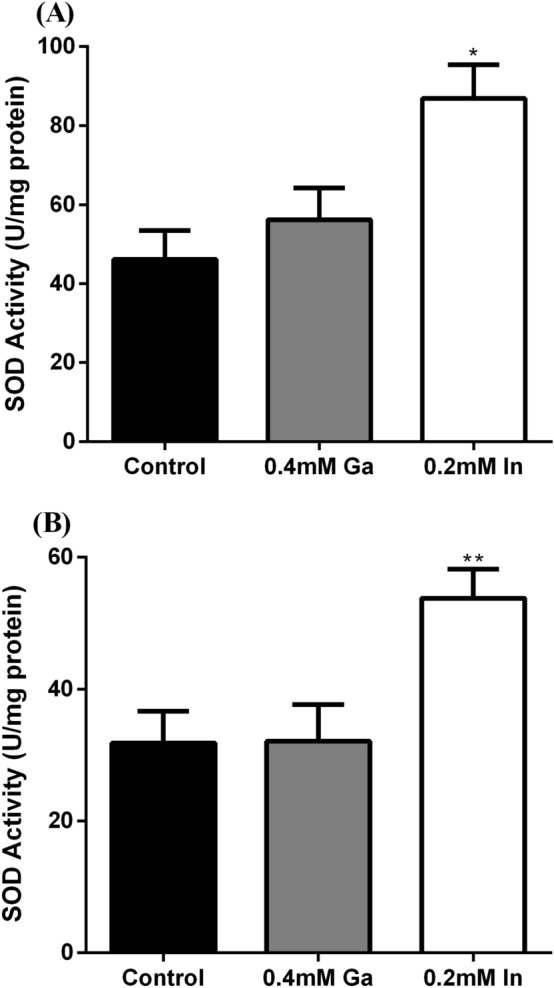
The use of microorganisms that allows the recovery of critical high-tech elements such as gallium (Ga) and indium (In) has been considered an excellent eco-strategy. In this perspective, it is relevant to understand the strategies of Ga and In resistant strains to cope with these critical metals. This study aimed to explore the effect of these metals on two Ga/In resistant strains and to scrutinize the biological processes behind the oxidative stress in response to exposure to these critical metals. Two strains of Serratia fonticola, A3242 and B2A1Ga1, with high resistance to Ga and In, were submitted to metal stress and their protein profiles showed an overexpressed Superoxide Dismutase (SOD) in presence of In. Results of inhibitor-protein native gel incubations identified the overexpressed enzyme as a Fe-SOD. Both strains exhibited a huge increase of oxidative stress when exposed to indium, visible by an extreme high amount of reactive oxygen species (ROS) production. The toxicity induced by indium triggered biological mechanisms of stress control namely, the decrease in reduced glutathione/total glutathione levels and an increase in the SOD activity. The effect of gallium in cells was not so boisterous, visible only by the decrease of reduced glutathione levels. Analysis of the cellular metabolic viability revealed that each strain was affected differently by the critical metals, which could be related to the distinct metal uptakes. Strain A3242 accumulated more Ga and In in comparison to strain B2A1Ga1, and showed lower metabolic activity. Understanding the biological response of the two metal resistant strains of S. fonticola to stress induced by Ga and In will tackle the current gap of information related with bacteria-critical metals interactions.
利用微生物回收关键的高科技元素,如镓(Ga)和铟(In),已被认为是一种极好的生态策略。从这个角度来看,了解 Ga 和 In 抗性菌株应对这些关键金属的策略是很重要的。本研究旨在探索这些金属对两种 Ga/In 抗性菌株的影响,并深入研究应对这些关键金属时氧化应激背后的生物学过程。两种高抗 Ga 和 In 的粘质沙雷氏菌(Serratia fonticola)菌株 A3242 和 B2A1Ga1 受到金属胁迫,其蛋白质图谱显示在铟存在下超氧化物歧化酶(SOD)过度表达。抑制剂-蛋白质天然凝胶孵育的结果表明,过度表达的酶是一种 Fe-SOD。当暴露于铟时,两种菌株都表现出巨大的氧化应激增加,通过产生极高水平的活性氧(ROS)可见一斑。铟诱导的毒性引发了应激控制的生物学机制,即降低还原型谷胱甘肽/总谷胱甘肽水平和增加 SOD 活性。Ga 对细胞的影响并不那么强烈,只有在还原型谷胱甘肽水平降低时才可见。细胞代谢活力分析表明,每种菌株对关键金属的影响不同,这可能与不同的金属摄取有关。与 B2A1Ga1 相比,菌株 A3242 积累了更多的 Ga 和 In,并且表现出较低的代谢活性。了解两种耐金属的粘质沙雷氏菌 S. fonticola 菌株对 Ga 和 In 诱导的应激的生物学反应,将解决当前与细菌-关键金属相互作用相关的信息差距。