Department of Liver Transplantation, 70566The Second Xiangya Hospital, Central South University, Changsha, China.
Department of General Surgery, 70566The Second Xiangya Hospital, Central South University, Changsha, China.
Technol Cancer Res Treat. 2020 Jan-Dec;19:1533033820971676. doi: 10.1177/1533033820971676.
Extrahepatic cholangiocarcinoma (EHCC) is a highly aggressive epithelial malignancy and has a poor prognosis for the insensitivity to therapies and difficulty in detection. Novel targets and biomarkers are urgently needed to develop for functional, diagnostic and prognostic application on EHCC.
Immunohistochemical staining technique using the EnVision antibody complex was performed on the samples obtained from 100 EHCC, 30 peritumoral extrahepatic biliary tract (EHBT), 10 EHBT adenomas and 15 normal EHBT tissues.
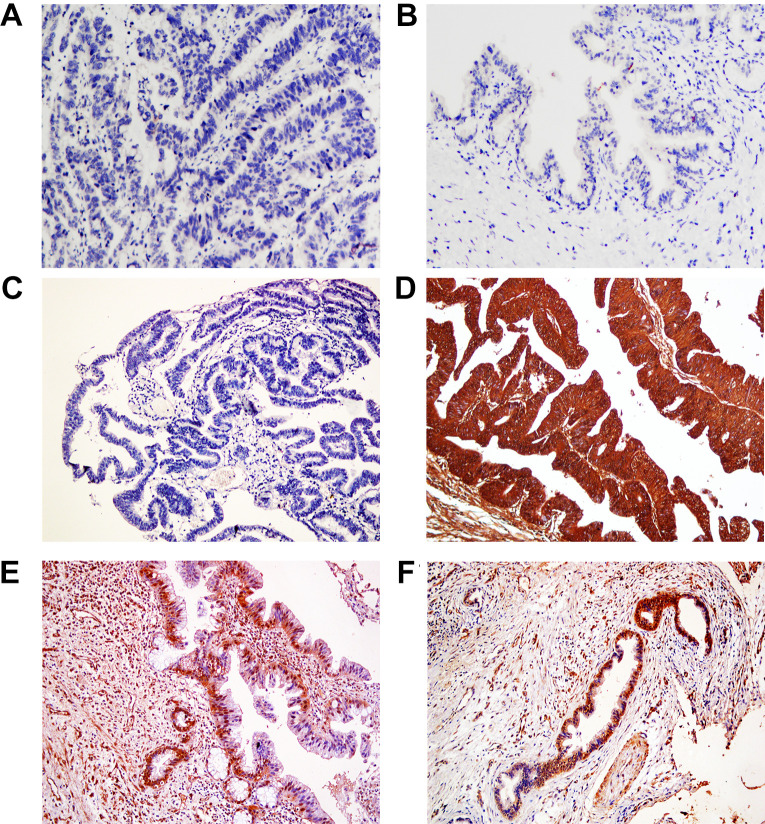
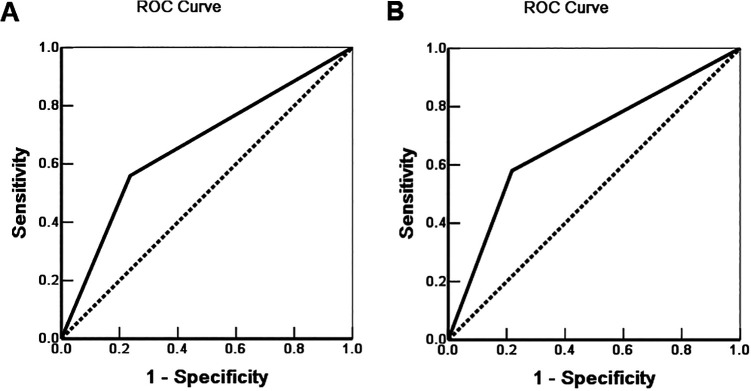
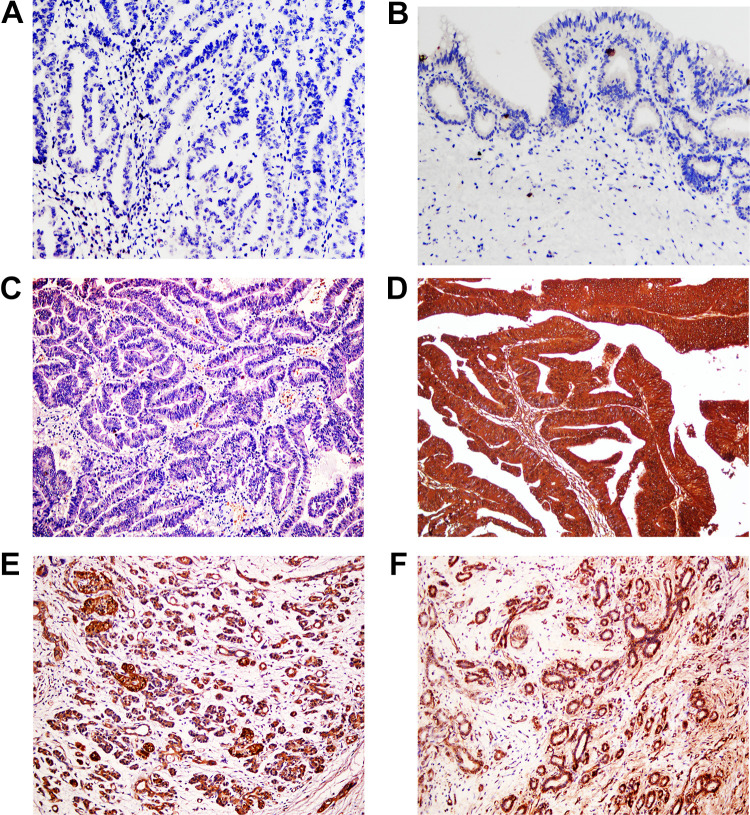
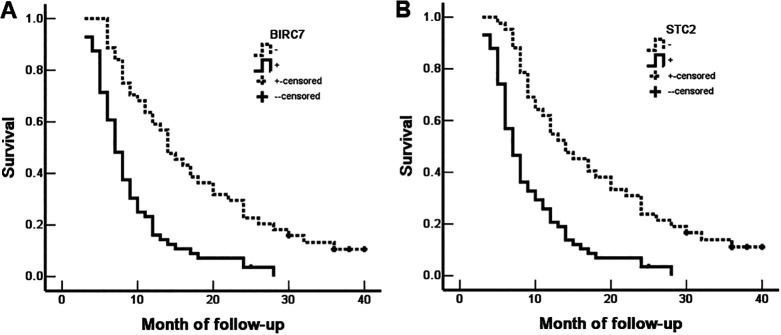
The positive rates of BIRC7 and STC2 expression in tissues obtained from peritumoral EHBT, EHBT adenomas and normal EHBT were significantly lower than those in EHCC tissues. BIRC7 and STC2 proteins were expressed at significantly higher levels in patients with lymph node metastasis, invasion of adjacent tissues, and higher TNM stage (III and/or IV) and unable to undergo resection (biopsy only). Kaplan-Meier survival curves indicated that significantly decreased overall survival rate in patients with positive-BIRC7 or positive-STC2 expression compared with patients of negative-BIRC7 or negative-STC2 expression, respectively. Cox-proportional regression analysis demonstrated that positive-BIRC7 and positive-STC2 expression, along with poor differentiation of EHCC, tumor size >3 cm, lymph node metastasis, invasion of adjacent tissues and unable to undergo resection are independent prognostic factors of EHCC patients.
The levels of BIRC7 and STC2 expression were correlated with clinicopathological characteristics of EHCC, and positive expression of BIRC7 and STC2 are associated with progression and poor clinical outcomes of EHCC. BIRC7 and STC2 might be a potential biomarker for EHCC in clinic.
肝外胆管癌(EHCC)是一种高度侵袭性上皮恶性肿瘤,对治疗不敏感,且难以检测,因此迫切需要新的靶点和生物标志物用于 EHCC 的功能、诊断和预后应用。
采用 EnVision 抗体复合物免疫组织化学染色技术对 100 例 EHCC、30 例癌旁肝外胆管(EHBT)、10 例 EHBT 腺瘤和 15 例正常 EHBT 组织的样本进行检测。
癌旁 EHBT、EHBT 腺瘤和正常 EHBT 组织中 BIRC7 和 STC2 表达的阳性率明显低于 EHCC 组织。有淋巴结转移、侵犯邻近组织、TNM 分期较高(III 期和/或 IV 期)和不能切除(仅活检)的患者 BIRC7 和 STC2 蛋白表达水平明显升高。Kaplan-Meier 生存曲线表明,BIRC7 或 STC2 阳性表达患者的总生存率明显低于 BIRC7 或 STC2 阴性表达患者。Cox 比例风险回归分析表明,BIRC7 和 STC2 阳性表达、EHCC 分化差、肿瘤直径>3cm、淋巴结转移、侵犯邻近组织和不能切除是 EHCC 患者的独立预后因素。
BIRC7 和 STC2 的表达水平与 EHCC 的临床病理特征相关,BIRC7 和 STC2 的阳性表达与 EHCC 的进展和不良临床结局相关。BIRC7 和 STC2 可能是 EHCC 临床潜在的生物标志物。