Institute for Medical Informatics, Biometry and Epidemiology - IBE and Pettenkofer School of Public Health, LMU Munich, Munich, Bavaria, Germany
Global Issues Division, German Institute for International and Security Affairs, Berlin, Germany.
BMJ Glob Health. 2020 Nov;5(11). doi: 10.1136/bmjgh-2020-003699.
Public health decision-making requires the balancing of numerous, often conflicting factors. However, participatory, evidence-informed decision-making processes to identify and weigh these factors are often not possible- especially, in the context of the SARS-CoV-2 pandemic. While evidence-to-decision frameworks are not able or intended to replace stakeholder participation, they can serve as a tool to approach relevancy and comprehensiveness of the criteria considered.
To develop a decision-making framework adapted to the challenges of decision-making on non-pharmacological interventions to contain the global SARS-CoV-2 pandemic.
We employed the 'best fit' framework synthesis technique and used the WHO-INTEGRATE framework as a starting point. First, we adapted the framework through brainstorming exercises and application to case studies. Next, we conducted a content analysis of comprehensive strategy documents intended to guide policymakers on the phasing out of applied lockdown measures in Germany. Based on factors and criteria identified in this process, we developed the WICID (HO-NTEGRATE OV-19) framework version 1.0.
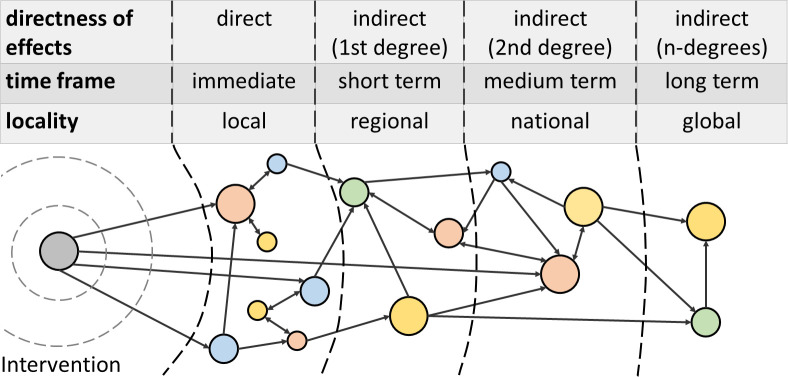
Twelve comprehensive strategy documents were analysed. The revised framework consists of 11+1 criteria, supported by 48 aspects, and embraces a complex systems perspective. The criteria cover implications for the health of individuals and populations due to and beyond COVID-19, infringement on liberties and fundamental human rights, acceptability and equity considerations, societal, environmental and economic implications, as well as implementation, resource and feasibility considerations.
The proposed framework will be expanded through a comprehensive document analysis focusing on key stakeholder groups across the society. The WICID framework can be a tool to support comprehensive evidence-informed decision-making processes.
公共卫生决策需要权衡众多因素,这些因素往往相互冲突。然而,在 SARS-CoV-2 大流行的背景下,通常不可能进行参与式、以证据为基础的决策过程来确定和权衡这些因素。虽然证据决策框架不能也无意取代利益相关者的参与,但它们可以作为一种工具,用于确定所考虑标准的相关性和全面性。
制定一个决策框架,以适应控制全球 SARS-CoV-2 大流行的非药物干预决策的挑战。
我们采用了“最佳契合度”框架综合技术,并以世界卫生组织的 INTEGRATE 框架为起点。首先,我们通过头脑风暴和应用案例研究来调整框架。接下来,我们对旨在指导德国决策者逐步取消已实施的封锁措施的综合战略文件进行了内容分析。基于这个过程中确定的因素和标准,我们开发了 WICID(HO-NTEGRATE OV-19)框架 1.0 版本。
分析了 12 份综合战略文件。修订后的框架由 11 个加上 1 个标准组成,由 48 个方面提供支持,并包含复杂系统的观点。这些标准涵盖了 COVID-19 以外和之外对个人和人群健康的影响、对自由和基本人权的侵犯、可接受性和公平性考虑、社会、环境和经济影响,以及实施、资源和可行性考虑。
拟议的框架将通过对整个社会关键利益相关群体的综合文件分析进行扩展。WICID 框架可以作为支持全面循证决策过程的工具。