Cooke Ira, Ying Hua, Forêt Sylvain, Bongaerts Pim, Strugnell Jan M, Simakov Oleg, Zhang Jia, Field Matt A, Rodriguez-Lanetty Mauricio, Bell Sara C, Bourne David G, van Oppen Madeleine Jh, Ragan Mark A, Miller David J
College of Public Health, Medical and Veterinary Sciences, James Cook University, Townsville, Queensland, Australia.
Centre for Tropical Bioinformatics and Molecular Biology, James Cook University, Townsville, Queensland, Australia.
Sci Adv. 2020 Nov 27;6(48). doi: 10.1126/sciadv.abc6318. Print 2020 Nov.
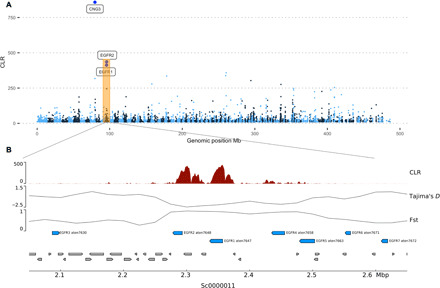
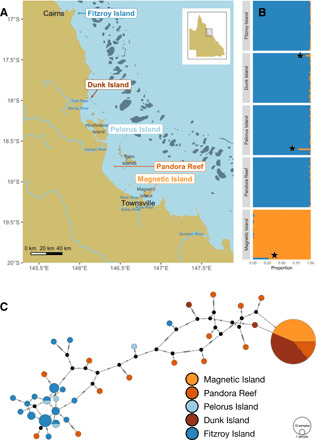
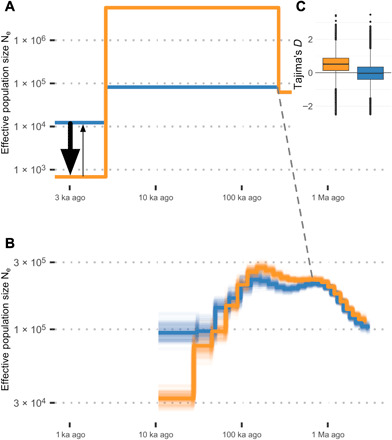
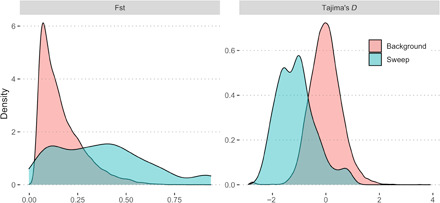
Genetic signatures caused by demographic and adaptive processes during past climatic shifts can inform predictions of species' responses to anthropogenic climate change. To identify these signatures in , a reef-building coral threatened by global warming, we first assembled the genome from long reads and then used shallow whole-genome resequencing of 150 colonies from the central inshore Great Barrier Reef to inform population genomic analyses. We identify population structure in the host that reflects a Pleistocene split, whereas photosymbiont differences between reefs most likely reflect contemporary (Holocene) conditions. Signatures of selection in the host were associated with genes linked to diverse processes including osmotic regulation, skeletal development, and the establishment and maintenance of symbiosis. Our results suggest that adaptation to post-glacial climate change in has involved selection on many genes, while differences in symbiont specificity between reefs appear to be unrelated to host population structure.
过去气候转变期间由人口统计学和适应性过程所导致的遗传特征,能够为预测物种对人为气候变化的反应提供依据。为了在鹿角杯形珊瑚(一种受全球变暖威胁的造礁珊瑚)中识别这些特征,我们首先从长读长序列组装了基因组,然后对来自大堡礁中部近岸的150个珊瑚群落进行浅层全基因组重测序,以推进群体基因组分析。我们识别出宿主中的种群结构反映了更新世的分化,而不同珊瑚礁之间的光合共生体差异很可能反映了当代(全新世)的状况。宿主中的选择特征与多种过程相关的基因有关,这些过程包括渗透调节、骨骼发育以及共生关系的建立和维持。我们的结果表明,鹿角杯形珊瑚对冰后期气候变化的适应涉及对许多基因的选择,而不同珊瑚礁之间共生体特异性的差异似乎与宿主种群结构无关。