Department Tissue Engineering and Regenerative Medicine, University Hospital Würzburg, Würzburg, Germany.
Translational Center Regenerative Therapies, Fraunhofer Institute for Silicate Research, Würzburg, Germany.
PLoS One. 2020 Nov 30;15(11):e0242615. doi: 10.1371/journal.pone.0242615. eCollection 2020.
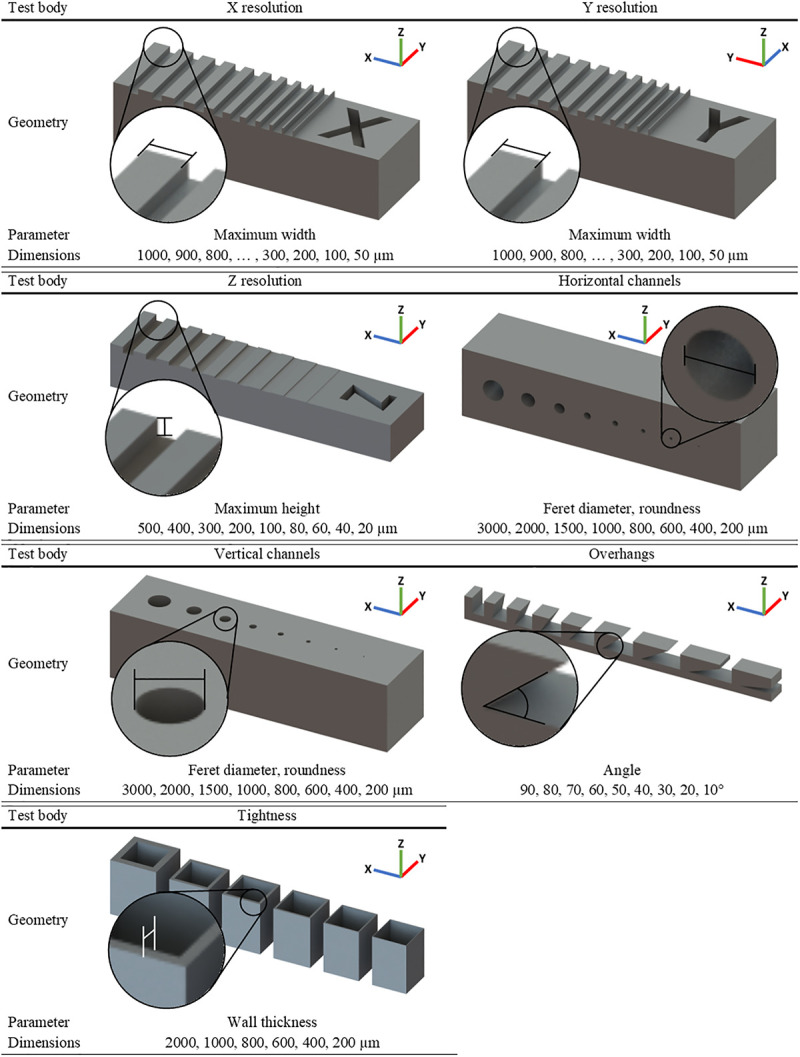
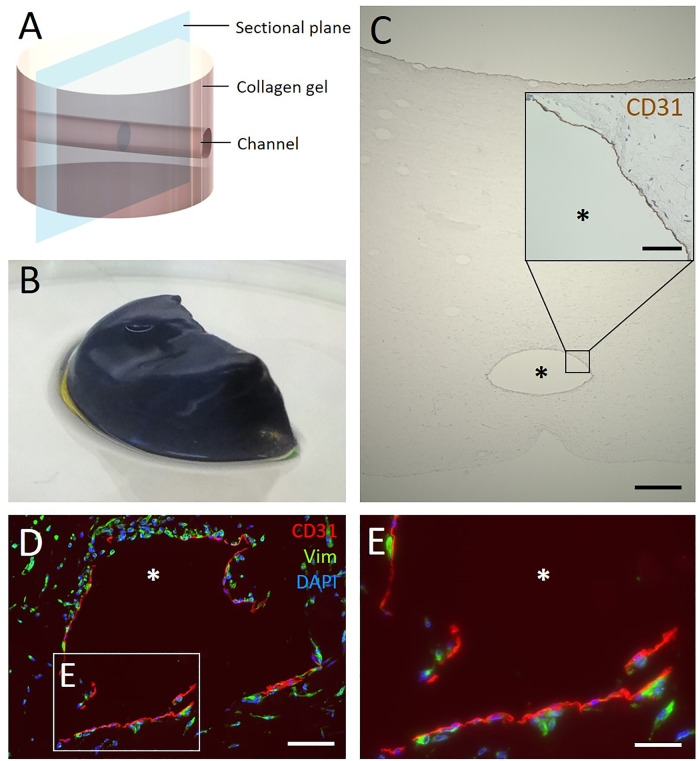
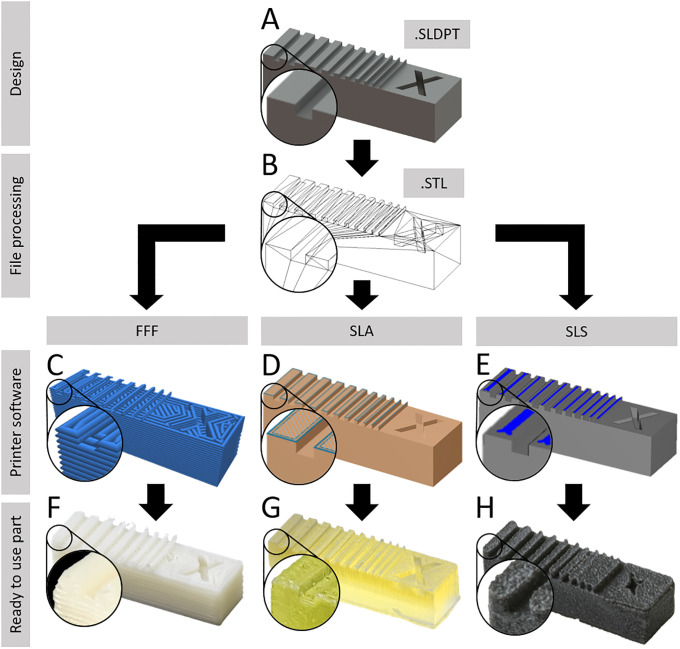
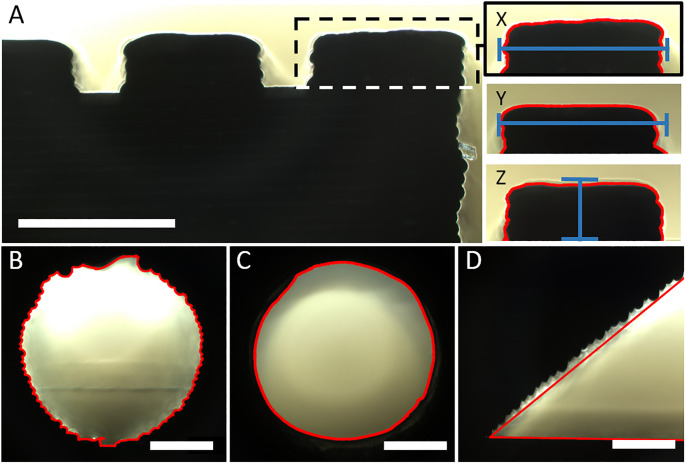
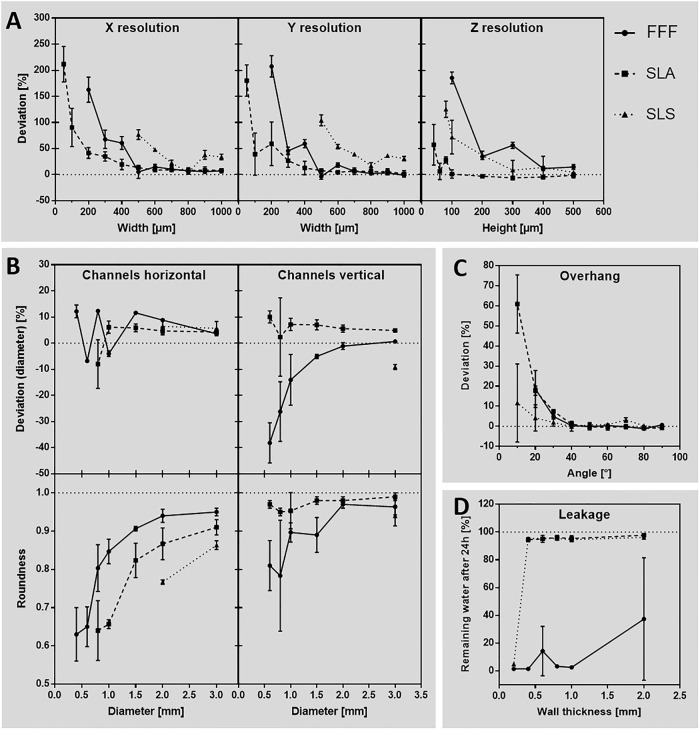
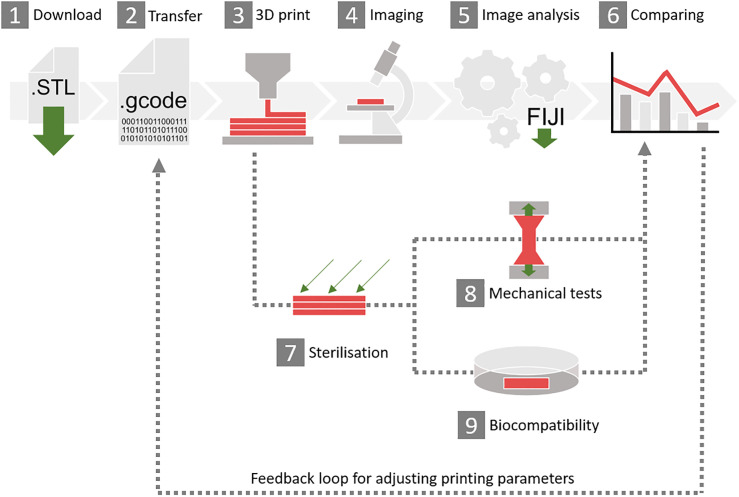
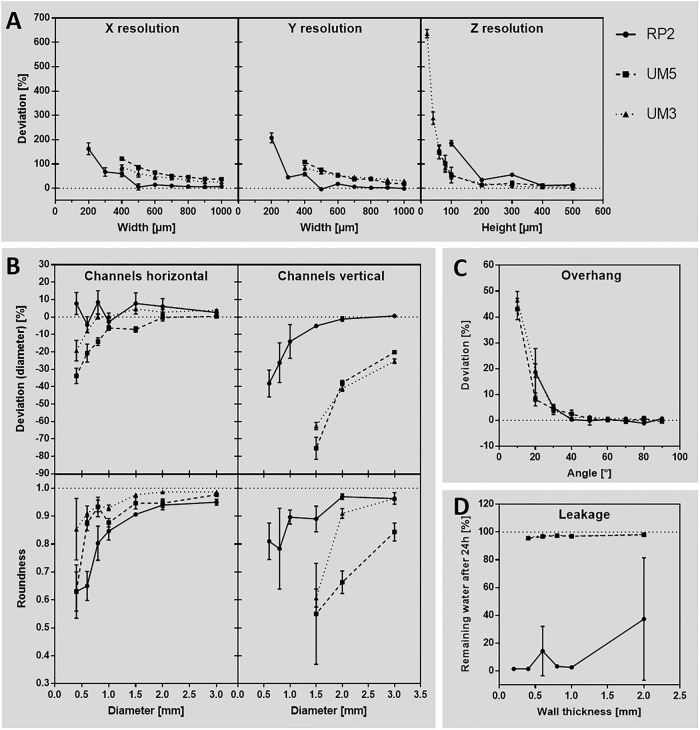
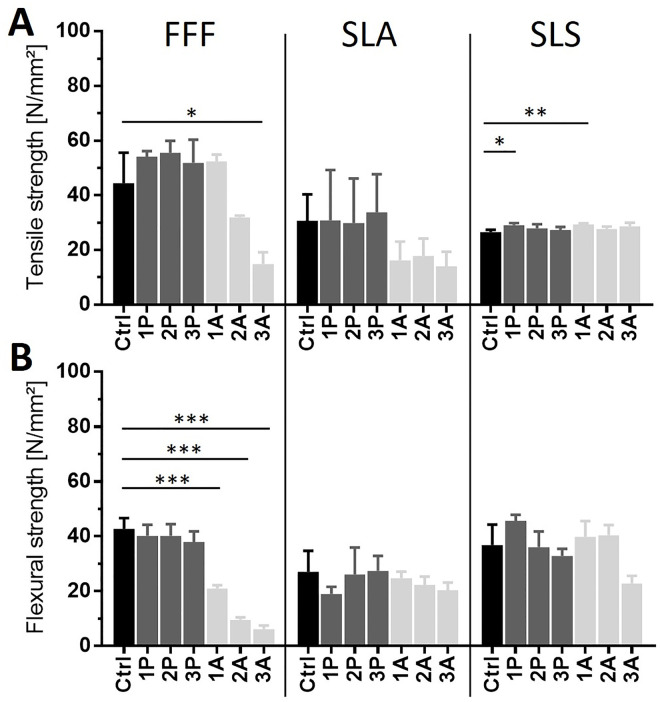
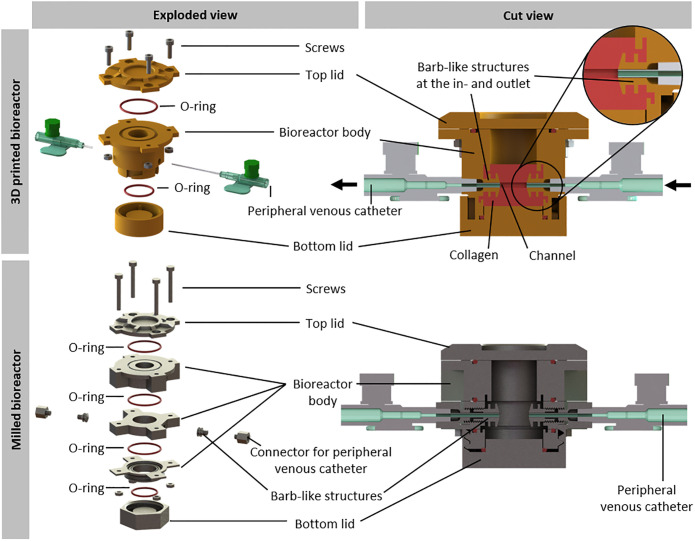
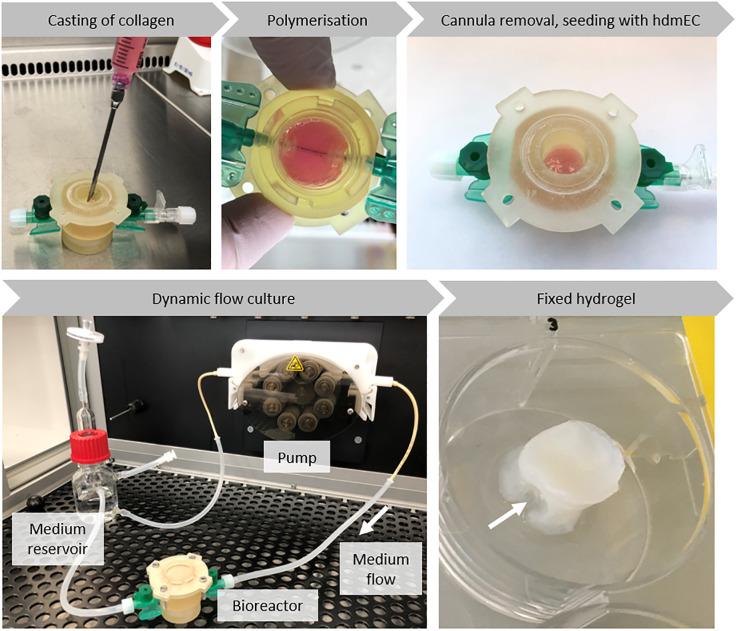
3D printing is a rapidly evolving field for biological (bioprinting) and non-biological applications. Due to a high degree of freedom for geometrical parameters in 3D printing, prototype printing of bioreactors is a promising approach in the field of Tissue Engineering. The variety of printers, materials, printing parameters and device settings is difficult to overview both for beginners as well as for most professionals. In order to address this problem, we designed a guidance including test bodies to elucidate the real printing performance for a given printer system. Therefore, performance parameters such as accuracy or mechanical stability of the test bodies are systematically analysed. Moreover, post processing steps such as sterilisation or cleaning are considered in the test procedure. The guidance presented here is also applicable to optimise the printer settings for a given printer device. As proof of concept, we compared fused filament fabrication, stereolithography and selective laser sintering as the three most used printing methods. We determined fused filament fabrication printing as the most economical solution, while stereolithography is most accurate and features the highest surface quality. Finally, we tested the applicability of our guidance by identifying a printer solution to manufacture a complex bioreactor for a perfused tissue construct. Due to its design, the manufacture via subtractive mechanical methods would be 21-fold more expensive than additive manufacturing and therefore, would result in three times the number of parts to be assembled subsequently. Using this bioreactor we showed a successful 14-day-culture of a biofabricated collagen-based tissue construct containing human dermal fibroblasts as the stromal part and a perfusable central channel with human microvascular endothelial cells. Our study indicates how the full potential of biofabrication can be exploited, as most printed tissues exhibit individual shapes and require storage under physiological conditions, after the bioprinting process.
3D 打印在生物(生物打印)和非生物应用领域是一个快速发展的领域。由于 3D 打印在几何参数方面具有高度的自由度,因此原型打印生物反应器是组织工程领域很有前途的方法。打印机、材料、打印参数和设备设置的种类繁多,对于初学者和大多数专业人士来说都难以全面了解。为了解决这个问题,我们设计了一个指南,其中包括测试体,以阐明给定打印机系统的实际打印性能。因此,系统地分析了测试体的准确性或机械稳定性等性能参数。此外,测试过程中还考虑了诸如灭菌或清洁等后处理步骤。这里介绍的指南也可用于优化给定打印机设备的打印机设置。作为概念验证,我们比较了熔融沉积成型、立体光固化和选择性激光烧结这三种最常用的打印方法。我们确定熔融沉积成型打印是最经济的解决方案,而立体光固化则是最准确的,具有最高的表面质量。最后,我们通过确定制造灌注组织构建体的复杂生物反应器的打印机解决方案来测试我们指南的适用性。由于其设计,通过减法机械方法制造将比增材制造贵 21 倍,因此随后需要组装的零件数量将增加三倍。使用这种生物反应器,我们成功地培养了含有人类真皮成纤维细胞作为基质部分和可灌注中央通道的生物制造胶原基组织构建体 14 天。我们的研究表明了如何充分利用生物制造的潜力,因为大多数打印组织都具有独特的形状,并且需要在生物打印过程后在生理条件下储存。