Segarra A B, Prieto I, Martínez-Cañamero M, Ramírez-Sánchez Manuel
Department of Health Sciences, University of Jaén, Jaén, Spain.
AIMS Neurosci. 2020 Sep 28;7(4):360-372. doi: 10.3934/Neuroscience.2020022. eCollection 2020.
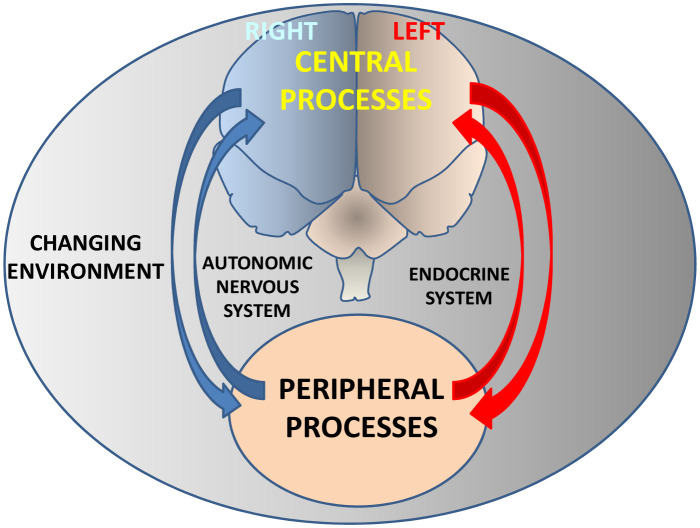
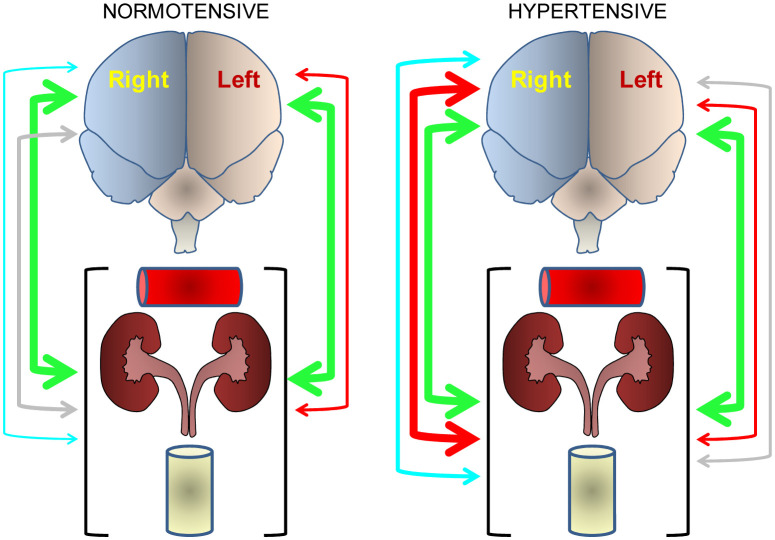
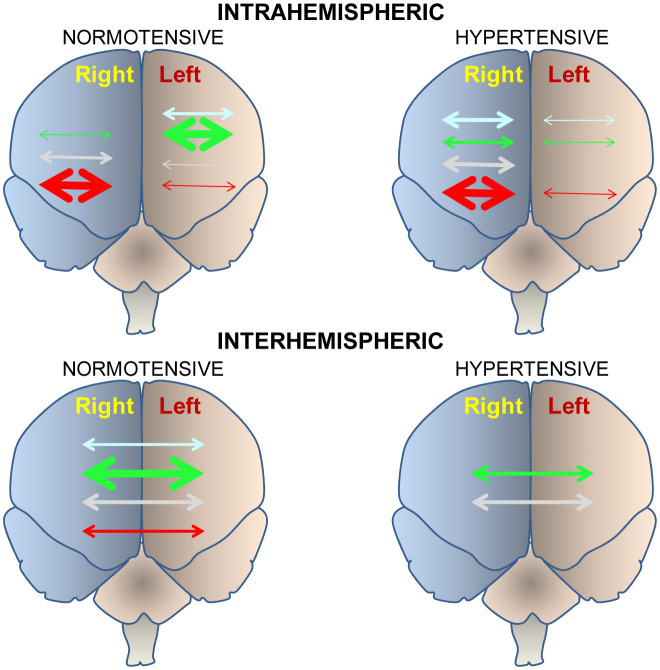
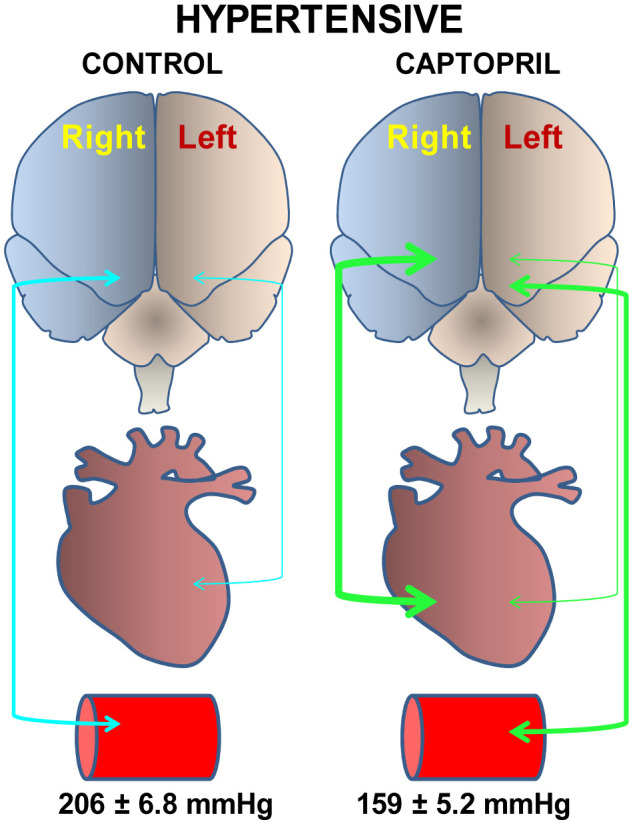
Although at present depression is one of the most disabling disorders in our social environment, the understanding of its pathogenesis and the resources for its treatment are still unsatisfactory. The importance of brain asymmetry in the pathogenesis of disorders in brain function, including mood disorders such as depression, is a highly unexplored, sometimes underrated, and even ignored topic. It is important to note that the basal and pathological functional lateralization must have an underlying neurochemical substrate. It is also necessary to indicate that the brain asymmetry extends to a neurovisceral integration whose behavior may also be lateralized. One of the most studied axis from the functional point of view is the brain-heart connection, in whose operation there are observations that suggest an asymmetric behavior in basal conditions that is modified by central and peripheral changes, as well as by pharmacological treatments. There are evidences that connect cardiovascular function, neurochemical asymmetries, and depression. A deep understanding of the bilateral behavior of the brain following pathophysiological changes in blood pressure as well as pharmacologically induced, can provide us with therapeutic suggestions for the treatment of depression. In this article, we analyze remarkable results of some representative selected contributions, with which we discuss our proposal on the relationship between hypertension, depression and neurochemical asymmetry.
尽管目前抑郁症是我们社会环境中最具致残性的疾病之一,但对其发病机制的理解以及治疗资源仍不尽人意。脑不对称性在包括抑郁症等情绪障碍在内的脑功能障碍发病机制中的重要性,是一个高度未被探索、有时被低估甚至被忽视的话题。需要注意的是,基础和病理性功能偏侧化必定有潜在的神经化学底物。还需要指出的是,脑不对称性延伸至神经内脏整合,其行为也可能是偏侧化的。从功能角度研究最多的轴之一是脑-心连接,在其运作中,有观察结果表明基础状态下存在不对称行为,这种行为会因中枢和外周变化以及药物治疗而改变。有证据将心血管功能、神经化学不对称性和抑郁症联系起来。深入了解血压病理生理变化以及药物诱导后脑的双侧行为,可为我们提供抑郁症治疗的建议。在本文中,我们分析了一些代表性精选研究的显著成果,并据此讨论我们关于高血压、抑郁症和神经化学不对称性之间关系的提议。