Cushman Samuel A
Rocky Mountain Research Station, US Forest Service, 2500 S Pine Knoll Dr., Flagstaff, AZ 86001, USA.
Entropy (Basel). 2018 Apr 19;20(4):298. doi: 10.3390/e20040298.
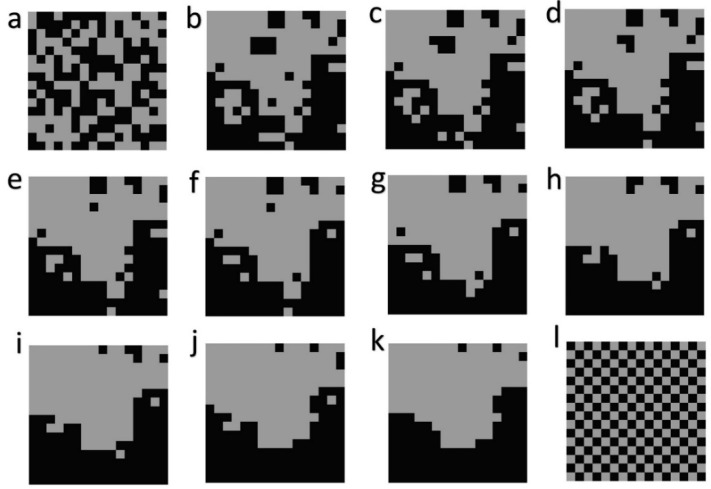
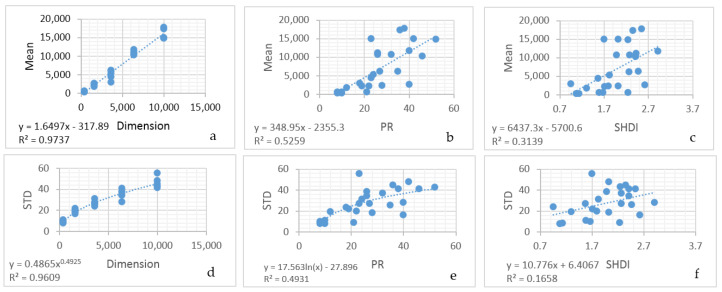
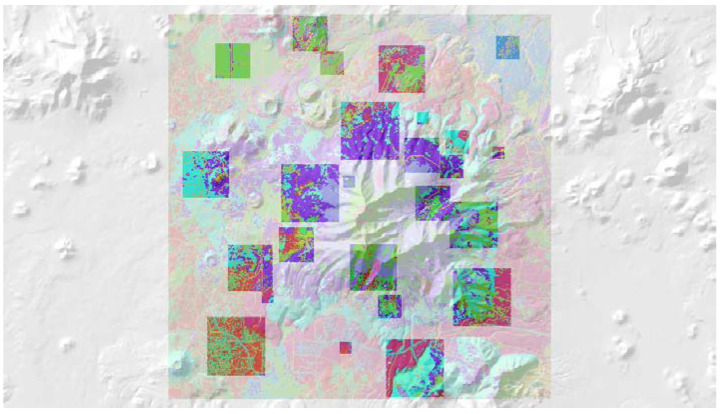
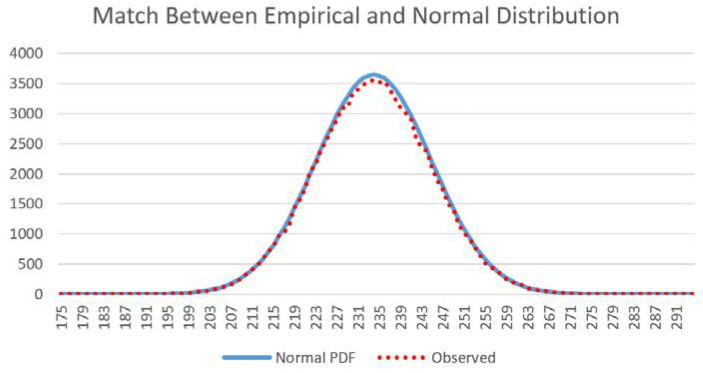
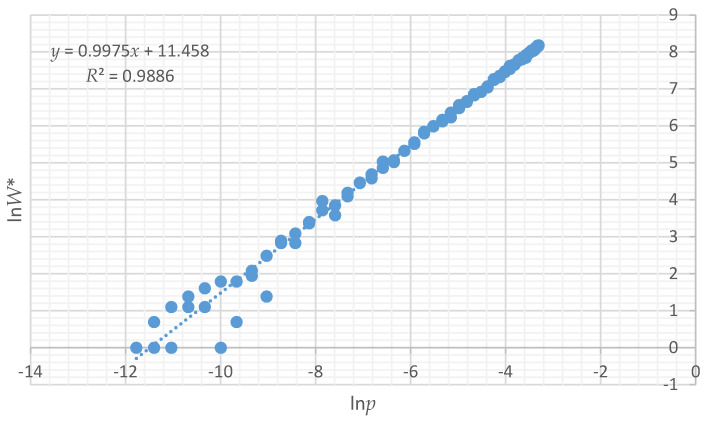
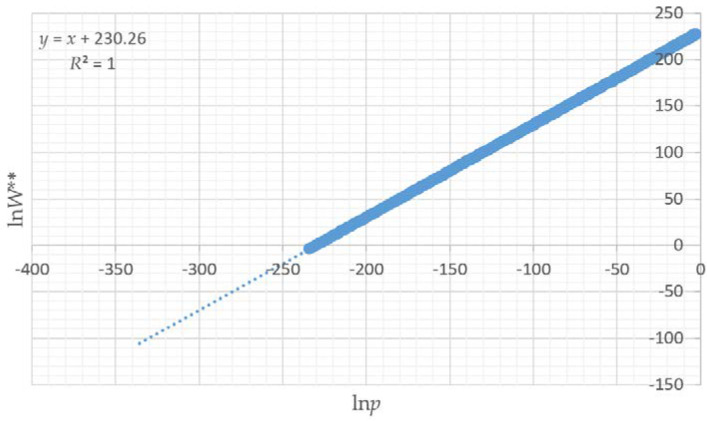
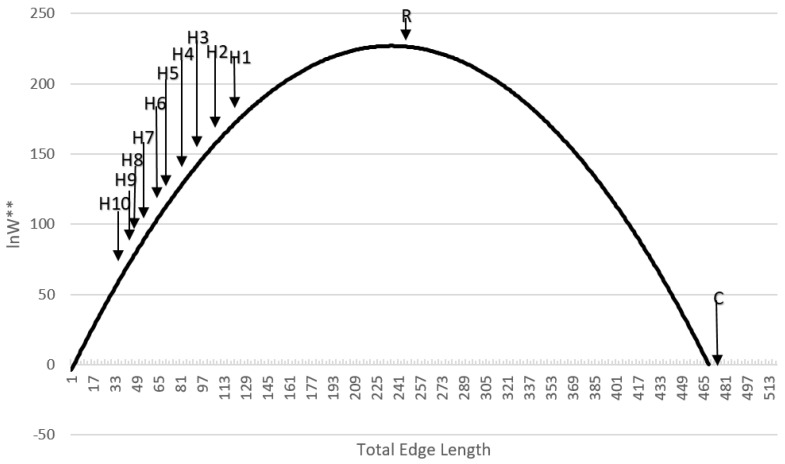
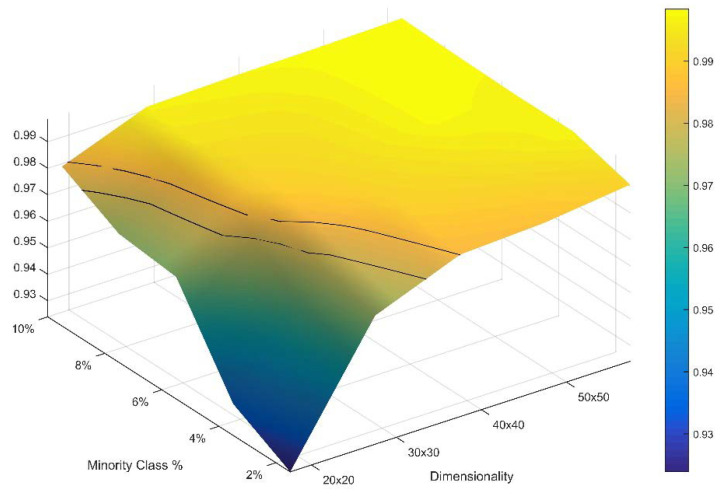
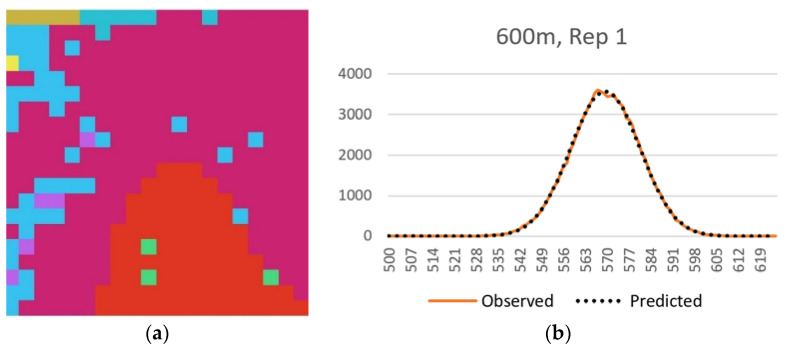
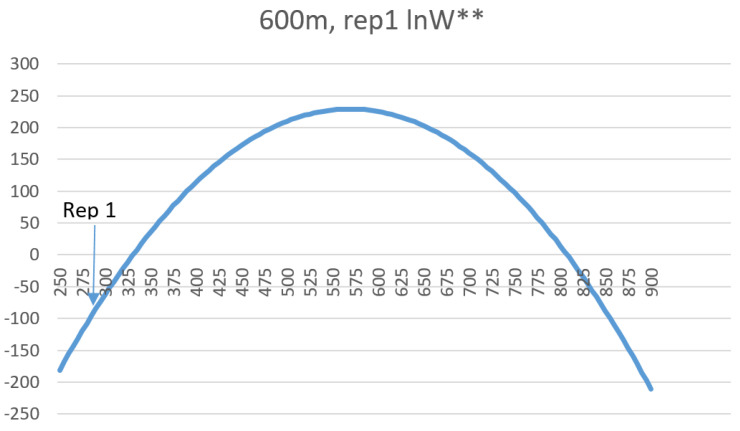
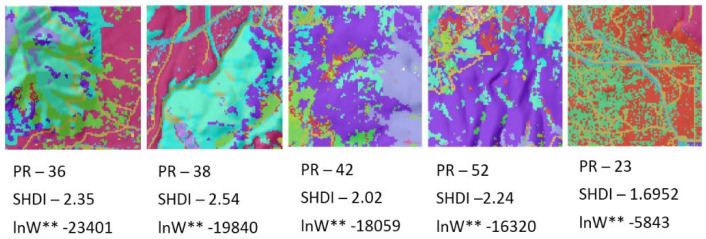
Entropy and the second law of thermodynamics are fundamental concepts that underlie all natural processes and patterns. Recent research has shown how the entropy of a landscape mosaic can be calculated using the Boltzmann equation, with the entropy of a lattice mosaic equal to the logarithm of the number of ways a lattice with a given dimensionality and number of classes can be arranged to produce the same total amount of edge between cells of different classes. However, that work seemed to also suggest that the feasibility of applying this method to real landscapes was limited due to intractably large numbers of possible arrangements of raster cells in large landscapes. Here I extend that work by showing that: (1) the proportion of arrangements rather than the number with a given amount of edge length provides a means to calculate unbiased relative configurational entropy, obviating the need to compute all possible configurations of a landscape lattice; (2) the edge lengths of randomized landscape mosaics are normally distributed, following the central limit theorem; and (3) given this normal distribution it is possible to fit parametric probability density functions to estimate the expected proportion of randomized configurations that have any given edge length, enabling the calculation of configurational entropy on any landscape regardless of size or number of classes. I evaluate the boundary limits (4) for this normal approximation for small landscapes with a small proportion of a minority class and show it holds under all realistic landscape conditions. I further (5) demonstrate that this relationship holds for a sample of real landscapes that vary in size, patch richness, and evenness of area in each cover type, and (6) I show that the mean and standard deviation of the normally distributed edge lengths can be predicted nearly perfectly as a function of the size, patch richness and diversity of a landscape. Finally, (7) I show that the configurational entropy of a landscape is highly related to the dimensionality of the landscape, the number of cover classes, the evenness of landscape composition across classes, and landscape heterogeneity. These advances provide a means for researchers to directly estimate the frequency distribution of all possible macrostates of any observed landscape, and then directly calculate the relative configurational entropy of the observed macrostate, and to understand the ecological meaning of different amounts of configurational entropy. These advances enable scientists to take configurational entropy from a concept to an applied tool to measure and compare the disorder of real landscapes with an objective and unbiased measure based on entropy and the second law.
熵和热力学第二定律是所有自然过程和模式背后的基本概念。最近的研究表明,如何使用玻尔兹曼方程计算景观镶嵌体的熵,晶格镶嵌体的熵等于具有给定维度和类别数的晶格能够排列以在不同类别的像元之间产生相同总边缘量的方式数的对数。然而,该研究似乎也表明,由于大型景观中栅格像元的可能排列数量多得难以处理,将此方法应用于实际景观的可行性受到限制。在此,我扩展了该研究,表明:(1)具有给定边缘长度的排列比例而非数量提供了一种计算无偏相对构型熵的方法,无需计算景观晶格的所有可能构型;(2)随机化景观镶嵌体的边缘长度呈正态分布,遵循中心极限定理;(3)鉴于此正态分布,可以拟合参数概率密度函数来估计具有任何给定边缘长度的随机化构型的预期比例,从而能够计算任何景观的构型熵,而不论其大小或类别数量。我评估了(4)对于少数类比例较小的小景观此正态近似的边界极限,并表明它在所有现实景观条件下都成立。我进一步(5)证明这种关系对于大小、斑块丰富度以及每种覆盖类型中面积均匀度各异的真实景观样本成立,并且(6)我表明正态分布边缘长度的均值和标准差几乎可以完美地作为景观大小、斑块丰富度和多样性的函数进行预测。最后,(7)我表明景观的构型熵与景观的维度、覆盖类别数、各类别间景观组成的均匀度以及景观异质性高度相关。这些进展为研究人员提供了一种手段,可直接估计任何观测景观所有可能宏观状态的频率分布,然后直接计算观测宏观状态的相对构型熵,并理解不同量的构型熵的生态意义。这些进展使科学家能够将构型熵从一个概念转变为一种应用工具,以基于熵和第二定律的客观无偏测量来测量和比较真实景观的无序程度。