Suelzu Caterina M, Conti Virna, Khalidy Youssef, Montagna Sara, Strusi Gabriele, Di Lecce Rosanna, Berni Priscilla, Basini Giuseppina, Ramoni Roberto, Grolli Stefano
Dipartimento di Scienze Mediche Veterinarie, Università di Parma, Via del Taglio 10, 43126 Parma, Italy.
Norwich Medical School, University of East Anglia, Norwich, Norfolk NR4 7UQ, UK.
Cells. 2020 Dec 2;9(12):2578. doi: 10.3390/cells9122578.
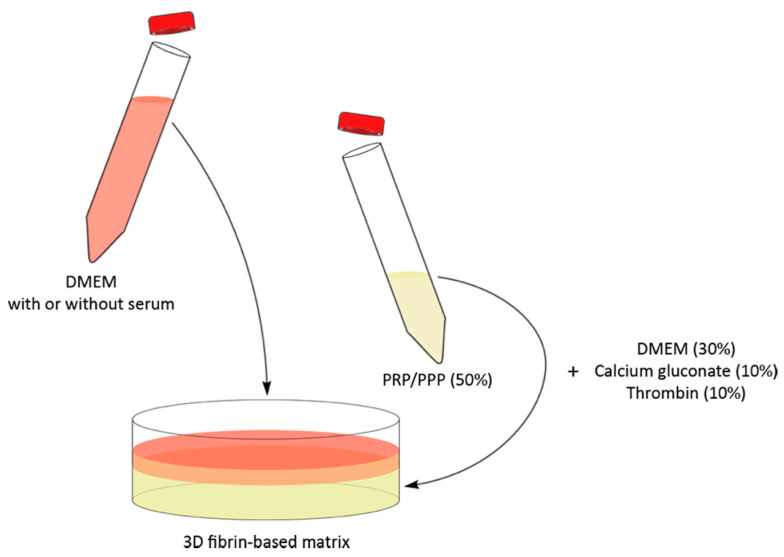
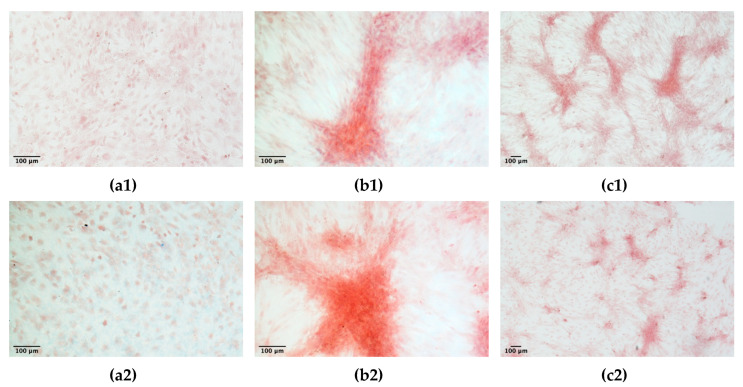
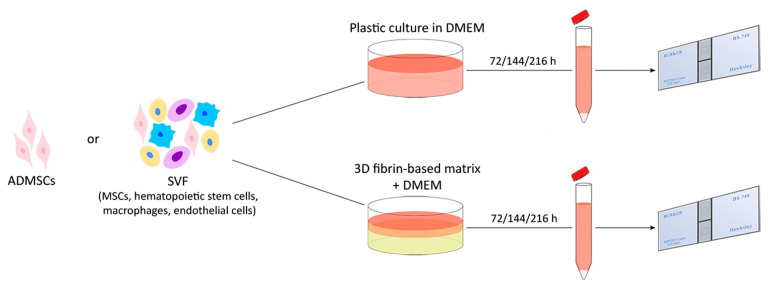
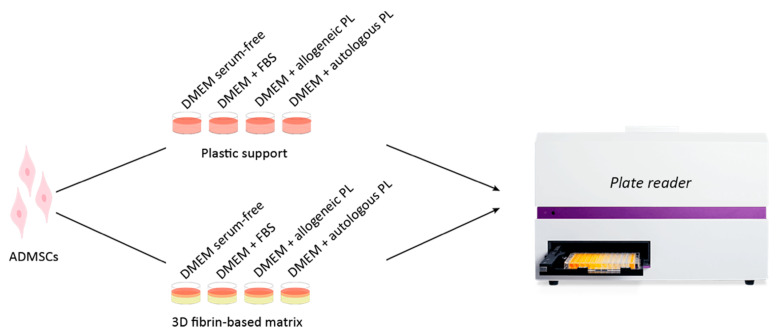
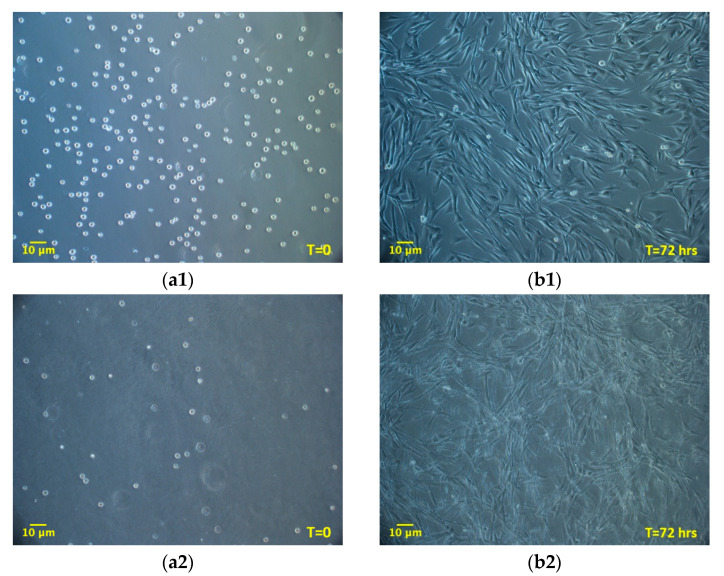
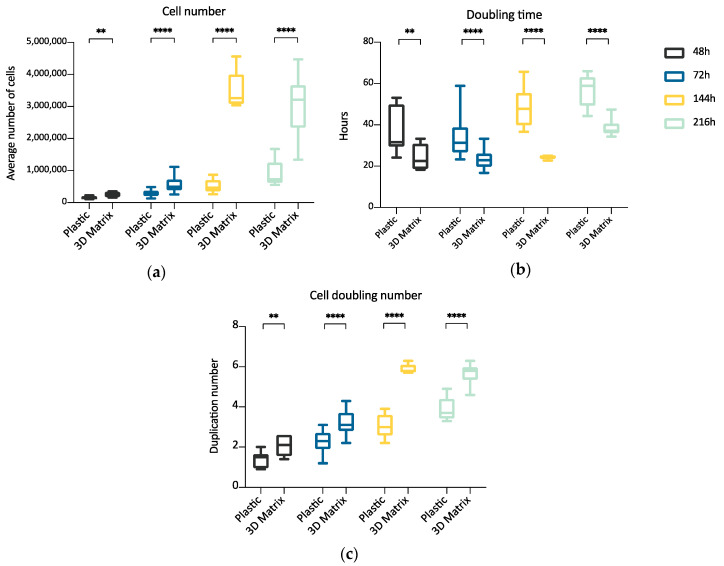
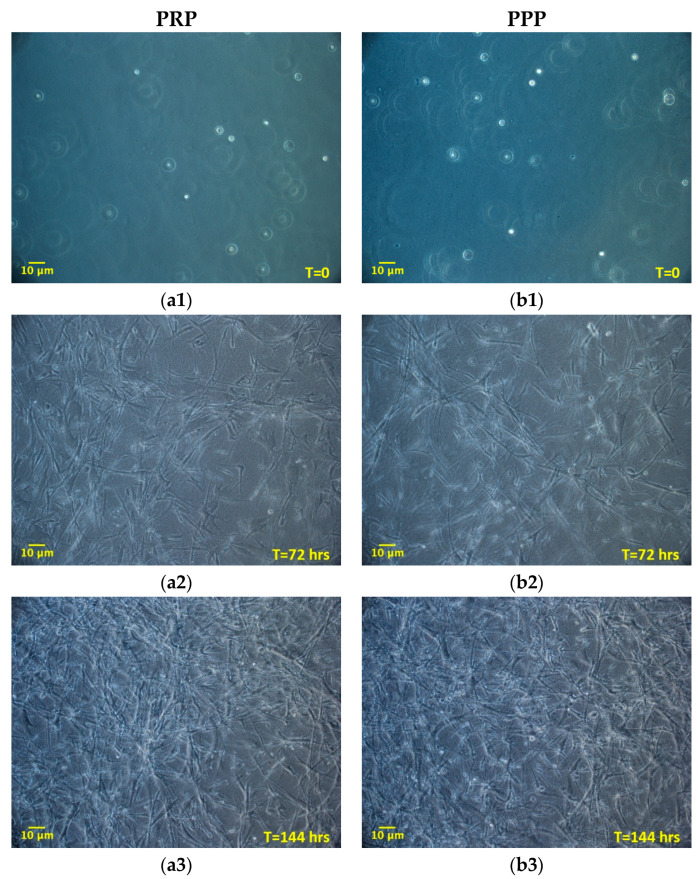
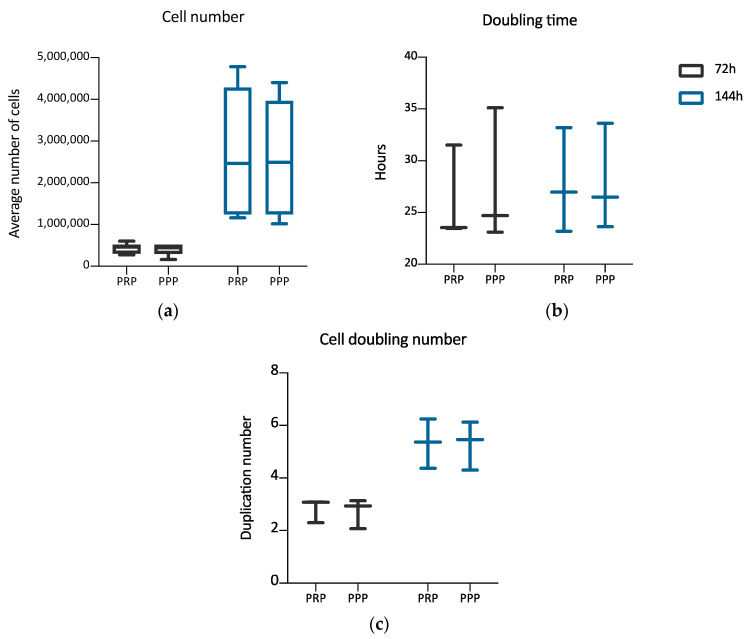
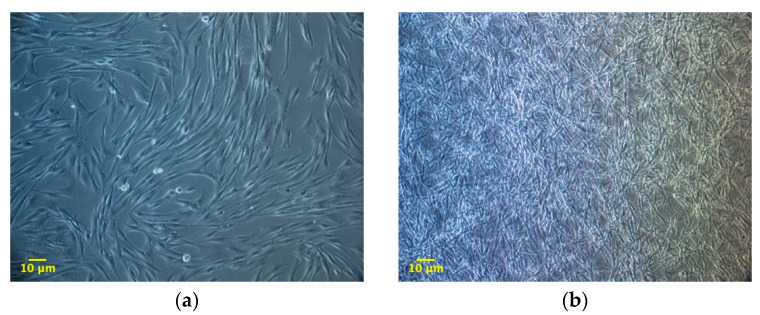
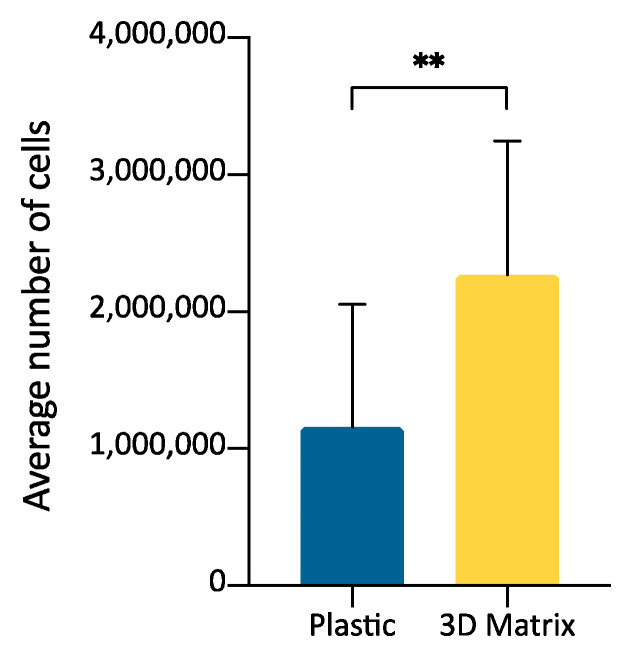
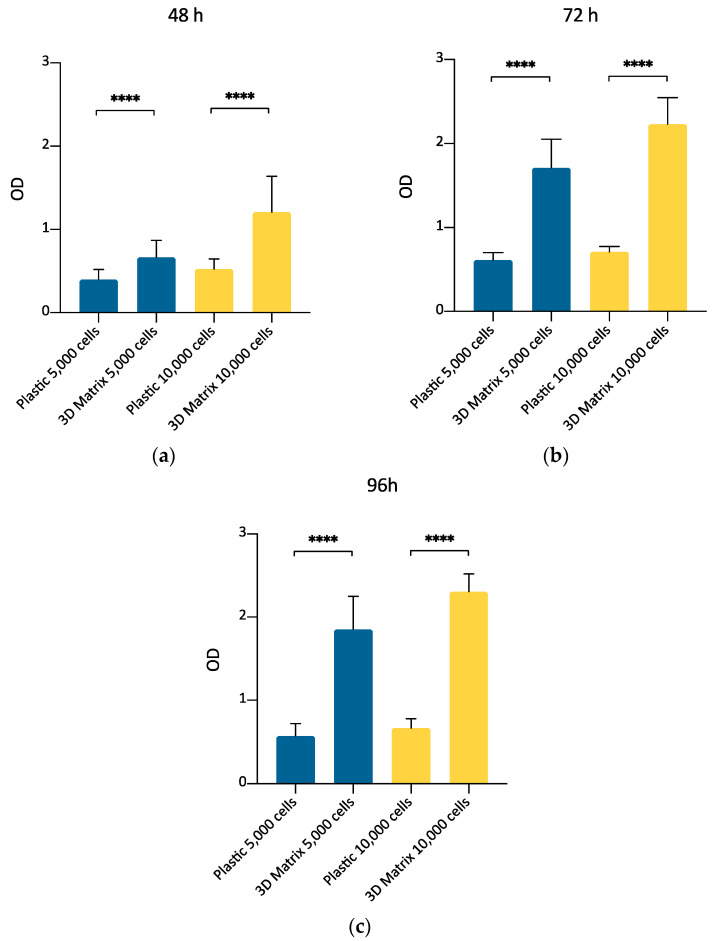
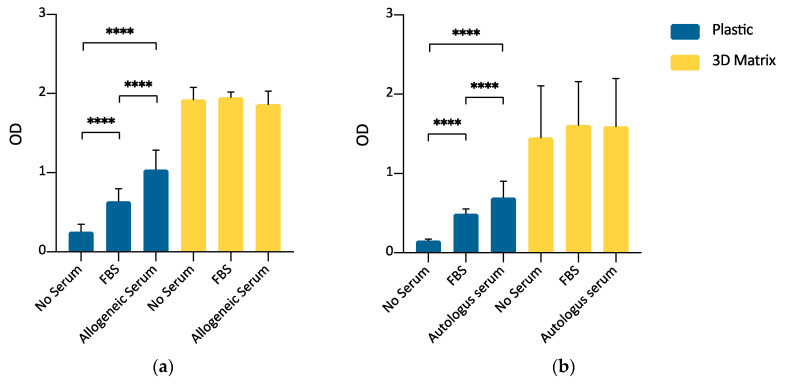
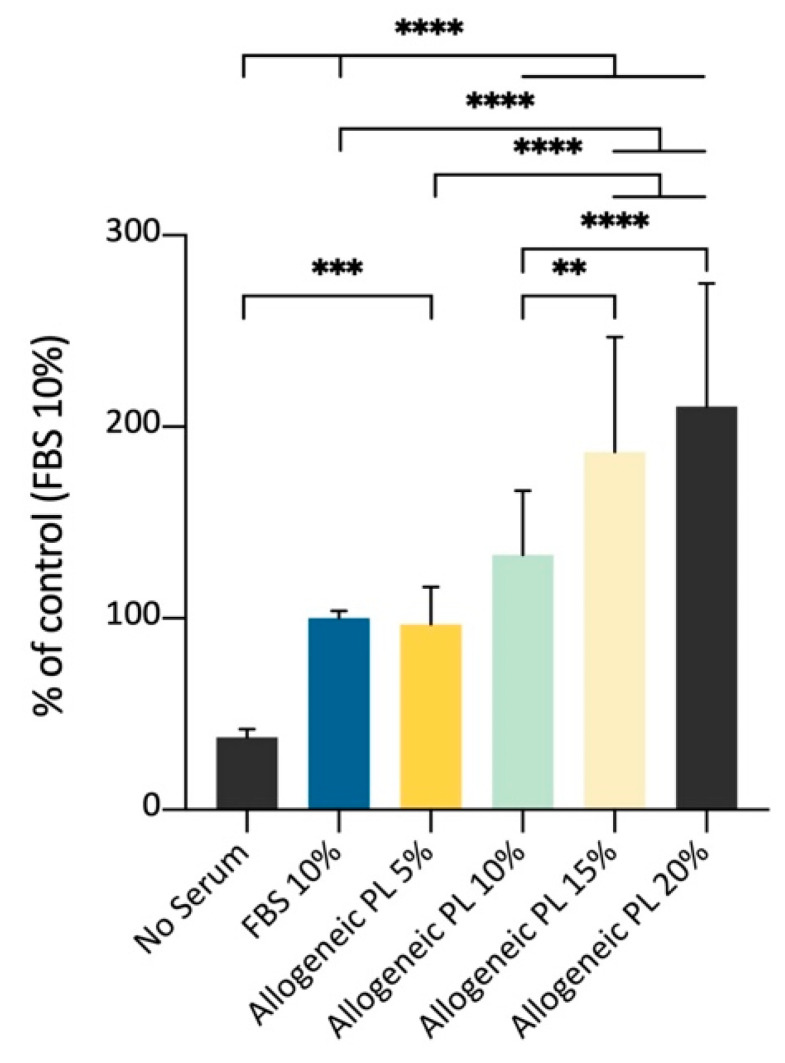
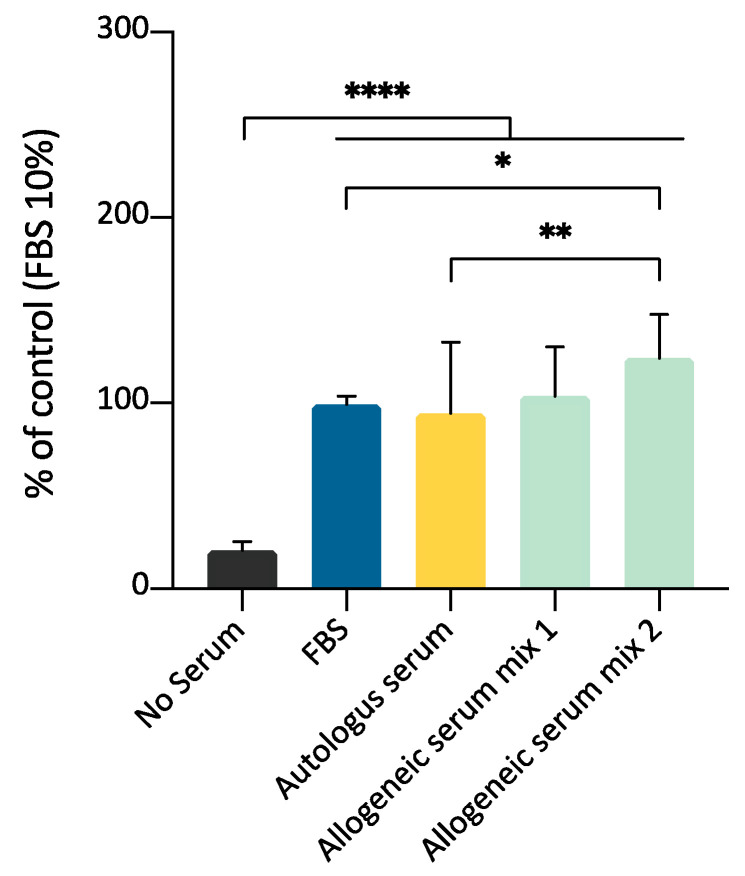
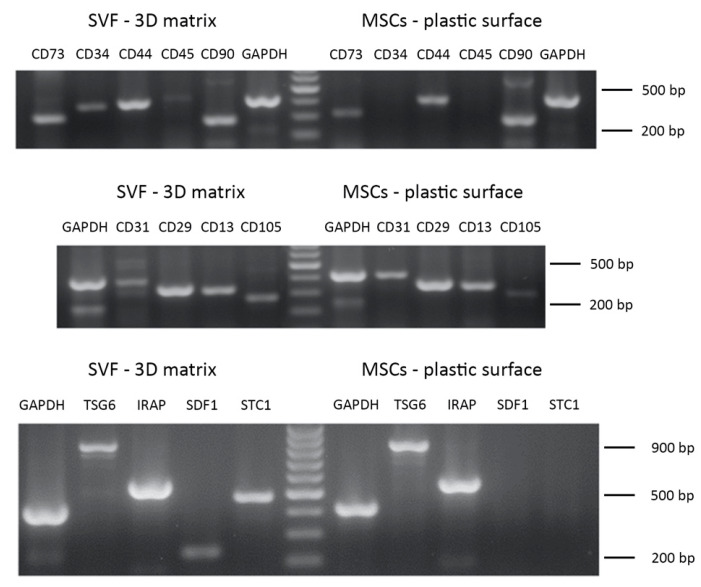
Mesenchymal stem cells (MSCs) have been recently introduced in veterinary medicine as a potential therapeutic tool for several pathologies. The large-scale in vitro expansion needed to ensure the preparation of a suitable number of MSCs for clinical application usually requires the use of xenogeneic supplements like the fetal bovine serum (FBS). The substitution of FBS with species-specific supplements would improve the safety of implanted cells, reducing the risk of undesired immune responses following cell therapy. We have evaluated the effectiveness of canine adipose tissue-derived stromal vascular fraction (SVF) and MSCs (ADMSCs) expansion in the presence of canine blood-derived supplements. Cells were cultured on traditional plastic surface and inside a 3D environment derived from the jellification of different blood-derived products, i.e., platelet-poor plasma (PPP), platelet-rich plasma (PRP), or platelet lysate (PL). PPP, PRP, and PL can contribute to canine ADMSCs in vitro expansion. Both allogeneic and autologous PPP and PL can replace FBS for ADMSCs culture on a plastic surface, exhibiting either a similar (PPP) or a more effective (PL) stimulus to cell replication. Furthermore, the 3D environment based on homospecific blood-derived products polymerization provides a strong stimulus to ADMSCs replication, producing a higher number of cells in comparison to the plastic surface environment. Allogeneic or autologous blood products behave similarly. The work suggests that canine ADMSCs can be expanded in the absence of xenogeneic supplements, thus increasing the safety of cellular preparations. Furthermore, the 3D fibrin-based matrices could represent a simple, readily available environments for effective in vitro expansion of ADMSCs using allogeneic or autologous blood-products.
间充质干细胞(MSCs)最近已被引入兽医学,作为治疗多种疾病的潜在治疗工具。为确保制备出适合临床应用的足够数量的MSCs而进行的大规模体外扩增通常需要使用异种补充剂,如胎牛血清(FBS)。用物种特异性补充剂替代FBS将提高植入细胞的安全性,降低细胞治疗后出现不良免疫反应的风险。我们评估了在犬源性血液补充剂存在的情况下,犬脂肪组织来源的基质血管成分(SVF)和间充质干细胞(ADMSCs)扩增的有效性。细胞在传统塑料表面以及由不同血液来源产品(即贫血小板血浆(PPP)、富血小板血浆(PRP)或血小板裂解物(PL))凝胶化形成的3D环境中培养。PPP、PRP和PL有助于犬ADMSCs的体外扩增。同种异体和自体的PPP和PL都可以替代FBS用于在塑料表面培养ADMSCs,对细胞复制表现出相似(PPP)或更有效的(PL)刺激。此外,基于同种特异性血液来源产品聚合的3D环境对ADMSCs复制有强烈刺激,与塑料表面环境相比能产生更多细胞。同种异体或自体血液产品表现相似。这项研究表明,犬ADMSCs可以在无异种补充剂的情况下扩增,从而提高细胞制剂的安全性。此外,基于纤维蛋白的3D基质可能是一种简单、现成的环境,可利用同种异体或自体血液产品有效地体外扩增ADMSCs。