Teng Zhaowei, Zhu Yun, Zhang Xiguang, Teng Yirong, Lu Sheng
The 6th Affiliated Hospital of Kunming Medical University, Yuxi, China.
Yunnan Key Laboratory of Digital Orthopedics, The First People's Hospital of Yunnan Province, Kunming, China.
Front Genet. 2020 Nov 12;11:566959. doi: 10.3389/fgene.2020.566959. eCollection 2020.
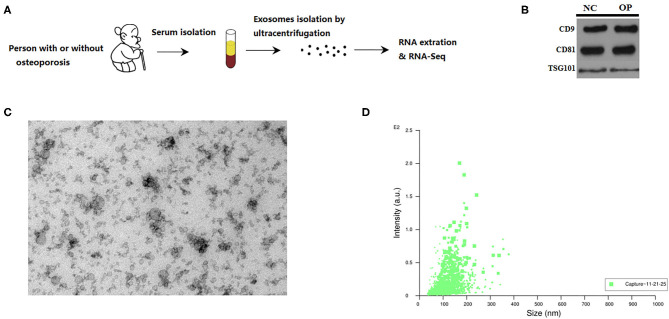
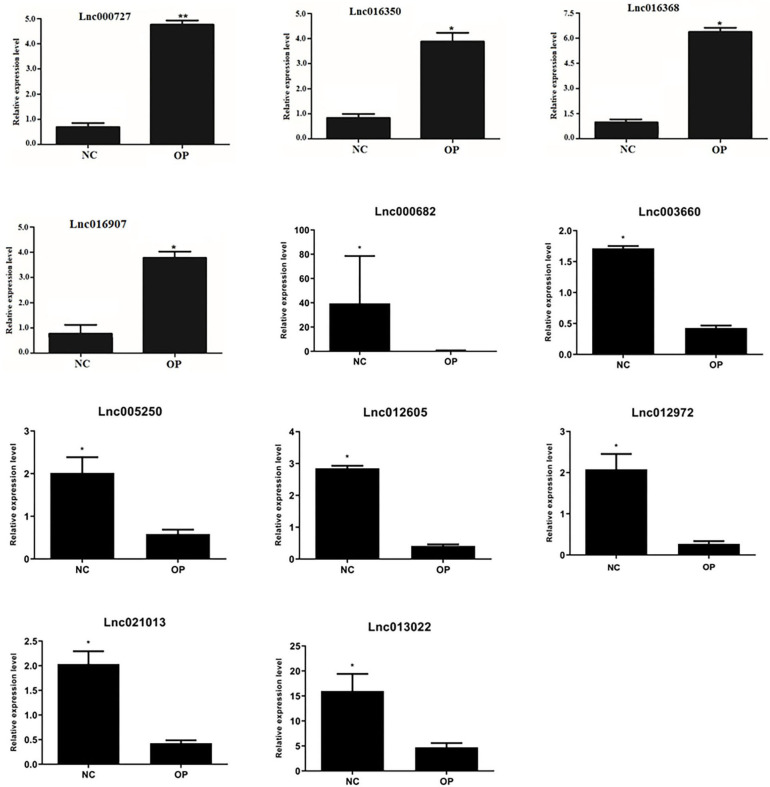
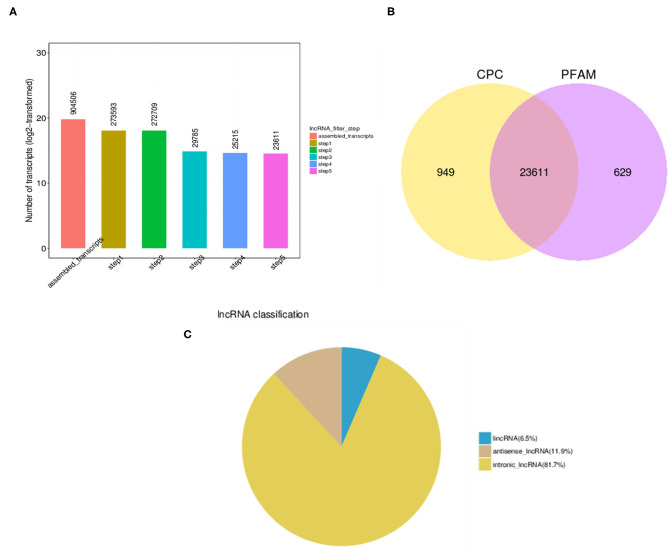
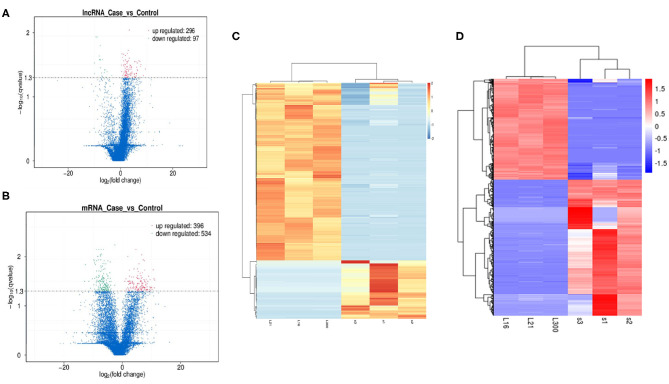
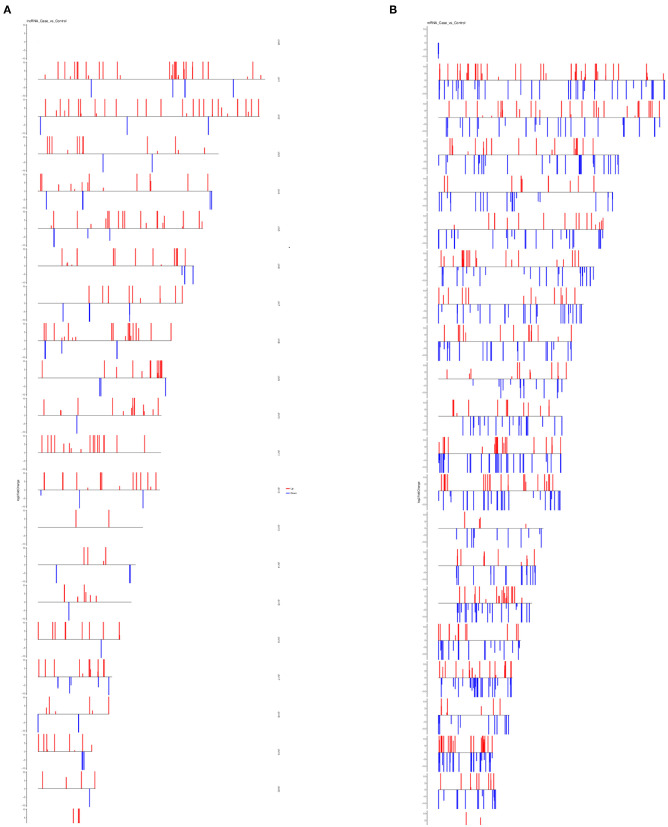
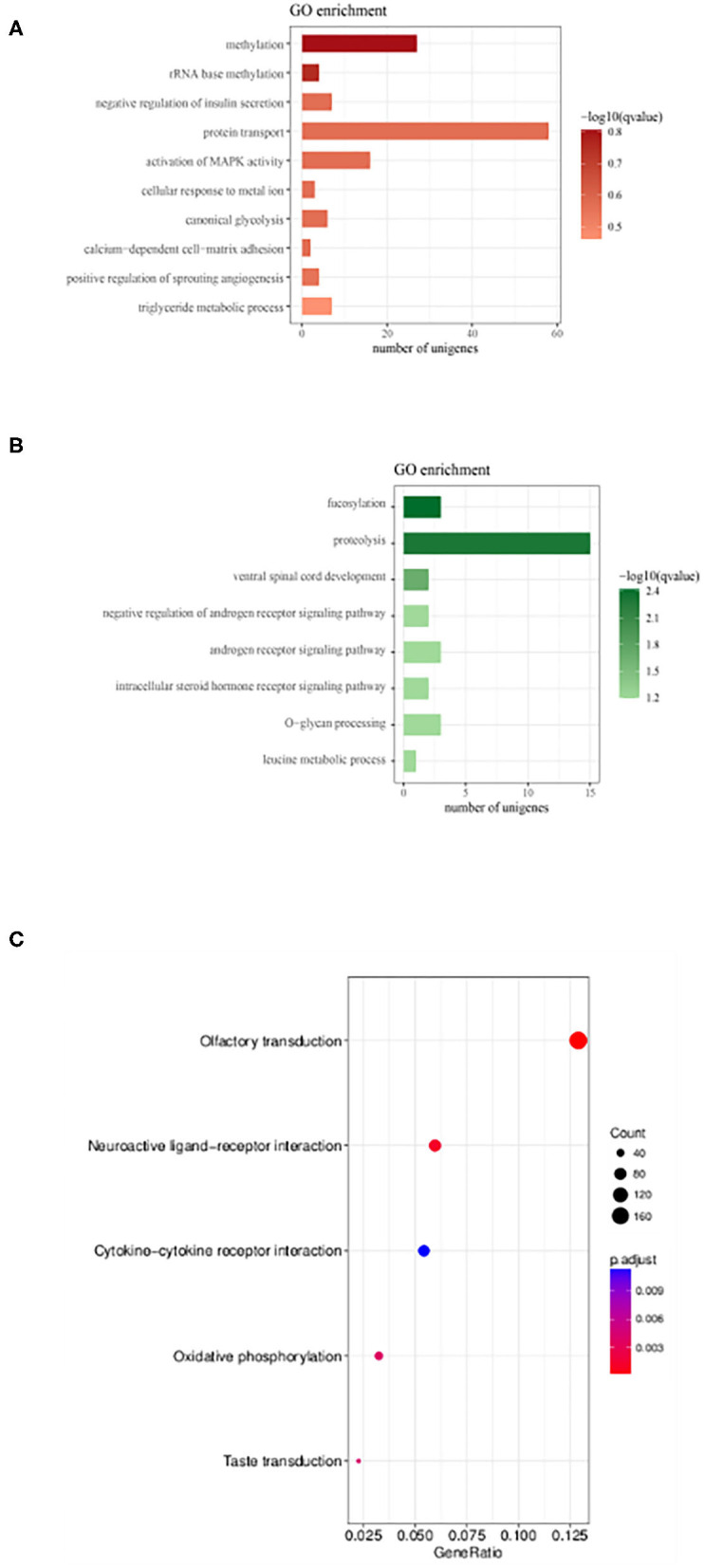
Osteoporosis is a metabolic bone disease characterized by a decrease in bone mass and degradation of the bone microstructure, which increases bone fragility and risk of fracture. However, the molecular mechanisms of osteoporosis remain unclear. The current study attempts to elucidate the role of exosomal long non-coding RNA in the pathology of osteoporosis. Peripheral blood was collected from persons with (OP) or without (NC) osteoporosis, and the serum exosomes were extracted using ultra centrifugation process. Total RNA of exosomes was isolated, and the lncRNAs profiling was done using RNA-Seq experiments. analysis resulted in identification of 393 differentially expressed (DE) lncRNAs in OP vs. NC, with 296 that were up-regulated and 97 were down-regulated. Bioinformatics analysis of potential target mRNAs of lncRNAs with cis-acting mechanism showed that mRNAs co-located with DE lncRNAs were highly enriched in osteoporosis-related pathways, including regulation of insulin secretion, activation of MAPK activity, cellular response to metal ions, fucosylation and proteolysis. Together these results suggest that lncRNAs of serum exosomes could play a significant role in development of osteoporosis and such information may be helpful in developing diagnostic markers and therapeutic modules for osteoporosis.
骨质疏松症是一种代谢性骨病,其特征是骨量减少和骨微结构破坏,这会增加骨脆性和骨折风险。然而,骨质疏松症的分子机制仍不清楚。当前研究试图阐明外泌体长链非编码RNA在骨质疏松症病理过程中的作用。从患有(OP)或未患有(NC)骨质疏松症的个体中采集外周血,并使用超速离心法提取血清外泌体。分离外泌体的总RNA,并使用RNA测序实验进行长链非编码RNA谱分析。分析结果显示,在OP组与NC组中鉴定出393个差异表达的长链非编码RNA,其中296个上调,97个下调。对具有顺式作用机制的长链非编码RNA潜在靶标mRNA进行生物信息学分析表明,与差异表达长链非编码RNA共定位的mRNA在骨质疏松症相关途径中高度富集,包括胰岛素分泌调节、丝裂原活化蛋白激酶活性激活、细胞对金属离子的反应、岩藻糖基化和蛋白水解。这些结果共同表明,血清外泌体长链非编码RNA可能在骨质疏松症的发生发展中起重要作用,此类信息可能有助于开发骨质疏松症的诊断标志物和治疗模块。