Department of Pathology, Otago Medical School, University of Otago, Dunedin, New Zealand.
Maurice Wilkins Centre for Molecular Biodiscovery, The University of Auckland, Auckland, New Zealand.
Elife. 2020 Dec 7;9:e61405. doi: 10.7554/eLife.61405.
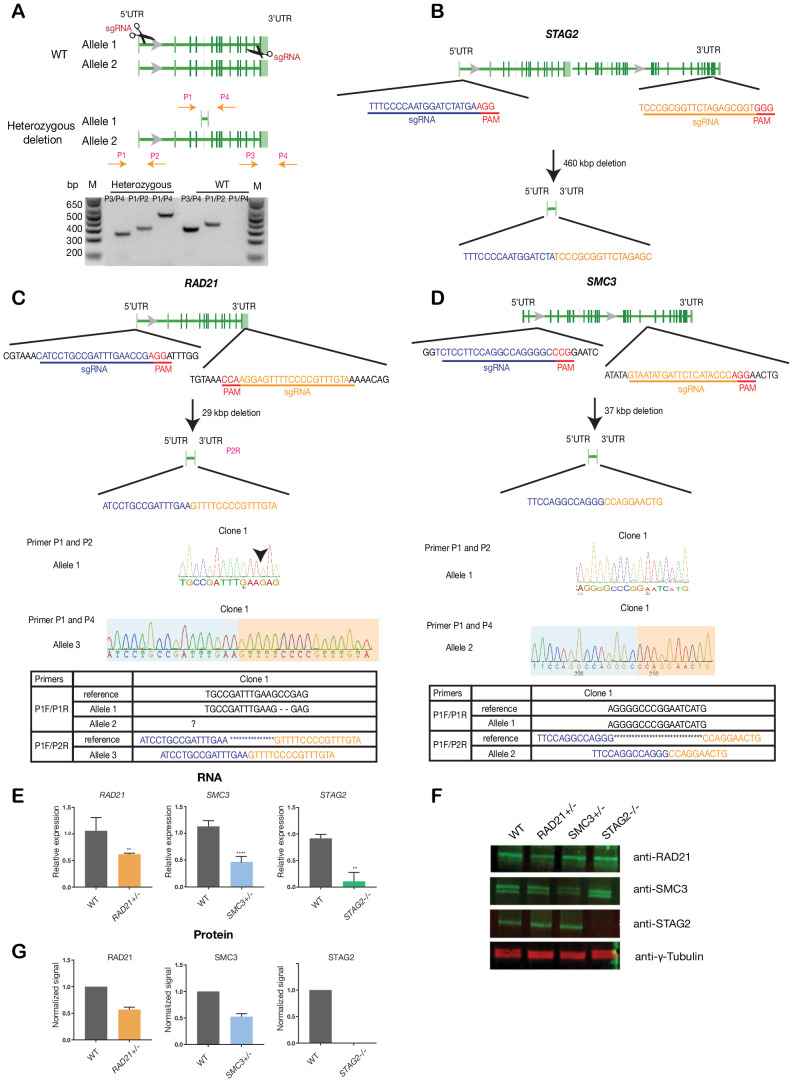
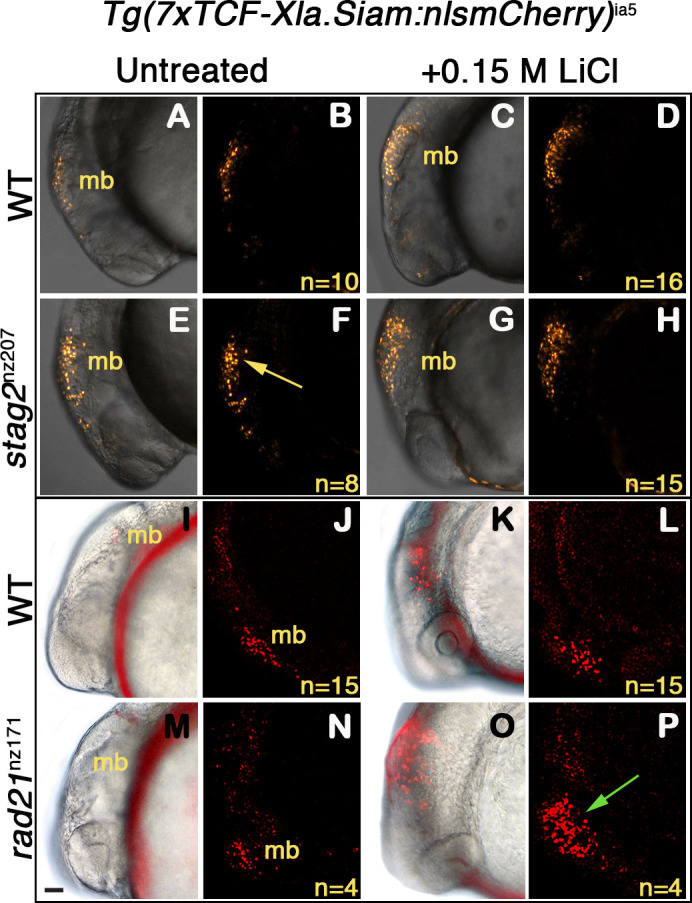
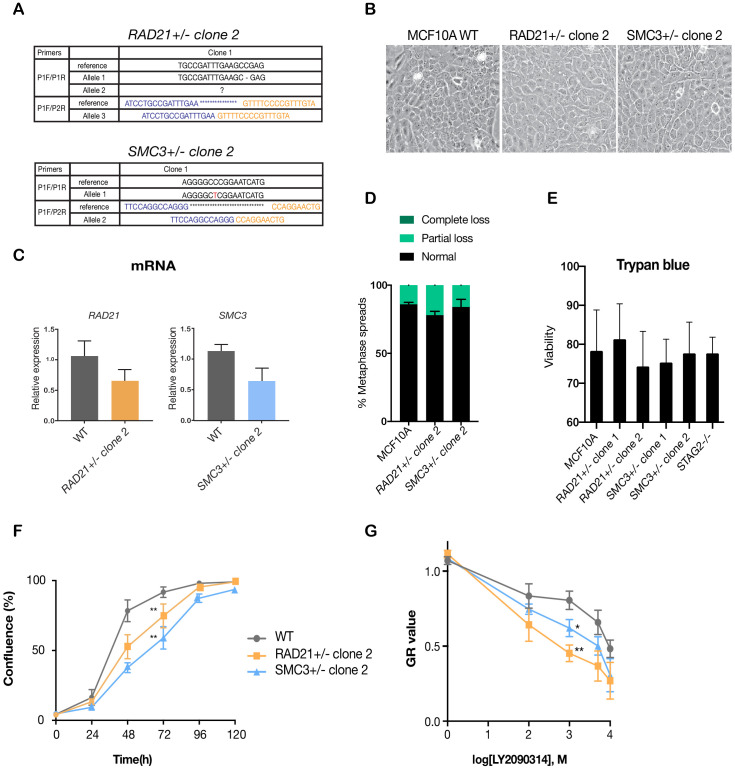
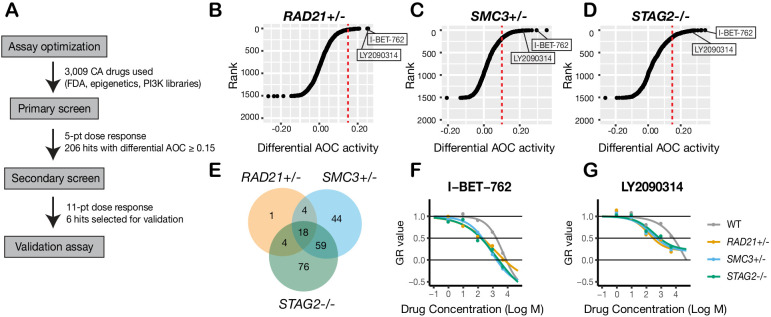
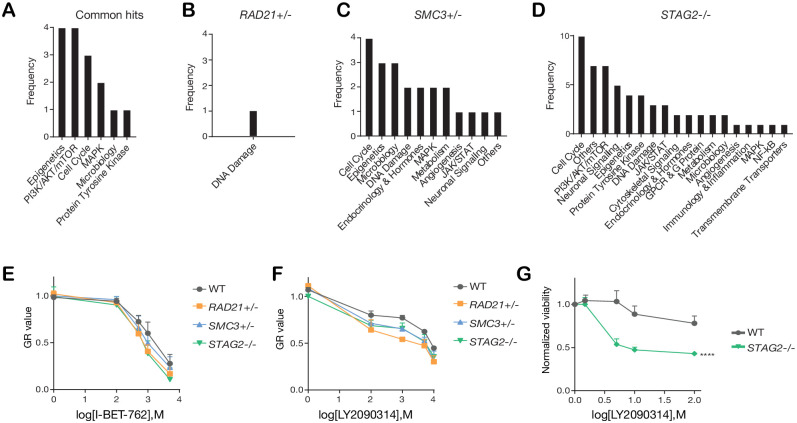
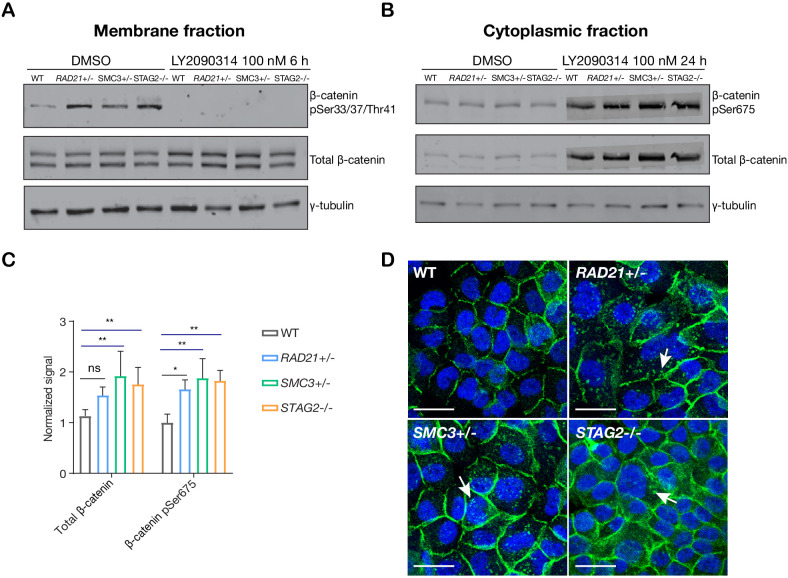
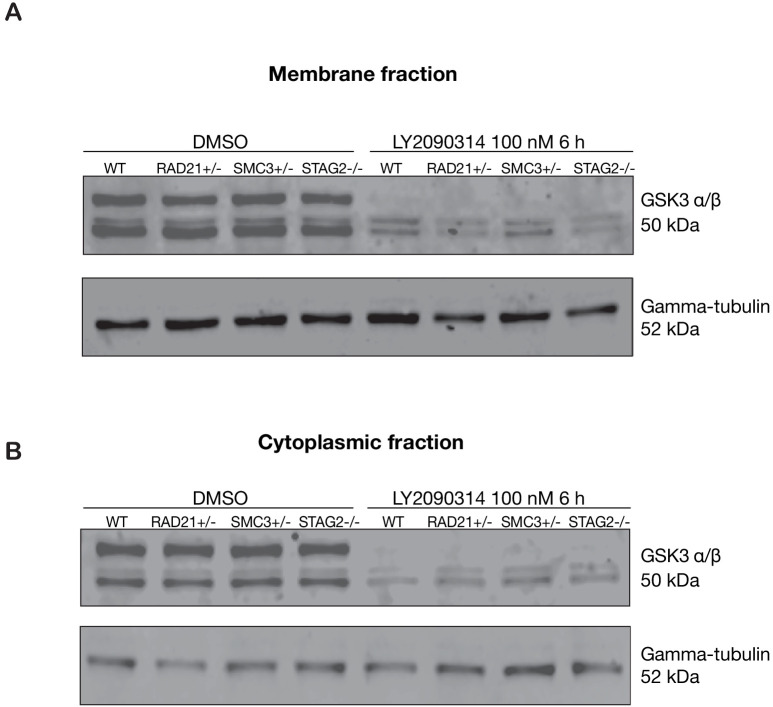
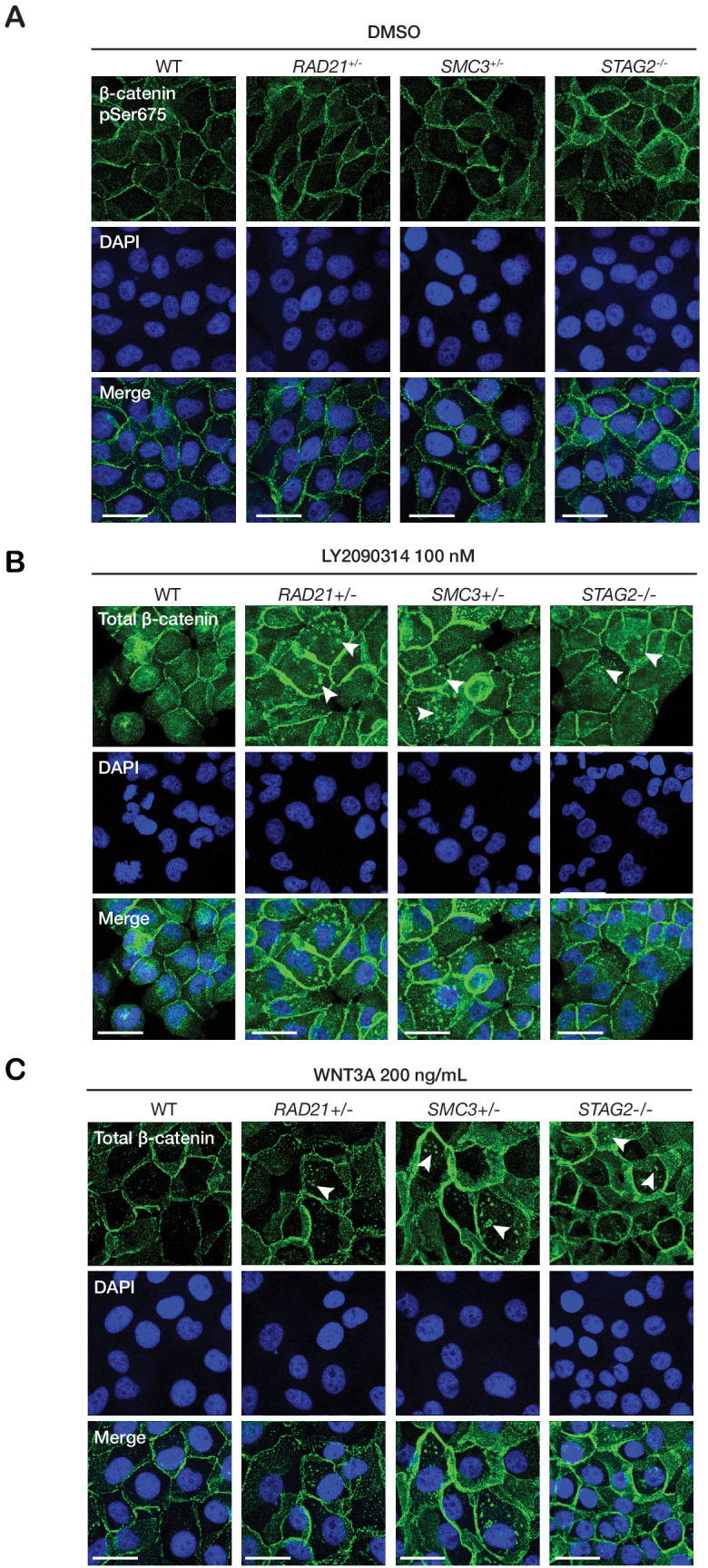
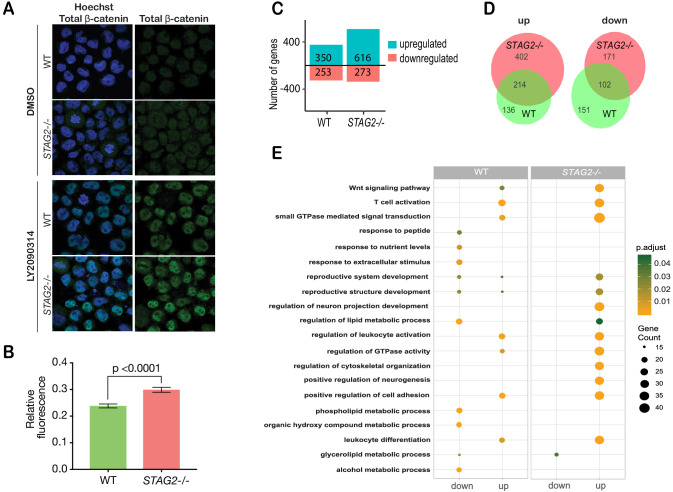
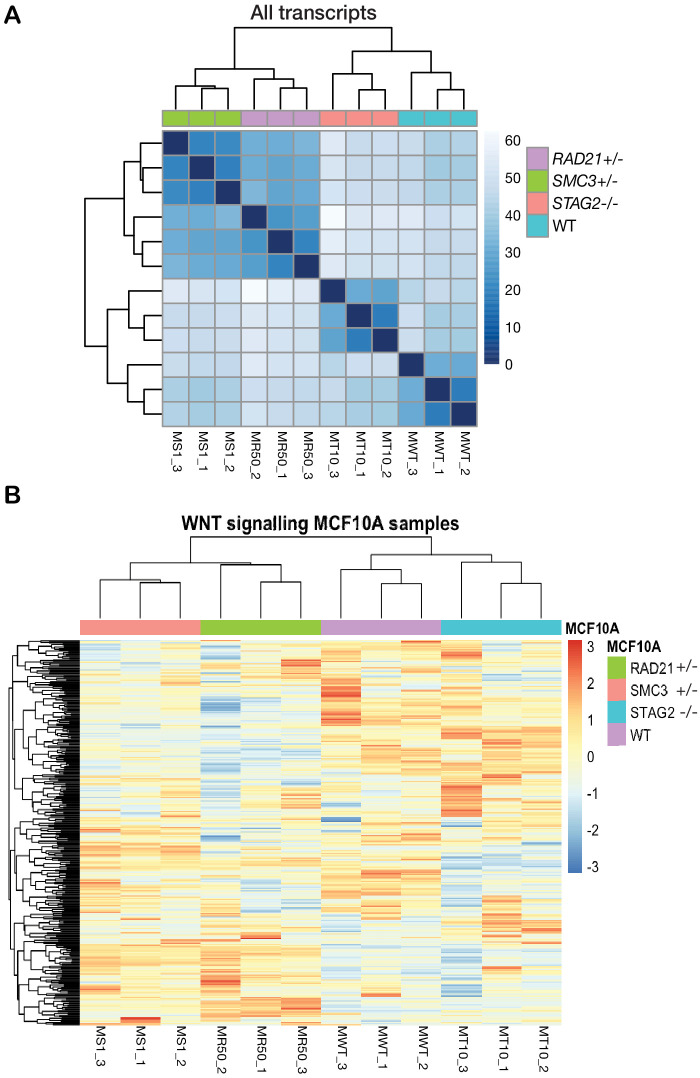
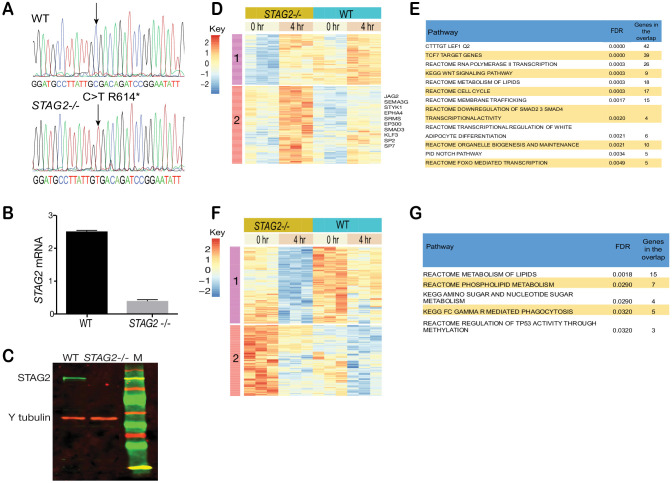
Mutations in genes encoding subunits of the cohesin complex are common in several cancers, but may also expose druggable vulnerabilities. We generated isogenic MCF10A cell lines with deletion mutations of genes encoding cohesin subunits SMC3, RAD21, and STAG2 and screened for synthetic lethality with 3009 FDA-approved compounds. The screen identified several compounds that interfere with transcription, DNA damage repair and the cell cycle. Unexpectedly, one of the top 'hits' was a GSK3 inhibitor, an agonist of Wnt signaling. We show that sensitivity to GSK3 inhibition is likely due to stabilization of β-catenin in cohesin-mutant cells, and that Wnt-responsive gene expression is highly sensitized in -mutant CMK leukemia cells. Moreover, Wnt activity is enhanced in zebrafish mutant for cohesin subunits and . Our results suggest that cohesin mutations could progress oncogenesis by enhancing Wnt signaling, and that targeting the Wnt pathway may represent a novel therapeutic strategy for cohesin-mutant cancers.
黏连蛋白复合物亚基编码基因突变在多种癌症中很常见,但也可能暴露出可药物治疗的弱点。我们构建了具有黏连蛋白亚基 SMC3、RAD21 和 STAG2 缺失突变的同基因 MCF10A 细胞系,并对 3009 种 FDA 批准的化合物进行了合成致死性筛选。该筛选鉴定出了几种干扰转录、DNA 损伤修复和细胞周期的化合物。出乎意料的是,其中一种顶级“命中物”是一种 GSK3 抑制剂,一种 Wnt 信号的激动剂。我们表明,对 GSK3 抑制的敏感性可能是由于黏连蛋白突变细胞中 β-catenin 的稳定,并且在 -突变 CMK 白血病细胞中 Wnt 反应性基因表达高度敏感。此外,黏连蛋白亚基 和 的斑马鱼突变体中 Wnt 活性增强。我们的结果表明,黏连蛋白突变可能通过增强 Wnt 信号来促进肿瘤发生,并且靶向 Wnt 通路可能代表黏连蛋白突变癌症的一种新的治疗策略。