Division of Molecular Neurobiology, Department of Medical Biochemistry and Biophysics, Karolinska Institutet, Stockholm, Sweden.
Zoology Department, Ravenshaw University, Cuttack, India.
Nat Neurosci. 2021 Jan;24(1):34-46. doi: 10.1038/s41593-020-00736-x. Epub 2020 Dec 7.
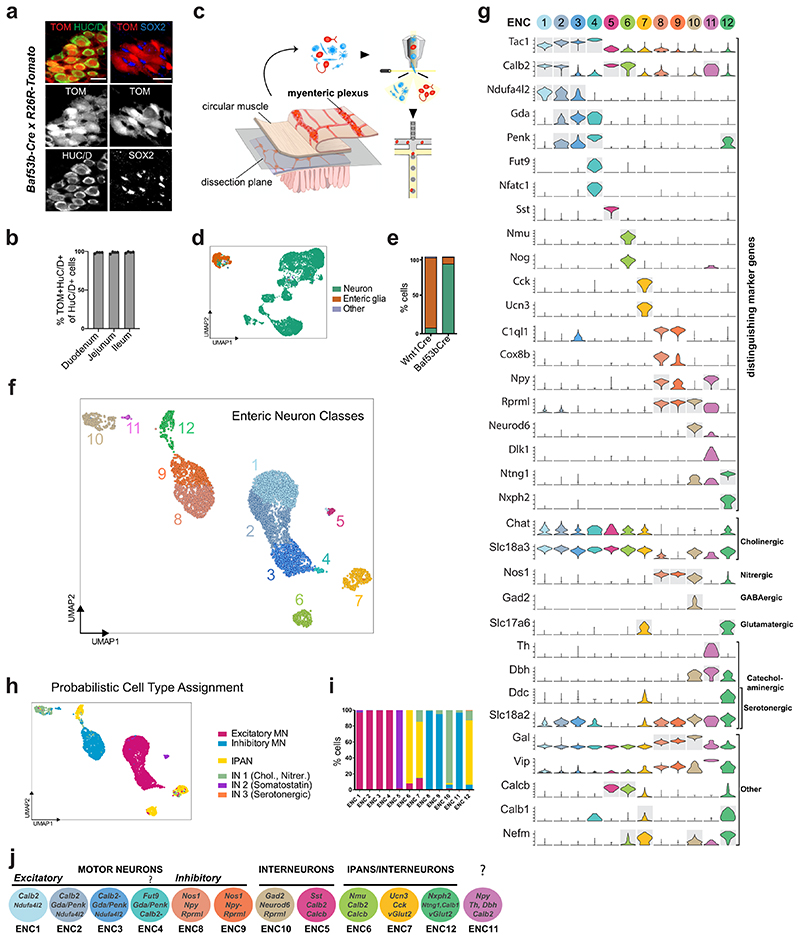
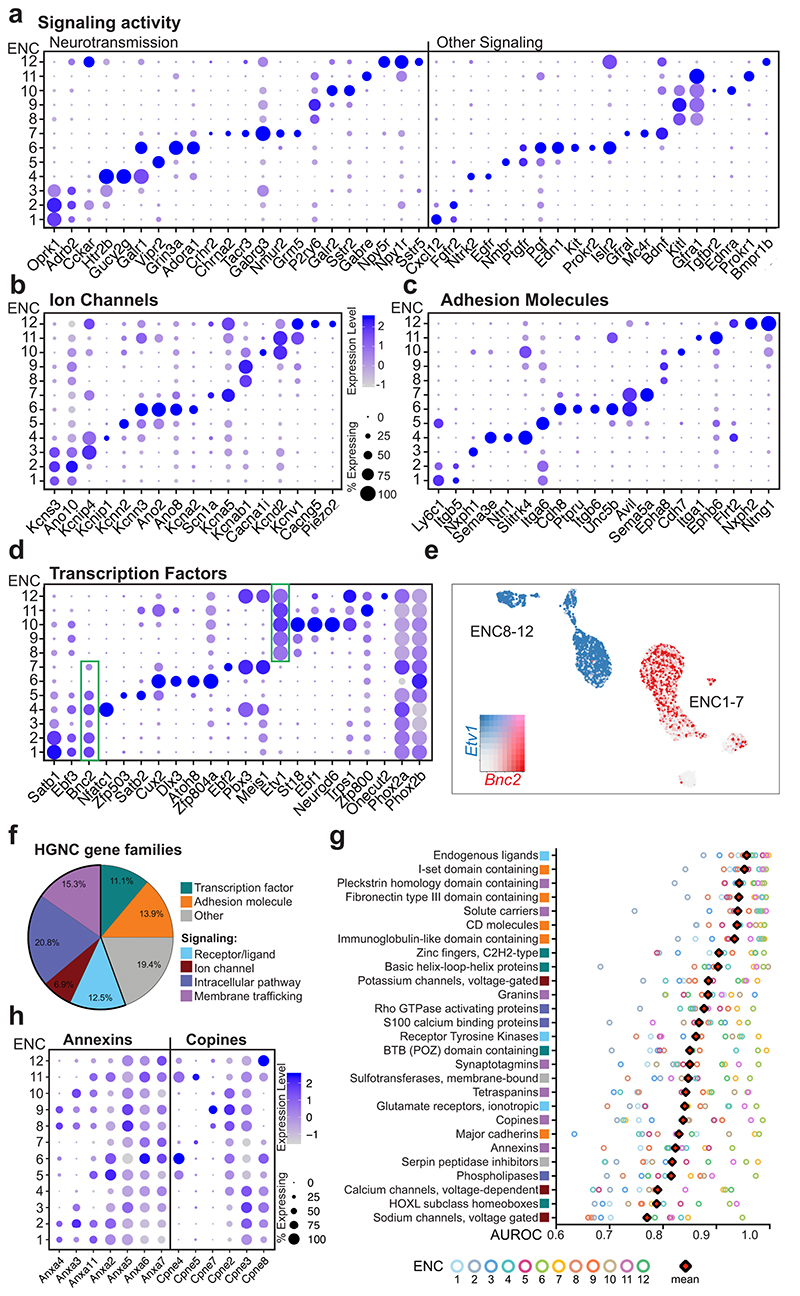
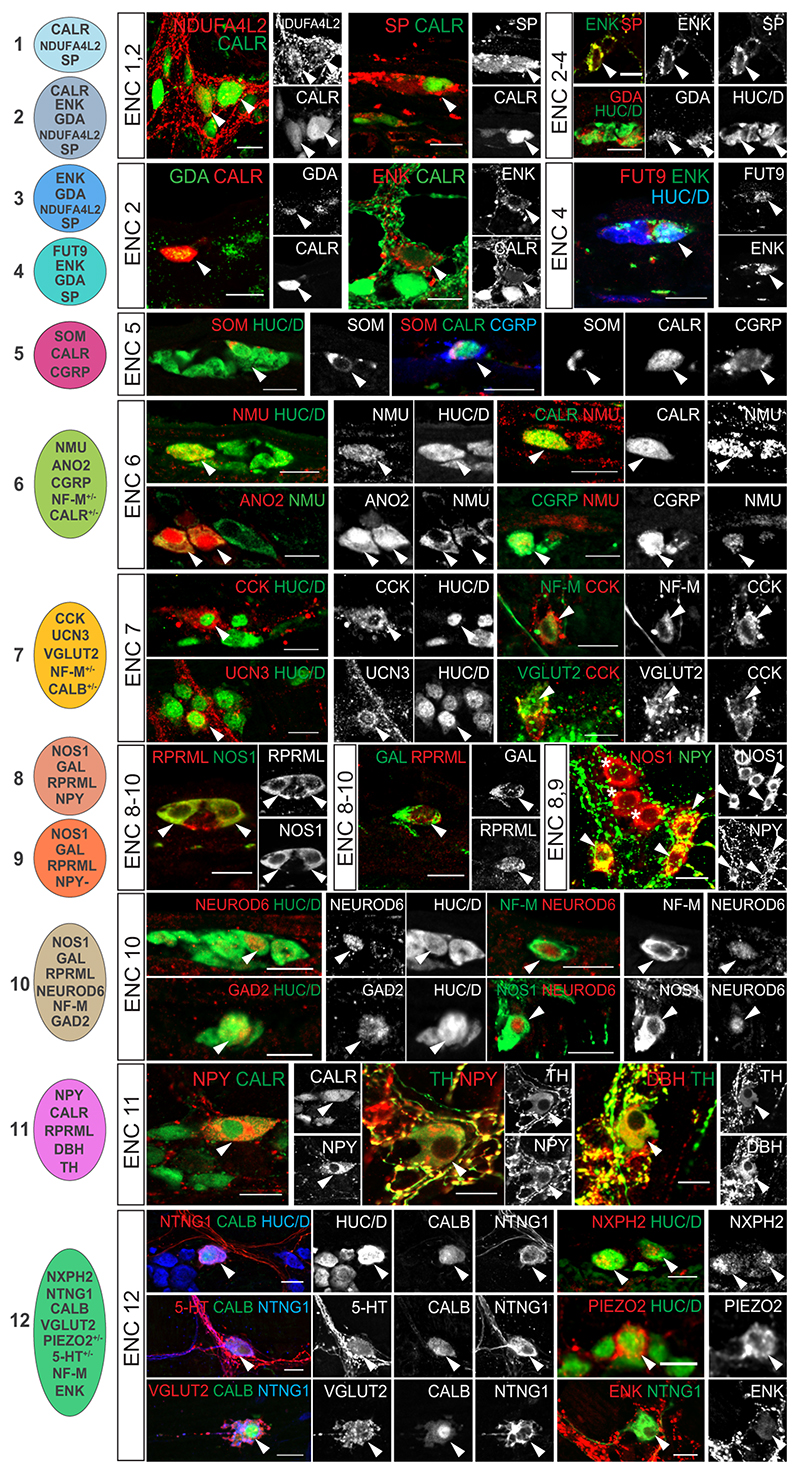
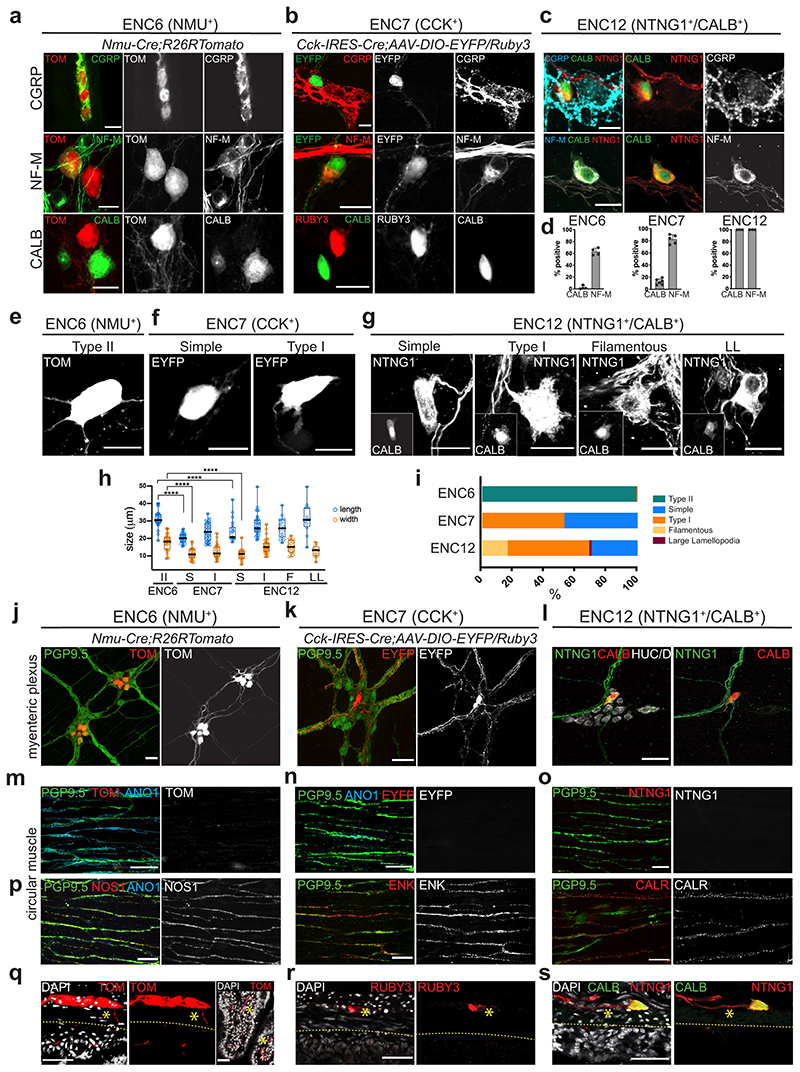
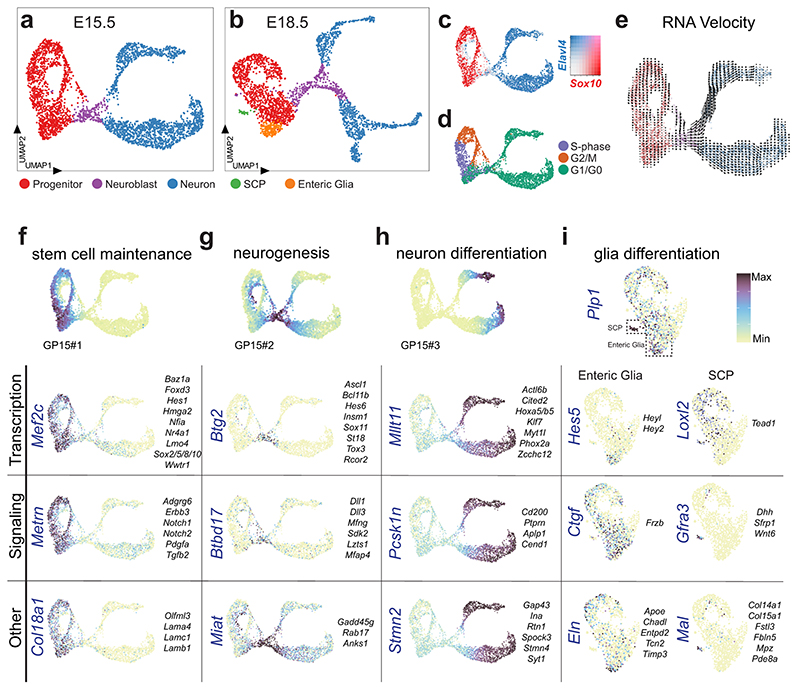
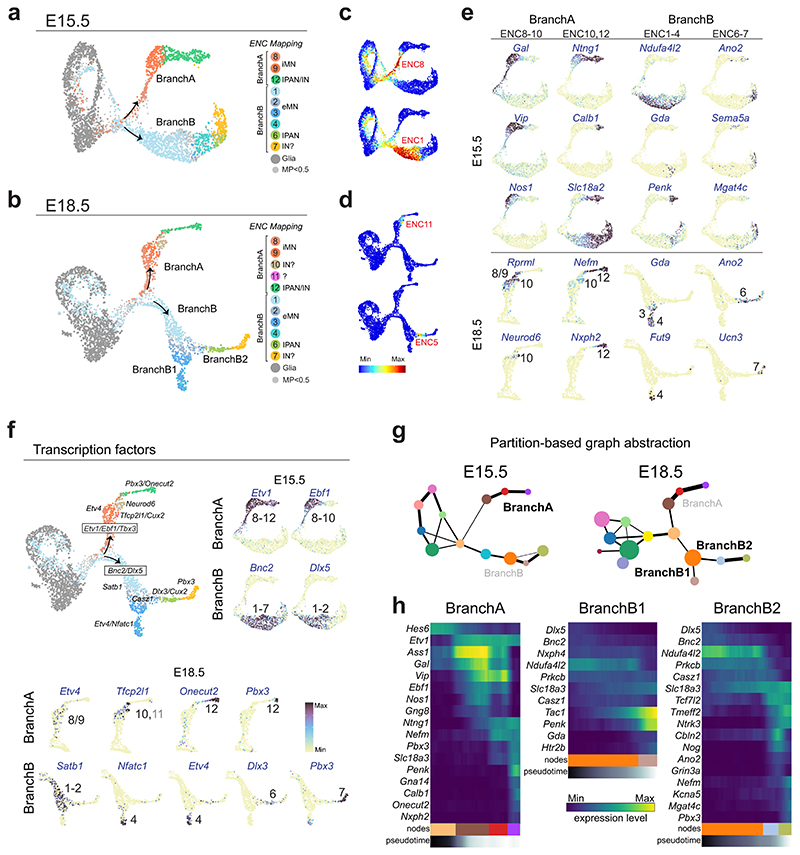
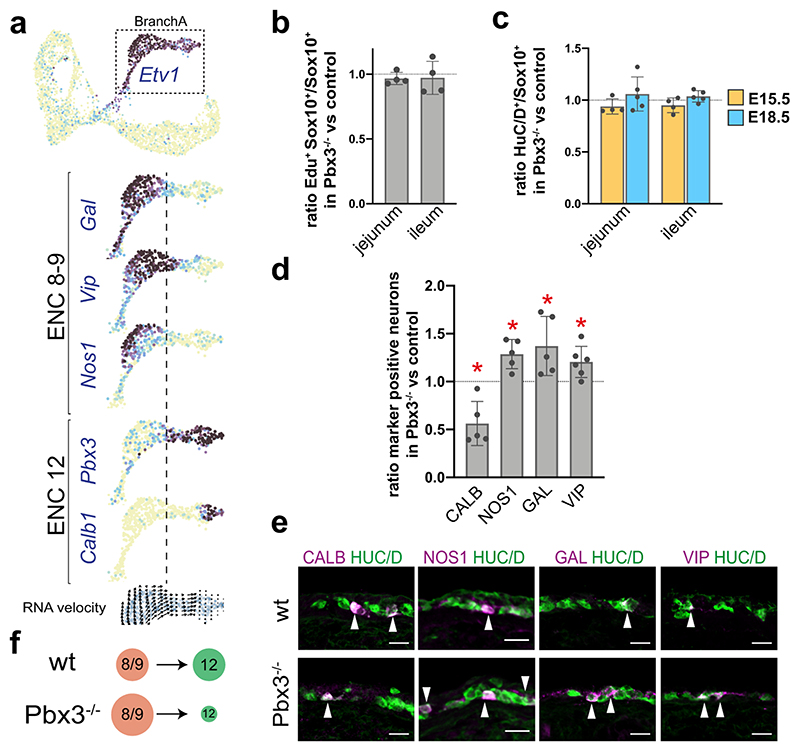
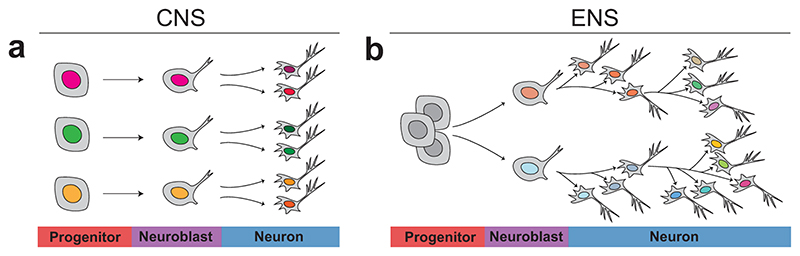
Autonomous regulation of the intestine requires the combined activity of functionally distinct neurons of the enteric nervous system (ENS). However, the variety of enteric neuron types and how they emerge during development remain largely unknown. Here, we define a molecular taxonomy of 12 enteric neuron classes within the myenteric plexus of the mouse small intestine using single-cell RNA sequencing. We present cell-cell communication features and histochemical markers for motor neurons, sensory neurons and interneurons, together with transgenic tools for class-specific targeting. Transcriptome analysis of the embryonic ENS uncovers a novel principle of neuronal diversification, where two neuron classes arise through a binary neurogenic branching and all other identities emerge through subsequent postmitotic differentiation. We identify generic and class-specific transcriptional regulators and functionally connect Pbx3 to a postmitotic fate transition. Our results offer a conceptual and molecular resource for dissecting ENS circuits and predicting key regulators for directed differentiation of distinct enteric neuron classes.
自主调节肠道需要肠神经系统(ENS)中具有不同功能的神经元的共同活动。然而,肠神经元的种类以及它们在发育过程中是如何出现的,在很大程度上仍然未知。在这里,我们使用单细胞 RNA 测序技术,在小鼠小肠的肌间神经丛中定义了 12 种肠神经元的分子分类。我们展示了运动神经元、感觉神经元和中间神经元的细胞间通讯特征和组织化学标记物,以及用于特定类别的转基因工具。对胚胎 ENS 的转录组分析揭示了神经元多样化的一个新原则,其中两个神经元类通过二元神经发生分支产生,而所有其他的身份通过随后的有丝后分化产生。我们确定了通用和特定类别的转录调节因子,并将 Pbx3 与有丝后命运转变功能相关联。我们的研究结果为解析 ENS 回路和预测特定肠神经元类别的定向分化的关键调节因子提供了一个概念和分子资源。