Chen Fengshou, Wang Dan, Li Xiaoqian, Wang He
Department of Anesthesiology, The First Hospital of China Medical University, Shenyang, Liaoning, China (mainland).
Med Sci Monit. 2020 Dec 8;26:e927476. doi: 10.12659/MSM.927476.
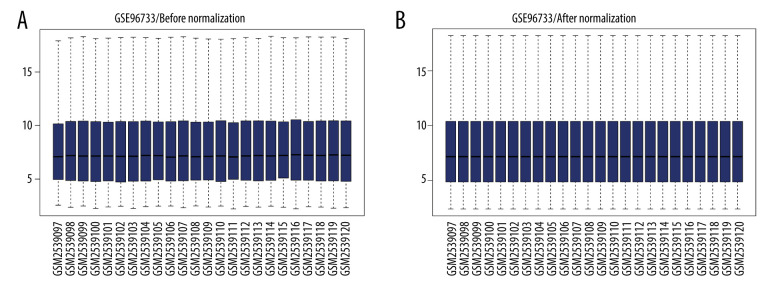
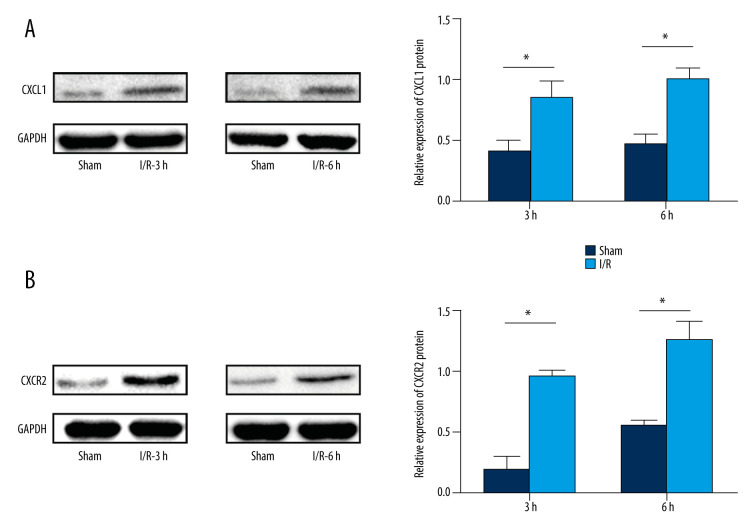
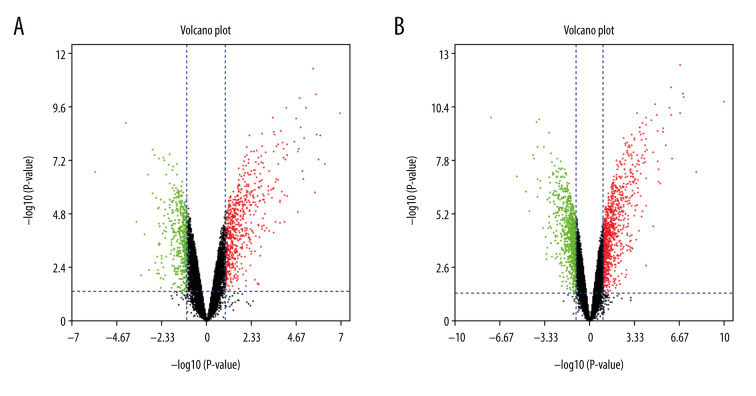
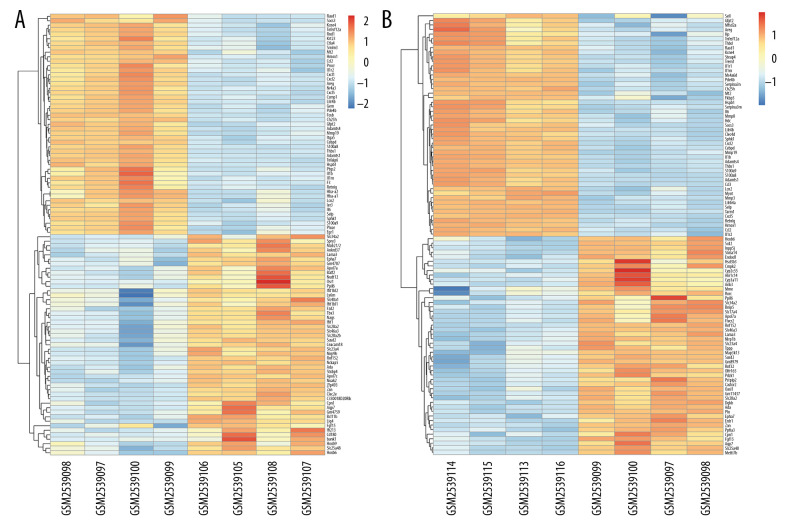
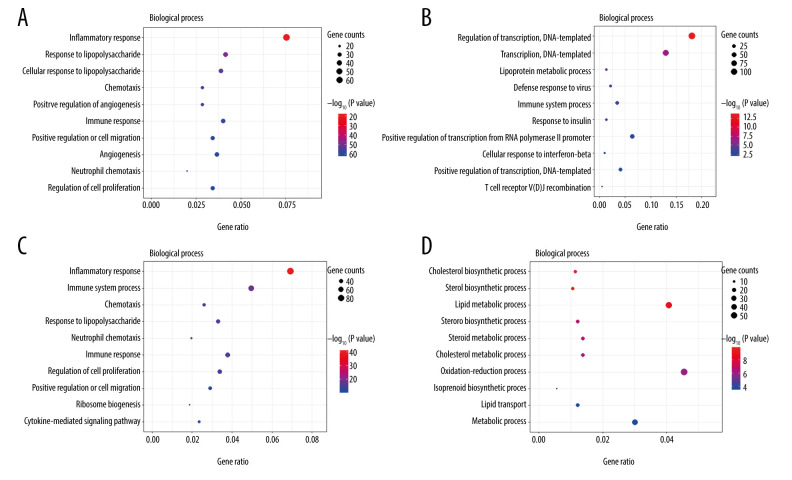
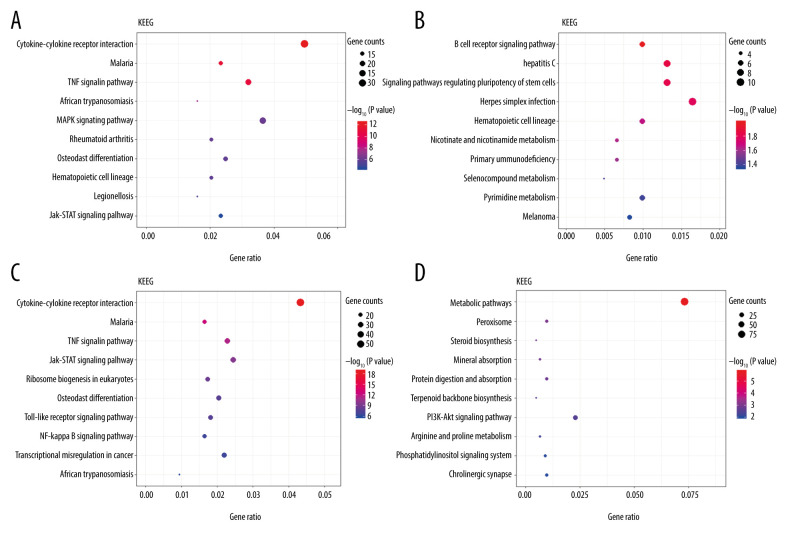
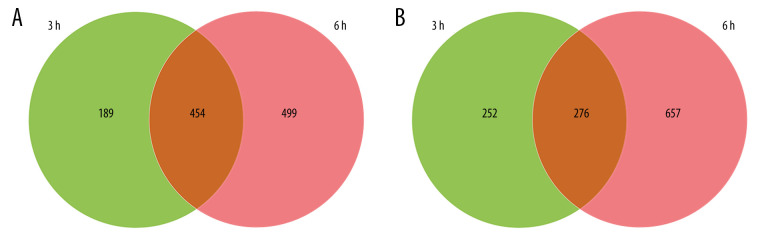
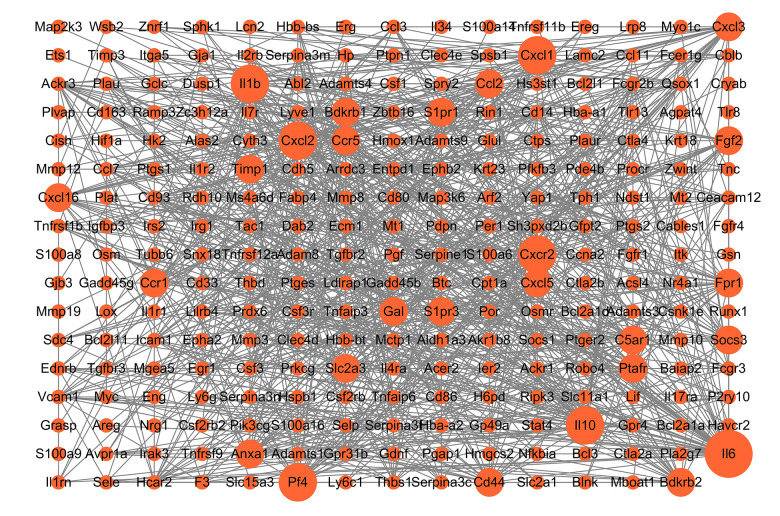
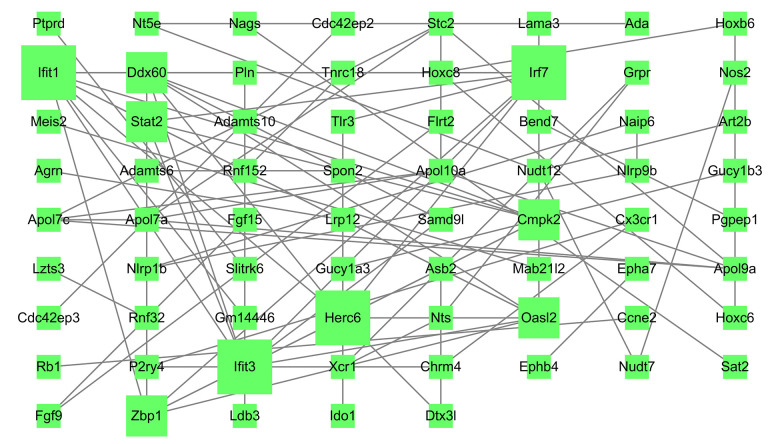
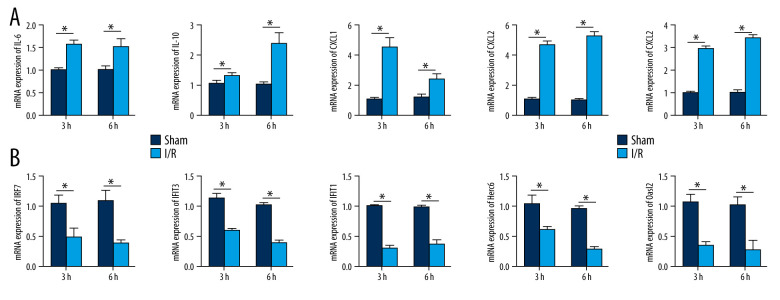
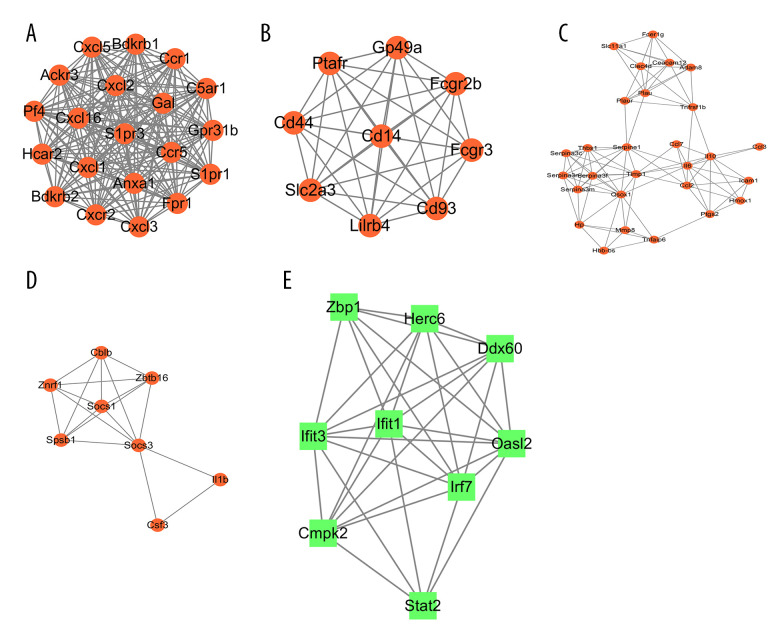
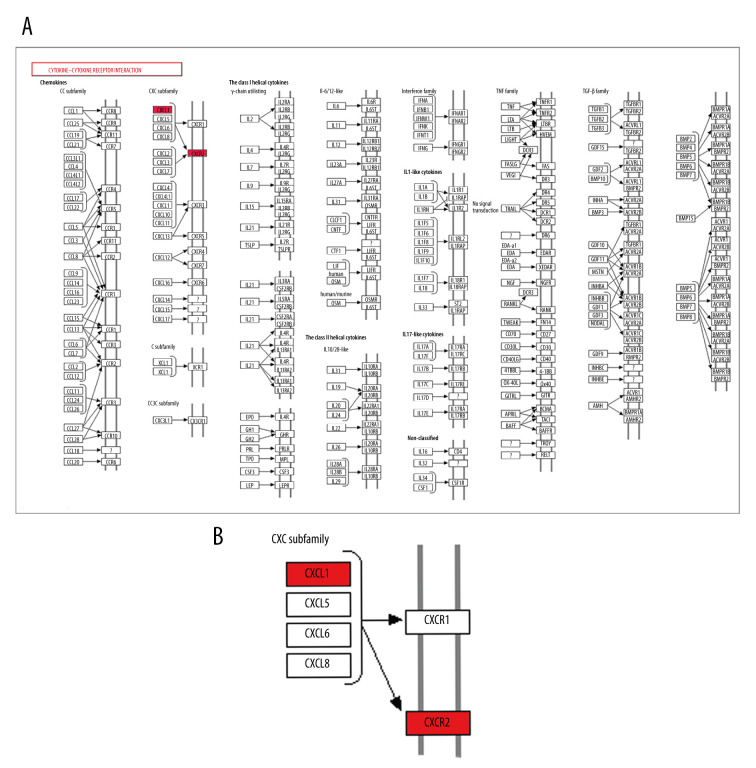
BACKGROUND Intestinal ischemia/reperfusion (I/R) injury is a serious clinical complication. This study aimed to explore the hub genes and pathways of intestinal I/R injury. MATERIAL AND METHODS GSE96733 from the GEO website was extracted to analyze the differentially expressed genes (DEGs) of intestinal I/R injured and sham-operated mice at 3 h and 6 h after surgery. The DAVID and STRING databases were used to construct functional enrichment analyses of DEGs and the protein-protein interaction (PPI) network. In Cytoscape software, cytoHubba was used to identify hub genes, and MCODE was used for module analysis. Testing by qRT-PCR detected the expression of hub genes in intestinal I/R injury. Western blot analysis detected the key proteins involved with the important pathways of intestinal I/R injury. RESULTS IL-6, IL-10, CXCL1, CXCL2, and IL-1ß were identified as critical upregulated genes, while IRF7, IFIT3, IFIT1, Herc6, and Oasl2 were identified as hub genes among the downregulated genes. The qRT-PCR testing showed the expression of critical upregulated genes was significantly increased in intestinal I/R injury (P<0.05), while the expression of hub downregulated genes was notably reduced (P<0.05). The proteins of CXCL1 and CXCR2 were upregulated following intestinal I/R injury (P<0.05) and the CXCL1/CXCR2 axis was involved with intestinal I/R injury. CONCLUSIONS The results of the present study identified IL-6, IL-10, CXCL1, CXCL2, IL-1ß, IRF7, IFIT3, IFIT1, Herc6, and Oasl2 as hub genes in intestinal I/R injury and identified the involvement of the CXCL1/CXCR2 axis in intestinal I/R injury.
背景 肠缺血/再灌注(I/R)损伤是一种严重的临床并发症。本研究旨在探索肠I/R损伤的核心基因和信号通路。
材料与方法 从基因表达综合数据库(GEO)网站提取GSE96733数据,以分析肠I/R损伤小鼠和假手术小鼠在术后3小时和6小时的差异表达基因(DEGs)。利用DAVID和STRING数据库对DEGs进行功能富集分析并构建蛋白质-蛋白质相互作用(PPI)网络。在Cytoscape软件中,使用cytoHubba识别核心基因,并使用MCODE进行模块分析。通过qRT-PCR检测肠I/R损伤中核心基因的表达。蛋白质印迹分析检测肠I/R损伤重要信号通路中涉及的关键蛋白。
结果 白细胞介素-6(IL-6)、白细胞介素-10(IL-10)、CXC趋化因子配体1(CXCL1)、CXC趋化因子配体2(CXCL2)和白细胞介素-1β(IL-1ß)被鉴定为关键上调基因,而干扰素调节因子7(IRF7)、干扰素诱导蛋白3(IFIT3)、干扰素诱导蛋白1(IFIT1)、含E3泛素蛋白连接酶结构域蛋白6(Herc6)和2'-5'-寡腺苷酸合成酶样蛋白2(Oasl2)被鉴定为下调基因中的核心基因。qRT-PCR检测显示,关键上调基因在肠I/R损伤中的表达显著增加(P<0.05),而核心下调基因的表达明显降低(P<0.05)。肠I/R损伤后,CXCL1和CXC趋化因子受体2(CXCR2)蛋白上调(P<0.05),且CXCL1/CXCR2轴与肠I/R损伤有关。
结论 本研究结果确定IL-6、IL-10、CXCL1、CXCL2、IL-1ß、IRF7、IFIT3、IFIT1、Herc6和Oasl2为肠I/R损伤的核心基因,并确定CXCL1/CXCR2轴参与肠I/R损伤。