Guang'anmen Hospital, China Academy of Chinese Medical Sciences, Beijing, China.
Beijing University of Chinese Medicine, Beijing, China.
Neural Plast. 2020 Nov 22;2020:8892184. doi: 10.1155/2020/8892184. eCollection 2020.
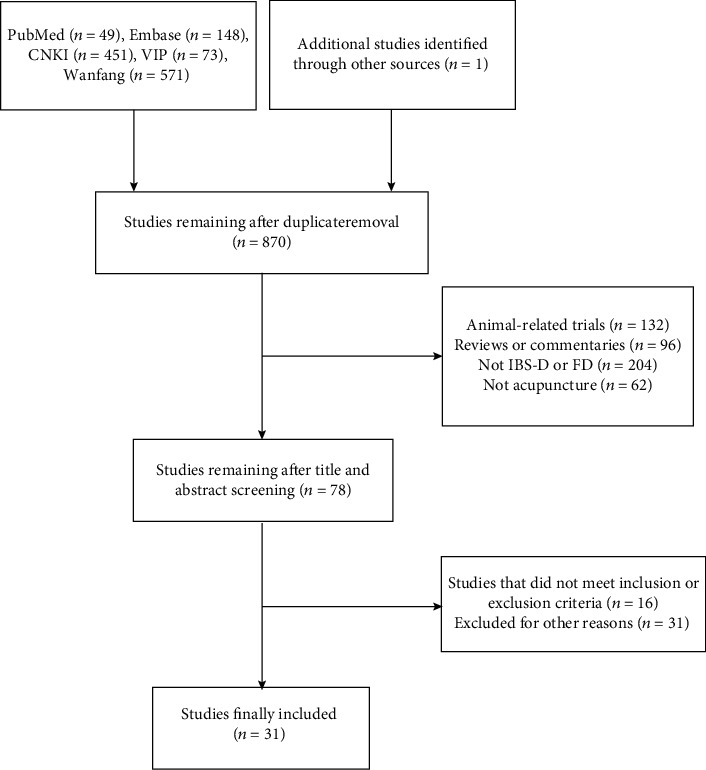
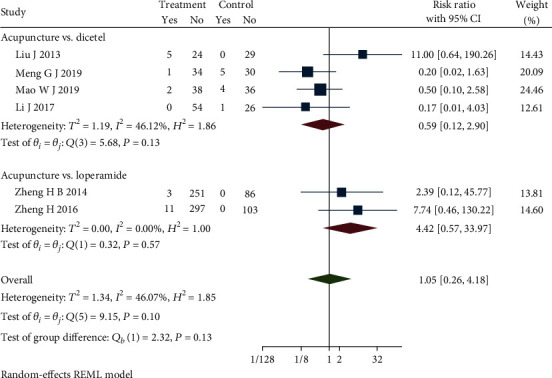
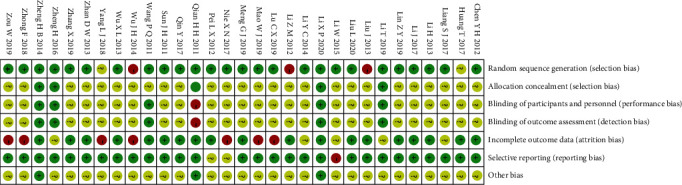
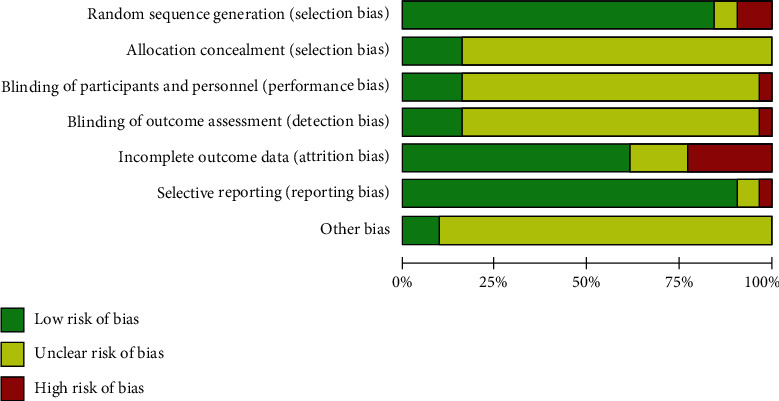
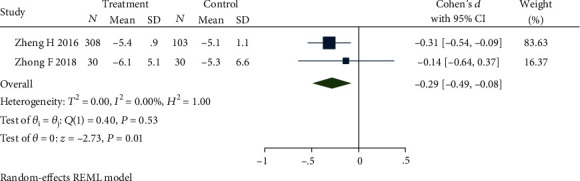
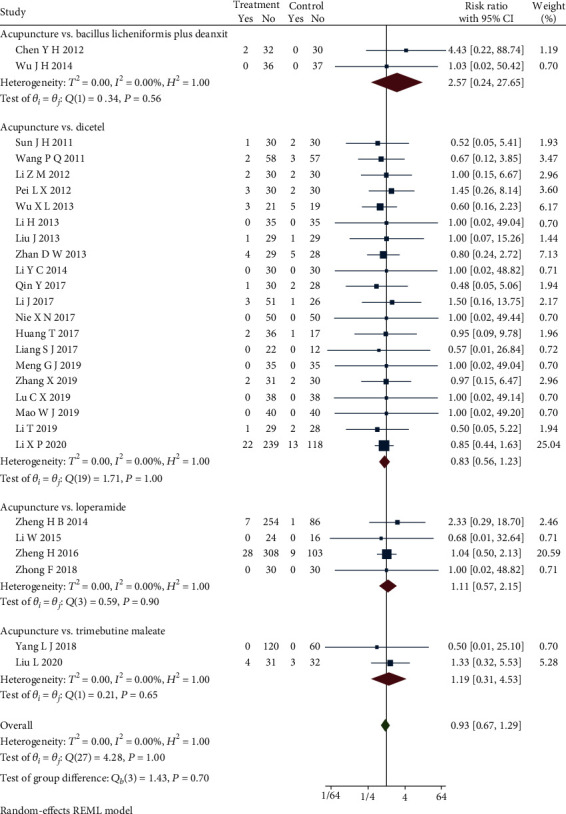
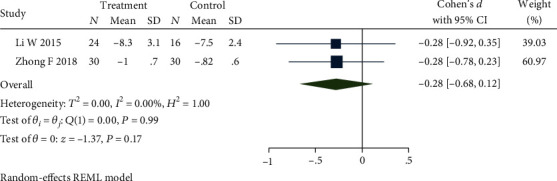
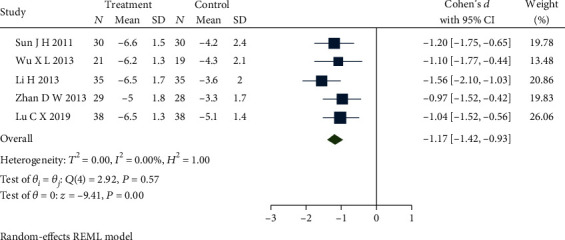
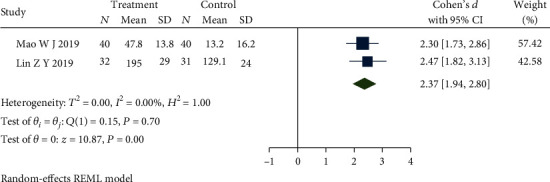
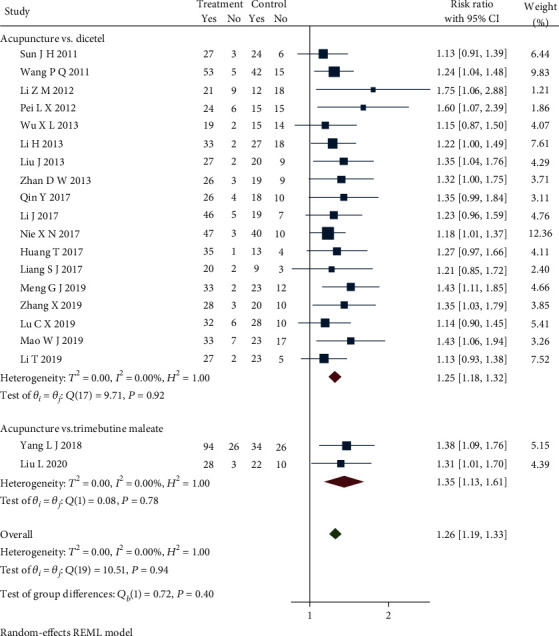
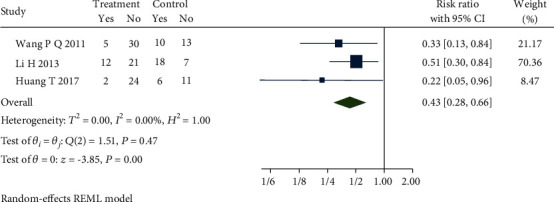
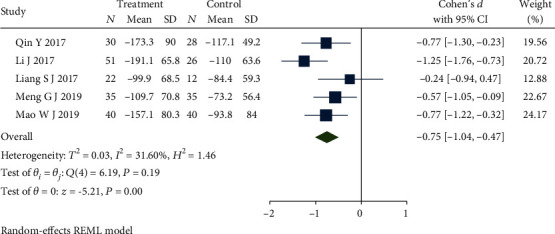
ective. To evaluate the clinical effectiveness and safety of acupuncture therapy in the treatment of diarrhea-predominant irritable bowel syndrome (IBS-D) or functional diarrhea (FD) in adults. Five electronic databases-PubMed, EMBASE, CNKI, VIP, and Wanfang-were searched, respectively, until June 8, 2020. The literature of clinical randomized controlled trials of acupuncture for the treatment of IBS-D or FD in adults were collected. Meta-analysis was conducted by Using Stata 16.0 software, the quality of the included studies was assessed by the RevMan ROB summary and graph, and the results were graded by GRADE. . Thirty-one studies with 3234 patients were included. Most of the studies were evaluated as low risk of bias related to selection bias, attrition bias, and reporting bias. Nevertheless, seven studies showed the high risk of bias due to incomplete outcome data. GRADE's assessments were either moderate certainty or low certainty. Compared with loperamide, acupuncture showed more effectiveness in weekly defecation (SMD = -0.29, 95% CI [-0.49, -0.08]), but no significant improvement in the result of the Bristol stool form (SMD = -0.28, 95% CI [-0.68, 0.12]). In terms of the drop-off rate, although the acupuncture group was higher than the bacillus licheniformis plus beanxit group (RR = 2.57, 95% CI [0.24, 27.65]), loperamide group (RR = 1.11, 95% CI [0.57, 2.15]), and trimebutine maleate group (RR = 1.19, 95% CI [0.31, 4.53]), respectively, it was lower than the dicetel group (RR = 0.83, 95% CI [0.56, 1.23]) and affected the overall trend (RR = 0.93, 95% CI [0.67, 1.29]). Besides, acupuncture produced more significant effect than dicetel related to the total symptom score (SMD = -1.17, 95% CI [-1.42, -0.93]), IBS quality of life (SMD = 2.37, 95% CI [1.94, 2.80]), recurrence rate (RR = 0.43, 95% CI [0.28, 0.66]), and IBS Symptom Severity Scale (SMD = -0.75, 95% CI [-1.04, -0.47]). Compared to dicetel (RR = 1.25, 95% CI [1.18, 1.32]) and trimebutine maleate (RR = 1.35, 95% CI [1.13, 1.61]), acupuncture also showed more effective at total efficiency. The more adverse effect occurred in the acupuncture group when comparing with the dicetel group (RR = 11.86, 95% CI [1.58, 89.07]) and loperamide group (RR = 4.42, 95% CI [0.57, 33.97]), but most of the adverse reactions were mild hypodermic hemorrhage. Acupuncture treatment can improve the clinical effectiveness of IBS-D or FD, with great safety, but the above conclusions need to be further verified through the higher quality of evidence.
评价针刺疗法治疗成人腹泻型肠易激综合征(IBS-D)或功能性腹泻(FD)的临床疗效和安全性。
检索 PubMed、EMBASE、CNKI、VIP 和万方 5 个电子数据库,检索时间截至 2020 年 6 月 8 日,收集针刺治疗成人 IBS-D 或 FD 的临床随机对照试验文献。采用 Stata 16.0 软件进行 Meta 分析,采用 RevMan ROB 总结图评价纳入研究的质量,并采用 GRADE 对结果进行分级。
共纳入 31 项研究,3234 例患者。大多数研究被评估为选择偏倚、失访偏倚和报告偏倚的低风险,但有 7 项研究因结局数据不完整而存在高偏倚风险。GRADE 的评估结果为中等确定性或低确定性。与洛哌丁胺相比,针刺在每周排便次数(SMD=-0.29,95%CI[-0.49,-0.08])方面更有效,但对布里斯托尔粪便形状(SMD=-0.28,95%CI[-0.68,0.12])的结果无显著改善。在脱落率方面,虽然针刺组高于蜡样芽孢杆菌加贝酯组(RR=2.57,95%CI[0.24,27.65])、洛哌丁胺组(RR=1.11,95%CI[0.57,2.15])和马来酸曲美布汀组(RR=1.19,95%CI[0.31,4.53]),但低于地衣芽孢杆菌二联活菌胶囊组(RR=0.83,95%CI[0.56,1.23]),并影响整体趋势(RR=0.93,95%CI[0.67,1.29])。此外,针刺治疗在总症状评分(SMD=-1.17,95%CI[-1.42,-0.93])、肠易激综合征生活质量(SMD=2.37,95%CI[1.94,2.80])、复发率(RR=0.43,95%CI[0.28,0.66])和肠易激综合征症状严重程度评分(SMD=-0.75,95%CI[-1.04,-0.47])方面的疗效均优于地衣芽孢杆菌二联活菌胶囊组,且在总有效率方面优于马来酸曲美布汀组(RR=1.25,95%CI[1.18,1.32])和马来酸曲美布汀组(RR=1.35,95%CI[1.13,1.61])。与地衣芽孢杆菌二联活菌胶囊组(RR=11.86,95%CI[1.58,89.07])和洛哌丁胺组(RR=4.42,95%CI[0.57,33.97])相比,针刺组不良反应发生率更高,但大多数不良反应均为轻度皮下出血。
针刺治疗可改善 IBS-D 或 FD 的临床疗效,具有良好的安全性,但上述结论还需要通过更高质量的证据进一步验证。