Department of Cerebrovascular Diseases, The Second Affiliated Hospital of Zhengzhou University, Zhengzhou, Henan, China; Department of Nanotechnology, Faculty of Advanced Sciences and Technology, Tehran Medical Sciences, Islamic Azad University, Tehran, Iran; Department of Animal Science, Faculty of Agriculture, University of Tabriz, Tabriz, Iran.
Department of Mechanical and Industrial Engineering, College of Engineering, Qatar University, Doha 2713, Qatar; Biomedical Research Center, Qatar University, Doha 2713, Qatar.
Talanta. 2021 Feb 1;223(Pt 1):121704. doi: 10.1016/j.talanta.2020.121704. Epub 2020 Sep 28.
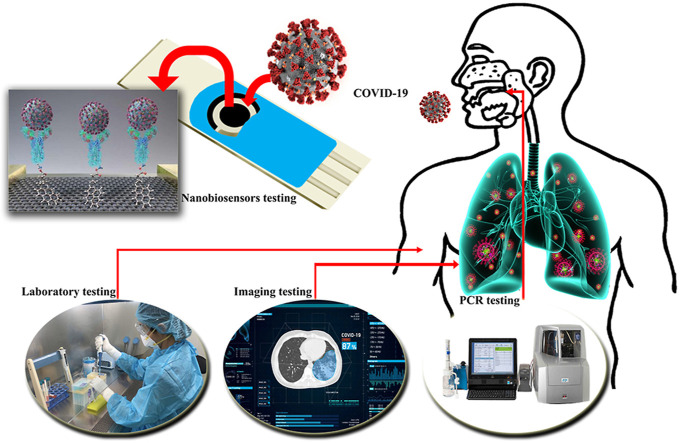
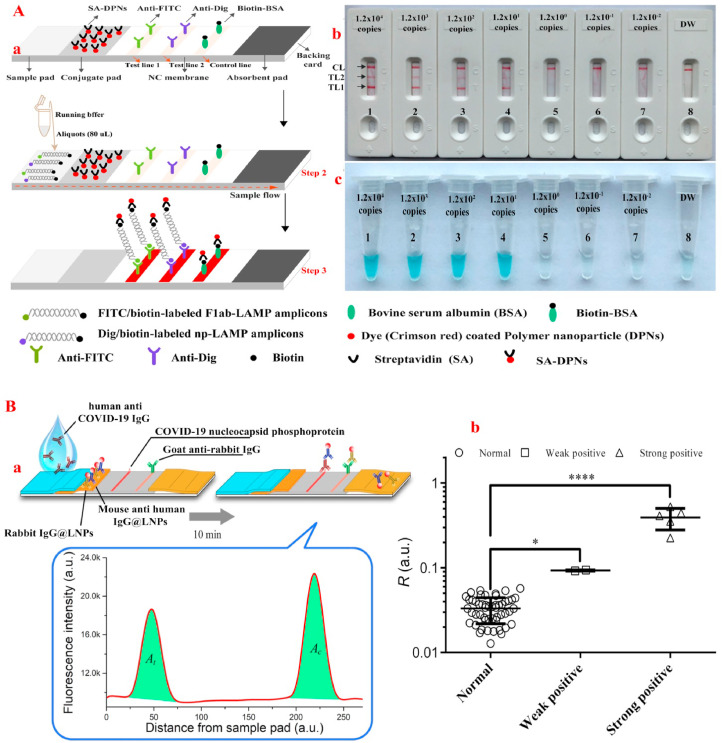
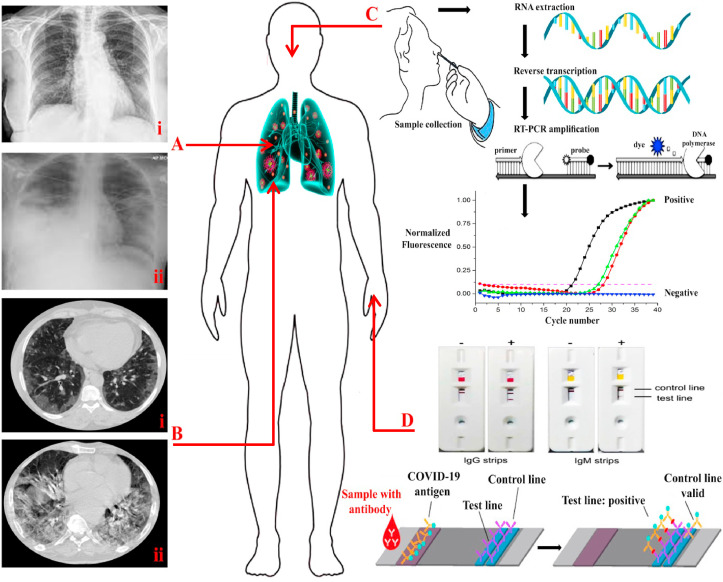
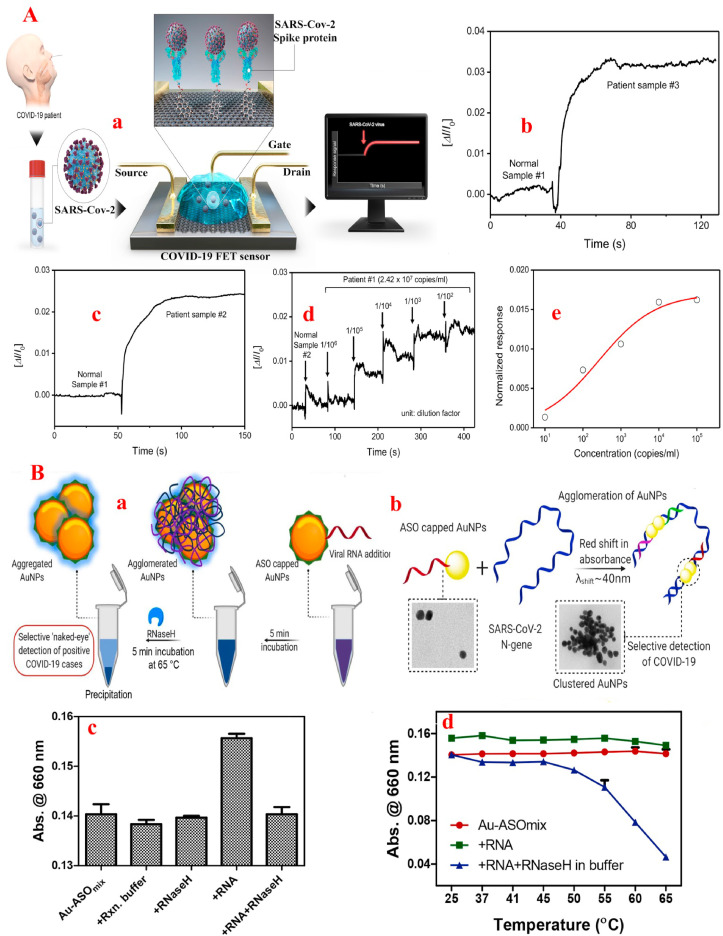
The rapid outbreak of coronavirus disease 2019 (COVID-19) around the world is a tragic and shocking event that demonstrates the unpreparedness of humans to develop quick diagnostic platforms for novel infectious diseases. In fact, statistical reports of diagnostic tools show that their accuracy, specificity and sensitivity in the detection of COVID hampered by some challenges that can be eliminated by using nanoparticles (NPs). In this study, we aimed to present an overview on the most important ways to diagnose different kinds of viruses followed by the introduction of nanobiosensors. Afterward, some methods of COVID-19 detection such as imaging, laboratory and kit-based diagnostic tests are surveyed. Furthermore, nucleic acids/protein- and immunoglobulin (Ig)-based nanobiosensors for the COVID-19 detection infection are reviewed. Finally, current challenges and future perspective for the development of diagnostic or monitoring technologies in the control of COVID-19 are discussed to persuade the scientists in advancing their technologies beyond imagination. In conclusion, it can be deduced that as rapid COVID-19 detection infection can play a vital role in disease control and treatment, this review may be of great help for controlling the COVID-19 outbreak by providing some necessary information for the development of portable, accurate, selectable and simple nanobiosensors.
2019 年冠状病毒病(COVID-19)在全球范围内的迅速爆发是一个悲惨而令人震惊的事件,这表明人类在开发新型传染病快速诊断平台方面毫无准备。事实上,诊断工具的统计报告表明,其在 COVID 检测中的准确性、特异性和敏感性受到一些挑战的阻碍,这些挑战可以通过使用纳米粒子(NPs)来消除。在本研究中,我们旨在概述诊断各种病毒的最重要方法,然后介绍纳米生物传感器。随后,调查了 COVID-19 的一些检测方法,如成像、实验室和基于试剂盒的诊断测试。此外,还综述了用于 COVID-19 感染检测的核酸/蛋白和免疫球蛋白(Ig)基纳米生物传感器。最后,讨论了诊断或监测技术在 COVID-19 控制方面的当前挑战和未来展望,以说服科学家超越想象地推进他们的技术。总之,可以推断出快速 COVID-19 检测感染可以在疾病控制和治疗中发挥重要作用,本综述通过为便携式、准确、可选择和简单的纳米生物传感器的开发提供必要信息,可能对控制 COVID-19 爆发有很大帮助。