Yang Hobin, Le Quoc-Viet, Shim Gayong, Oh Yu-Kyoung, Shin Young Kee
Laboratory of Molecular Pathology and Cancer Genomics, College of Pharmacy and Research Institute of Pharmaceutical Sciences, Seoul National University, Seoul 08826, Republic of Korea.
College of Pharmacy and Research Institute of Pharmaceutical Sciences, Seoul National University, Seoul 08826, Republic of Korea.
Acta Pharm Sin B. 2020 Nov;10(11):2212-2226. doi: 10.1016/j.apsb.2020.07.006. Epub 2020 Jul 18.
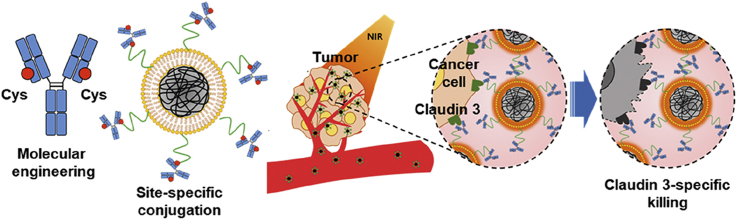
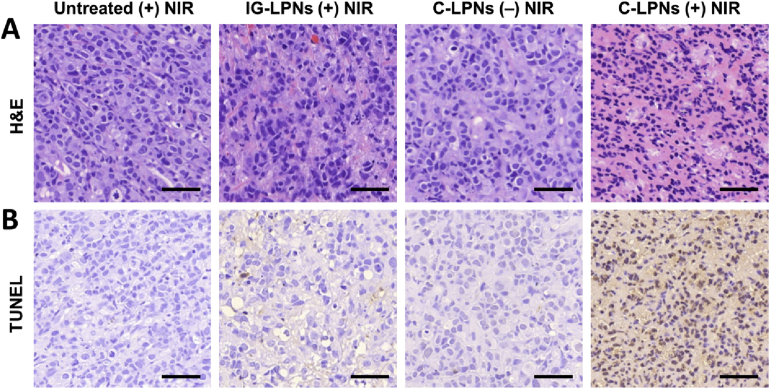
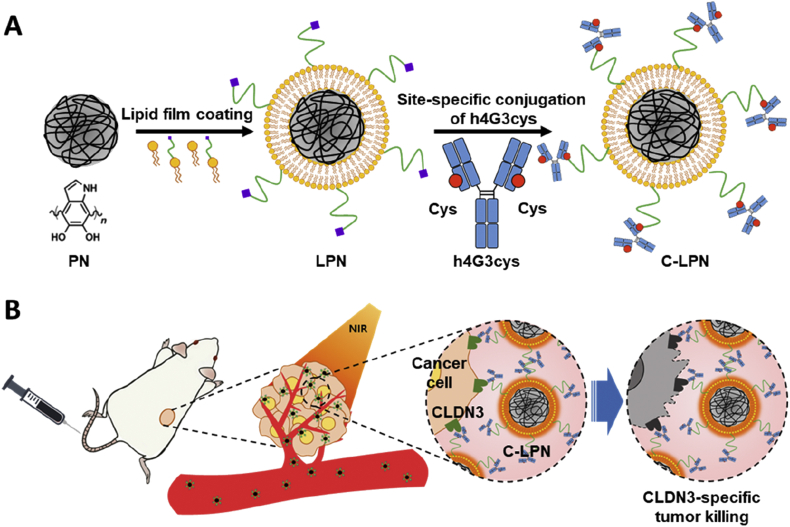
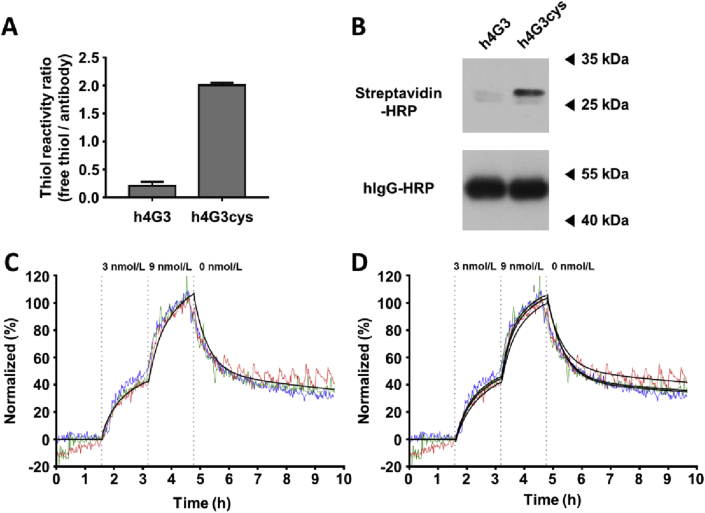
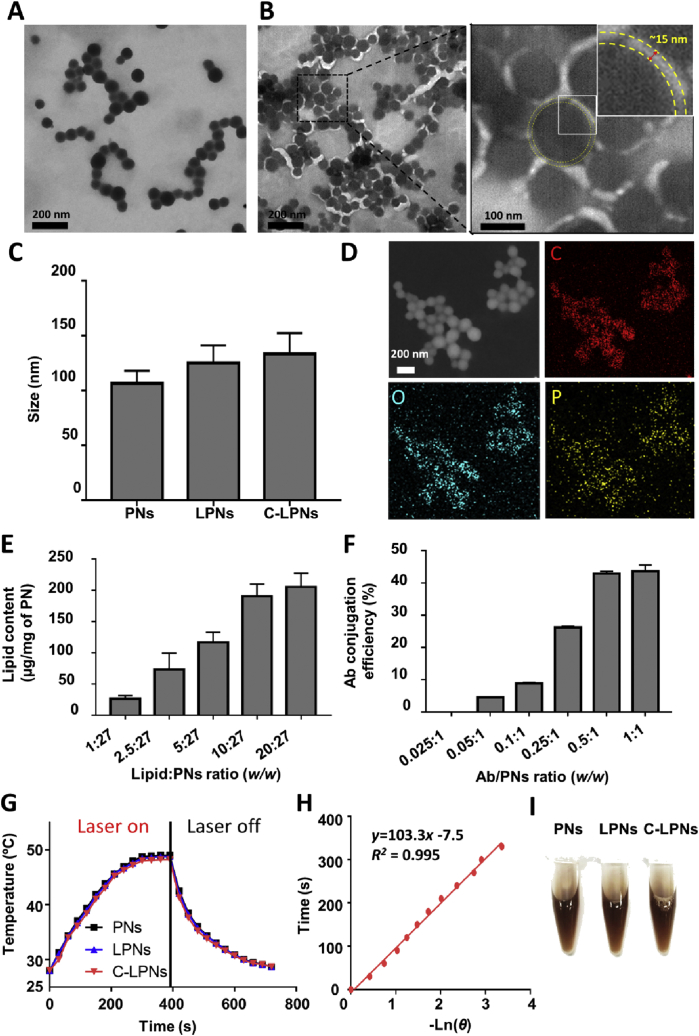
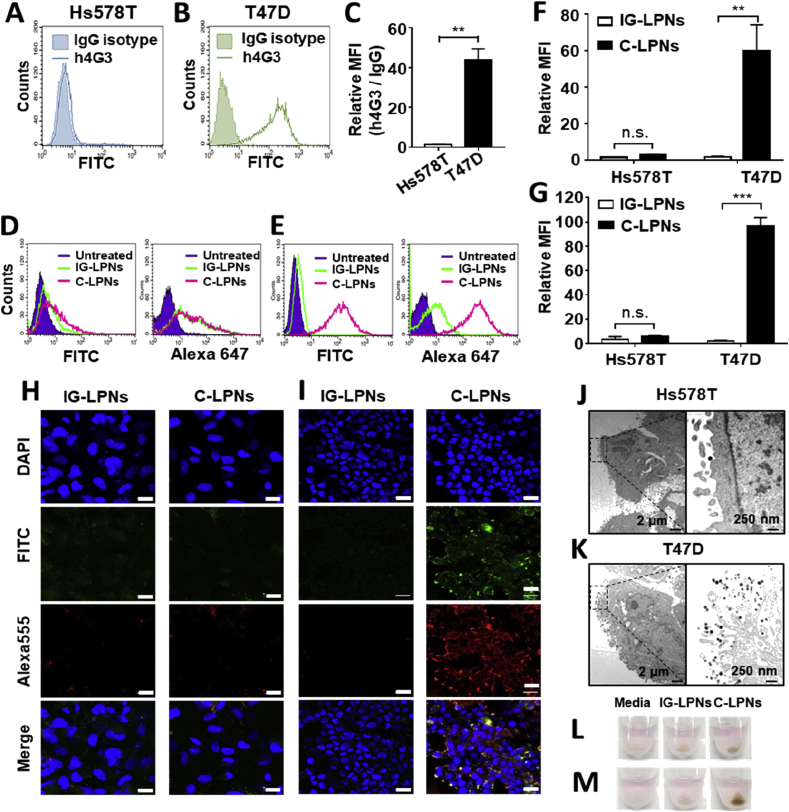
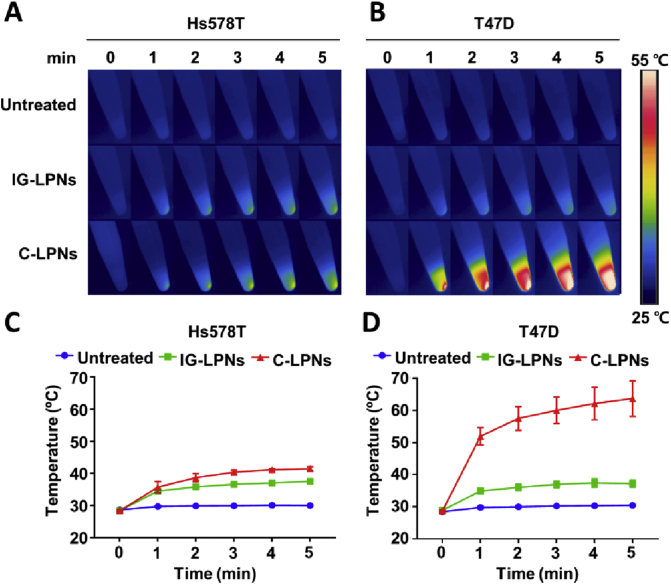
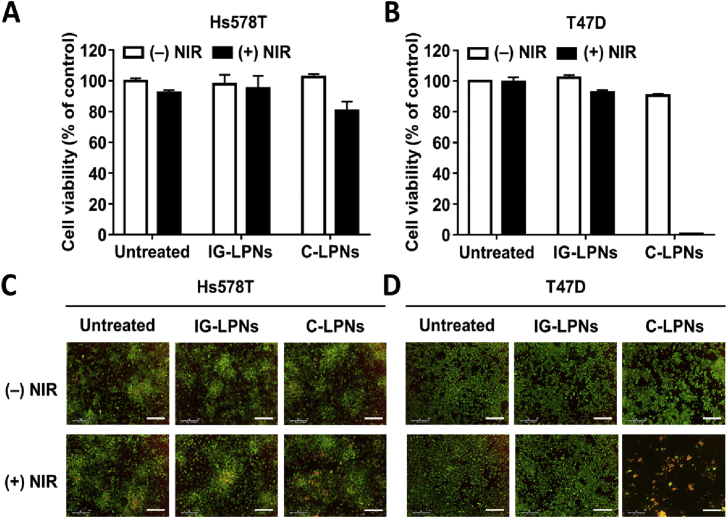
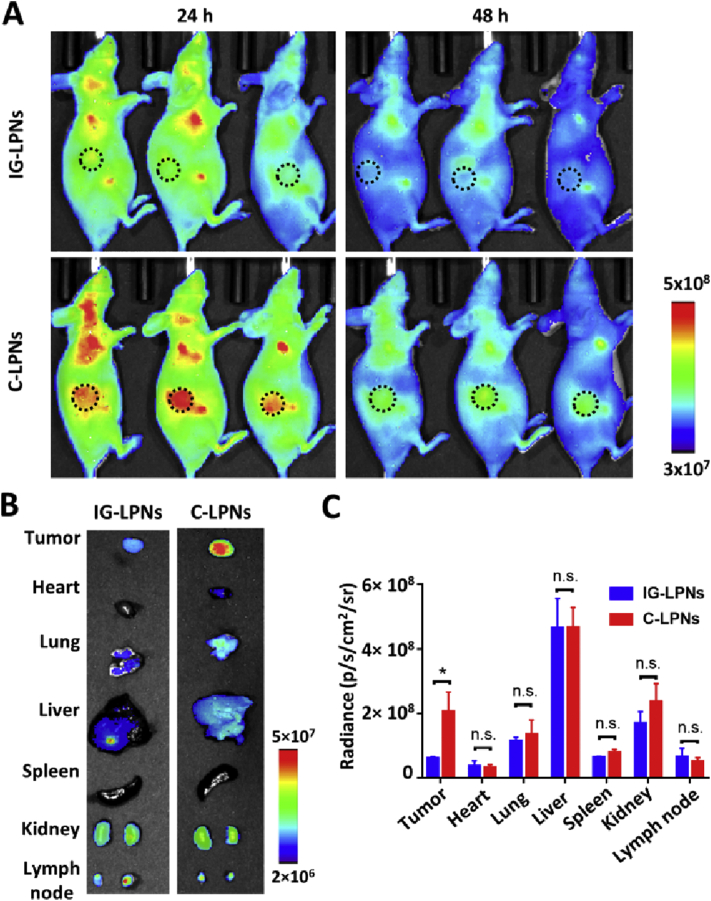
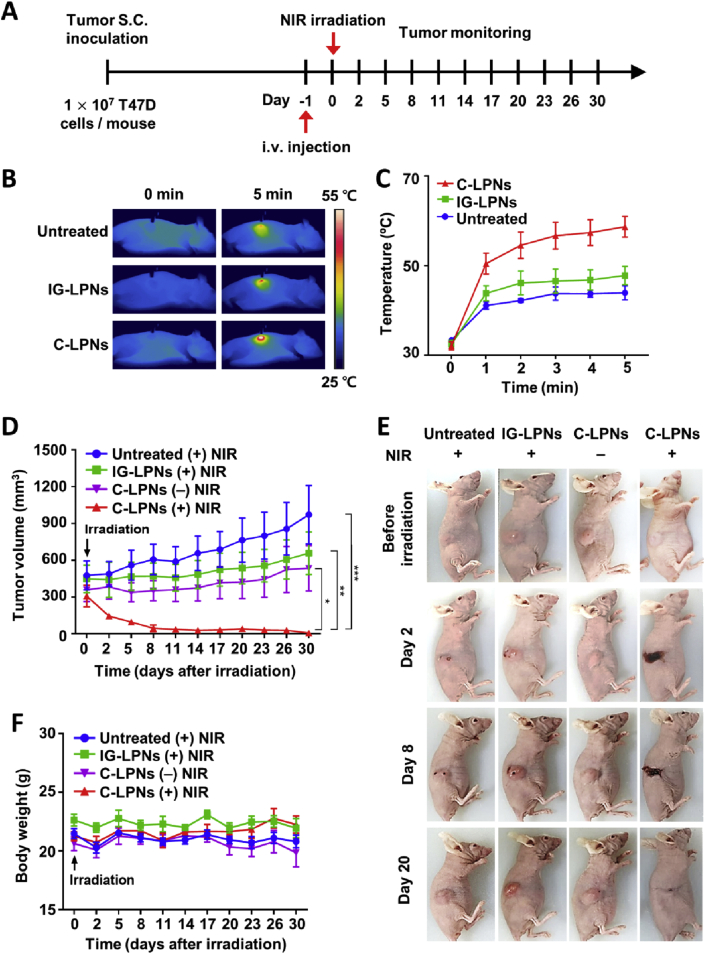
Conjugation of antibodies to nanoparticles allows specific cancer targeting, but conventional conjugation methods generate heterogeneous conjugations that cannot guarantee the optimal orientation and functionality of the conjugated antibody. Here, a molecular engineering technique was used for site-specific conjugation of antibodies to nanoparticles. We designed an anti-claudin 3 (CLDN3) antibody containing a single cysteine residue, h4G3cys, then linked it to the maleimide group of lipid polydopamine hybrid nanoparticles (LPNs). Because of their negatively charged lipid coating, LPNs showed high colloidal stability and provided a functional surface for site-specific conjugation of h4G3cys. The activity of h4G3cys was tested by measuring the binding of h4G3cys-conjugated LPNs (C-LPNs) to CLDN3-positive tumor cells and assessing its subsequent photothermal effects. C-LPNsspecifically recognized CLDN3-overexpressing T47D breast cancer cells but not CLDN3-negative Hs578T breast cancer cells. High binding of C-LPNs to CLDN3-overexpressing T47D cells resulted in significantly higher temperature generation upon NIR irradiation and potent anticancer photothermal efficacy. Consistent with this, intravenous injection of C-LPNsin a T47D xenograft mouse model followed by NIR irradiation caused remarkable tumor ablation compared with other treatments through high temperature increases. Our results establish an accurate antibody-linking method and demonstrate the possibility of developing therapeutics using antibody-guided nanoparticles.
将抗体与纳米颗粒偶联可实现对癌症的特异性靶向,但传统的偶联方法会产生异质偶联物,无法保证偶联抗体的最佳取向和功能。在此,我们使用一种分子工程技术实现抗体与纳米颗粒的位点特异性偶联。我们设计了一种含有单个半胱氨酸残基的抗Claudin 3(CLDN3)抗体h4G3cys,然后将其与脂质聚多巴胺杂化纳米颗粒(LPNs)的马来酰亚胺基团相连。由于其带负电荷的脂质涂层,LPNs表现出高胶体稳定性,并为h4G3cys的位点特异性偶联提供了功能性表面。通过测量h4G3cys偶联的LPNs(C-LPNs)与CLDN3阳性肿瘤细胞的结合并评估其随后的光热效应来测试h4G3cys的活性。C-LPNs特异性识别CLDN3过表达的T47D乳腺癌细胞,但不识别CLDN3阴性的Hs578T乳腺癌细胞。C-LPNs与CLDN3过表达的T47D细胞的高结合导致近红外照射后产生显著更高的温度以及强大的抗癌光热疗效。与此一致的是,在T47D异种移植小鼠模型中静脉注射C-LPNs后进行近红外照射,与其他通过高温升高的治疗相比,导致了显著的肿瘤消融。我们的结果建立了一种精确的抗体连接方法,并证明了使用抗体导向纳米颗粒开发治疗药物的可能性。