Sivakumar Dharini, Phan Anh Dao Thi, Slabbert Retha M, Sultanbawa Yasmina, Remize Fabienne
Department of Crop Sciences, Phytochemical Food Network Research Group, Tshwane University of Technology, Pretoria, South Africa.
Australian Research Council (ARC) Industrial Transformation Training Centre for Uniquely Australian Foods, Queensland Alliance for Agriculture and Food Innovation, The University of Queensland, Brisbane, QLD, Australia.
Front Nutr. 2020 Nov 16;7:576532. doi: 10.3389/fnut.2020.576532. eCollection 2020.
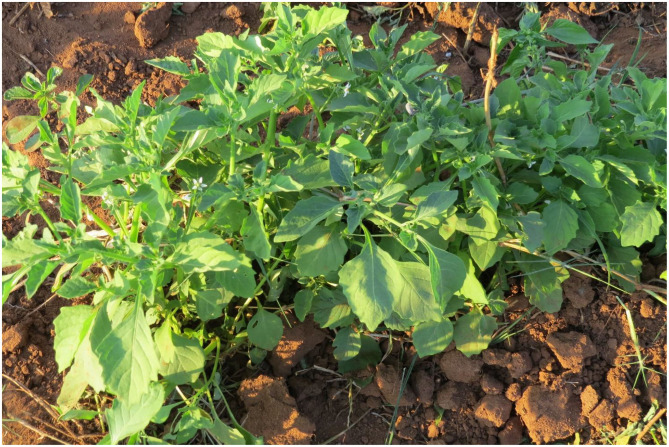
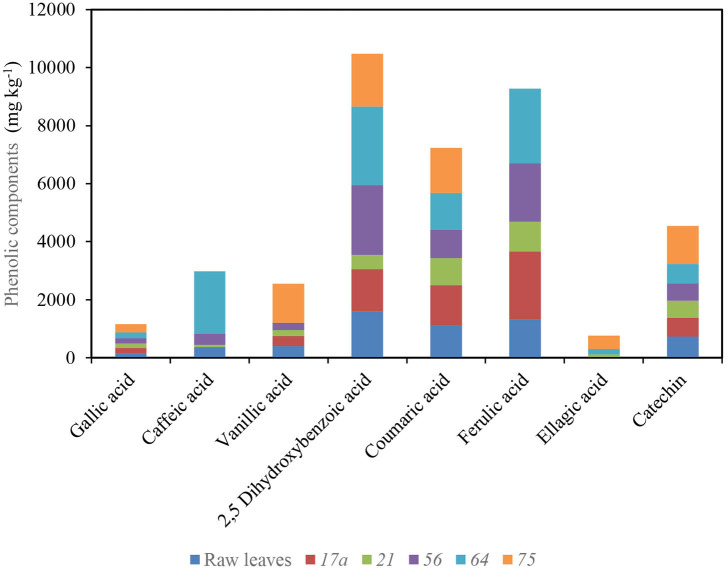
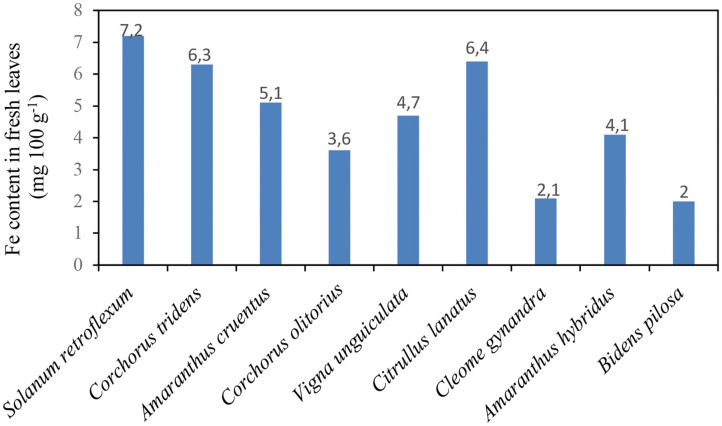
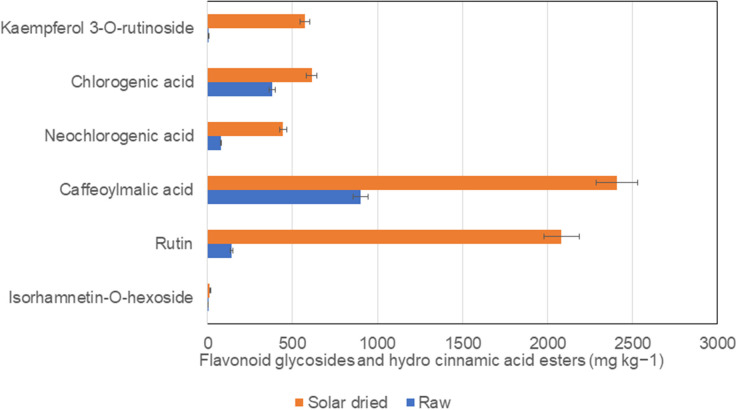
Underutilized or traditional leafy vegetables are grown in the wild and cultivated. They are consumed as nutritional accompaniments to staples, either raw (fresh), cooked, or in a dried form, through custom, habit, and tradition. These traditional leafy vegetables are natural rich sources of phytochemicals and nutritional compounds. Over time, the keenness for consumption of traditional vegetables has become less popular. Poor nutrient diets are the main cause of mortality and morbidity, especially in developing countries, where the problem is predominant due to poverty. Consumption of traditional vegetables can assist in the prevention of chronic disease development, as they contain various bioactive compounds that exhibit multiple health benefits. Traditional leafy vegetables play a vital role in combatting hunger, food insecurity, and malnutrition, and most are suitable for food intervention programs. African nightshade ( family) is one such commonly consumed traditional leafy vegetable. During dry seasons, communities often face shortages of vegetables; thus, the preservation of edible leaves is one strategy to help overcome this problem. The adoption of solar drying and fermentation are traditional methods to extend the availability of African nightshade vegetables. Additionally, the agronomy practices and postharvest processing methods affect the phytochemicals and nutritional compounds of African nightshade accessions. This mini-review provides information on changes in phytochemicals, nutrition, and antinutritive compounds with different postharvest processing methods and irrigation. The review provides the justification to promote the cultivation for consumption, by identifying the potential African nightshade accessions that are rich in phytonutritional compounds. This mini-review summarizes and discusses the major information on (i) the micro- and macronutrients present in , the most commonly consumed nightshade species compared with other traditional vegetables in Southern Africa, (ii) the composition of phytochemical compounds present in different nightshade accessions, (iii) the impact of irrigation on phytochemical composition in different nightshade species, and (iv) the impact of postharvest processing on phytochemicals and antinutritive compounds in . Inclusion of African nightshade, especially , with the main staple foods can improve protein, iron, and calcium levels in daily diets, which will help to improve people's health and well-being.
未充分利用的或传统的叶菜类蔬菜生长于野外且有人工种植。人们出于习俗、习惯和传统,将它们作为主食的营养配菜食用,食用形式有生的(新鲜的)、煮熟的或干制的。这些传统叶菜类蔬菜是植物化学物质和营养化合物的天然丰富来源。随着时间的推移,食用传统蔬菜的热情已变得不那么普遍。营养不良的饮食是导致死亡和发病的主要原因,尤其是在发展中国家,由于贫困,这个问题尤为突出。食用传统蔬菜有助于预防慢性病的发展,因为它们含有多种具有多种健康益处的生物活性化合物。传统叶菜类蔬菜在对抗饥饿、粮食不安全和营养不良方面发挥着至关重要的作用,并且大多数适合用于食品干预计划。非洲茄(属)就是这样一种常见的食用传统叶菜类蔬菜。在旱季,社区常常面临蔬菜短缺的问题;因此,保存可食用叶片是帮助克服这一问题的一种策略。采用太阳能干燥和发酵是延长非洲茄类蔬菜供应期的传统方法。此外,农艺实践和采后加工方法会影响非洲茄种质的植物化学物质和营养化合物。这篇小型综述提供了关于不同采后加工方法和灌溉方式下植物化学物质、营养成分和抗营养化合物变化的信息。通过确定富含植物营养化合物的潜在非洲茄种质,该综述为推广种植以供食用提供了依据。这篇小型综述总结并讨论了以下主要信息:(i)与南部非洲其他传统蔬菜相比,最常食用的茄属物种中存在的微量和常量营养素;(ii)不同茄属种质中存在的植物化学化合物的组成;(iii)灌溉对不同茄属物种植物化学组成的影响;(iv)采后加工对非洲茄中植物化学物质和抗营养化合物的影响。将非洲茄,尤其是[具体品种未明确],与主要主食一起食用,可以提高日常饮食中的蛋白质、铁和钙含量,这将有助于改善人们的健康和福祉。