Ngwene Benard, Neugart Susanne, Baldermann Susanne, Ravi Beena, Schreiner Monika
Leibniz Institute of Vegetable and Ornamental Crops, Großbeeren, Germany.
Institute of Nutritional Science, University of Potsdam, Potsdam, Germany.
Front Plant Sci. 2017 Sep 29;8:1700. doi: 10.3389/fpls.2017.01700. eCollection 2017.
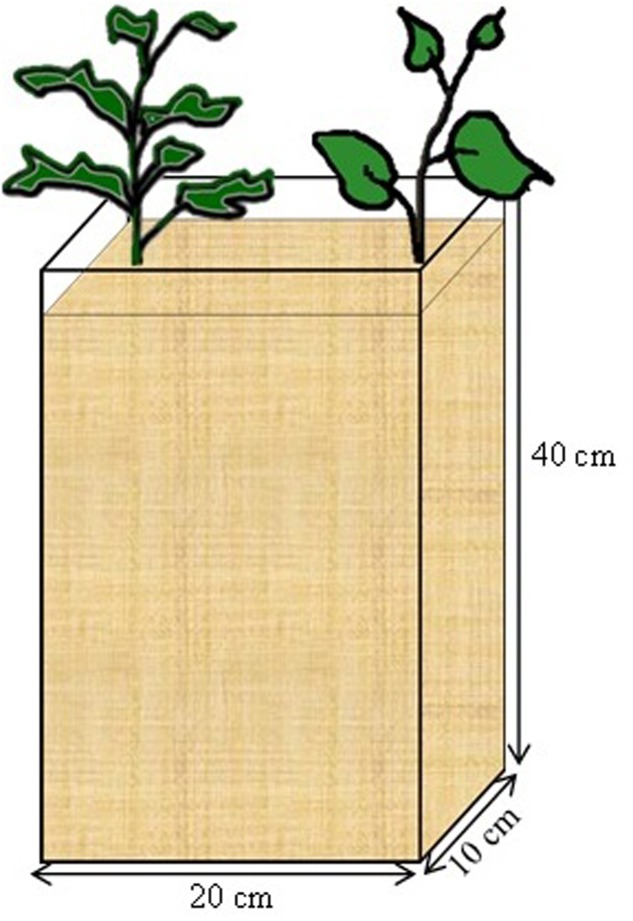
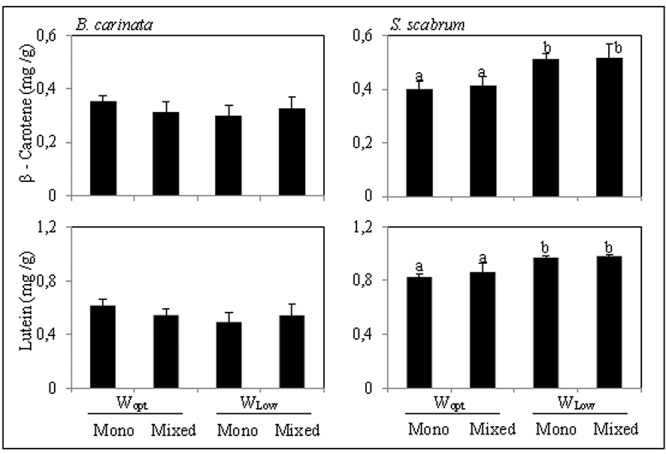
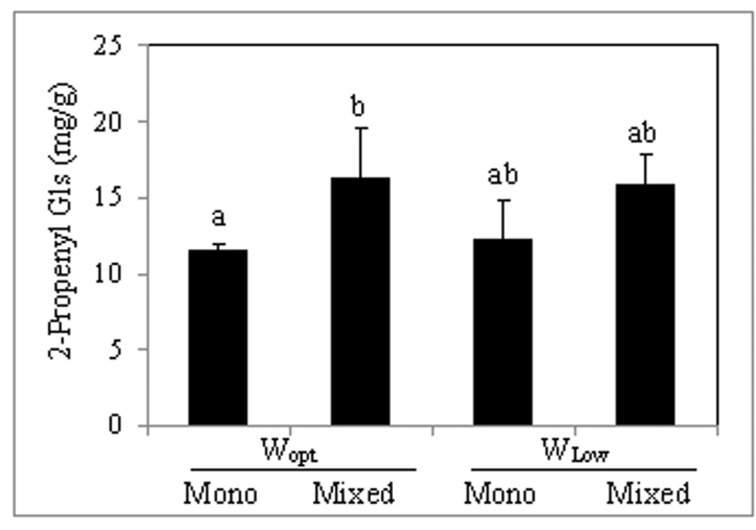
Intercropping is widespread in small-holder farming systems in tropical regions and is also practiced in the cultivation of indigenous vegetables, to alleviate the multiple burdens of malnutrition. Due to interspecific competition and/or complementation between intercrops, intercropping may lead to changes in plants accumulation of minerals and secondary metabolites and hence, alter nutritional quality for consumers. Intercropping aims to intensify land productivity, while ensuring that nutritional quality is not compromised. This study aimed to investigate changes in minerals and secondary plant metabolites in intercropped and , two important African indigenous vegetables, and evaluated the suitability of this combination for dryer areas. and were grown for 6 weeks under controlled conditions in a greenhouse trial. Large rootboxes (8000 cm volume) were specifically designed for this experiment. Each rootbox was planted with two plants, either of the same plant species (mono) or one of each plant species (mixed). A quartz sand/soil substrate was used and fertilized adequately for optimal plant growth. During the last 4 weeks of the experiment, the plants were either supplied with optimal (65% WHC) or low (30% WHC) irrigation, to test the effect of a late-season drought. Intercropping increased total glucosinolate content in , while maintaining biomass production and the contents of other health related minerals in both and . Moreover, low irrigation led to an increase in carotene accumulation in both mono and intercropped , but not in , while the majority of kaempferol glycosides and hydroxycinnamic acid derivatives of both species were decreased by intercropping and drought treatment. This study indicates that some health-related phytochemicals can be modified by intercropping or late-season drought, but field validation of these results is necessary before definite recommendation can be made to stakeholders.
间作在热带地区的小农种植系统中广泛存在,在本土蔬菜种植中也有应用,以减轻营养不良带来的多重负担。由于间作作物之间存在种间竞争和/或互补作用,间作可能导致植物矿物质和次生代谢产物积累发生变化,从而改变对消费者的营养品质。间作旨在提高土地生产力,同时确保营养品质不受影响。本研究旨在调查两种重要的非洲本土蔬菜间作时矿物质和植物次生代谢产物的变化,并评估这种组合对干旱地区的适用性。在温室试验的可控条件下,将这两种蔬菜种植6周。为此专门设计了大型根箱(体积为8000立方厘米)。每个根箱种植两株植物,要么是同一植物物种(单作),要么是每种植物各一株(混作)。使用石英砂/土壤基质,并充分施肥以实现植物的最佳生长。在试验的最后4周内,分别对植物进行最佳灌溉(65%田间持水量)或低灌溉(30%田间持水量),以测试季末干旱的影响。间作增加了某蔬菜中总芥子油苷含量,但同时维持了两种蔬菜的生物量产量以及其他与健康相关矿物质的含量。此外,低灌溉导致单作和间作的某蔬菜中胡萝卜素积累增加,但另一种蔬菜未增加,而两种蔬菜中的多数山奈酚糖苷和羟基肉桂酸衍生物因间作和干旱处理而减少。本研究表明,一些与健康相关的植物化学物质可通过间作或季末干旱来改变,但在向利益相关者提出明确建议之前,有必要对这些结果进行田间验证。