Lorvellec Maëlle, Pellegata Alessandro Filippo, Maestri Alice, Turchetta Chiara, Alvarez Mediavilla Elena, Shibuya Soichi, Jones Brendan, Scottoni Federico, Perocheau Dany P, Cozmescu Andrei Claudiu, Delhove Juliette M, Kysh Daniel, Gjinovci Asllan, Counsell John R, Heywood Wendy E, Mills Kevin, McKay Tristan R, De Coppi Paolo, Gissen Paul
MRC Laboratory for Molecular Cell Biology, University College London, London WC1E 6BT, UK.
Genetics and Genomic Medicine Department, Great Ormond Street Institute of Child Health, University College London, London WC1N 1EH, UK.
iScience. 2020 Nov 13;23(12):101808. doi: 10.1016/j.isci.2020.101808. eCollection 2020 Dec 18.
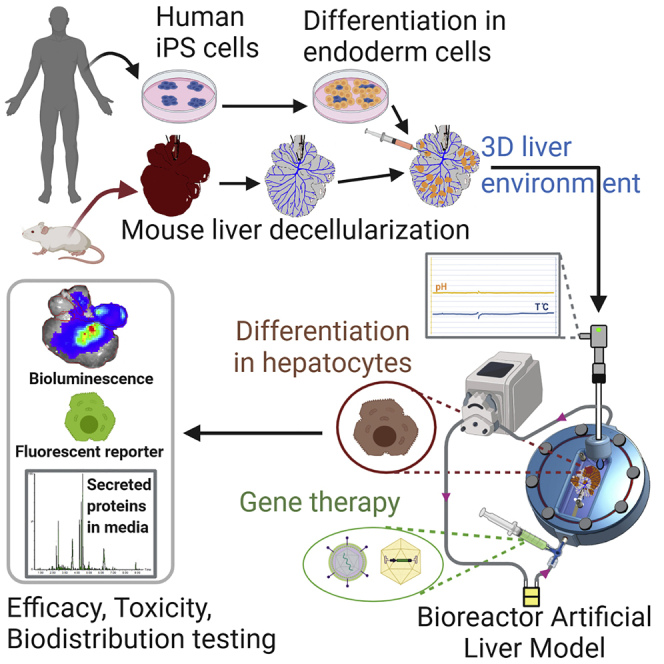
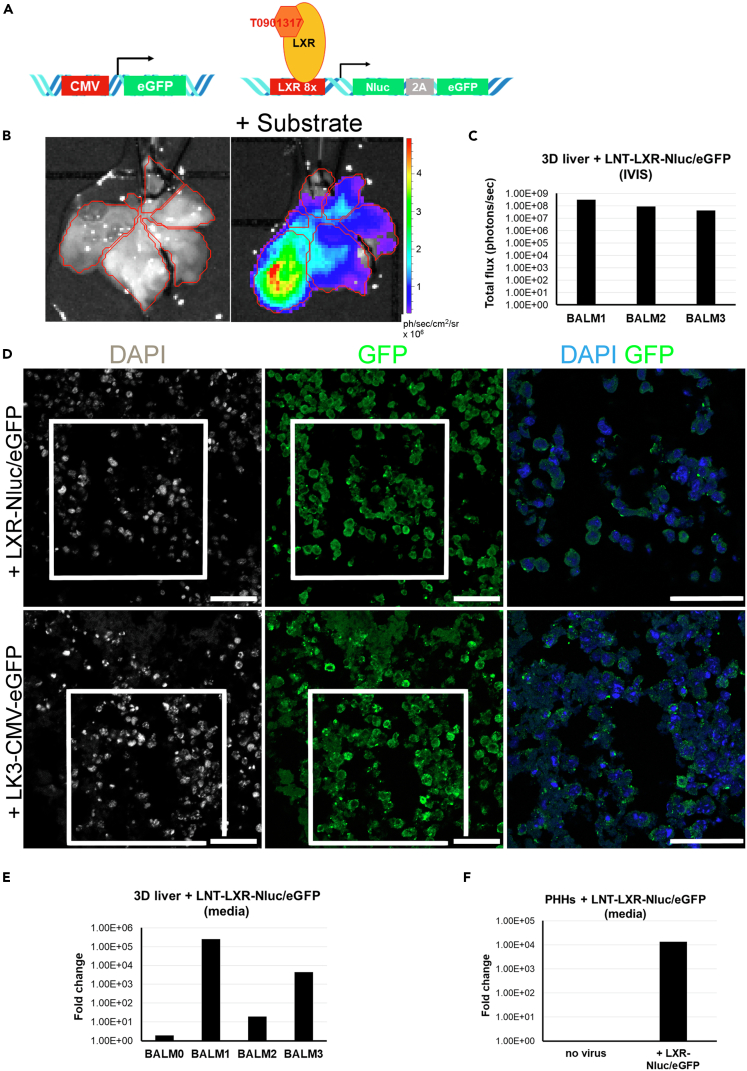
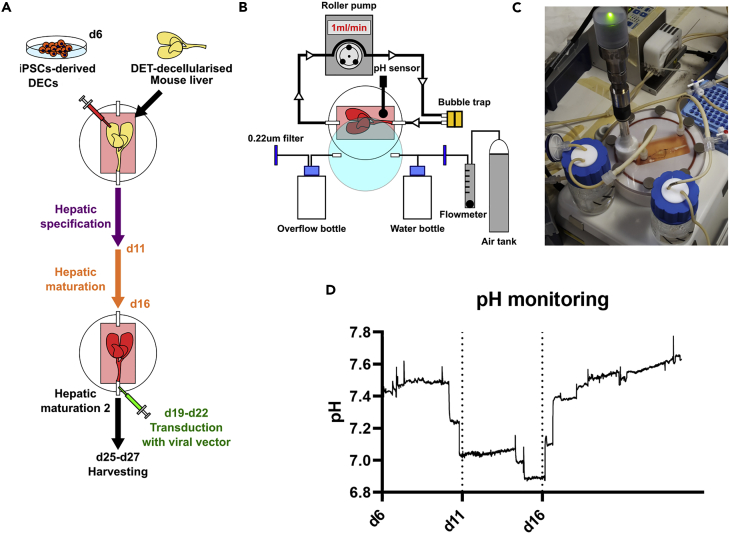
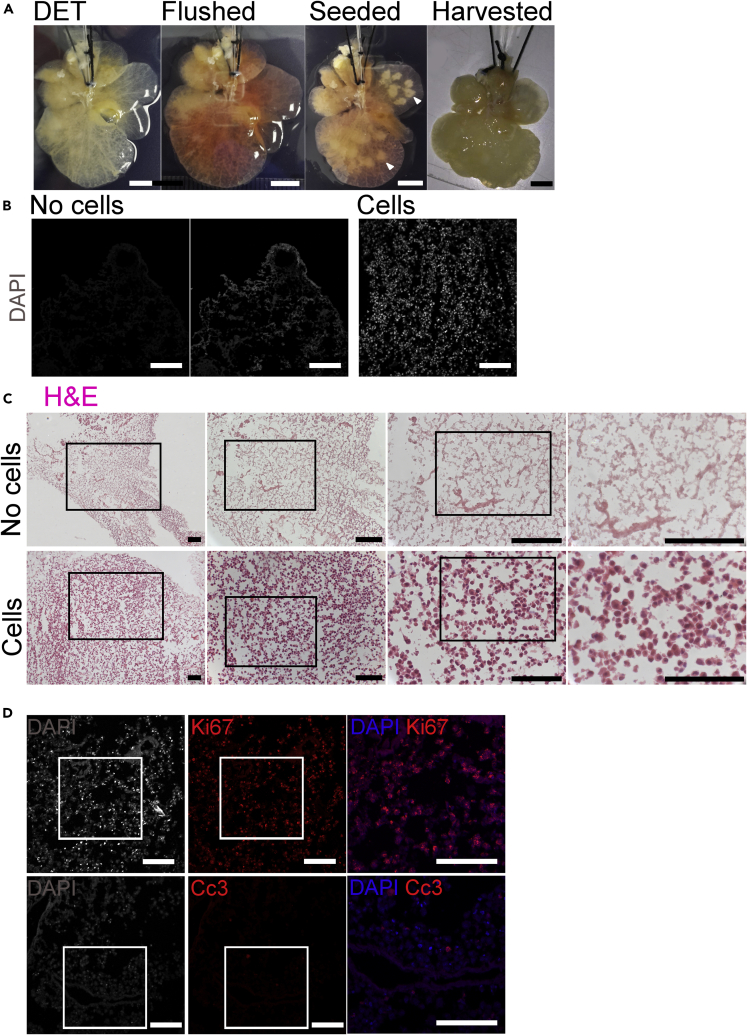
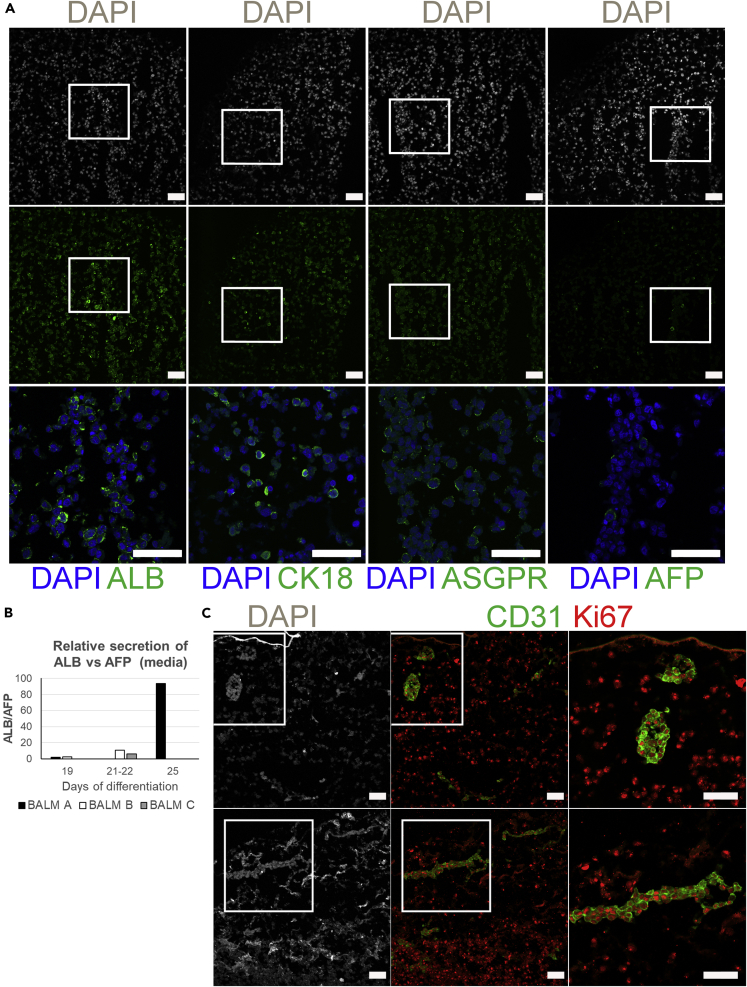
Explosion of gene therapy approaches for treating rare monogenic and common liver disorders created an urgent need for disease models able to replicate human liver cellular environment. Available models lack 3D liver structure or are unable to survive in long-term culture. We aimed to generate and test a 3D culture system that allows long-term maintenance of human liver cell characteristics. The whole-organ "Bioreactor grown Artificial Liver Model" (BALM) employs a custom-designed bioreactor for long-term 3D culture of human induced pluripotent stem cells-derived hepatocyte-like cells (hiHEPs) in a mouse decellularized liver scaffold. Adeno-associated viral (AAV) and lentiviral (LV) vectors were introduced by intravascular injection. Substantial AAV and LV transgene expression in the BALM-grown hiHEPs was detected. Measurement of secreted proteins in the media allowed non-invasive monitoring of the system. We demonstrated that humanized whole-organ BALM is a valuable tool to generate pre-clinical data for investigational medicinal products.
用于治疗罕见单基因和常见肝脏疾病的基因治疗方法激增,迫切需要能够复制人类肝脏细胞环境的疾病模型。现有的模型缺乏三维肝脏结构,或者无法在长期培养中存活。我们旨在生成并测试一种能够长期维持人类肝脏细胞特征的三维培养系统。全器官“生物反应器培养人工肝模型”(BALM)采用定制设计的生物反应器,用于在小鼠脱细胞肝脏支架中对人诱导多能干细胞来源的肝细胞样细胞(hiHEP)进行长期三维培养。通过血管内注射引入腺相关病毒(AAV)和慢病毒(LV)载体。在BALM培养的hiHEP中检测到大量AAV和LV转基因表达。通过测量培养基中的分泌蛋白可以对该系统进行非侵入性监测。我们证明,人源化全器官BALM是为研究性药品生成临床前数据的宝贵工具。