Department of Anatomy and Embryology, Leiden University Medical Center, Einthovenweg 20, 2333 ZC Leiden, the Netherlands.
Department of Anatomy and Embryology, Leiden University Medical Center, Einthovenweg 20, 2333 ZC Leiden, the Netherlands.
Stem Cell Reports. 2021 Mar 9;16(3):385-397. doi: 10.1016/j.stemcr.2020.11.003. Epub 2020 Dec 10.
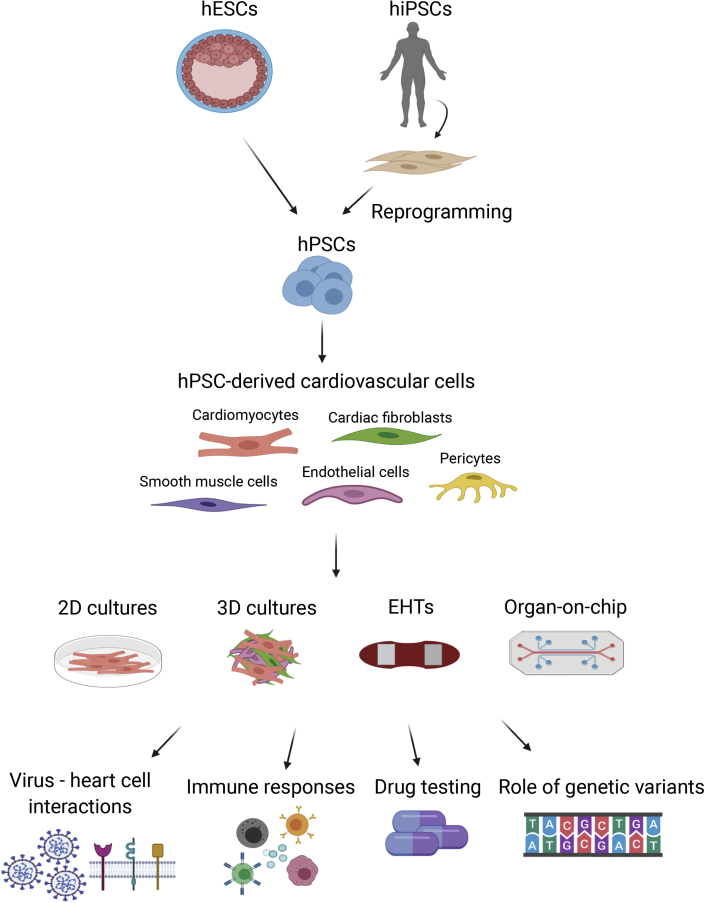
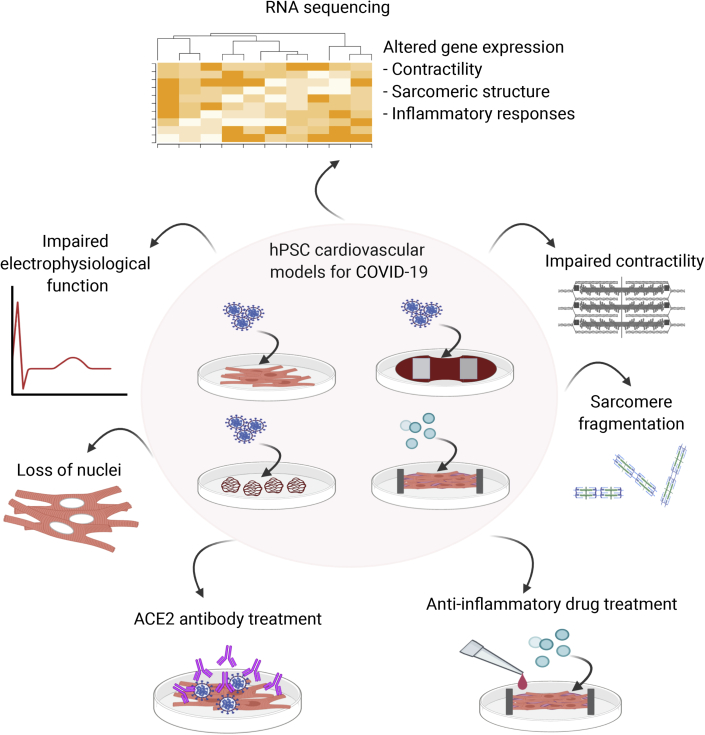
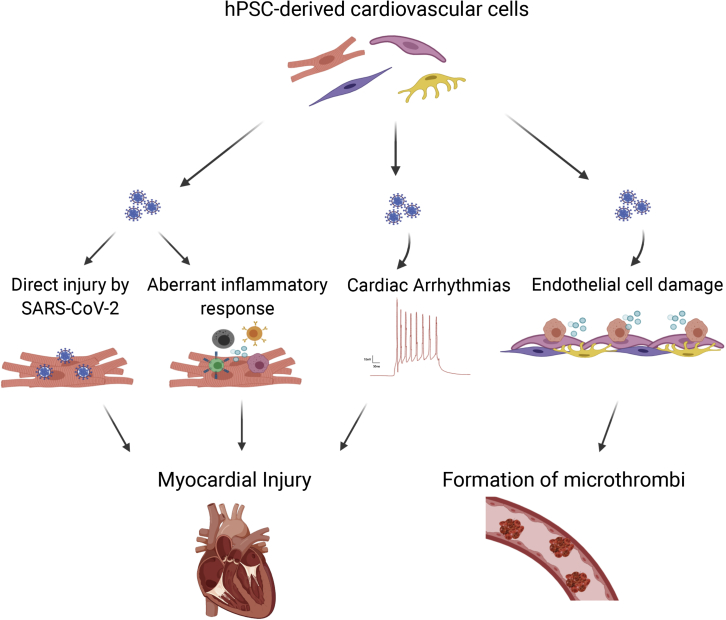
The severe acute respiratory syndrome coronavirus 2 (SARS-CoV-2) led to the coronavirus disease (COVID-19) outbreak that became a pandemic in 2020, causing more than 30 million infections and 1 million deaths to date. As the scientific community has looked for vaccines and drugs to treat or eliminate the virus, unexpected features of the disease have emerged. Apart from respiratory complications, cardiovascular disease has emerged as a major indicator of poor prognosis in COVID-19. It has therefore become of utmost importance to understand how SARS-CoV-2 damages the heart. Human pluripotent stem cell (hPSC) cardiovascular derivatives were rapidly recognized as an invaluable tool to address this, not least because one of the major receptors for the virus is not recognized by SARS-CoV-2 in mice. Here, we outline how hPSC-derived cardiovascular cells have been utilized to study COVID-19, and their potential for further understanding the cardiac pathology and in therapeutic development.
严重急性呼吸综合征冠状病毒 2(SARS-CoV-2)引发了 2020 年的冠状病毒病(COVID-19)大流行,导致目前已有超过 3000 万人感染和 100 万人死亡。随着科学界寻找疫苗和药物来治疗或消除该病毒,该疾病出现了一些意想不到的特征。除了呼吸道并发症,心血管疾病已成为 COVID-19 预后不良的一个主要指标。因此,了解 SARS-CoV-2 如何损伤心脏变得至关重要。人类多能干细胞(hPSC)心血管衍生物很快被认为是解决这一问题的宝贵工具,尤其是因为该病毒的主要受体之一在小鼠中不受 SARS-CoV-2 的识别。在这里,我们概述了如何利用 hPSC 衍生的心血管细胞来研究 COVID-19,以及它们在进一步了解心脏病理学和治疗开发方面的潜力。