Khorrami Farid, Shahi Mehraban, DavariDolatabadi Nasrin, Alishan Karami Nader, HasaniAzad Mehdi, Jafariyan Fereshteh, Sheikhtaheri Abbas
Health Information Technology, Faculty of Paramedicine, Hormozgan University of Medical Sciences, Bandar Abbas, Iran.
Infectious and Tropical Diseases Research Center, Hormozgan Health Institute, Hormozgan University of Medical Sciences, Bandar Abbas, Iran.
Med J Islam Repub Iran. 2020 Aug 11;34:96. doi: 10.34171/mjiri.34.96. eCollection 2020.
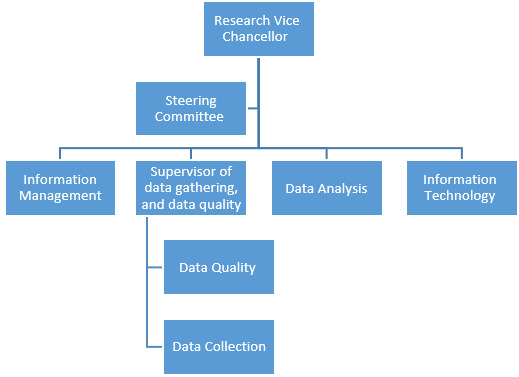
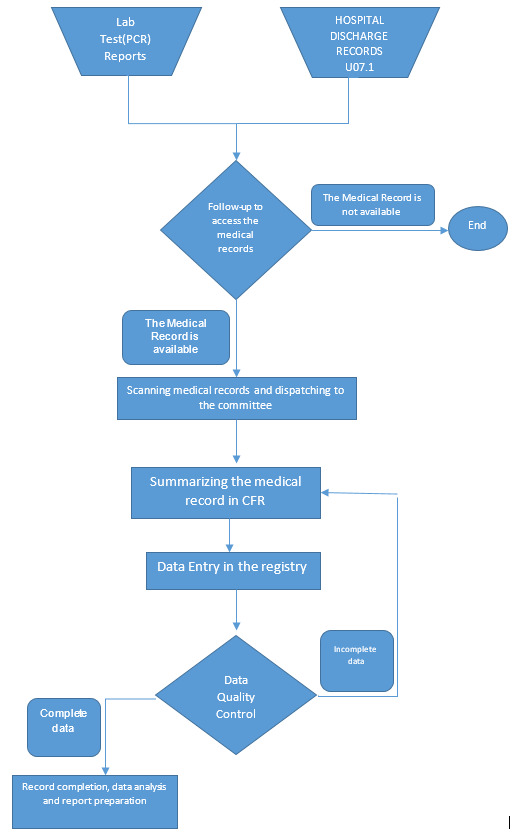
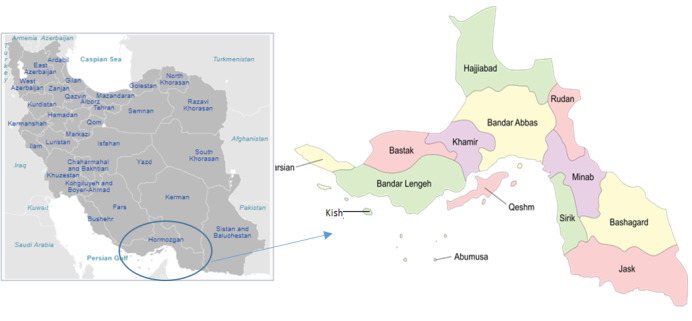
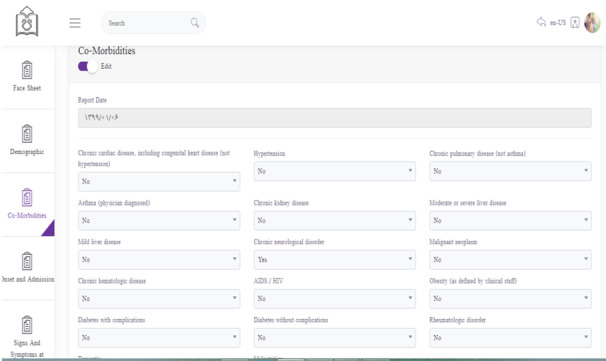
The rapid outbreak of COVID-19 has resulted in a global pandemic in 2020. Information sources such as disease registries through accessing quality, valid, accurate, and timely data empower researchers and health authorities to study and develop appropriate actions. Our study describes the protocol for implementation of regional COVID-19 registry in Hormozgan province (RCovidRH). We followed approved phases for the development of RCovidRH to cover the population in Hormozgan. Missioned to develop and implement the protocol, the registry's steering committee was made up of 10 members from subject fields of the registry at the core and 5 subgroups. The main purpose of the registry is to provide a comprehensive information profile of demographic, clinical, laboratory, imaging, and treatment data of confirmed and probable COVID-19 patients in Hormozgan. The data is retrospectively and prospectively collected. Case report form (CRF) was mainly based on International Severe Acute Respiratory and Emerging Infection Consortium (ISARIC) CRF. A web-based, 2-language software was also developed to facilitate data collection and storage. Data analysis is to be conducted with collaboration of clinical physicians, data-mining specialists, and epidemiologists after reaching appropriate sample size. We included data related to demographic and identification, onset and admission, signs and symptoms at hospital admission, admission signs and symptoms, comorbidities, pathogen testing, assessment, laboratory, imaging, complications, treatment and medication, and outcomes. We found this registry was limited by incomplete clinical data for small fraction of outpatients, incomplete or inaccurate address by referred people due to fear of social rejection, delay in data entry at the facilities due to workload. This registry via organizing clinical and epidemiological COVID-19 data increases the potentiality of joint studies. Recognition and coordination of a registry is highly important to solve its limitations to collect data. Other universities and provinces can apply our model to develop COVID-19 registries or data sets for this disease.
2020年,新型冠状病毒肺炎(COVID-19)的迅速爆发导致了一场全球大流行。通过访问高质量、有效、准确和及时的数据等信息来源,疾病登记处等机构使研究人员和卫生当局能够开展研究并制定适当行动。我们的研究描述了霍尔木兹甘省区域COVID-19登记处(RCovidRH)的实施方案。我们遵循已批准的阶段来开发RCovidRH,以覆盖霍尔木兹甘省的人口。登记处的指导委员会受委托制定和实施该方案,由来自登记处核心主题领域的10名成员和5个小组组成。该登记处的主要目的是提供霍尔木兹甘省确诊和疑似COVID-19患者的人口统计学、临床、实验室、影像学和治疗数据的全面信息概况。数据通过回顾性和前瞻性收集。病例报告表(CRF)主要基于国际严重急性呼吸和新发感染联盟(ISARIC)的CRF。还开发了一种基于网络的双语软件,以方便数据收集和存储。在达到适当样本量后,将与临床医生、数据挖掘专家和流行病学家合作进行数据分析。我们纳入了与人口统计学和身份识别、发病和入院、入院时的体征和症状、入院体征和症状、合并症、病原体检测、评估、实验室、影像学、并发症、治疗和用药以及结局相关的数据。我们发现,该登记处存在一些局限性,部分门诊患者的临床数据不完整,转诊人员因担心被社会排斥而提供的地址不完整或不准确,以及由于工作量大导致设施数据录入延迟。通过整理COVID-19的临床和流行病学数据,该登记处增加了联合研究的可能性。认识和协调登记处对于解决其数据收集的局限性非常重要。其他大学和省份可以应用我们的模式来开发针对这种疾病的COVID-19登记处或数据集。