Department of Genetics and Plant Breeding, Faculty of Agriculture, Bangabandhu Sheikh Mujibur Rahman Agricultural University, Gazipur-1706, Bangladesh.
Laboratory of Field Science, Faculty of Applied Biological Sciences, Gifu University, Yanagido 1-1, Gifu, Japan.
BMC Plant Biol. 2020 Dec 14;20(1):564. doi: 10.1186/s12870-020-02780-y.
Vegetable amaranth is a source of natural phytopigments and functional components of the commercial food industry for sustainable health benefits across the globe. It is guessed that recently identified amaranth (drought-tolerant) genotypes may contain ample phytopigments and phytochemicals suitable to extract juice as drinks. Hence, phytopigments and phytochemicals content of amaranth were assessed in detail for suitability as drinks to feed the phytochemicals deficient community across the globe.
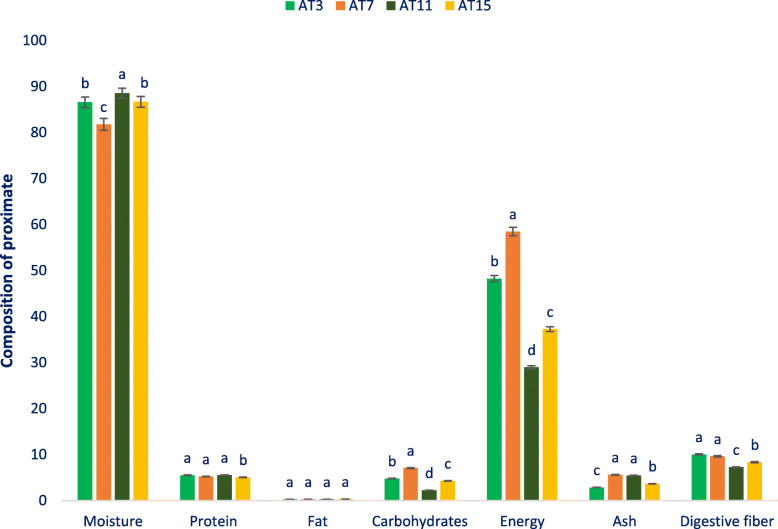
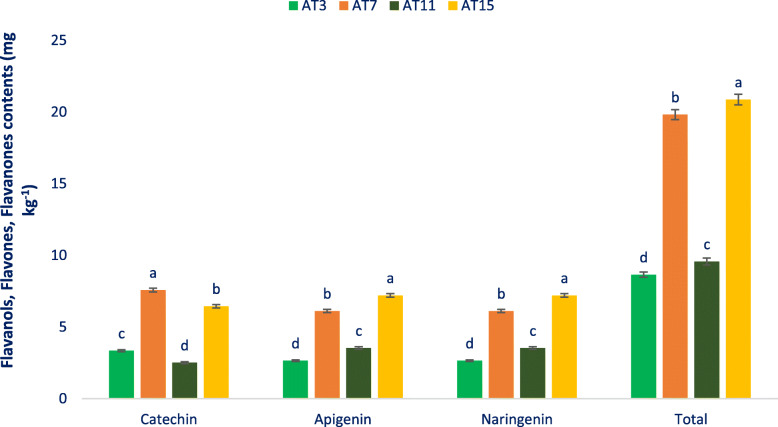
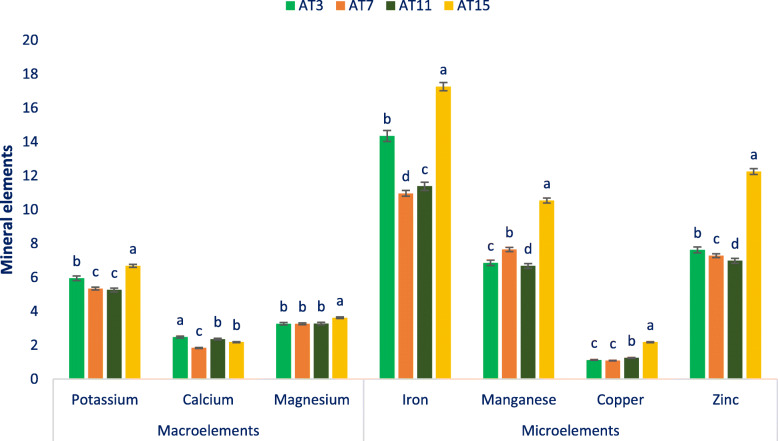
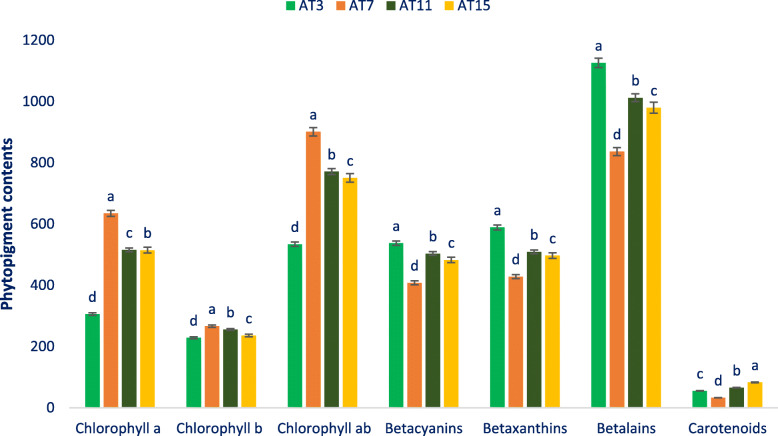
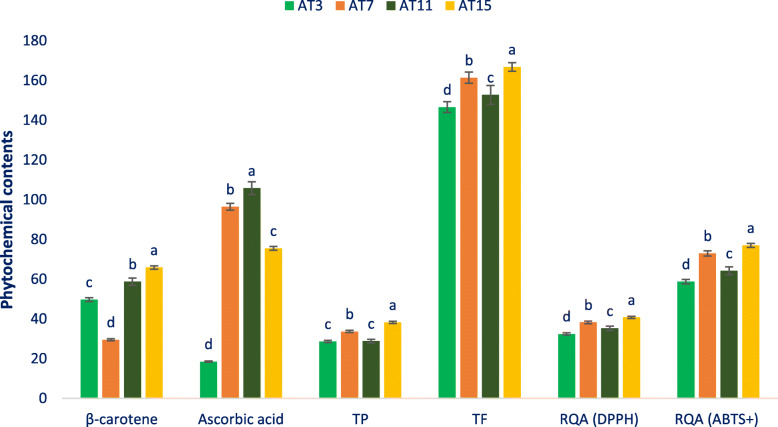
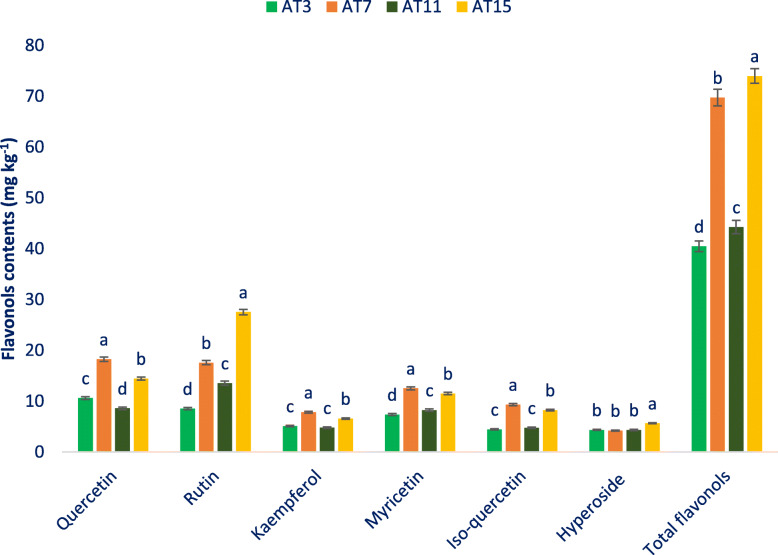
The selected amaranth contained adequate carbohydrates, protein, moisture, and dietary fiber, phytopigments, minerals, phytochemicals including the ability to scavenge radicals. Nine flavonoids compounds were estimated in amaranth genotypes including six flavonols, one flavanol, one flavone, and one flavanone. It is the first effort in which we identified one flavonol such as myricetin, one flavanol, such as catechin, one flavone i. e., apigenin, and one flavanone, like naringenin in drought-tolerant vegetable amaranth. Across six flavonols, quercetin and rutin were the most noteworthy compounds followed by myricetin and isoquercetin. Across the accessions, AT7 and AT15 had abundant phytochemicals, and radical quenching ability including considerable proximate, nutraceuticals, and phytopigments in comparison to the accessions AT3 and AT11. AT15 demonstrated the maximum total flavonols including the highest rutin and hyperoside. AT7 showed high total flavonols including the highest quercetin, isoquercetin, myricetin, and kaempferol. The association of values revealed that studied phytopigments and phytochemicals of vegetable amaranth accessions demonstrated good radical quenching ability of 2,2-azino-bis (3-ethylbenzothiazoline-6-sulfonic acid) and 2,2- Diphenyl-1-picrylhydrazyl equivalent to Trolox.
These advance lines AT7 and AT15 had abundant nutraceuticals, phytopigments, and phytochemicals including radical quenching ability. These lines might significantly contribute to the promotion of health benefits and feeding the community across the globe deficit in nutraceuticals and antioxidants. Identified flavonoid compounds open the new route for pharmacological study.
苋菜是天然植物色素和功能性成分的商业食品工业的来源,为全球可持续健康益处提供支持。据推测,最近发现的苋菜(耐旱)基因型可能含有丰富的植物色素和植物化学物质,适合提取汁液作为饮料。因此,详细评估了苋菜中的植物色素和植物化学物质含量,以评估其作为饮料的适宜性,为全球缺乏植物化学物质的社区提供营养。
所选苋菜含有足够的碳水化合物、蛋白质、水分和膳食纤维、植物色素、矿物质、植物化学物质,包括清除自由基的能力。在苋菜基因型中估计了九种类黄酮化合物,包括六种黄酮醇、一种黄烷醇、一种黄酮、一种黄烷酮。这是我们首次在耐旱性蔬菜苋菜中鉴定出一种黄酮醇,如杨梅素,一种黄烷醇,如儿茶素,一种黄酮,即芹菜素,和一种黄烷酮,如柚皮素。在六种黄酮醇中,槲皮素和芦丁是最值得注意的化合物,其次是杨梅素和异槲皮苷。在所有品种中,AT7 和 AT15 含有丰富的植物化学物质和自由基清除能力,包括与 AT3 和 AT11 相比相当的近似值、营养保健品和植物色素。AT15 表现出最高的总类黄酮醇,包括最高的芦丁和金丝桃苷。AT7 表现出高总类黄酮醇,包括最高的槲皮素、异槲皮苷、杨梅素和山奈酚。关联值表明,研究的苋菜植物色素和植物化学物质具有良好的 2,2-氮杂双(3-乙基苯并噻唑啉-6-磺酸)和 2,2-二苯基-1-苦基肼自由基清除能力,相当于 Trolox。
这些先进的 AT7 和 AT15 系含有丰富的营养保健品、植物色素和植物化学物质,包括自由基清除能力。这些品系可能对促进全球健康益处和满足社区在营养保健品和抗氧化剂方面的不足做出重大贡献。鉴定出的类黄酮化合物为药理学研究开辟了新途径。