Swaidan Nuha T, Salloum-Asfar Salam, Palangi Freshteh, Errafii Khaoula, Soliman Nada H, Aboughalia Ahmed T, Wali Abdul Haseeb S, Abdulla Sara A, Emara Mohamed M
Neurological Disorders Research Center, Qatar Biomedical Research Institute (QBRI), Hamad Bin Khalifa University (HBKU), Education City, Qatar Foundation (QF), Doha, Qatar.
Genomics Core Facility, Qatar Biomedical Research Institute (QBRI), Hamad Bin Khalifa University (HBKU), Education City, Qatar Foundation, Doha, Qatar.
Sci Rep. 2020 Dec 15;10(1):21950. doi: 10.1038/s41598-020-78932-9.
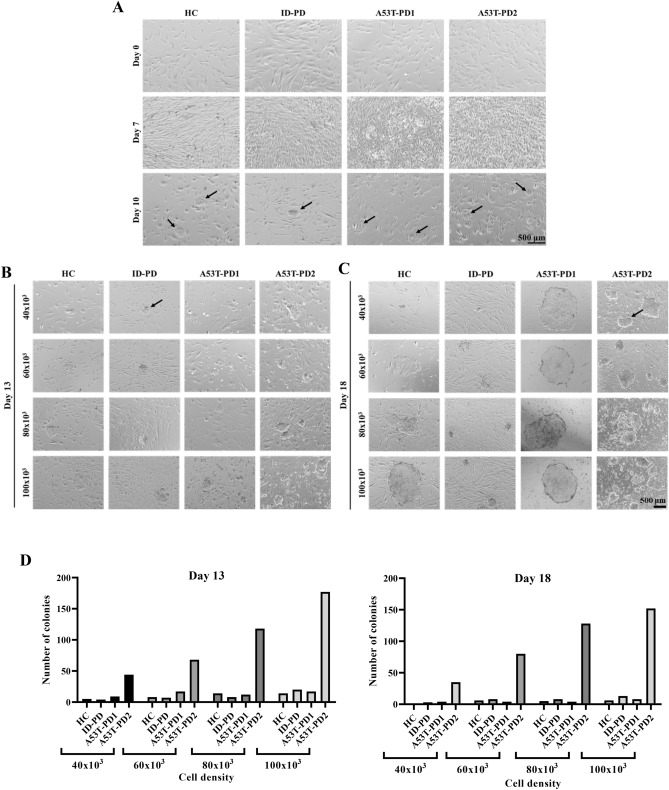
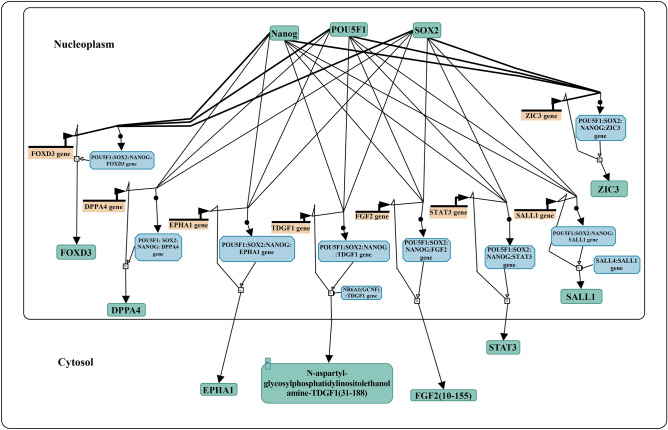
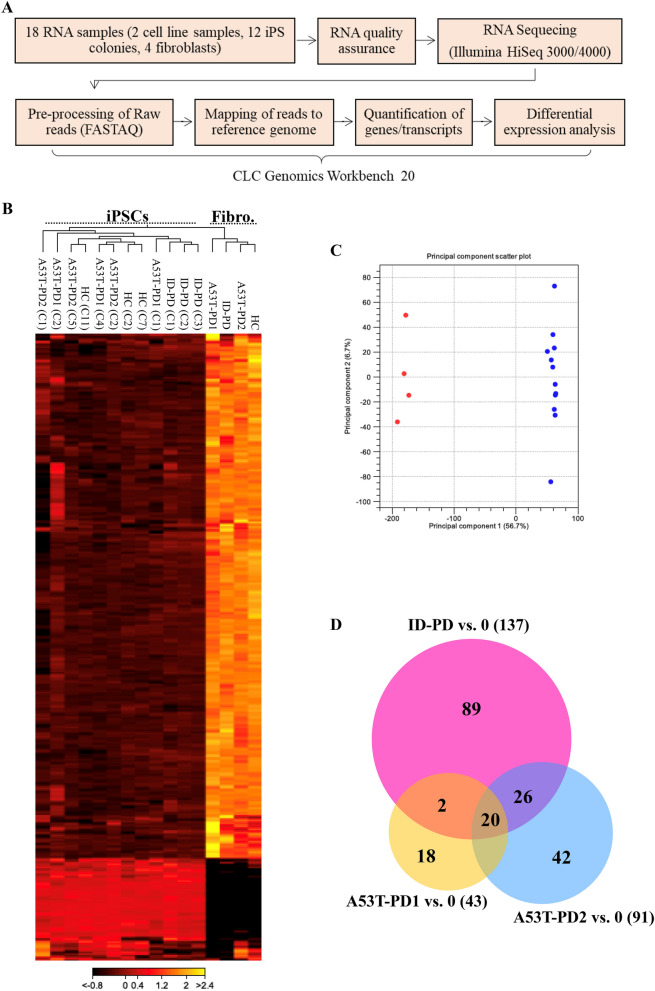
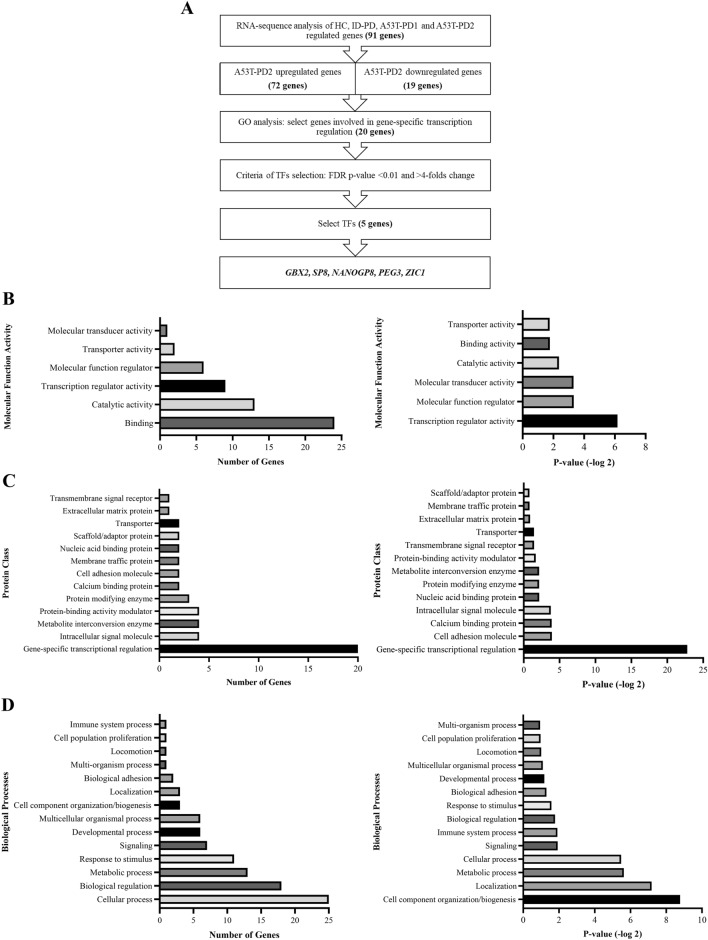
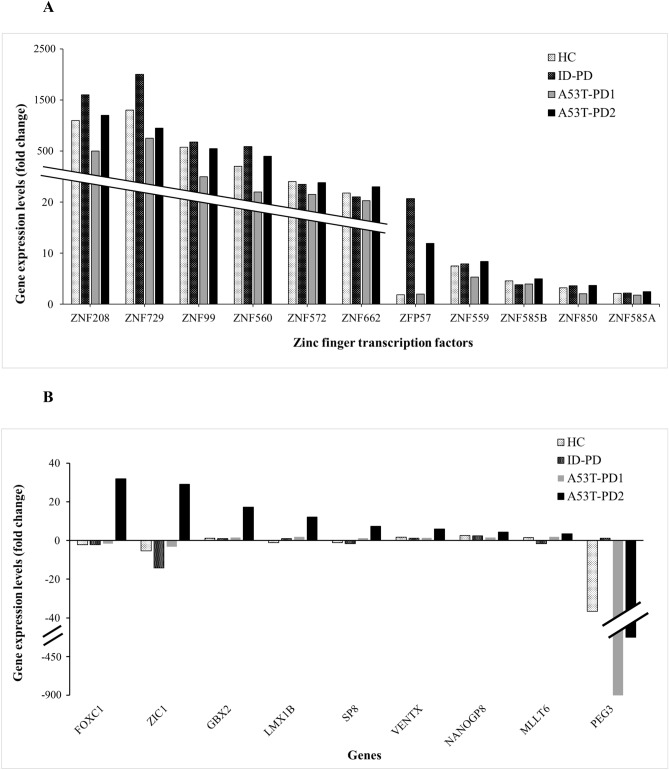
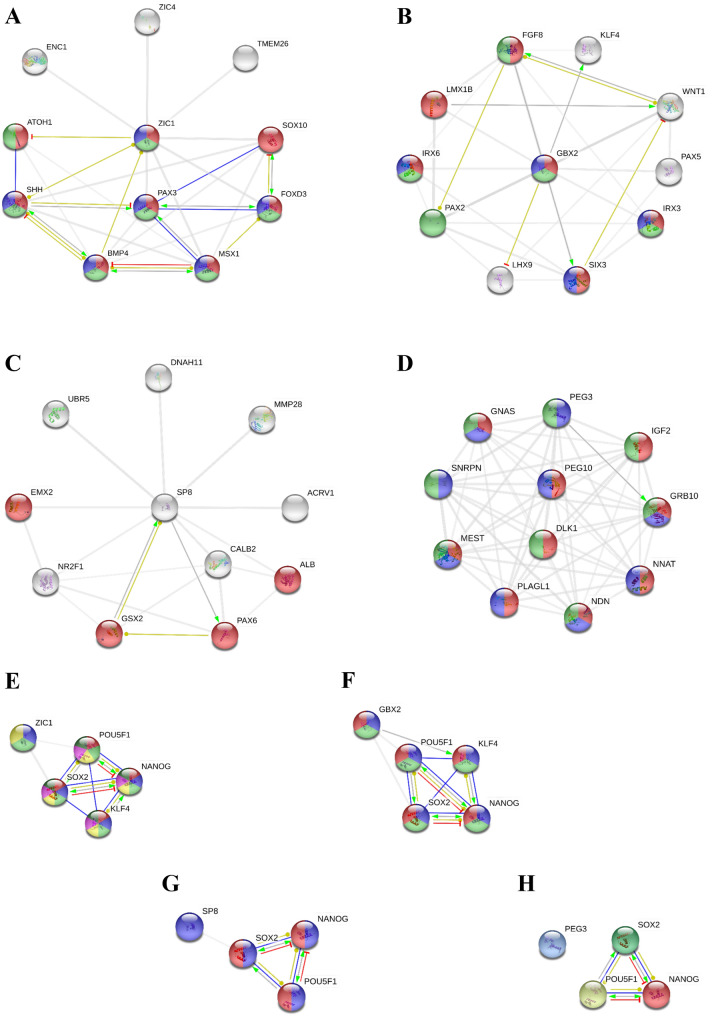
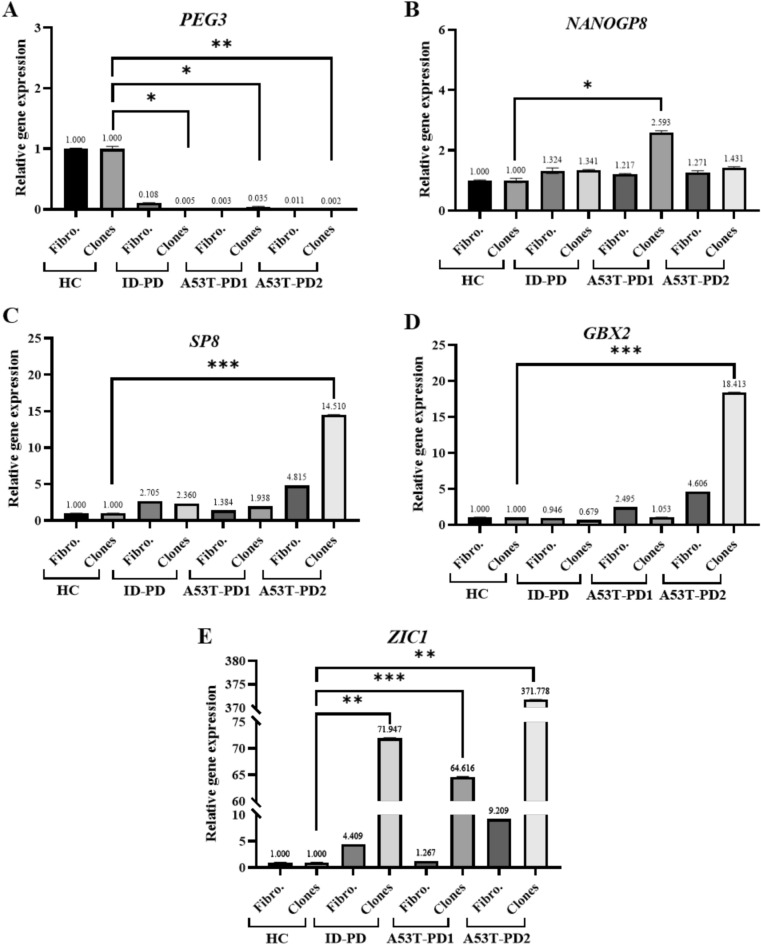
Although many factors have been identified and used to enhance the iPSC reprogramming process, its efficiency remains quite low. In addition, reprogramming efficacy has been evidenced to be affected by disease mutations that are present in patient samples. In this study, using RNA-seq platform we have identified and validated the differential gene expression of five transcription factors (TFs) (GBX2, NANOGP8, SP8, PEG3, and ZIC1) that were associated with a remarkable increase in the number of iPSC colonies generated from a patient with Parkinson's disease. We have applied different bioinformatics tools (Gene ontology, protein-protein interaction, and signaling pathways analyses) to investigate the possible roles of these TFs in pluripotency and developmental process. Interestingly, GBX2, NANOGP8, SP8, PEG3, and ZIC1 were found to play a role in maintaining pluripotency, regulating self-renewal stages, and interacting with other factors that are involved in pluripotency regulation including OCT4, SOX2, NANOG, and KLF4. Therefore, the TFs identified in this study could be used as additional transcription factors that enhance reprogramming efficiency to boost iPSC generation technology.
尽管已经确定了许多因素并用于提高诱导多能干细胞(iPSC)的重编程过程,但其效率仍然相当低。此外,重编程效率已被证明会受到患者样本中存在的疾病突变的影响。在本研究中,我们使用RNA测序平台鉴定并验证了五个转录因子(GBX2、NANOGP8、SP8、PEG3和ZIC1)的差异基因表达,这些转录因子与帕金森病患者产生的iPSC集落数量显著增加有关。我们应用了不同的生物信息学工具(基因本体论、蛋白质-蛋白质相互作用和信号通路分析)来研究这些转录因子在多能性和发育过程中的可能作用。有趣的是,发现GBX2、NANOGP8、SP8、PEG3和ZIC1在维持多能性、调节自我更新阶段以及与其他参与多能性调节的因子(包括OCT4、SOX2、NANOG和KLF4)相互作用方面发挥作用。因此,本研究中鉴定的转录因子可作为额外的转录因子,提高重编程效率,推动iPSC生成技术的发展。