Gastrointestinal Malignancy Section, Thoracic and GI Malignancies Branch, Center for Cancer Research, NCI, NIH, Bethesda, Maryland.
Department of Medicine, University of California, San Diego, La Jolla, California.
Cancer Discov. 2021 May;11(5):1248-1267. doi: 10.1158/2159-8290.CD-20-0304. Epub 2020 Dec 15.
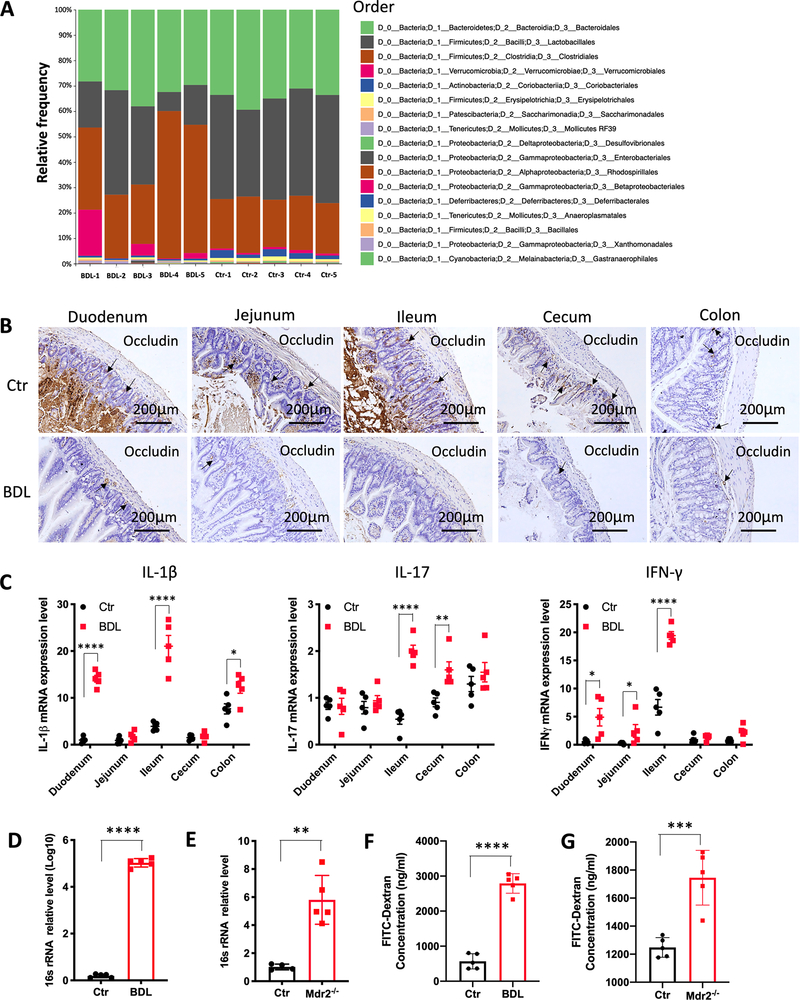
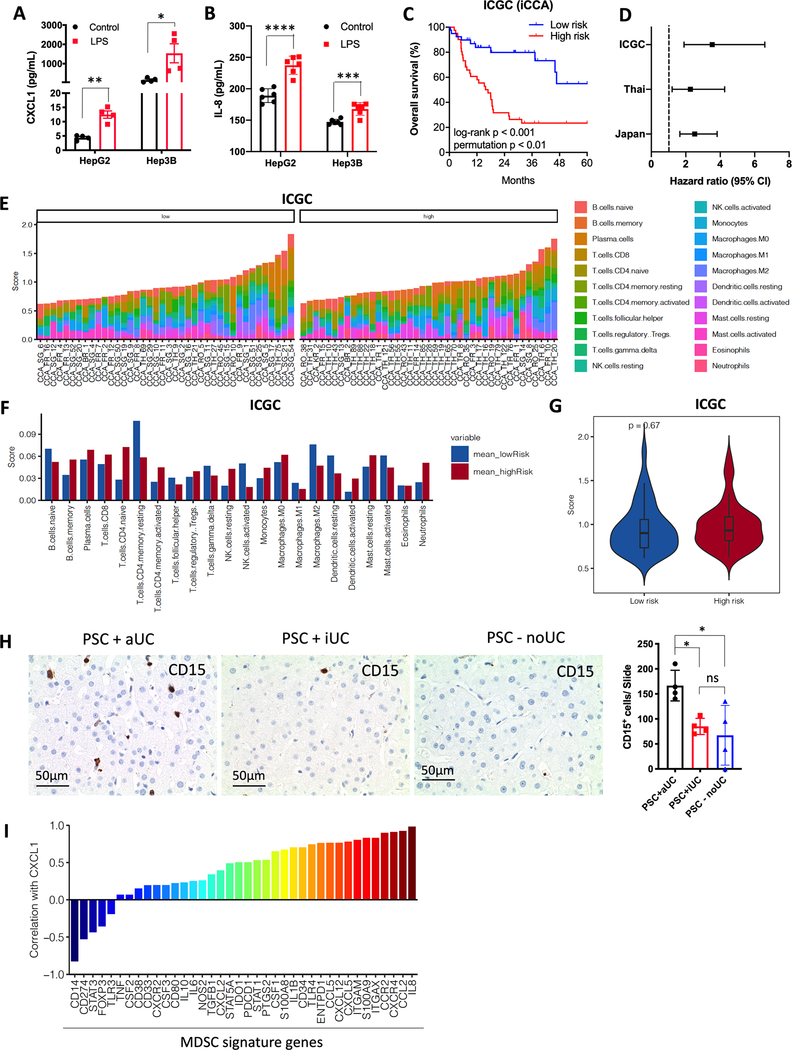
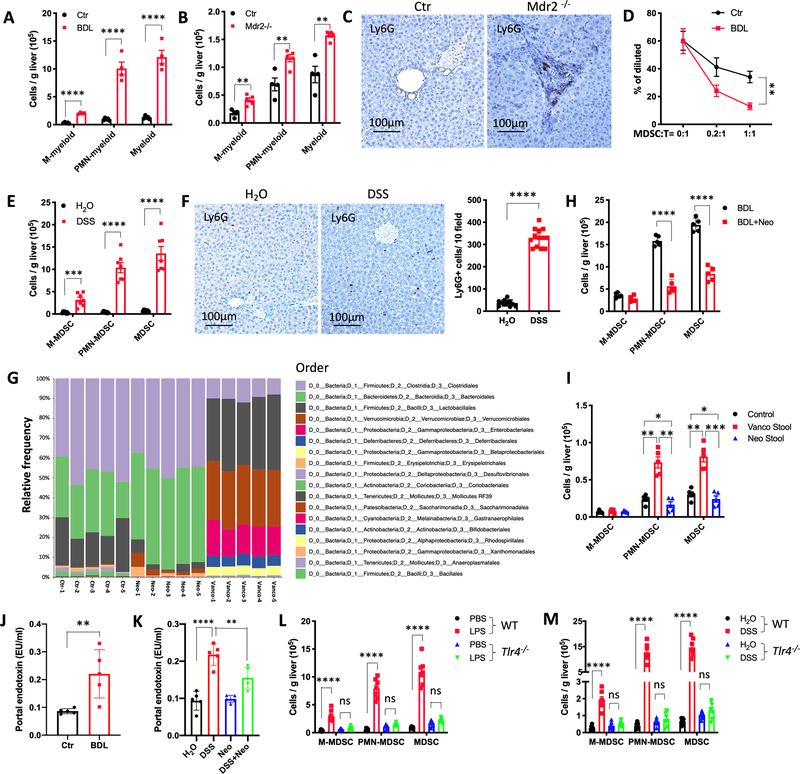
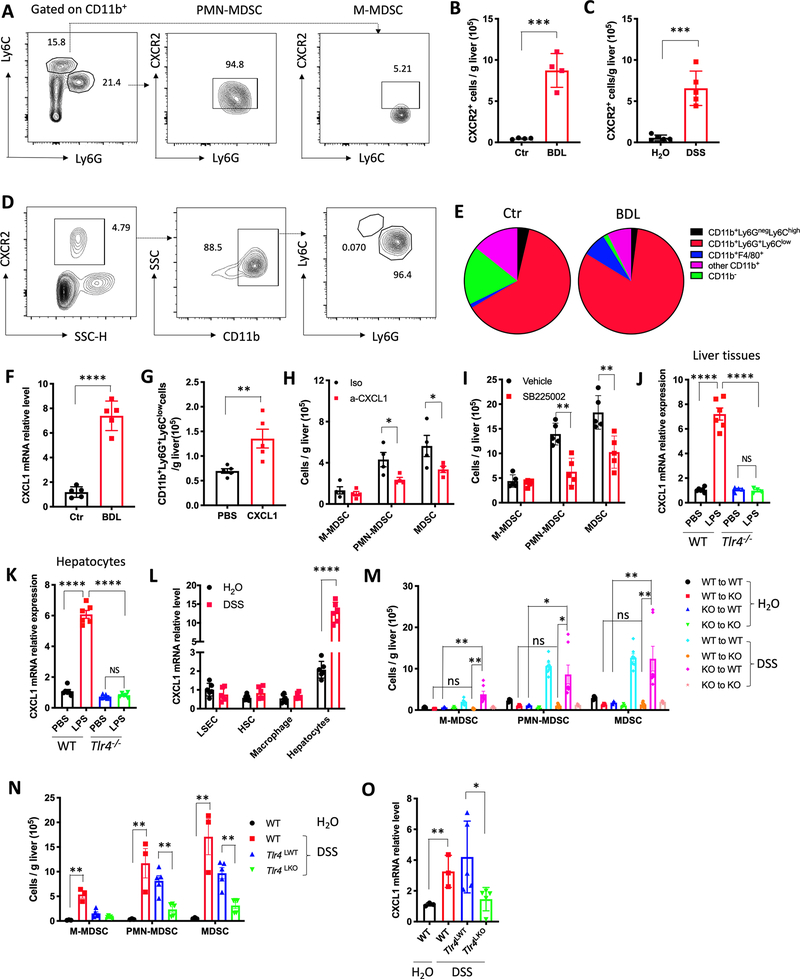
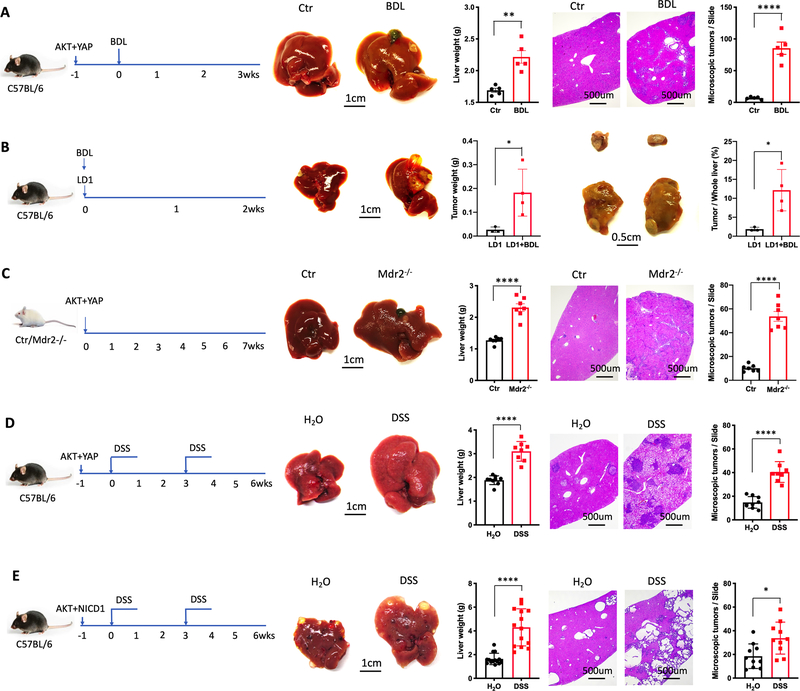
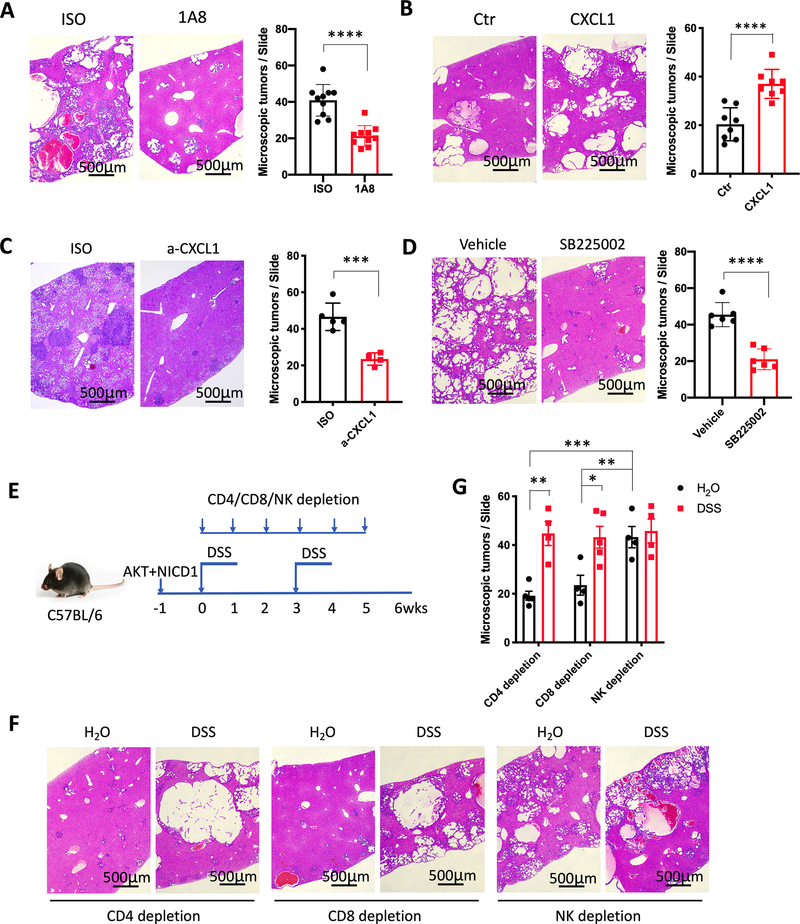
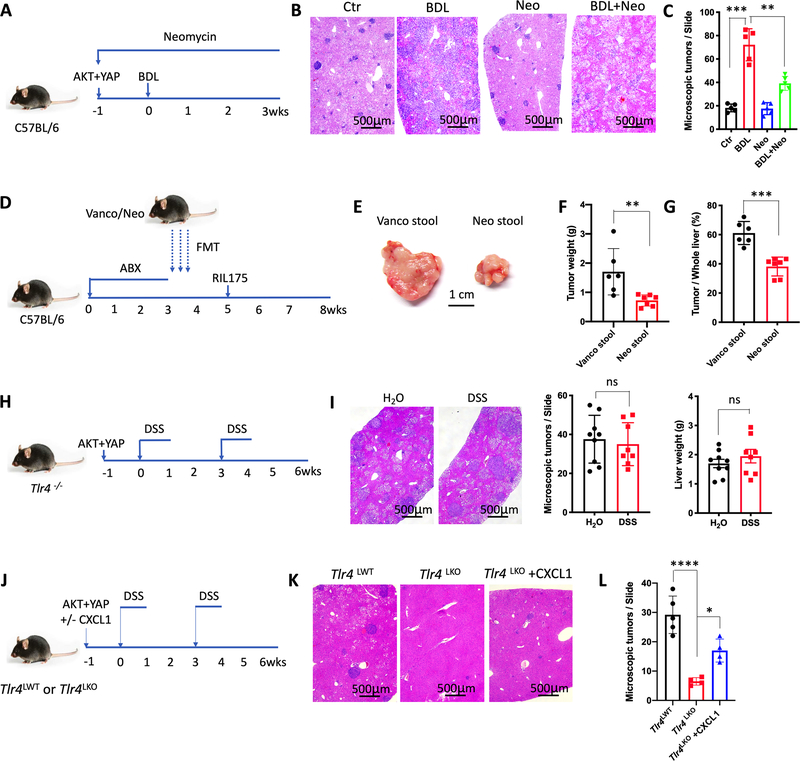
Gut dysbiosis is commonly observed in patients with cirrhosis and chronic gastrointestinal disorders; however, its effect on antitumor immunity in the liver is largely unknown. Here we studied how the gut microbiome affects antitumor immunity in cholangiocarcinoma. Primary sclerosing cholangitis (PSC) or colitis, two known risk factors for cholangiocarcinoma which promote tumor development in mice, caused an accumulation of CXCR2 polymorphonuclear myeloid-derived suppressor cells (PMN-MDSC). A decrease in gut barrier function observed in mice with PSC and colitis allowed gut-derived bacteria and lipopolysaccharide to appear in the liver and induced CXCL1 expression in hepatocytes through a TLR4-dependent mechanism and an accumulation of CXCR2 PMN-MDSCs. In contrast, neomycin treatment blocked CXCL1 expression and PMN-MDSC accumulation and inhibited tumor growth even in the absence of liver disease or colitis. Our study demonstrates that the gut microbiome controls hepatocytes to form an immunosuppressive environment by increasing PMN-MDSCs to promote liver cancer. SIGNIFICANCE: MDSCs have been shown to be induced by tumors and suppress antitumor immunity. Here we show that the gut microbiome can control accumulation of MDSCs in the liver in the context of a benign liver disease or colitis...
肠道菌群失调在肝硬化和慢性胃肠道疾病患者中很常见;然而,其对肝脏抗肿瘤免疫的影响在很大程度上是未知的。在这里,我们研究了肠道微生物组如何影响胆管癌的抗肿瘤免疫。原发性硬化性胆管炎(PSC)或结肠炎,两种已知的胆管癌风险因素,促进了小鼠肿瘤的发展,导致 CXCR2 多形核髓系来源的抑制性细胞(PMN-MDSC)的积累。PSC 和结肠炎小鼠中观察到的肠道屏障功能下降使肠道来源的细菌和脂多糖出现在肝脏中,并通过 TLR4 依赖性机制诱导肝细胞中 CXCL1 的表达,导致 CXCR2 PMN-MDSC 的积累。相比之下,新霉素治疗阻断了 CXCL1 的表达和 PMN-MDSC 的积累,并抑制了肿瘤的生长,即使在没有肝病或结肠炎的情况下也是如此。我们的研究表明,肠道微生物组通过增加 PMN-MDSC 来控制肝细胞形成免疫抑制环境,从而促进肝癌的发生。意义:髓系来源的抑制细胞(MDSC)已被证明是由肿瘤诱导的,并抑制抗肿瘤免疫。在这里,我们表明,肠道微生物组可以控制良性肝病或结肠炎背景下肝脏中 MDSC 的积累。