Lou Emil
Department of Medicine, Division of Hematology, Oncology and Transplantation, University of Minnesota, Minneapolis, MN, United States.
Front Oncol. 2020 Nov 26;10:559548. doi: 10.3389/fonc.2020.559548. eCollection 2020.
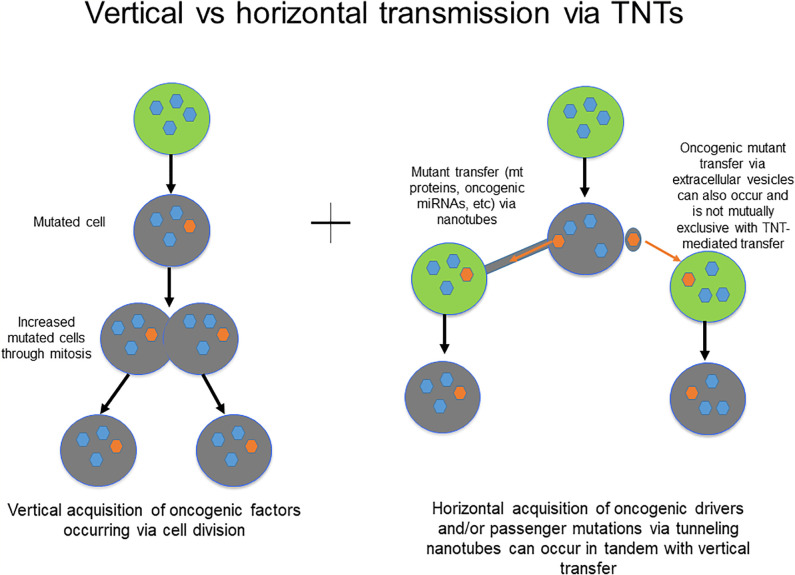
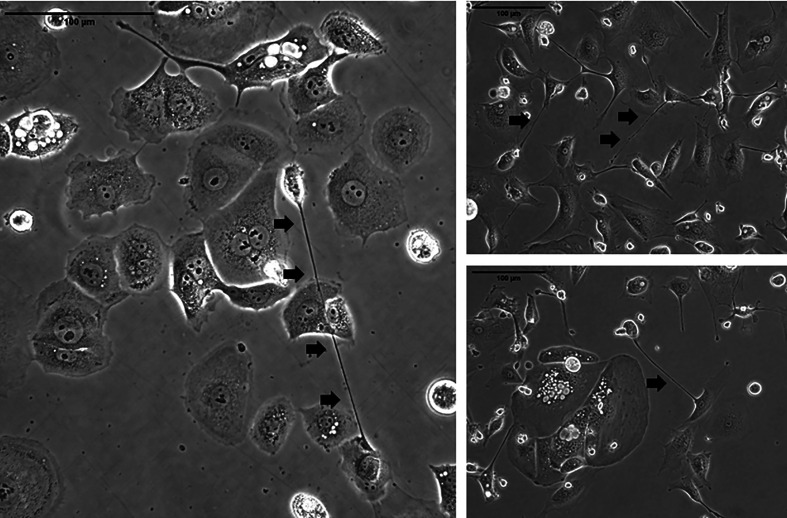
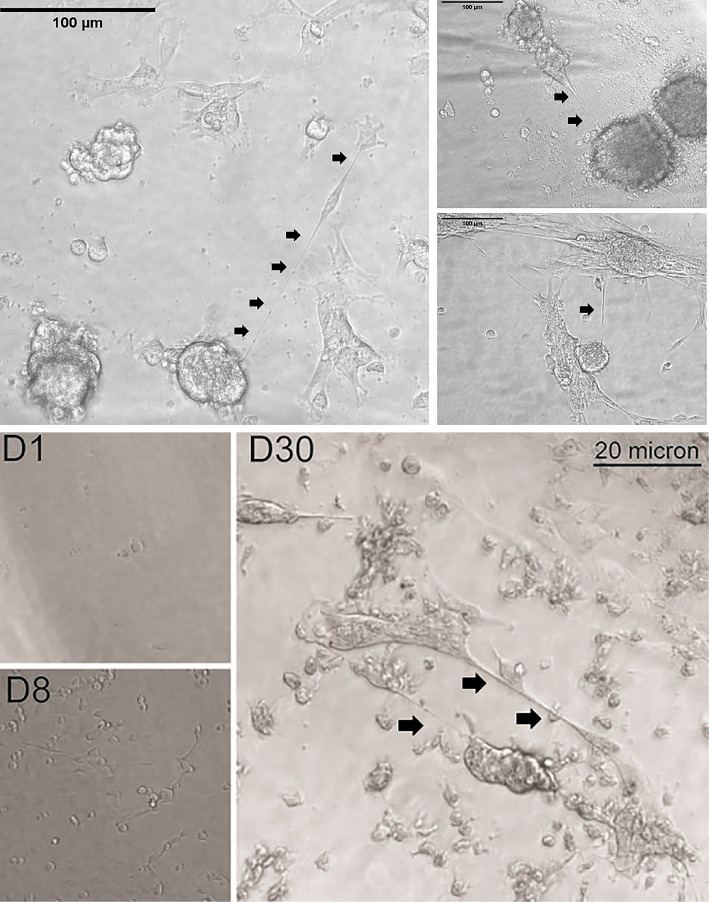
It is well established that the role of the tumor microenvironment (TME) in cancer progression and therapeutic resistance is crucial, but many of the underlying mechanisms are still being elucidated. Even with better understanding of molecular oncology and identification of genomic drivers of these processes, there has been a relative lag in identifying and appreciating the cellular drivers of both invasion and resistance. Intercellular communication is a vital process that unifies and synchronizes the diverse components of the tumoral infrastructure. Elucidation of the role of extracellular vesicles (EVs) over the past decade has cast a brighter light on this field. And yet even with this advance, in addition to diffusible soluble factor-mediated paracrine and endocrine cell communication as well as EVs, additional niches of intratumoral communication are filled by other modes of intercellular transfer. Tunneling nanotubes (TNTs), tumor microtubes (TMs), and other similar intercellular channels are long filamentous actin-based cellular conduits (in most epithelial cancer cell types, ~15-500 µm in length; 50-1000+ nm in width). They extend and form direct connections between distant cells, serving as conduits for direct intercellular transfer of cell cargo, such as mitochondria, exosomes, and microRNAs; however, many of their functional roles in mediating tumor growth remain unknown. These conduits literally create a physical bridge to create a syncytial network of dispersed cells amidst the intercellular stroma-rich matrix. Emerging evidence suggests that they provide a cellular mechanism for induction and emergence of drug resistance and contribute to increased invasive and metastatic potential. They have been imaged and also and in tumors from human patients as well as animal models, thus not only proving their existence in the TME, but opening further speculation about their exact role in the dynamic niche of tumor ecosystems. TNT cellular networks are upregulated between cancer and stromal cells under hypoxic and other conditions of physiologic and metabolic stress. Furthermore, they can connect malignant cells to benign cells, including vascular endothelial cells. The field of investigation of TNT-mediated tumor-stromal, and tumor-tumor, cell-cell communication is gaining momentum. The mixture of conditions in the microenvironment exemplified by hypoxia-induced ovarian cancer TNTs playing a crucial role in tumor growth, as just one example, is a potential avenue of investigation that will uncover their role in relation to other known factors, including EVs. If the role of cancer heterocellular signaling TNTs in the TME is proven to be crucial, then disrupting formation and maintenance of TNTs represents a novel therapeutic approach for ovarian and other similarly invasive peritoneal cancers.

肿瘤微环境(TME)在癌症进展和治疗耐药性中的作用至关重要,这一点已得到充分证实,但许多潜在机制仍在被阐明。即便对分子肿瘤学有了更深入的了解,也确定了这些过程的基因组驱动因素,但在识别和认识侵袭及耐药的细胞驱动因素方面仍相对滞后。细胞间通讯是一个至关重要的过程,它使肿瘤基础设施的各种不同成分统一并同步。过去十年中对细胞外囊泡(EVs)作用的阐明为该领域带来了更多曙光。然而,即便有了这一进展,除了可扩散的可溶性因子介导的旁分泌和内分泌细胞通讯以及EVs外,肿瘤内通讯的其他微环境还由其他细胞间转移模式填充。隧道纳米管(TNTs)、肿瘤微管(TMs)和其他类似的细胞间通道是基于丝状肌动蛋白的长细胞管道(在大多数上皮癌细胞类型中,长度约为15 - 500 µm;宽度为50 - 1000 + nm)。它们延伸并在远处细胞之间形成直接连接,作为细胞货物如线粒体、外泌体和微小RNA直接细胞间转移的管道;然而,它们在介导肿瘤生长中的许多功能作用仍不清楚。这些管道实际上创建了一个物理桥梁,在富含细胞间基质的基质中形成分散细胞的合胞体网络。新出现的证据表明,它们为耐药性的诱导和出现提供了一种细胞机制,并有助于增加侵袭和转移潜能。它们已在人类患者以及动物模型的肿瘤中被成像,这不仅证明了它们在TME中的存在,还引发了对它们在肿瘤生态系统动态微环境中确切作用的进一步猜测。在缺氧和其他生理及代谢应激条件下,癌症细胞与基质细胞之间的TNT细胞网络会上调。此外,它们可以将恶性细胞与良性细胞连接起来,包括血管内皮细胞。对TNT介导的肿瘤 - 基质以及肿瘤 - 肿瘤细胞间通讯的研究领域正在蓬勃发展。以缺氧诱导的卵巢癌TNTs在肿瘤生长中起关键作用为例,微环境中的各种条件组合是一个潜在的研究途径,这将揭示它们与包括EVs在内的其他已知因素的关系。如果癌症异细胞信号TNTs在TME中的作用被证明至关重要,那么破坏TNTs的形成和维持代表了一种针对卵巢癌和其他类似侵袭性腹膜癌的新型治疗方法。