Ding Chenguang, Zheng Jin, Wang Bo, Li Yang, Xiang Heli, Dou Meng, Qiao Yuxi, Tian Puxun, Ding Xiaoming, Xue Wujun
Department of Kidney Transplantation, Nephropathy Hospital, The First Affiliated Hospital, Xi'an Jiaotong University, Xi'an, China.
Institute of Organ Transplantation, The First Affiliated Hospital, Xi'an Jiaotong University, Xi'an, China.
Front Cell Dev Biol. 2020 Nov 26;8:587693. doi: 10.3389/fcell.2020.587693. eCollection 2020.
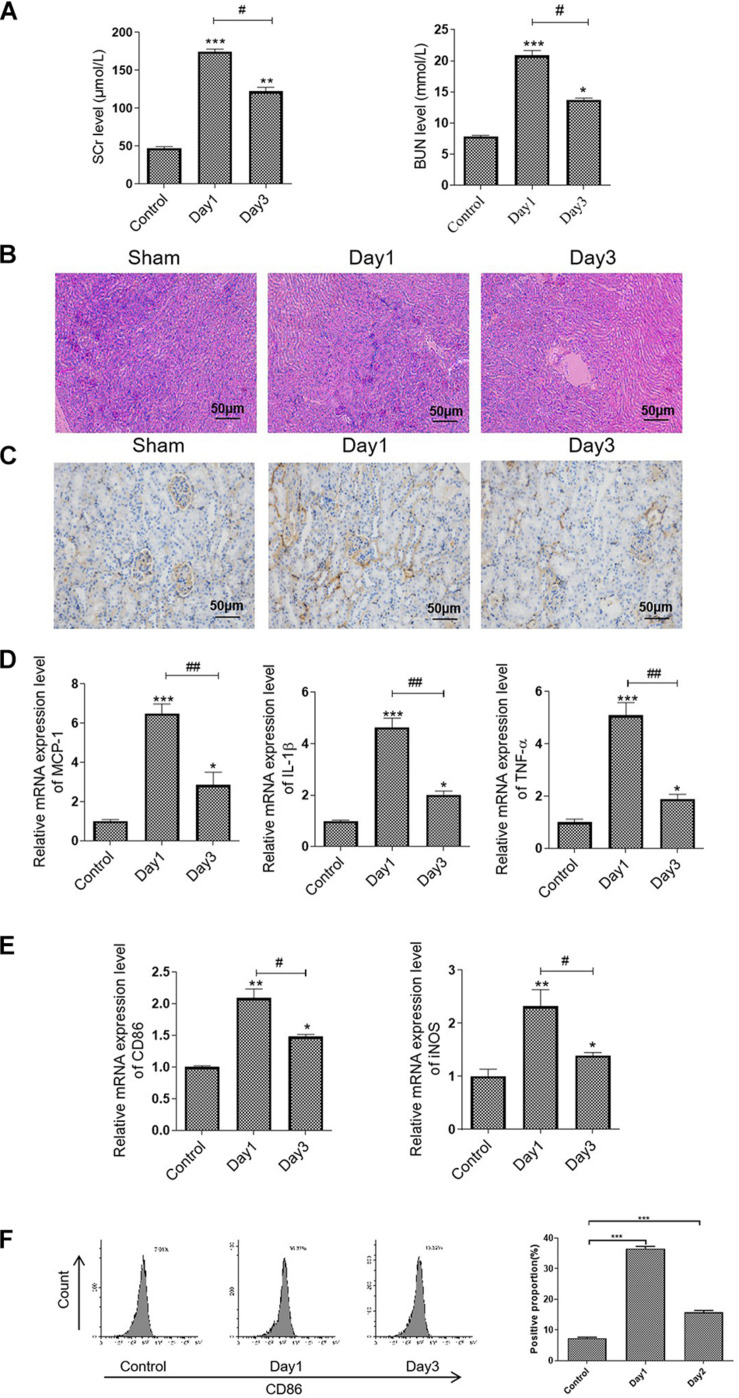
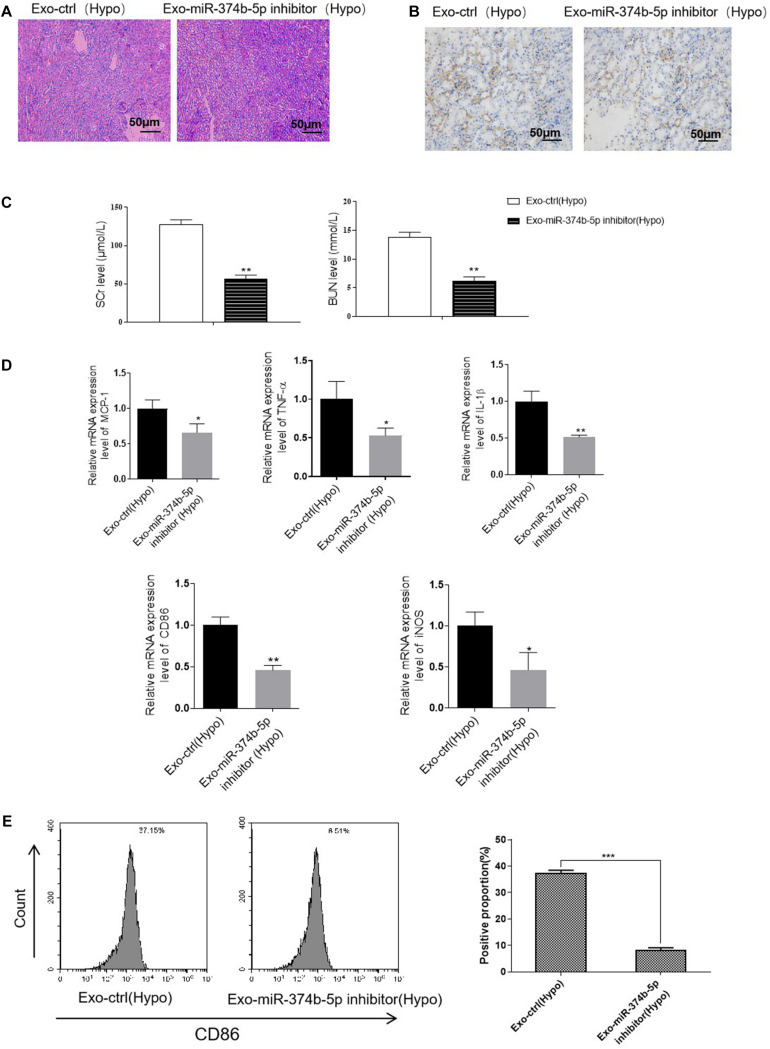
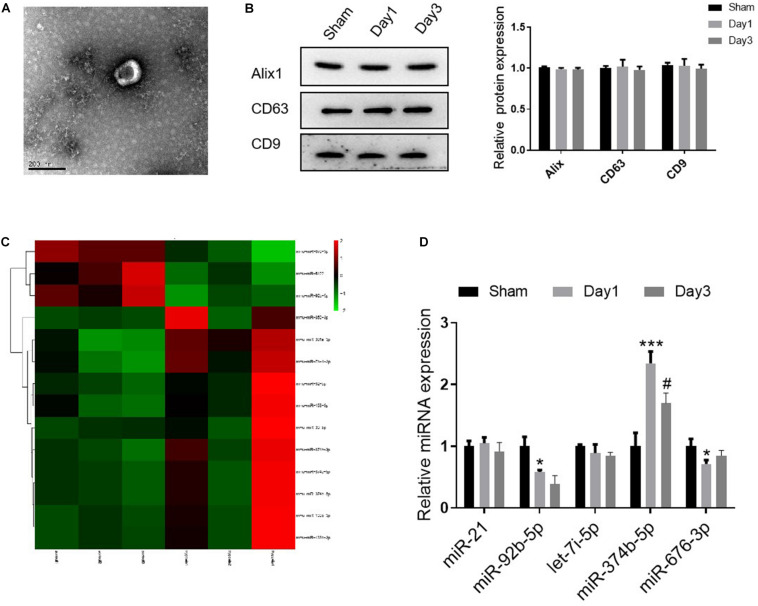
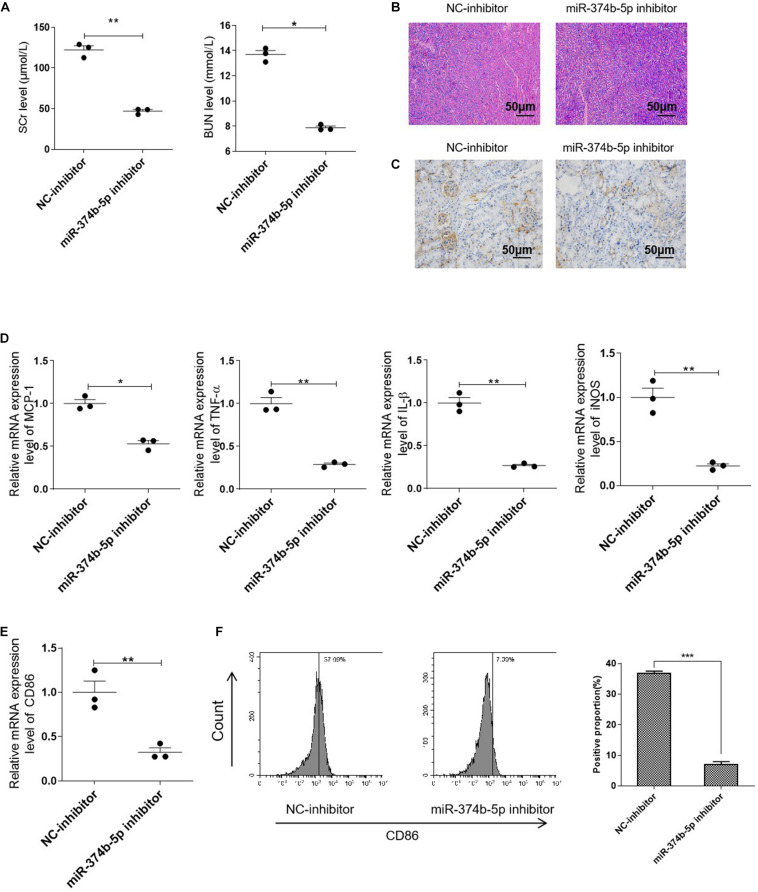
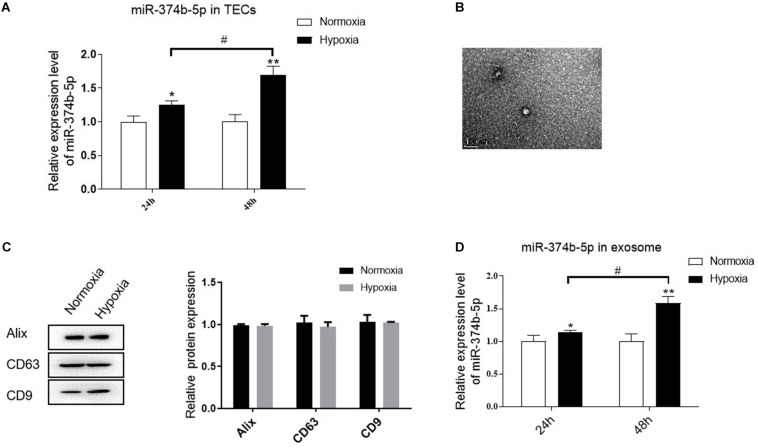
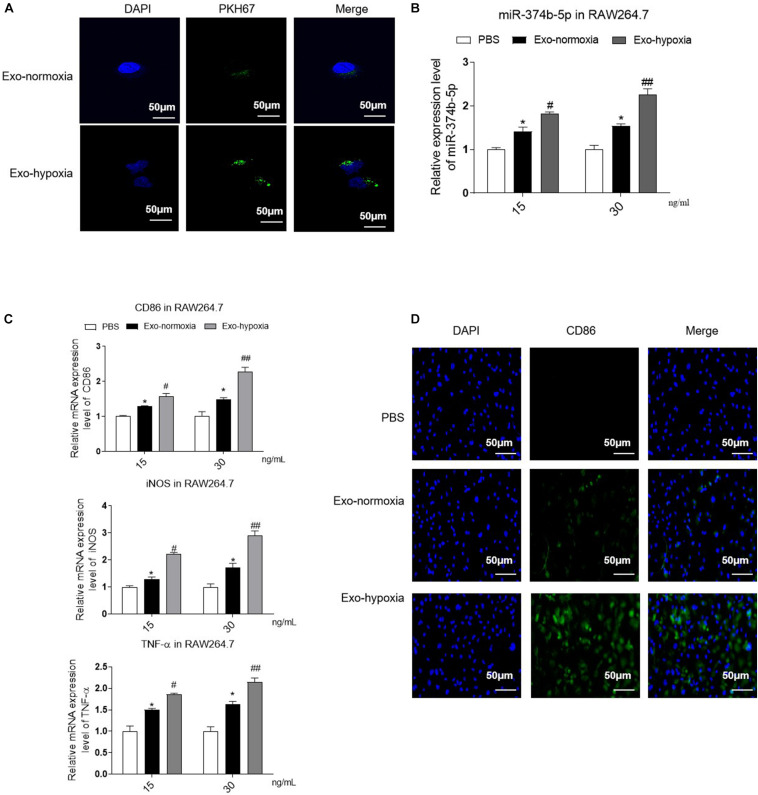
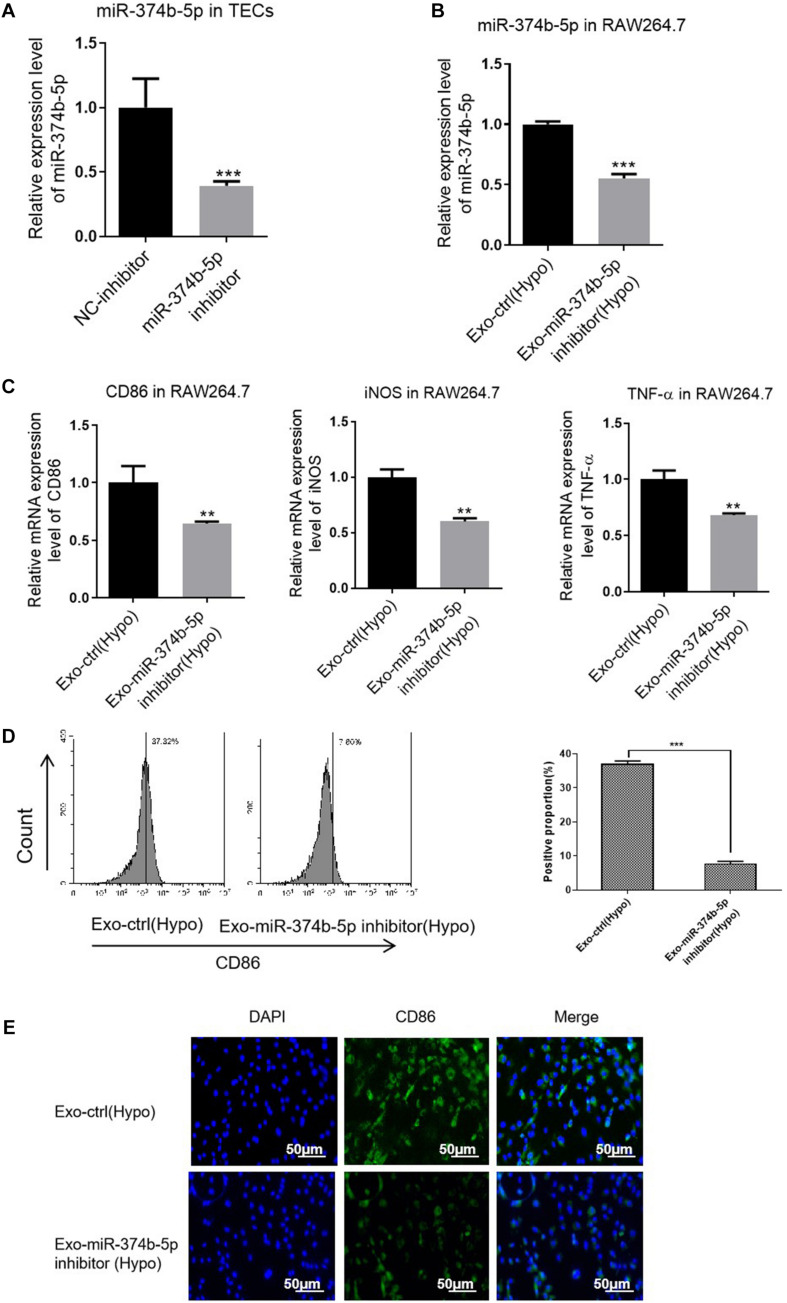
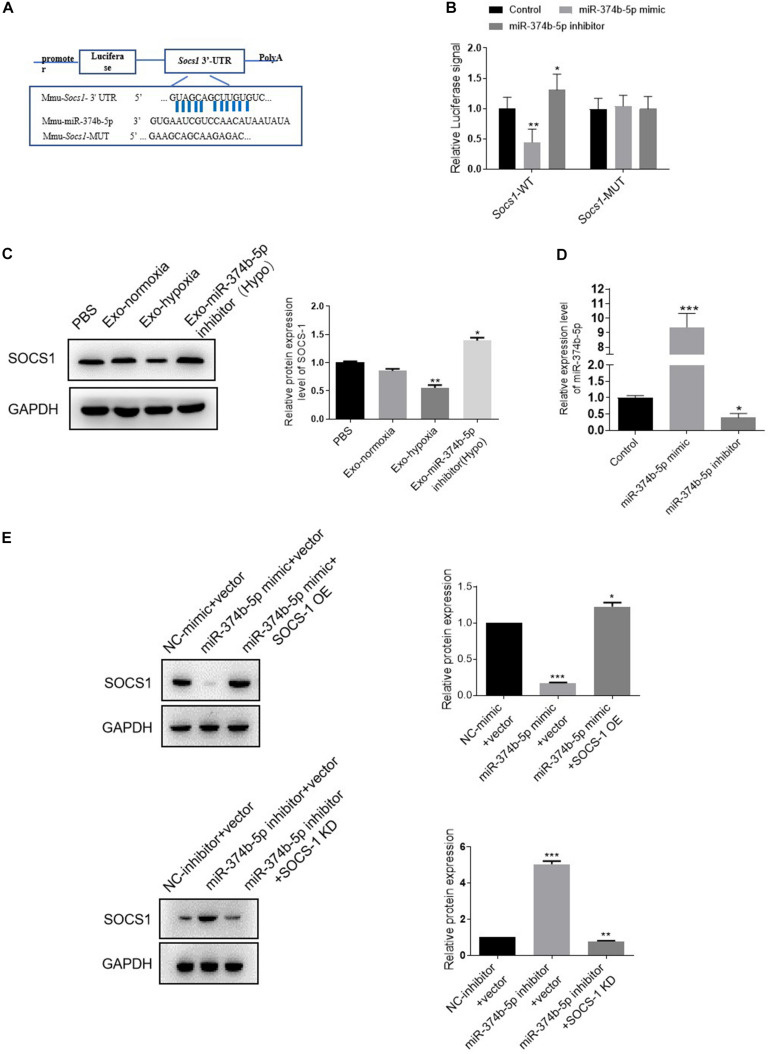
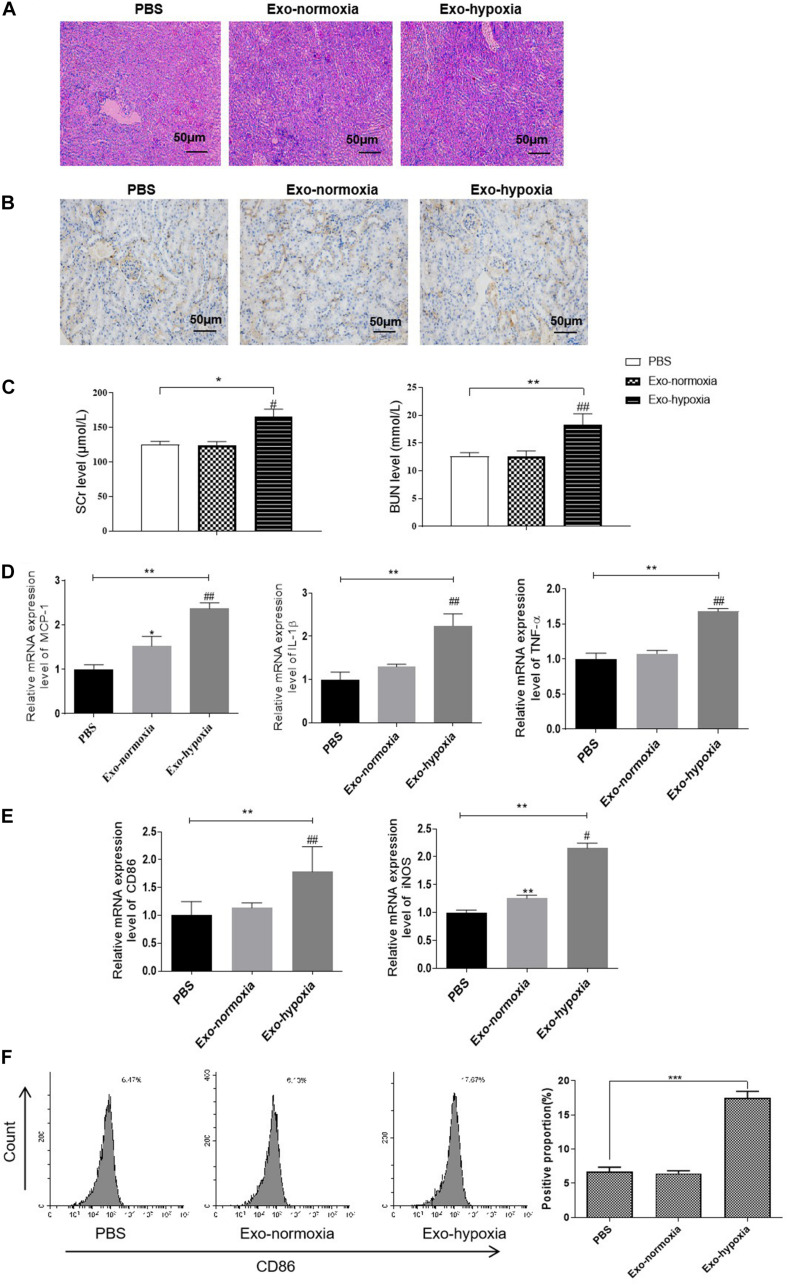
Tubular epithelial cells (TECs) represent the primary site of renal ischemia/reperfusion injury (RIRI). However, whether the damage of TECs could drive the initiation of inflammation was unclear. Here we investigated the role of the TECs and macrophages during RIRI. Increased expression of inflammation response and activated M1 macrophage were determined in the mice model of RIRI. Moreover, we demonstrated global miRNA expression profiling of renal exosomes, and miR-374b-5p was most upregulated in these exosomes . Inhibition of miR-374b-5p in the mice upon RIR operation would alleviate the kidney injury via decreasing the production of proinflammatory cytokines and suppressing the macrophage activation. Similar results were also identified in the hypoxia-induced cell model where exosomal miR-374b-5p was dramatically upregulated. Uptake of exosomes derived from the hypoxic TECs by macrophages would trigger M1 polarization via transferring miR-374b-5p. Besides, we confirmed that miR-374b-5p could directly bind to using a dual-luciferase reporter assay. Notably, when we injected the miR-374b-5p-enriched exosomes into mice, a high-level inflammatory response and M1 macrophage activation were performed. Our studies demonstrated that exosomal miR-374b-5p played an essential role in the communication between injured TECs and macrophages, resulting in the M1 macrophage activation during RIRI. The blockage of the release of such exosomes may serve as a new therapeutic strategy for RIRI.
肾小管上皮细胞(TECs)是肾脏缺血/再灌注损伤(RIRI)的主要发生部位。然而,TECs的损伤是否会引发炎症反应尚不清楚。在此,我们研究了TECs和巨噬细胞在RIRI过程中的作用。在RIRI小鼠模型中,检测到炎症反应的表达增加以及M1巨噬细胞的激活。此外,我们对肾外泌体的整体miRNA表达谱进行了分析,发现miR-374b-5p在这些外泌体中上调最为明显。在RIR手术后对小鼠体内的miR-374b-5p进行抑制,可通过减少促炎细胞因子的产生和抑制巨噬细胞激活来减轻肾脏损伤。在缺氧诱导的细胞模型中也得到了类似的结果,其中外泌体miR-374b-5p显著上调。巨噬细胞摄取缺氧TECs来源的外泌体可通过转运miR-374b-5p触发M1极化。此外,我们通过双荧光素酶报告基因实验证实miR-374b-5p可以直接结合 。值得注意的是,当我们将富含miR-374b-5p的外泌体注射到小鼠体内时,会引发高水平的炎症反应和M1巨噬细胞激活。我们的研究表明,外泌体miR-374b-5p在受损TECs与巨噬细胞之间的通讯中起重要作用,导致RIRI过程中M1巨噬细胞的激活。阻断此类外泌体的释放可能成为RIRI的一种新的治疗策略。