Barguilla Ainara, Fernández-Lebrero Aida, Estragués-Gázquez Isabel, García-Escobar Greta, Navalpotro-Gómez Irene, Manero Rosa María, Puente-Periz Víctor, Roquer Jaume, Puig-Pijoan Albert
Neurology Department, Hospital del Mar, Barcelona, Spain.
Cognitive Impairment and Movement Disorders Unit, Neurology Department, Hospital del Mar, Barcelona, Spain.
Front Neurol. 2020 Nov 24;11:589901. doi: 10.3389/fneur.2020.589901. eCollection 2020.
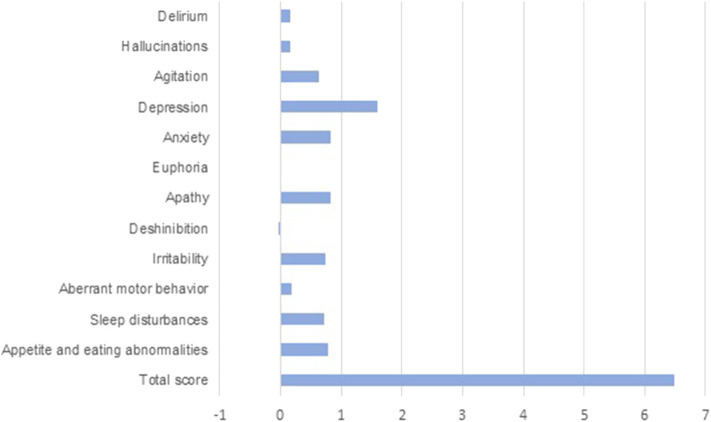
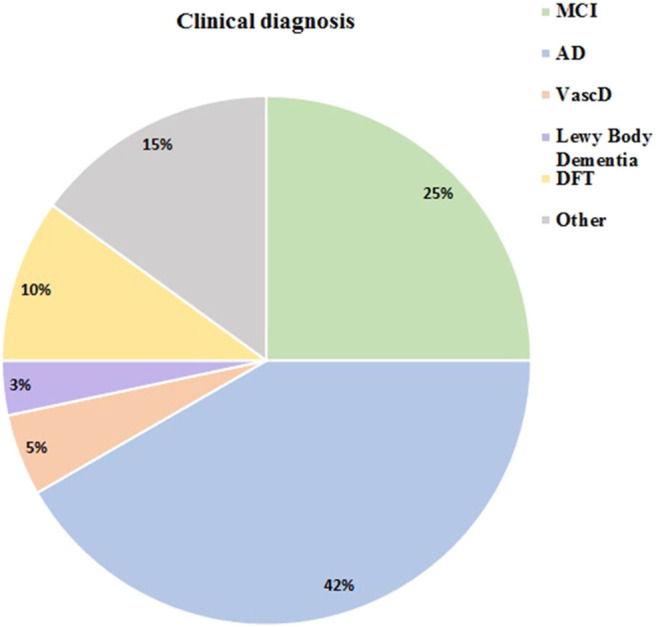
State of emergency caused by COVID-19 pandemic and subsequent lockdown hit Spain on 14th March 2020 and lasted until 21st June 2020. Social isolation measures were applied. Medical attention was focused on COVID-19. Primary and social care were mainly performed by telephone. This exceptional situation may affect especially vulnerable patients such as people living with dementia. Our aim was to describe the influence of restrictive measures on patients living with mild cognitive decline and dementia evaluating SARS-CoV2 infection, changes in routines, cognitive decline stage, neuropsychiatric symptoms, delirium, falls, caregiver stress, and access to sanitary care. We gathered MCI and dementia patients with clinical follow-up before and after confinement from DegMar registry (Hospital del Mar). A telephone questionnaire was administered. Global status was assessed using CDR scale. Changes in neuropsychiatric symptoms were assessed by Neuropsychiatric Inventory (NPI) and retrospective interview for pre-confinement base characteristics. We contacted a total of 60 patients, age 75.4 years ± 5,192. 53.3% were women. Alzheimer's Disease (41.7%) and Mild Cognitive Impairment (25%) were the most prevalent diagnosis. Remaining cases included different dementia disorders. A total of 10% of patients had been diagnosed with SARS-CoV-2. During confinement 70% of patients abandoned previous daily activities, 60% had cognitive worsening reported by relatives/caretakers, 15% presented delirium episodes, and 13% suffered increased incidence of falls. Caregivers reported an increased burden in 41% cases and burnout in 11% cases. 16% reported difficulties accessing medical care, 33% received medical phone assistance, 20% needed emergency care and 21% had changes in psychopharmacological therapies. Neuropsychiatric profile globally worsened ( < 0.000), also in particular items like agitation ( = 0.003), depression ( < 0.000), anxiety ( < 0.000) and changes in appetite ( = 0.004). SARS-CoV2-related lockdown resulted in an important effect over social and cognitive spheres and worsening of neuropsychiatric traits in patients living with mild cognitive decline and dementia. Although the uncertainty regarding the evolution of the pandemic makes strategy difficult, we need to reach patients and caregivers and develop adequate strategies to reinforce and adapt social and health care.
2020年3月14日,新冠疫情引发的紧急状态及随后的封锁措施冲击了西班牙,持续至2020年6月21日。当时实施了社交隔离措施。医疗关注主要集中在新冠疫情方面。初级和社会护理主要通过电话进行。这种特殊情况可能对特别脆弱的患者产生影响,比如患有痴呆症的人群。我们的目的是描述限制措施对轻度认知功能减退和痴呆症患者的影响,评估新冠病毒感染情况、日常生活的变化、认知功能减退阶段、神经精神症状、谵妄、跌倒、照护者压力以及获得卫生保健服务的情况。我们从德格玛登记处(德尔马医院)收集了疫情管控前后接受临床随访的轻度认知障碍和痴呆症患者。通过电话进行问卷调查。使用临床痴呆评定量表评估整体状况。通过神经精神科问卷评估神经精神症状的变化,并对疫情管控前的基本特征进行回顾性访谈。我们总共联系了60名患者,年龄为75.4岁±5.19岁。53.3%为女性。阿尔茨海默病(41.7%)和轻度认知障碍(25%)是最常见的诊断。其余病例包括不同类型的痴呆症。共有10%的患者被诊断感染了新冠病毒。在疫情管控期间,70%的患者放弃了之前的日常活动,60%的患者亲属/照护者报告其认知功能恶化,15%的患者出现谵妄发作,13%的患者跌倒发生率增加。41%的照护者报告负担加重,11%的照护者出现倦怠。16%的患者报告获得医疗服务存在困难,33%的患者接受了电话医疗援助,20%的患者需要急诊护理,21%的患者精神药物治疗发生了变化。神经精神状况总体恶化(<0.000),特别是在激动(=0.003)、抑郁(<0.000)、焦虑(<0.000)和食欲变化(=0.004)等具体项目上。与新冠病毒相关的封锁措施对轻度认知功能减退和痴呆症患者的社交和认知领域产生了重大影响,并使神经精神特征恶化。尽管疫情发展的不确定性使制定策略变得困难,但我们需要联系患者和照护者,并制定适当的策略来加强和调整社会及医疗保健服务。