Volovat Simona Ruxandra, Volovat Constantin, Hordila Irina, Hordila Dorin-Alexandru, Mirestean Ciprian Camil, Miron Oana Tatiana, Lungulescu Cristian, Scripcariu Dragos Viorel, Stolniceanu Cati Raluca, Konsoulova-Kirova Assia Adrianova, Grigorescu Cristina, Stefanescu Cipriana, Volovat Cristian Constantin, Augustin Iolanda
Department of Medical Oncology-Radiotherapy, Grigore T Popa University of Medicine and Pharmacy, Iași, Romania.
Center of Oncology Euroclinic, Iași, Romania.
Front Oncol. 2020 Nov 20;10:526850. doi: 10.3389/fonc.2020.526850. eCollection 2020.
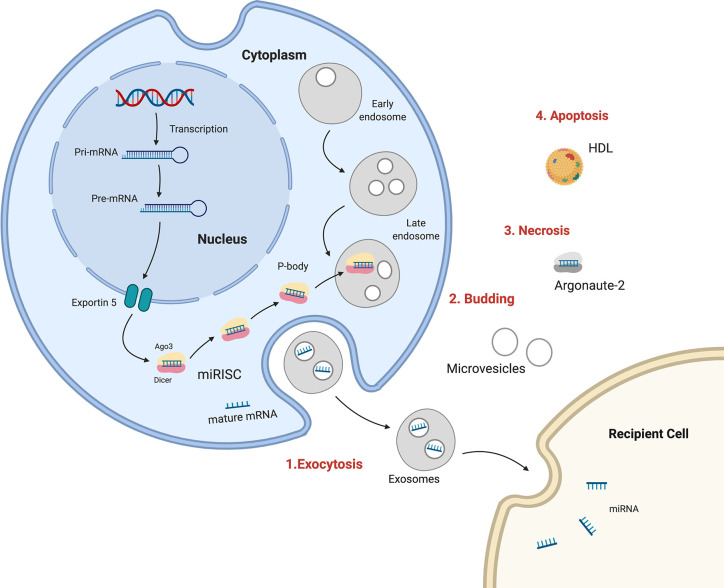
Noncoding RNAs (ncRNAs) include a diverse range of RNA species, including microRNAs (miRNAs) and long noncoding RNAs (lncRNAs). MiRNAs, ncRNAs of approximately 19-25 nucleotides in length, are involved in gene expression regulation either via degradation or silencing of the messenger RNAs (mRNAs) and have roles in multiple biological processes, including cell proliferation, differentiation, migration, angiogenesis, and apoptosis. LncRNAs, which are longer than 200 nucleotides, comprise one of the largest and most heterogeneous RNA families. LncRNAs can activate or repress gene expression through various mechanisms, acting alone or in combination with miRNAs and other molecules as part of various pathways. Until recently, most research has focused on individual lncRNA and miRNA functions as regulators, and there is limited available data on ncRNA interactions relating to the tumor growth, metastasis, and therapy of cancer, acting either on mRNA alone or as competing endogenous RNA (ceRNA) networks. Triple-negative breast cancer (TNBC) represents approximately 10%-20% of all breast cancers (BCs) and is highly heterogenous and more aggressive than other types of BC, for which current targeted treatment options include hormonotherapy, PARP inhibitors, and immunotherapy; however, no targeted therapies for TNBC are available, partly because of a lack of predictive biomarkers. With advances in proteomics, new evidence has emerged demonstrating the implications of dysregulation of ncRNAs in TNBC etiology. Here, we review the roles of lncRNAs and miRNAs implicated in TNBC, including their interactions and regulatory networks. Our synthesis provides insight into the mechanisms involved in TNBC progression and has potential to aid the discovery of new diagnostic and therapeutic strategies.
非编码RNA(ncRNAs)包括多种RNA种类,如微小RNA(miRNAs)和长链非编码RNA(lncRNAs)。miRNAs是长度约为19 - 25个核苷酸的ncRNAs,通过信使RNA(mRNAs)的降解或沉默参与基因表达调控,并在多种生物学过程中发挥作用,包括细胞增殖、分化、迁移、血管生成和凋亡。lncRNAs长度超过200个核苷酸,是最大且最具异质性的RNA家族之一。lncRNAs可通过多种机制激活或抑制基因表达,单独或与miRNAs及其他分子结合,作为各种途径的一部分发挥作用。直到最近,大多数研究都集中在单个lncRNA和miRNA作为调节因子的功能上,关于ncRNA与癌症肿瘤生长、转移和治疗相关相互作用的可用数据有限,这些相互作用要么单独作用于mRNA,要么作为竞争性内源性RNA(ceRNA)网络发挥作用。三阴性乳腺癌(TNBC)约占所有乳腺癌(BCs)的10% - 20%,高度异质性且比其他类型的BC更具侵袭性,目前针对BC的靶向治疗选择包括激素疗法、PARP抑制剂和免疫疗法;然而,尚无针对TNBC的靶向治疗方法,部分原因是缺乏预测性生物标志物。随着蛋白质组学的进展,新的证据表明ncRNAs失调在TNBC病因学中的影响。在此,我们综述lncRNAs和miRNAs在TNBC中的作用,包括它们的相互作用和调控网络。我们的综合分析深入了解了TNBC进展所涉及的机制,并有可能有助于发现新的诊断和治疗策略。