Zhang Jin, Hang Caihua, Jiang Ting, Yi Shenghui, Shao Wei, Li Wengang, Lin Donghai
Department of Hepatobiliary Surgery, Xiang'an Hospital of Xiamen University, School of Medicine, Xiamen University, Xiamen, China.
College of Chemistry and Chemical Engineering, Key Laboratory for Chemical Biology of Fujian Province, MOE Key Laboratory of Spectrochemical Analysis & Instrumentation, Xiamen University, Xiamen, China.
Front Oncol. 2020 Nov 30;10:570516. doi: 10.3389/fonc.2020.570516. eCollection 2020.
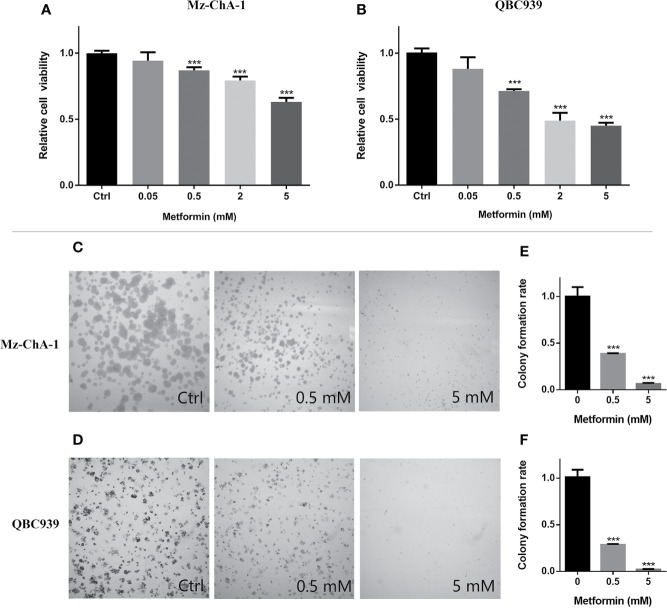
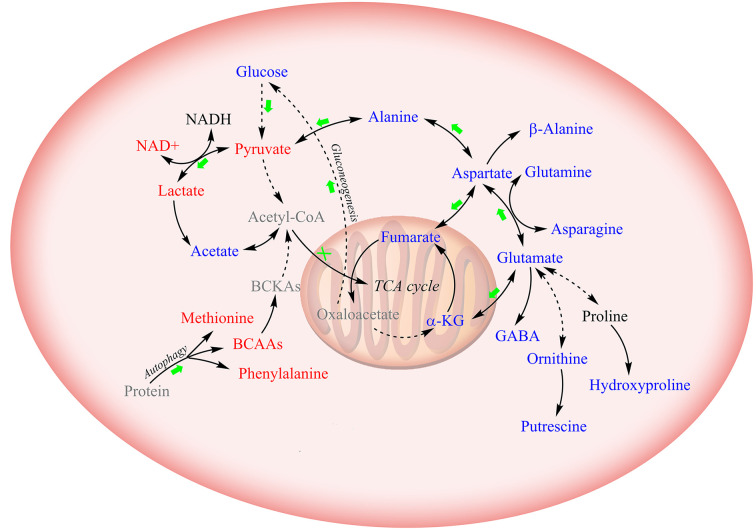
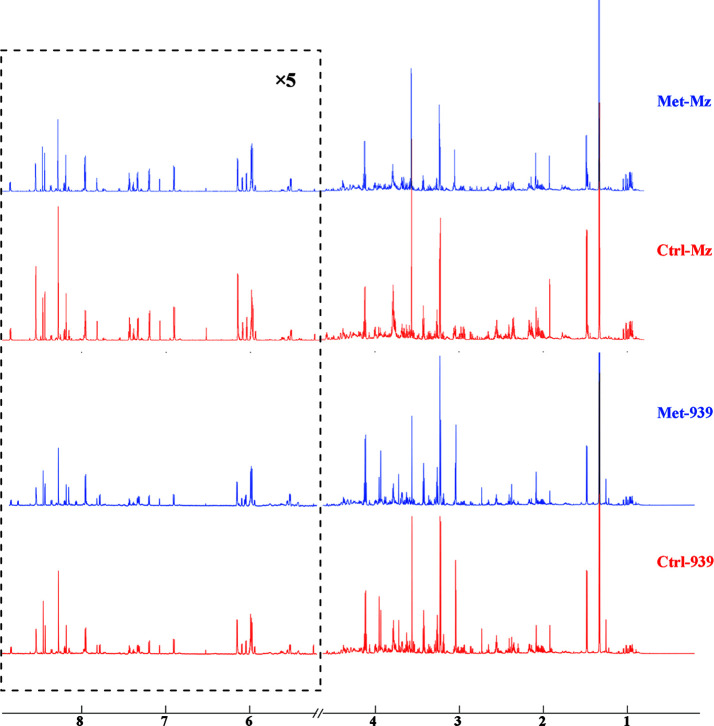
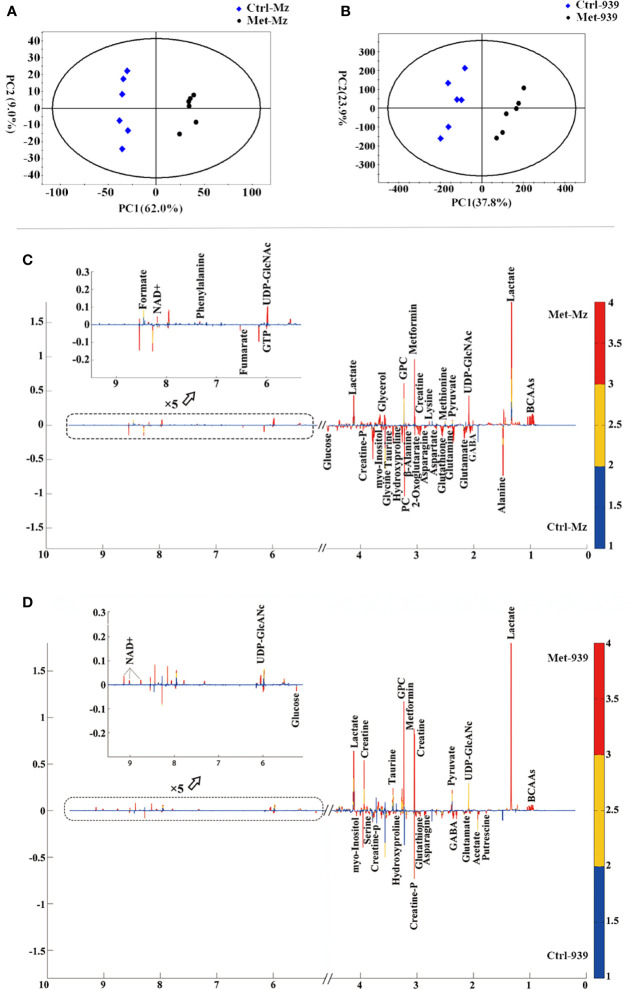
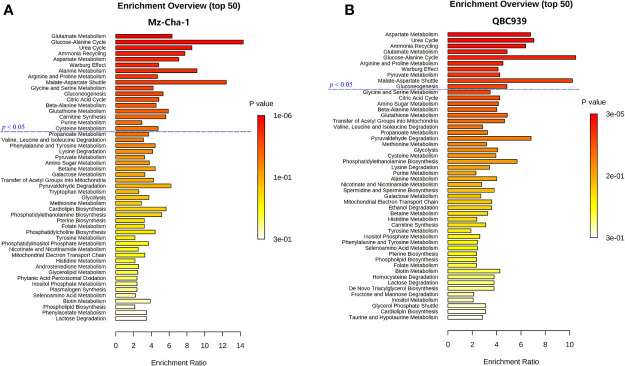
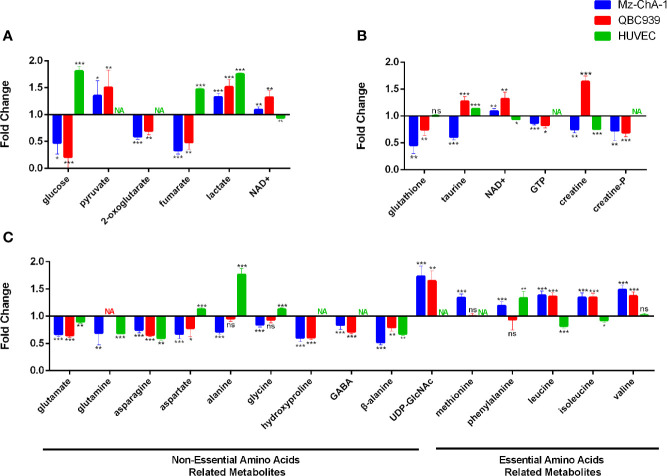
Metformin is a widely prescribed anti-diabetes drug with potential utilities for cancer therapies. Several studies have related metformin to the reduced risk of cholangiocarcinoma (CCA), highlighting its potentialities for the treatments of CCA. However, the underlying molecular mechanisms remain elusive. Here, we demonstrated that metformin treatment could inhibit proliferations of the human CCA cell lines Mz-ChA-1 and QBC939 in dose-dependent manners. The NMR-based metabonomic analyses showed distinct discriminations between the metformin-treated (Met) and control (Ctrl) groups of both CCA cells. Characteristic metabolites were identified by a combination of multivariate statistical analysis of 1D H-NMR spectral data and the pair-wise t-test of metabolite levels. We then identified four significantly altered metabolic pathways based on the characteristic metabolites, including glucose metabolism, oxidative stress-related metabolism, energy metabolism, and amino acids metabolism. Comparing CCA cells with normal human umbilical vein endothelial cells (HUVECs), we found that metformin treatment profoundly promoted glycolysis and specifically increased the levels of BCAAs and UDP-GlcNAc, implying the occurrence of autophagy and cell cycle arrest in metformin-treated CAA cells. This work provides a mechanistic understanding of the anticancer effect of metformin treatment on CAA cells, and is beneficial to further developments of metformin as an anticancer drug.
二甲双胍是一种广泛使用的抗糖尿病药物,在癌症治疗方面具有潜在效用。多项研究已将二甲双胍与降低胆管癌(CCA)风险相关联,突显了其在CCA治疗中的潜力。然而,其潜在的分子机制仍不清楚。在此,我们证明二甲双胍处理能够以剂量依赖的方式抑制人CCA细胞系Mz-ChA-1和QBC939的增殖。基于核磁共振的代谢组学分析显示,两种CCA细胞的二甲双胍处理组(Met)和对照组(Ctrl)之间存在明显差异。通过对一维氢核磁共振光谱数据进行多变量统计分析以及对代谢物水平进行成对t检验相结合的方法,鉴定出了特征性代谢物。然后,我们基于这些特征性代谢物确定了四条显著改变的代谢途径,包括葡萄糖代谢、氧化应激相关代谢、能量代谢和氨基酸代谢。将CCA细胞与正常人脐静脉内皮细胞(HUVECs)进行比较,我们发现二甲双胍处理显著促进了糖酵解,并特异性增加了支链氨基酸(BCAAs)和UDP-N-乙酰葡糖胺的水平,这意味着在二甲双胍处理的CAA细胞中发生了自噬和细胞周期停滞。这项工作为二甲双胍处理对CAA细胞的抗癌作用提供了机制上的理解,并且有利于二甲双胍作为抗癌药物的进一步开发。