Yang Chenyi, Xia Zhengyuan, Li Tang, Chen Yimeng, Zhao Mingshu, Sun Yi, Ma Ji, Wu Yi, Wang Xinyue, Wang Peng, Wang Haiyun
Department of Anesthesiology, The Third Central Hospital of Tianjin, Nankai University Affinity the Third Central Hospital, The Third Central Clinical College of Tianjin Medical University, Tianjin, China.
Tianjin Key Laboratory of Extracorporeal Life Support for Critical Diseases, Artificial Cell Engineering Technology Research Center, Tianjin Institute of Hepatobiliary Disease, Tianjin, China.
Front Oncol. 2020 Nov 24;10:590931. doi: 10.3389/fonc.2020.590931. eCollection 2020.
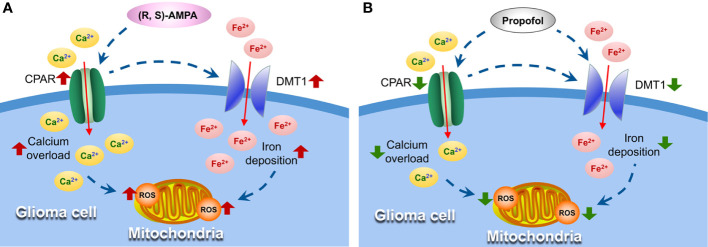
Oxidative stress enhances tumor invasion and metastasis in brain cancer. The activation of divalent metal transporter 1 (DMT1), which is regulated by glutamate receptors, can result in the increase of oxidative stress and risk of cancer development. Propofol, an anesthetic with antioxidant capacity, has been shown to decrease oxidative stress in several different types of cancer. However, the underlying mechanism remains unclear. Therefore, the present study aimed to elucidate the mechanism underlying the suppression of oxidative stress in glioma cells by propofol. It was hypothesized that propofol may inhibit oxidative stress in gliomas suppressing Ca-permeable α-amino-3-hydroxyl-5-methylisoxazole-4-propionic acid (AMPA) receptor (CPAR)-DMT1 signaling.
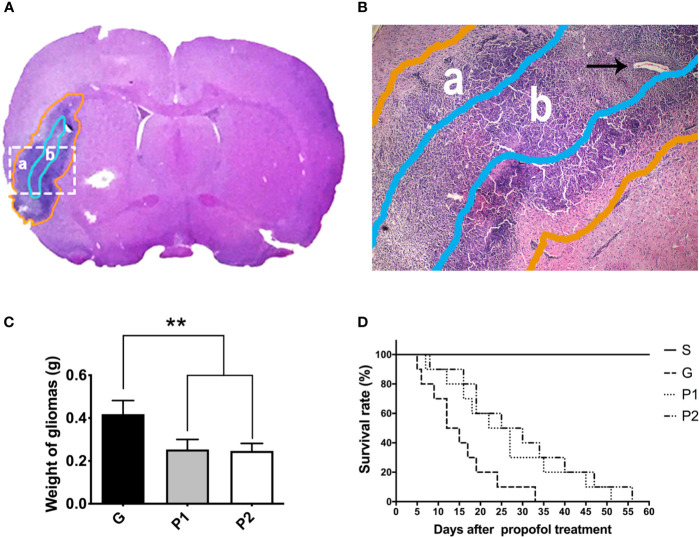
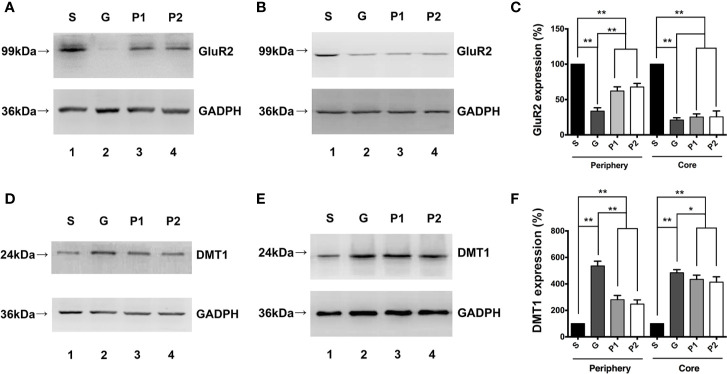
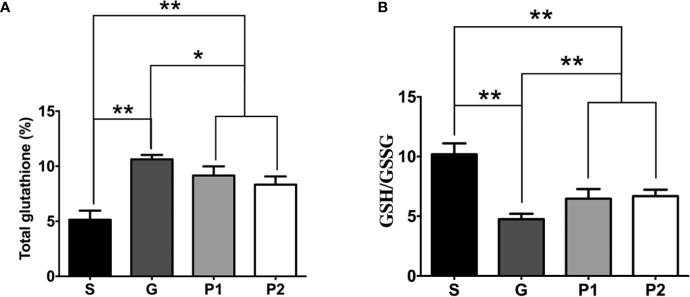
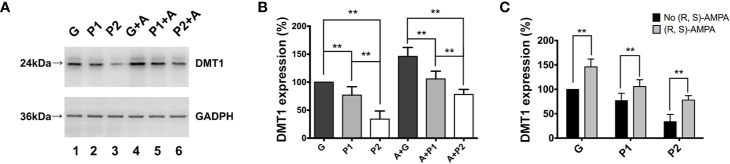
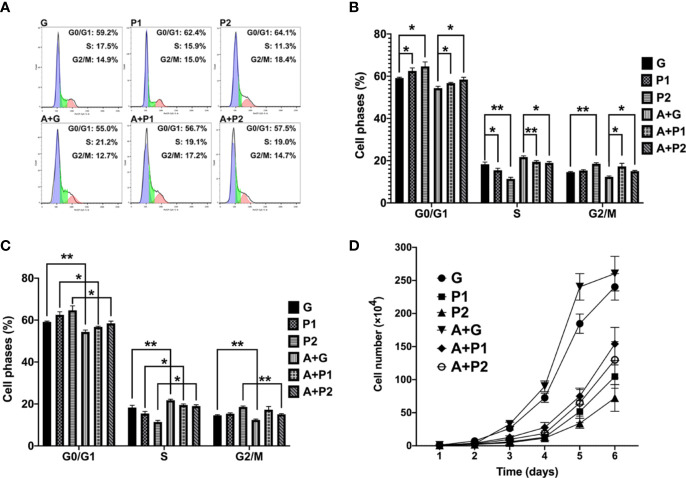
Male Wistar rats with C6 gliomas, which were established by intracranial injection of C6 glioma cells, were either treated with propofol or not for 6 h before being sacrificed. The levels of AMPA receptor subunit GluR2 and DMT1 protein expression were assessed using western blotting. The association between CPARs and DMT1 was confirmed using the AMPA receptor activator (R, S)-AMPA. Glutathione and reactive oxygen species assay kits were used to evaluate tumor oxidative stress. The effect of propofol on glioma proliferation was evaluated by determining tumor weight, cell cycles and a growth curve.
Propofol infusion at either 20 or 40 mg/kg/h increased GluR2 levels and downregulated DMT1 expression as well as glutathione content markedly in the periphery compared with that in the glioma core. The results revealed that (R, S)-AMPA increased DMT1 expression and reactive oxygen species levels, which were partly reversed by propofol treatment.
Propofol regulated DMT1 expression by modulating CPARs, resulting in the inhibition of tumor oxidative stress and glioma growth. The present study provides evidence for optimizing the selection of anesthetic drugs in perioperative management and prognosis of patients with glioma.
氧化应激增强脑癌的肿瘤侵袭和转移。由谷氨酸受体调节的二价金属转运蛋白1(DMT1)的激活可导致氧化应激增加和癌症发生风险。丙泊酚是一种具有抗氧化能力的麻醉剂,已被证明可降低几种不同类型癌症中的氧化应激。然而,其潜在机制仍不清楚。因此,本研究旨在阐明丙泊酚抑制胶质瘤细胞氧化应激的潜在机制。据推测,丙泊酚可能通过抑制钙通透性α-氨基-3-羟基-5-甲基异恶唑-4-丙酸(AMPA)受体(CPAR)-DMT1信号传导来抑制胶质瘤中的氧化应激。
通过颅内注射C6胶质瘤细胞建立C6胶质瘤的雄性Wistar大鼠,在处死前6小时给予或不给予丙泊酚治疗。使用蛋白质印迹法评估AMPA受体亚基GluR2和DMT1蛋白表达水平。使用AMPA受体激活剂(R,S)-AMPA证实CPAR与DMT1之间的关联。使用谷胱甘肽和活性氧检测试剂盒评估肿瘤氧化应激。通过测定肿瘤重量、细胞周期和生长曲线来评估丙泊酚对胶质瘤增殖的影响。
与胶质瘤核心相比,以20或40mg/kg/h输注丙泊酚可显著增加外周GluR2水平,下调DMT1表达以及谷胱甘肽含量。结果显示,(R,S)-AMPA增加DMT1表达和活性氧水平,丙泊酚治疗可部分逆转这些变化。
丙泊酚通过调节CPAR来调节DMT1表达,从而抑制肿瘤氧化应激和胶质瘤生长。本研究为优化胶质瘤患者围手术期管理和预后中麻醉药物的选择提供了证据。