Division of Nephrology, Transplantationszentrum, University of Würzburg, Universitätsklinikum, Würzburg, Germany.
TH Aschaffenburg (University of Applied Sciences), Aschaffenburg, Germany.
PLoS One. 2020 Dec 17;15(12):e0243465. doi: 10.1371/journal.pone.0243465. eCollection 2020.
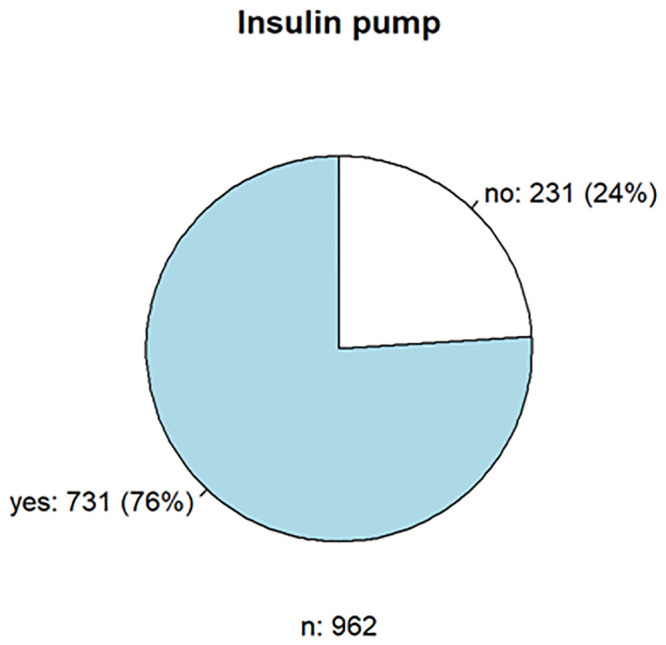
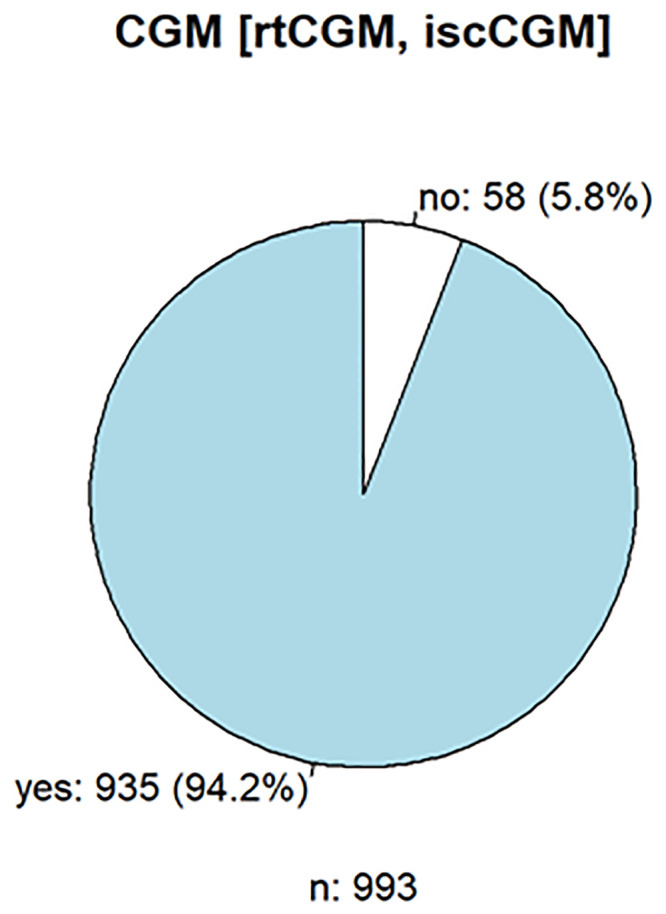
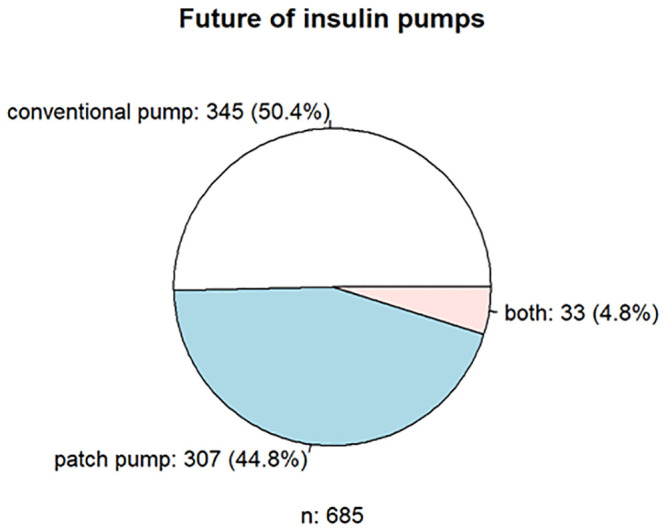
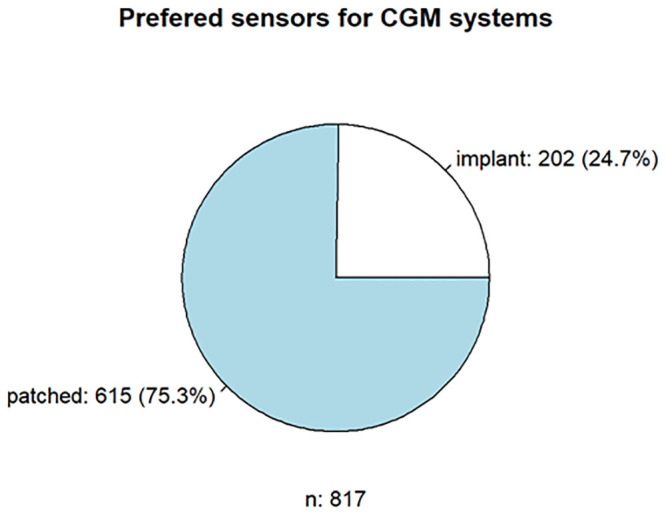
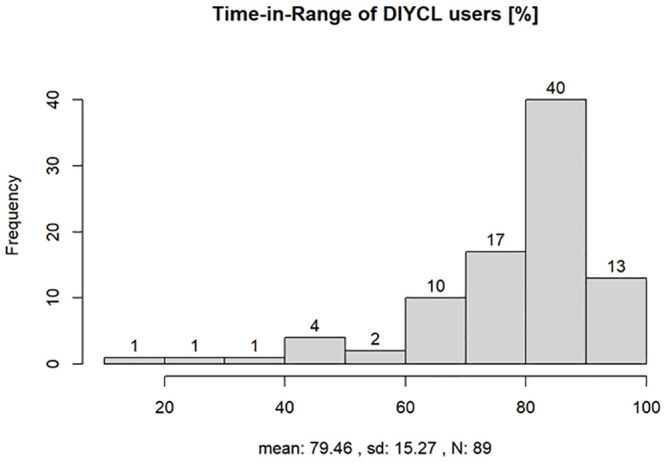
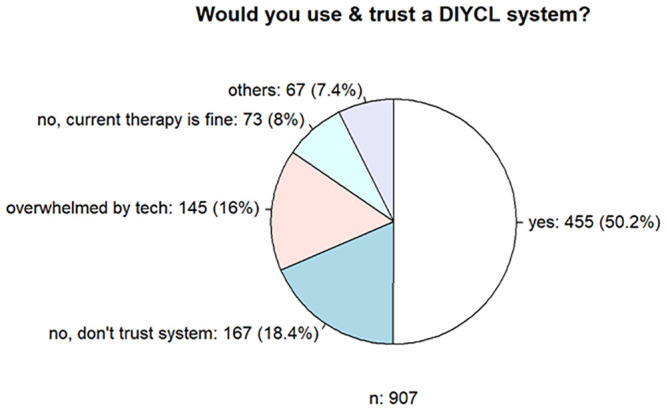
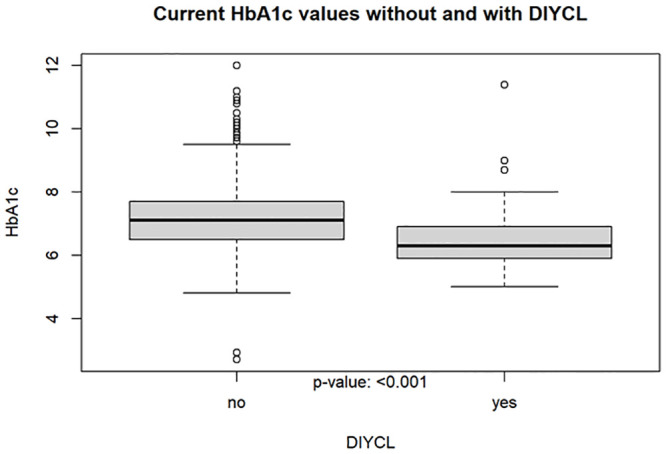
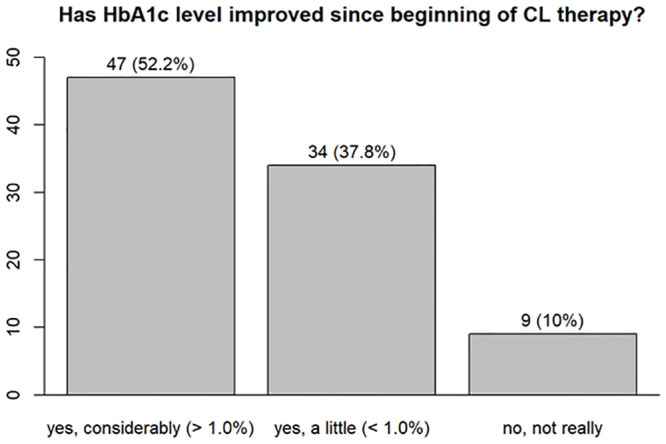
Continuous glucose monitoring (CGM) improves treatment with lower blood glucose levels and less patient effort. In combination with continuous insulin application, glycemic control improves and hypoglycemic episodes should decrease. Direct feedback of CGM to continuous subcutaneous insulin application, using an algorithm is called a closed-loop (CL) artificial pancreas system. Commercial devices stop insulin application by predicting hypoglycemic blood glucose levels through direct interaction between the sensor and pump. The prediction is usually made for about 30 minutes and insulin delivery is restarted at the previous level if a rise in blood glucose is predicted within the next 30 minutes (hybrid closed loop system, HCL this is known as a predictive low glucose suspend system (PLGS)). In a fully CL system, sensor and pump communicate permanently with each other. Hybrid closed-loop (HCL) systems, which require the user to estimate the meal size and provide a meal insulin basis, are commercially available in Germany at the moment. These systems result in fewer hyperglycemic and hypoglycemic episodes with improved glucose control. Open source initiatives have provided support by building do-it-yourself CL (DIYCL) devices for automated insulin application since 2014, and are used by a tech-savvy subgroup of patients. The first commercial hybrid CL system has been available in Germany since September 2019. We surveyed 1054 patients to determine which devices are currently used, which features would be in demand by potential users, and the benefits of DIYCL systems. 9.7% of these used a DIYCL system, while 50% would most likely trust these systems but more than 85% of the patients would use a commercial closed loop system, if available. The DIYCL users had a better glucose control regarding their time in range (TIR) and glycated hemoglobin (HbA1c).
连续血糖监测(CGM)可改善治疗效果,降低血糖水平,减少患者的努力。与持续胰岛素应用相结合,血糖控制得到改善,低血糖发作应减少。CGM 与连续皮下胰岛素应用的直接反馈,使用算法被称为闭环(CL)人工胰腺系统。商业设备通过传感器和泵之间的直接相互作用预测低血糖血糖水平来停止胰岛素应用。预测通常在大约 30 分钟内进行,如果在接下来的 30 分钟内预测血糖升高,则胰岛素输送会在先前的水平上重新开始(混合闭环系统,HCL 称为预测低血糖暂停系统(PLGS))。在完全 CL 系统中,传感器和泵之间可以永久通信。目前,在德国,混合闭环(HCL)系统,需要用户估计餐量并提供餐时胰岛素基础,商业上可用。这些系统可减少高血糖和低血糖发作,改善血糖控制。自 2014 年以来,开源计划通过构建用于自动胰岛素应用的 DIYCL 设备提供了支持,并且被一些精通技术的患者小组使用。第一个商业混合 CL 系统自 2019 年 9 月以来一直在德国可用。我们调查了 1054 名患者,以确定目前正在使用哪些设备,潜在用户需要哪些功能,以及 DIYCL 系统的好处。这些患者中有 9.7%使用了 DIYCL 系统,而 50%的患者最有可能信任这些系统,但如果有商业闭环系统,超过 85%的患者会使用商业闭环系统。在时间范围内(TIR)和糖化血红蛋白(HbA1c)方面,DIYCL 用户的血糖控制更好。