Division of Biological Sciences, Department of Molecular Biology, University of California at San Diego, La Jolla, California 92093, USA.
Genes Dev. 2021 Jan 1;35(1-2):65-81. doi: 10.1101/gad.343475.120. Epub 2020 Dec 17.
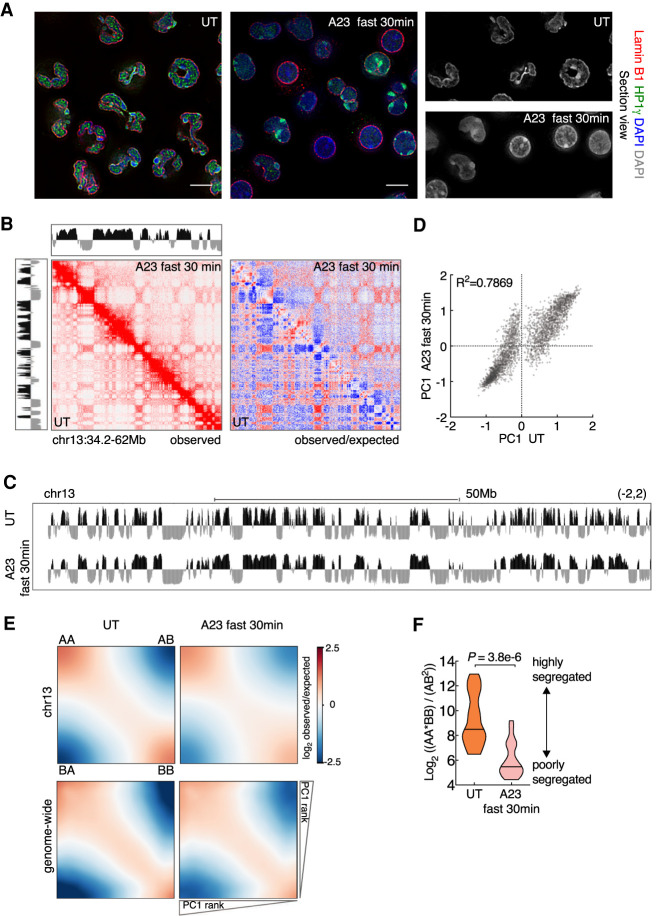
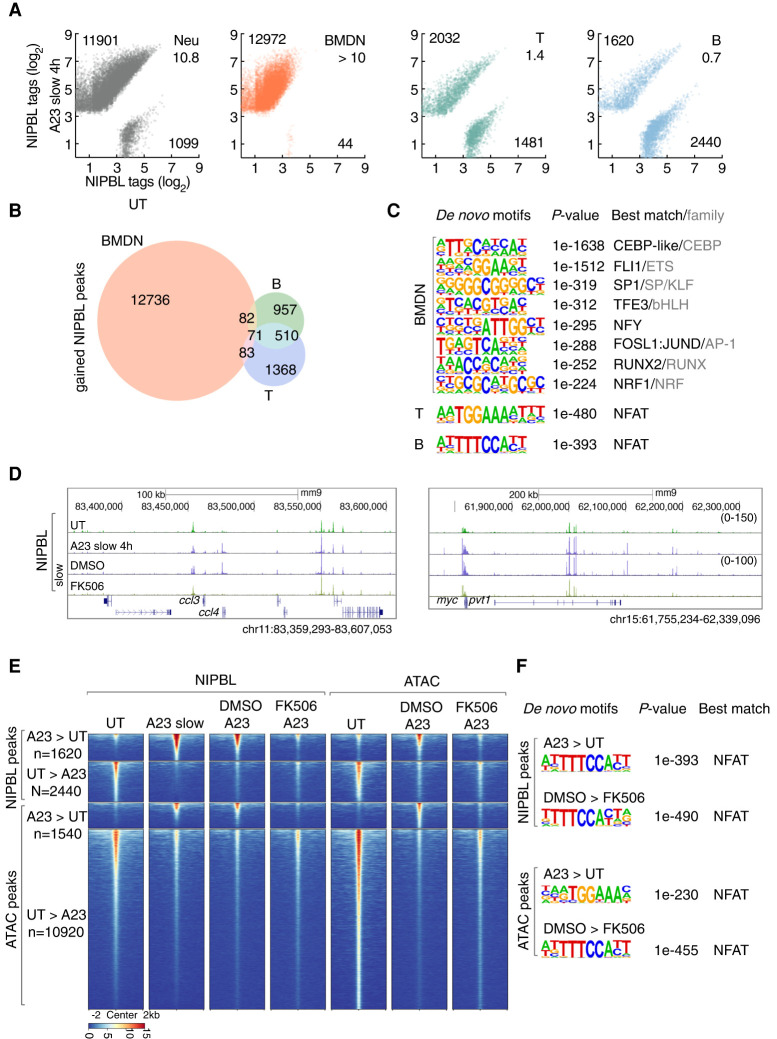
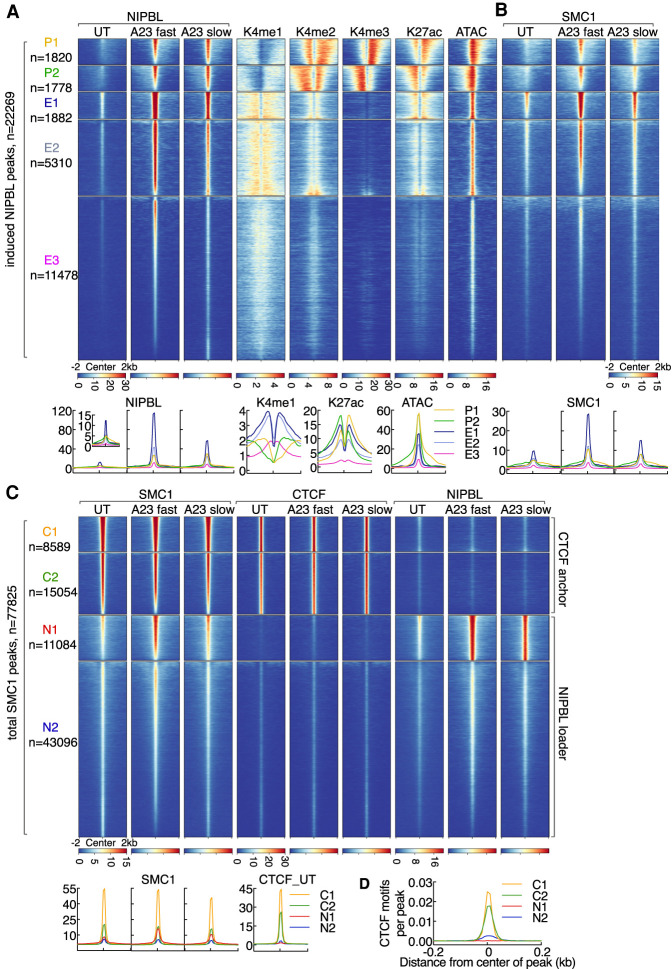
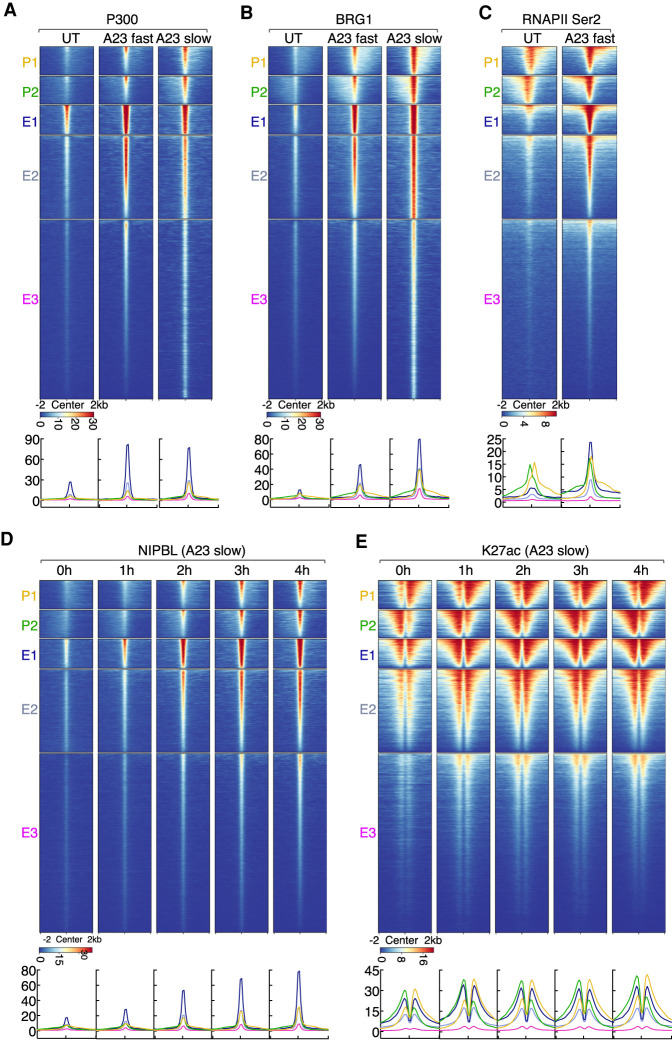
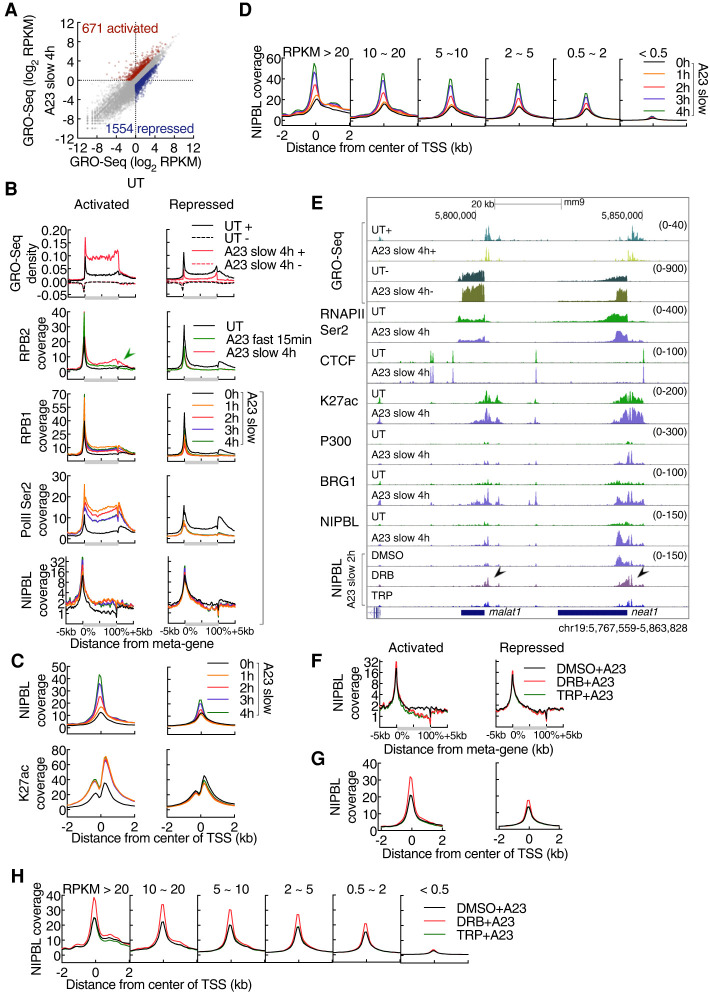
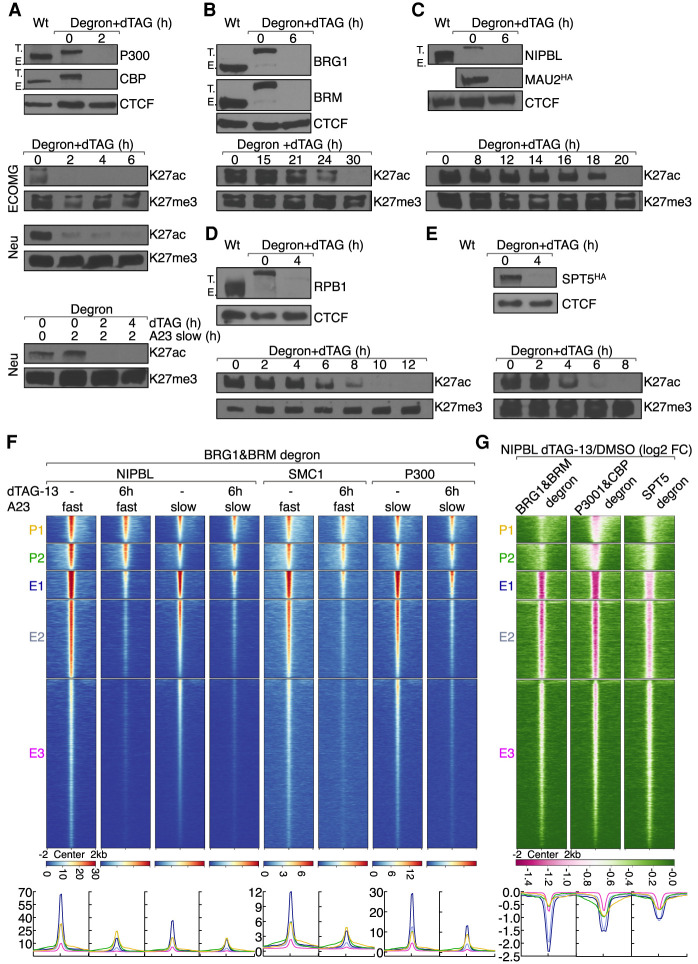
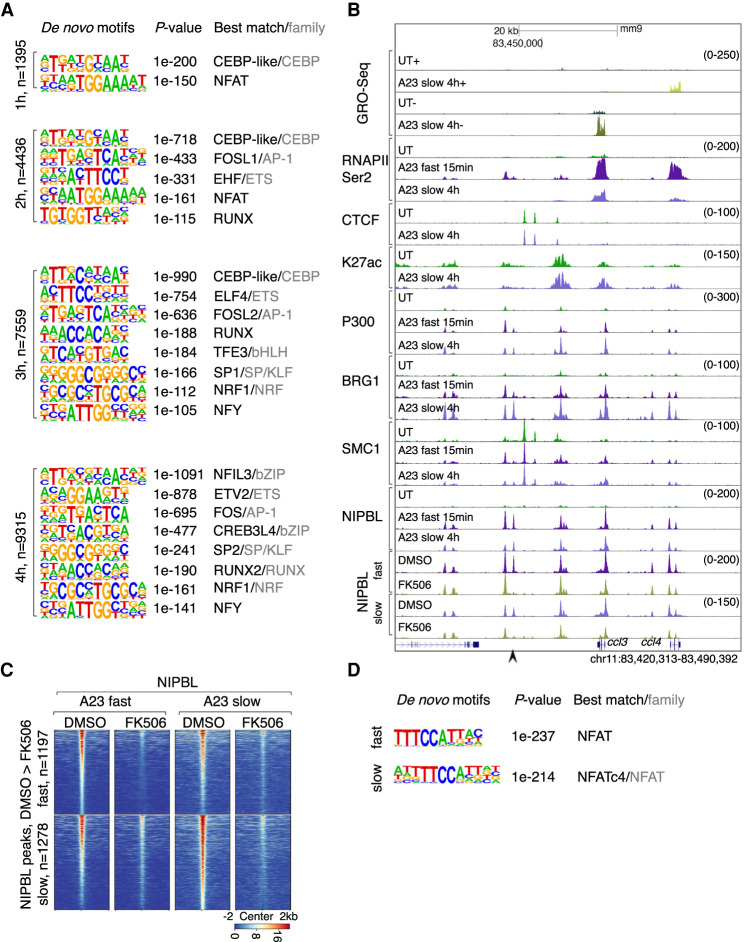
During developmental progression the genomes of immune cells undergo large-scale changes in chromatin folding. However, insights into signaling pathways and epigenetic control of nuclear architecture remain rudimentary. Here, we found that in activated neutrophils calcium influx rapidly recruited the cohesin-loading factor NIPBL to thousands of active enhancers and promoters to dictate widespread changes in compartment segregation. NIPBL recruitment to enhancers and promoters occurred with distinct kinetics. The induction of NIPBL-binding was coordinate with increased P300, BRG1 and RNA polymerase II occupancy. NIPBL-bound enhancers were associated with NFAT, PU.1, and CEBP elements, whereas NIPBL-bound promoters were enriched for GC-rich DNA sequences. Using an acute degradation system, we found that the histone acetyltransferases P300 and CBP maintained H3K27ac abundance and facilitated NIPBL occupancy at enhancers and that active transcriptional elongation is essential to maintain H3K27ac abundance. Chromatin remodelers, containing either of the mutually exclusive BRG1 and BRM ATPases, promoted NIPBL recruitment at active enhancers. Conversely, at active promoters, depletion of BRG1 and BRM showed minimal effect on NIPBL occupancy. Finally, we found that calcium signaling in both primary innate and adaptive immune cells swiftly induced NIPBL occupancy. Collectively, these data reveal how transcriptional regulators, histone acetyltransferases, chromatin remodelers, and transcription elongation promote NIPBL occupancy at active enhancers while the induction of NIPLB occupancy at promoters is primarily associated with GC-rich DNA sequences.
在发育进展过程中,免疫细胞的基因组经历了染色质折叠的大规模变化。然而,信号通路和核架构的表观遗传控制的见解仍然很初步。在这里,我们发现激活的中性粒细胞中的钙流入迅速募集了黏合素加载因子 NIPBL 到数千个活跃的增强子和启动子,以决定广泛的隔室分离变化。NIPBL 募集到增强子和启动子的动力学是不同的。NIPBL 结合的诱导与 P300、BRG1 和 RNA 聚合酶 II 占有率的增加协调发生。NIPBL 结合的增强子与 NFAT、PU.1 和 CEBP 元件相关,而 NIPBL 结合的启动子富含 GC 丰富的 DNA 序列。使用急性降解系统,我们发现组蛋白乙酰转移酶 P300 和 CBP 维持 H3K27ac 的丰度并促进 NIPBL 在增强子上的结合,并且活跃的转录延伸对于维持 H3K27ac 的丰度是必不可少的。包含相互排斥的 BRG1 和 BRM ATP 酶的染色质重塑因子促进 NIPBL 在活跃的增强子上的募集。相反,在活跃的启动子上,BRG1 和 BRM 的耗尽对 NIPBL 的占有率几乎没有影响。最后,我们发现原发性先天和适应性免疫细胞中的钙信号迅速诱导 NIPBL 结合。总的来说,这些数据揭示了转录调节剂、组蛋白乙酰转移酶、染色质重塑因子和转录延伸如何促进 NIPBL 在活跃的增强子上的结合,而 NIPLB 在启动子上的结合的诱导主要与 GC 丰富的 DNA 序列相关。