Hegeman Erik M, Polmear Michael, Scanaliato John P, Nesti Leon, Dunn John C
Orthopaedic Surgery, Brooke Army Medical Center, San Antonio, USA.
Orthopaedics, William Beaumont Army Medical Center, El Paso, USA.
Cureus. 2020 Nov 15;12(11):e11490. doi: 10.7759/cureus.11490.
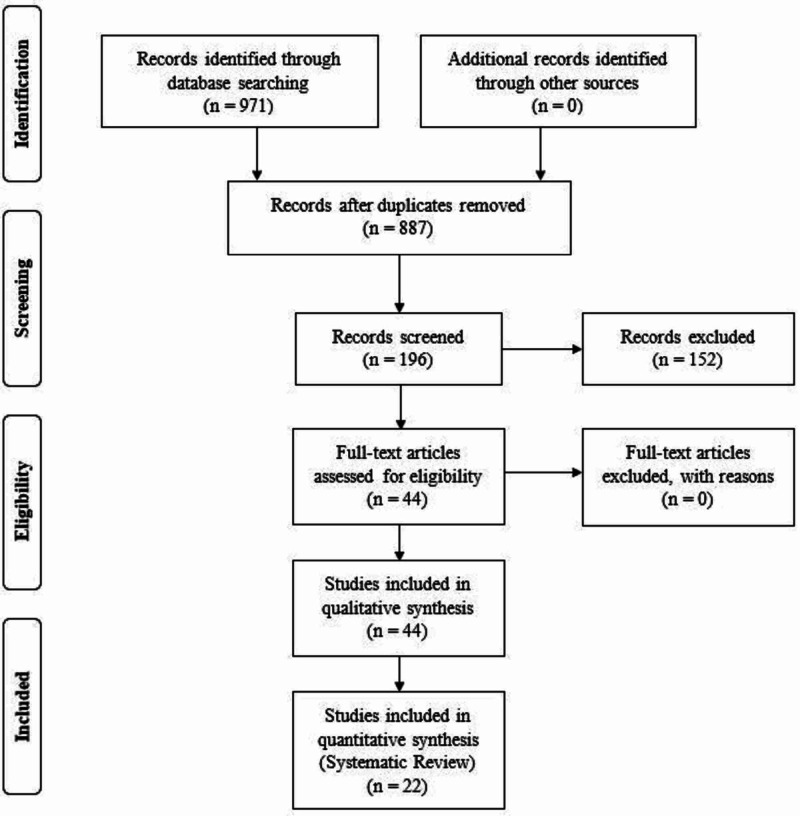
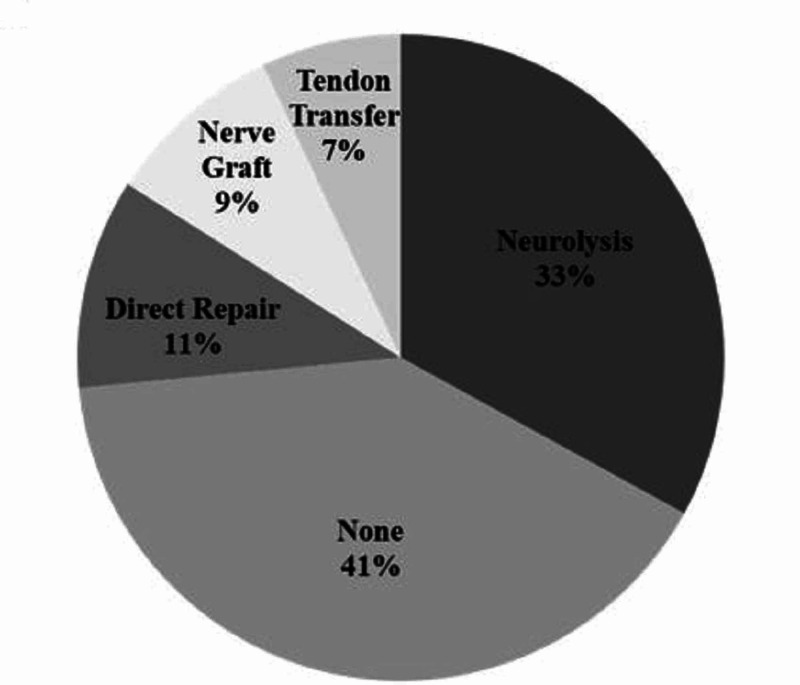
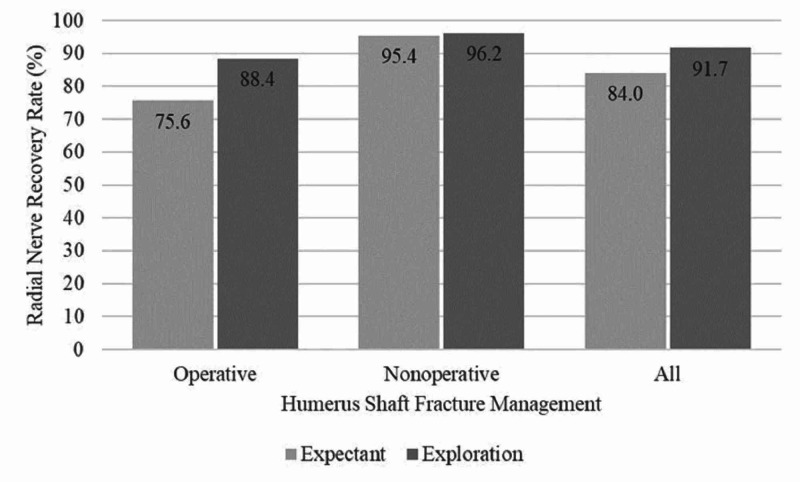
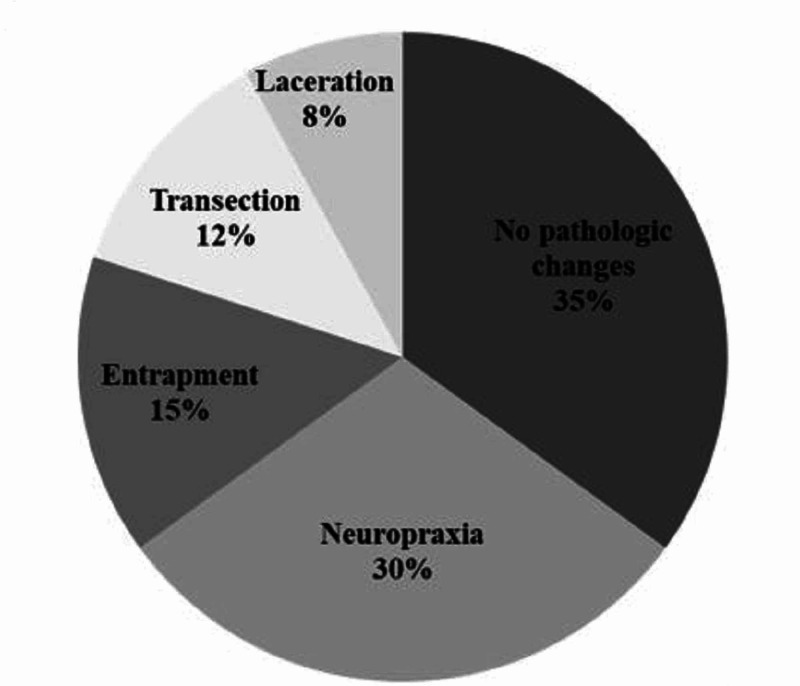
Radial nerve palsies in closed humeral shaft fractures are common, with an incidence of 7%-17%. The management of radial nerve palsies in closed fractures is often expectant, with 70.7% spontaneously recovering within six months. A literature search was conducted for studies on radial nerve palsies in humeral shaft fractures from 2000-2018. A total of 4972 humeral shaft fractures were identified, with an incidence of 12.2% of primary radial nerve palsies. During the exploration, no neurological intervention was performed in nearly 41% of cases, and the most common finding was no evidence of any nerve lesion (35%). Those who underwent neurolysis were more likely to resolve when compared to primary repair or nerve grafting. Overall, there was a high rate of spontaneous radial nerve palsy recovery (85%) with radial nerve exploration increasing rates of resolution. While exploration demonstrates increased resolution, it is yet to be determined which fractures are indicated for nerve exploration.
闭合性肱骨干骨折合并桡神经麻痹很常见,发生率为7% - 17%。闭合性骨折合并桡神经麻痹的治疗通常是观察等待,70.7%的患者在六个月内可自行恢复。对2000年至2018年期间关于肱骨干骨折合并桡神经麻痹的研究进行了文献检索。共确定了4972例肱骨干骨折,原发性桡神经麻痹的发生率为12.2%。在探查过程中,近41%的病例未进行神经干预,最常见的发现是没有任何神经损伤的证据(35%)。与一期修复或神经移植相比,接受神经松解术的患者更有可能恢复。总体而言,桡神经麻痹的自发恢复率很高(85%),桡神经探查可提高恢复率。虽然探查显示恢复率有所提高,但尚未确定哪些骨折需要进行神经探查。