Department of Brain and Cognition, KU Leuven, Tiensestraat 102 - bus 3714, Leuven, Belgium; Leuven Autism Research Consortium, KU Leuven, Leuven, Belgium.
Centre for Developmental Psychiatry, KU Leuven, Kapucijnenvoer 7 blok h - bus 7001, Leuven, Belgium; Leuven Autism Research Consortium, KU Leuven, Leuven, Belgium.
Neuroimage Clin. 2021;29:102520. doi: 10.1016/j.nicl.2020.102520. Epub 2020 Dec 3.
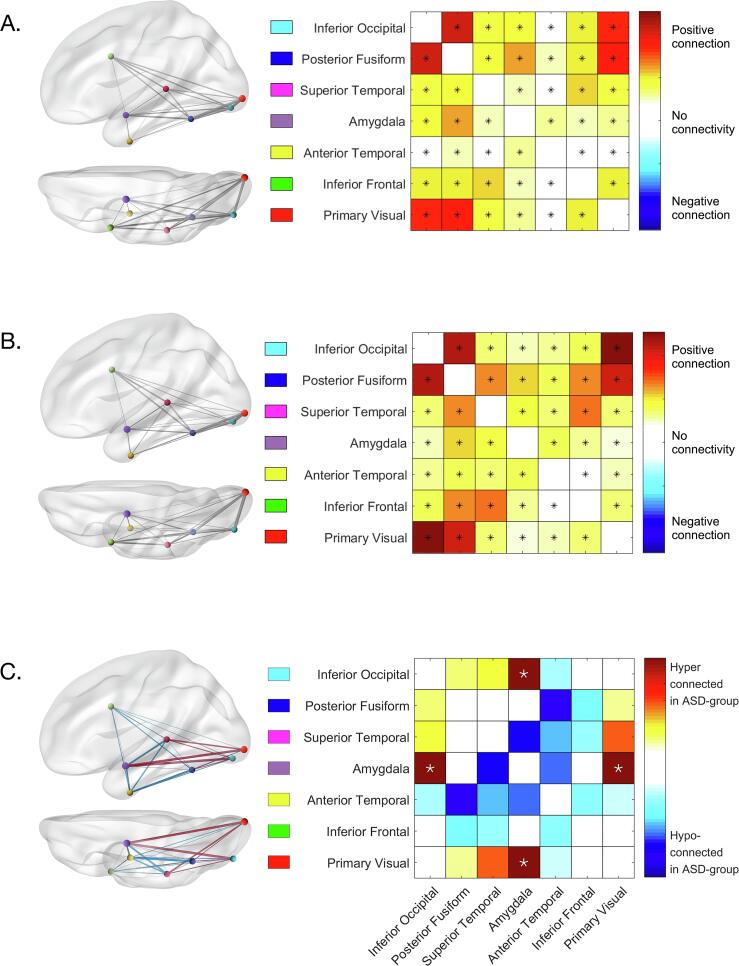
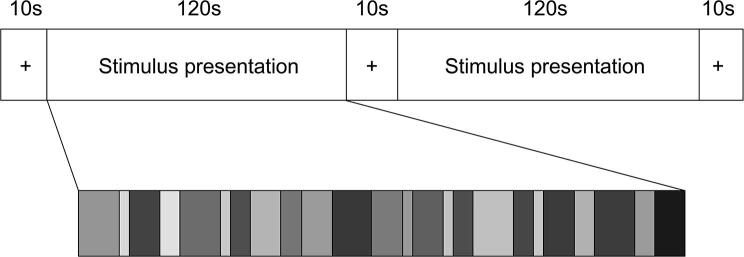
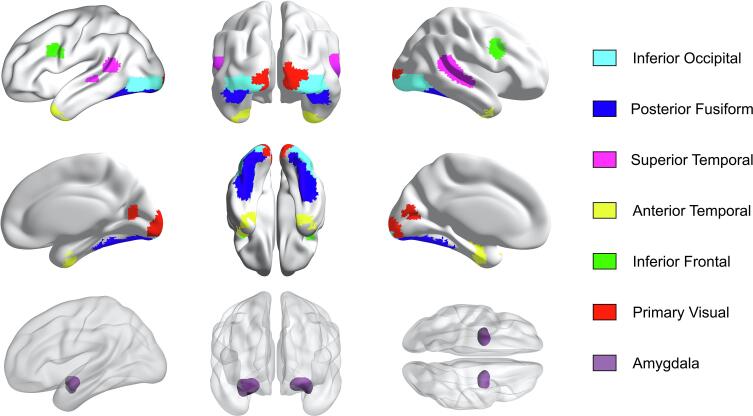
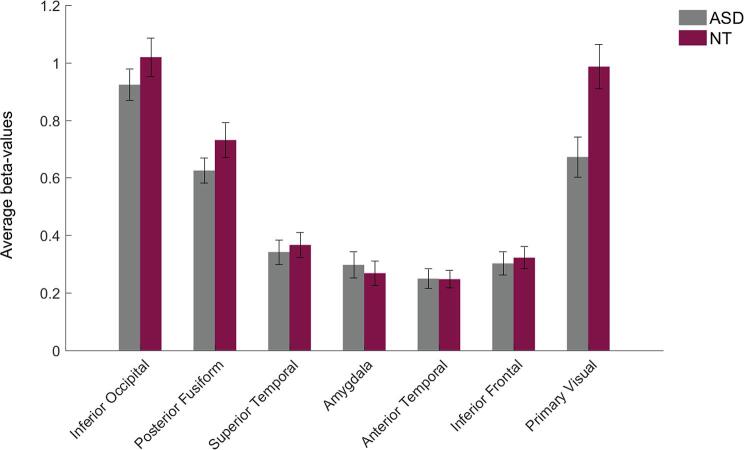
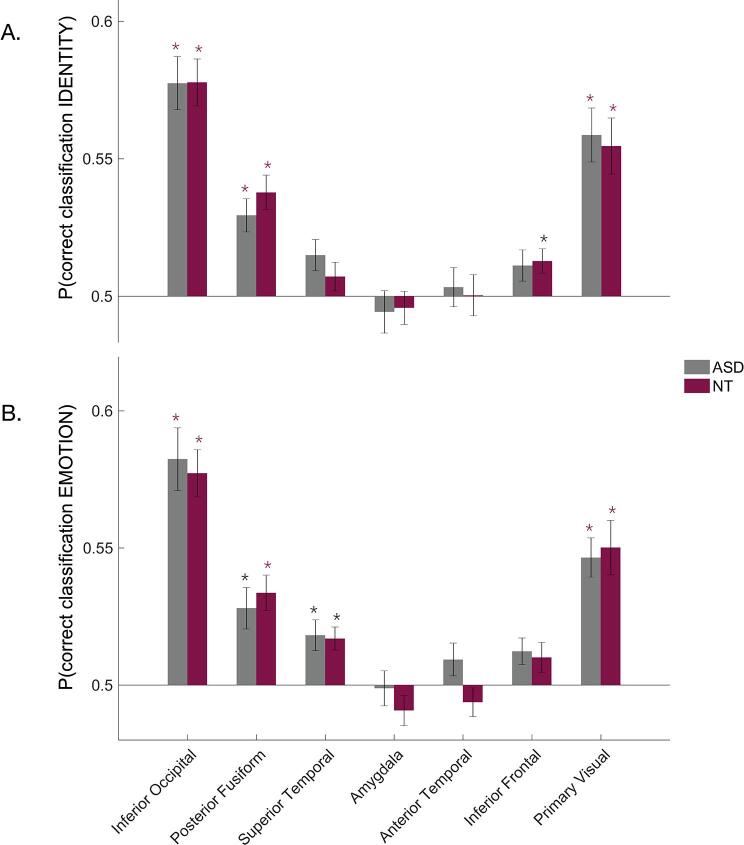
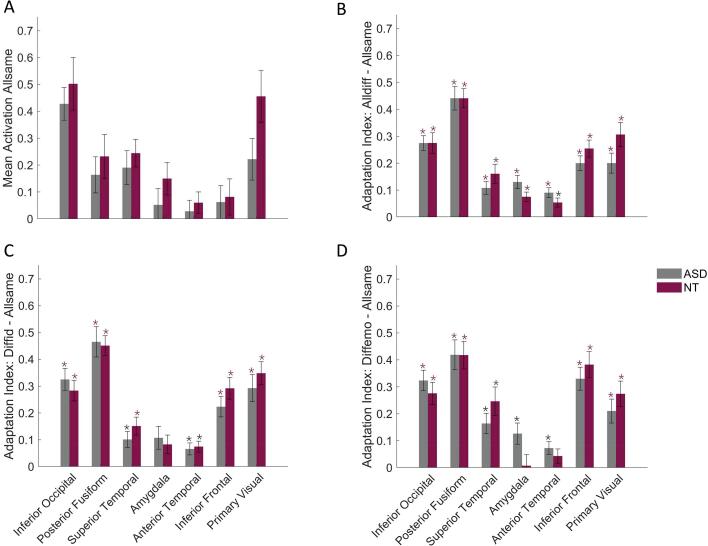
The ability to recognize faces and facial expressions is a common human talent. It has, however, been suggested to be impaired in individuals with autism spectrum disorder (ASD). The goal of this study was to compare the processing of facial identity and emotion between individuals with ASD and neurotypicals (NTs). Behavioural and functional magnetic resonance imaging (fMRI) data from 46 young adults (aged 17-23 years, N = 22, N = 24) was analysed. During fMRI data acquisition, participants discriminated between short clips of a face transitioning from a neutral to an emotional expression. Stimuli included four identities and six emotions. We performed behavioural, univariate, multi-voxel, adaptation and functional connectivity analyses to investigate potential group differences. The ASD-group did not differ from the NT-group on behavioural identity and expression processing tasks. At the neural level, we found no differences in average neural activation, neural activation patterns and neural adaptation to faces in face-related brain regions. In terms of functional connectivity, we found that amygdala seems to be more strongly connected to inferior occipital cortex and V1 in individuals with ASD. Overall, the findings indicate that neural representations of facial identity and expression have a similar quality in individuals with and without ASD, but some regions containing these representations are connected differently in the extended face processing network.
识别面孔和面部表情的能力是人类的一项普遍天赋。然而,有人认为自闭症谱系障碍(ASD)患者的这种能力受损。本研究旨在比较 ASD 个体和神经典型个体(NTs)对面部身份和情绪的处理。对 46 名年轻成年人(年龄 17-23 岁,N=22,N=24)的行为和功能磁共振成像(fMRI)数据进行了分析。在 fMRI 数据采集过程中,参与者对从中性到情绪表达的人脸短片段进行区分。刺激包括四个身份和六个情绪。我们进行了行为、单变量、多体素、适应和功能连接分析,以研究潜在的群体差异。ASD 组在行为身份和表情处理任务上与 NT 组没有差异。在神经水平上,我们没有发现面孔相关脑区的平均神经激活、神经激活模式和对面孔的神经适应存在差异。在功能连接方面,我们发现杏仁核与 ASD 个体的下枕叶和 V1 的连接似乎更强。总的来说,这些发现表明,面部身份和表情的神经表示在 ASD 个体和无 ASD 个体中具有相似的质量,但包含这些表示的一些区域在扩展的面部处理网络中连接方式不同。