Ramsamy Yogandree, Mlisana Koleka P, Amoako Daniel G, Abia Akebe Luther King, Allam Mushal, Ismail Arshad, Singh Ravesh, Essack Sabiha Y
Medical Microbiology, College of Health Sciences, University of KwaZulu-Natal, Durban 4000, South Africa.
National Health Laboratory Service, Durban 4001, South Africa.
Microorganisms. 2020 Dec 16;8(12):2008. doi: 10.3390/microorganisms8122008.
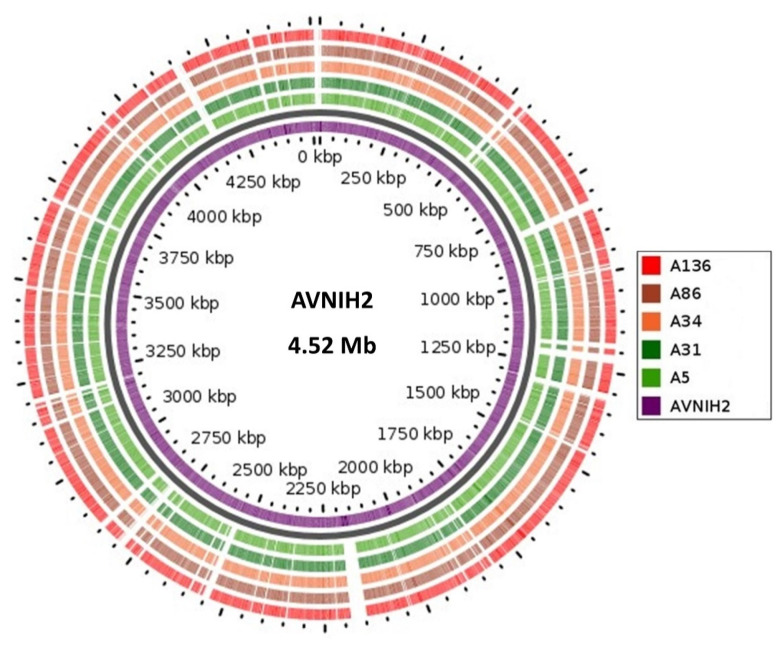
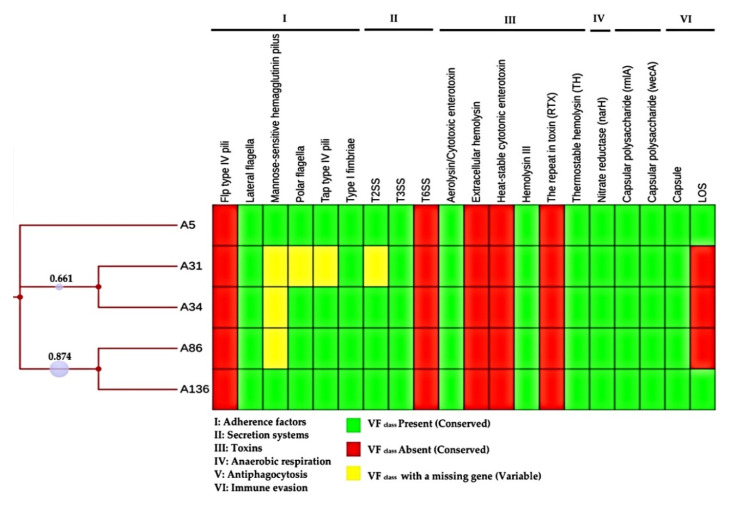
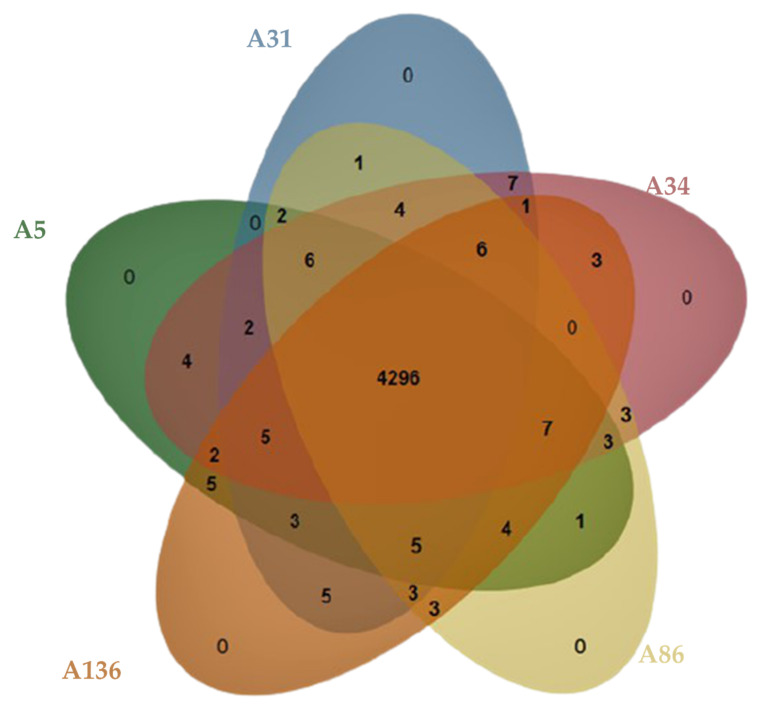
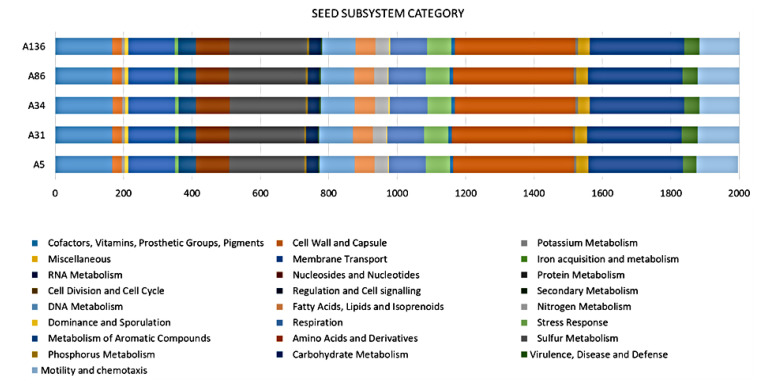
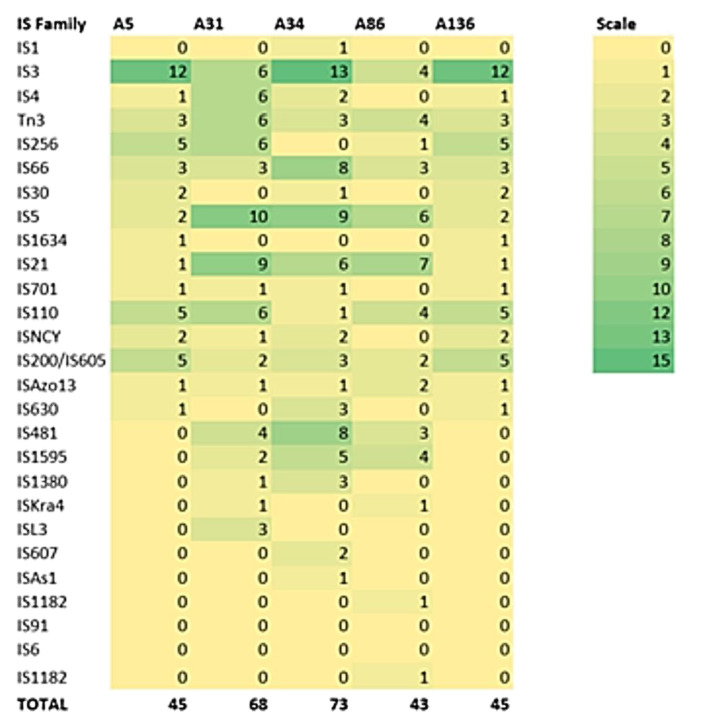
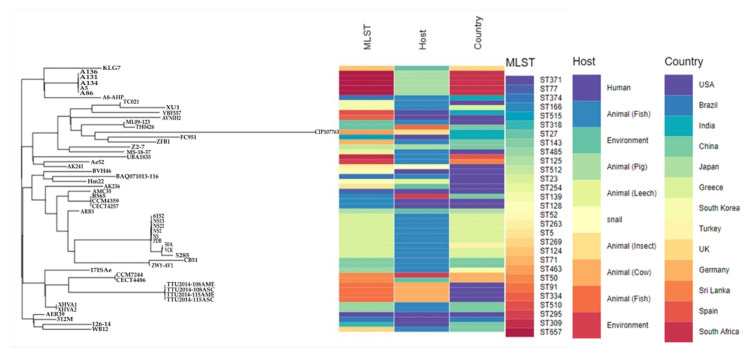
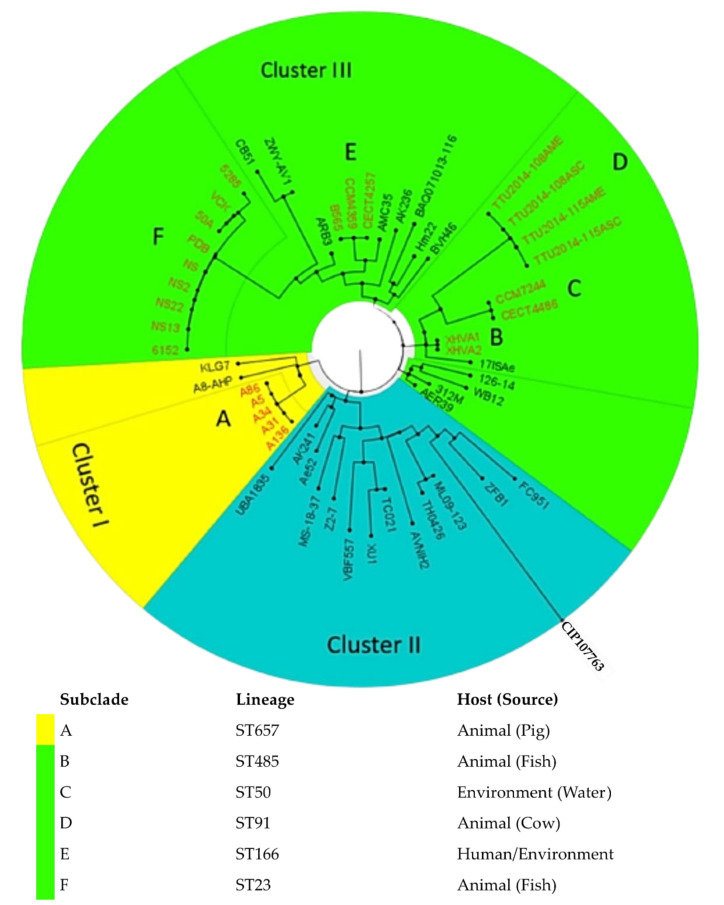
The pathogenomics of carbapenem-resistant isolates recovered from pigs in KwaZulu-Natal, South Africa, was explored by whole genome sequencing on the Illumina MiSeq platform. Genomic functional annotation revealed a vast array of similar central networks (metabolic, cellular, and biochemical). The pan-genome analysis showed that the isolates formed a total of 4349 orthologous gene clusters, 4296 of which were shared; no unique clusters were observed. All the isolates had similar resistance phenotypes, which corroborated their chromosomally mediated resistome (bla and bla) and belonged to a novel sequence type, ST657 (a satellite clone). Isolates in the same sub-clades clustered according to their clonal lineages and host. Mobilome analysis revealed the presence of chromosome-borne insertion sequence families. The estimated pathogenicity score (P ≈ 0.60) indicated their potential pathogenicity in humans. Furthermore, these isolates carried several virulence factors (adherence factors, toxins, and immune evasion), in different permutations and combinations, indicating a differential ability to establish infection. Phylogenomic and metadata analyses revealed a predilection for water environments and aquatic animals, with more recent reports in humans and food animals across geographies, making a potential One Health indicator bacterium.
通过在Illumina MiSeq平台上进行全基因组测序,对从南非夸祖鲁-纳塔尔省的猪身上分离出的耐碳青霉烯类菌株进行了病原组学研究。基因组功能注释揭示了大量相似的核心网络(代谢、细胞和生化网络)。泛基因组分析表明,这些分离株总共形成了4349个直系同源基因簇,其中4296个是共享的;未观察到独特的基因簇。所有分离株都具有相似的耐药表型,这证实了它们由染色体介导的耐药基因组(bla和bla),并且属于一种新的序列类型ST657(一个卫星克隆)。同一亚分支中的分离株根据其克隆谱系和宿主进行聚类。可移动基因组分析揭示了染色体携带的插入序列家族的存在。估计的致病性评分(P≈0.60)表明它们对人类具有潜在致病性。此外,这些分离株携带多种毒力因子(黏附因子、毒素和免疫逃避因子),以不同的排列组合形式存在,表明它们建立感染的能力存在差异。系统发育基因组学和元数据分析揭示了它们对水环境和水生动物的偏好,最近在不同地区的人类和食用动物中也有相关报道,使其成为一种潜在的“同一个健康”指示细菌。