He Ke, Liu Shuai, Xia Yong, Xu Jianguo, Liu Fei, Xiao Jing, Li Yong, Ding Qianshan, Lu Ligong, Xiang Guoan, Zhan Meixiao
Department of General Surgery, Guangdong Second Provincial General Hospital, Guangzhou, China.
Zhuhai Interventional Medical Center, Zhuhai Precision Medical Center, Zhuhai People's Hospital, Zhuhai Hospital Affiliated with Jinan University, Jinan University, Zhuhai, China.
Front Oncol. 2020 Dec 4;10:574853. doi: 10.3389/fonc.2020.574853. eCollection 2020.
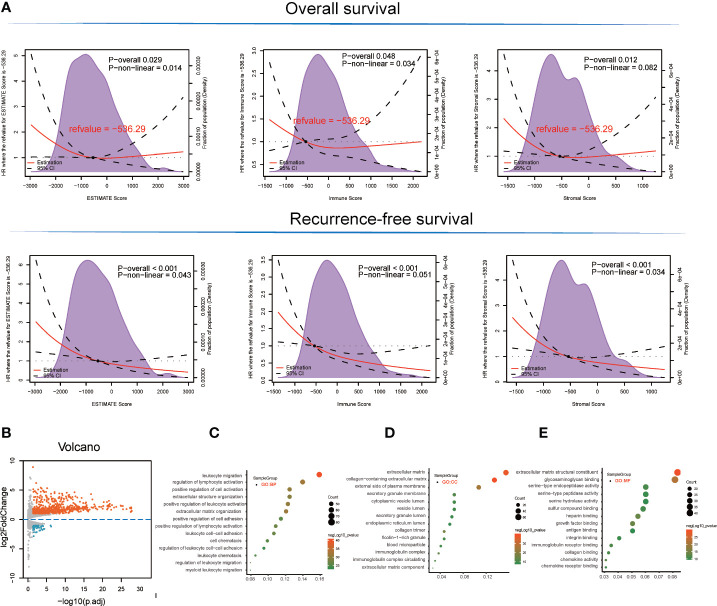
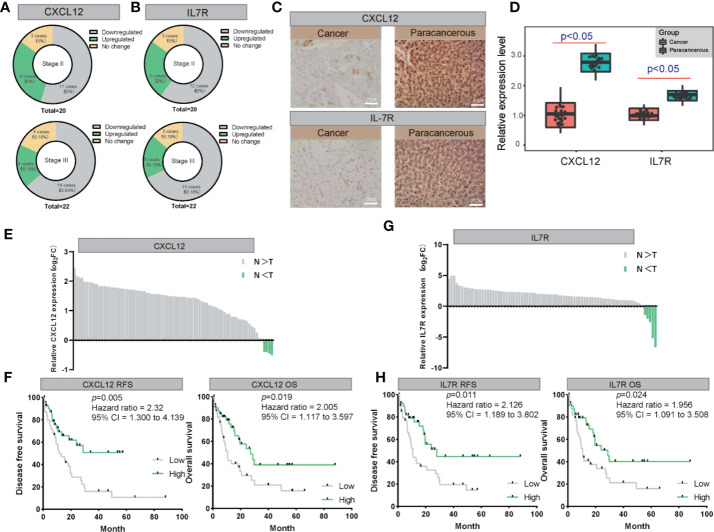
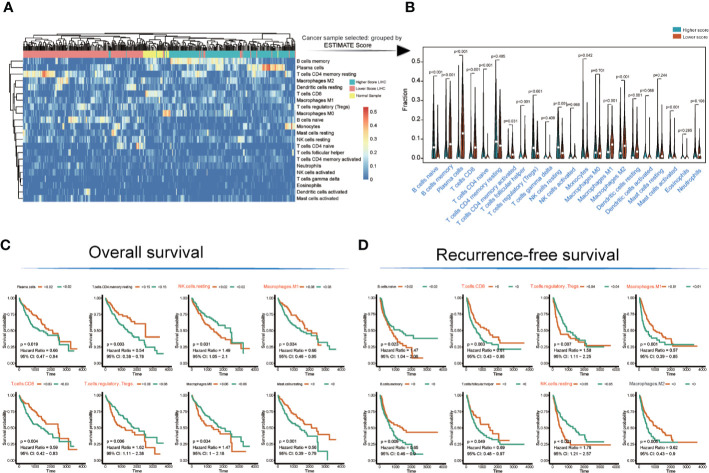
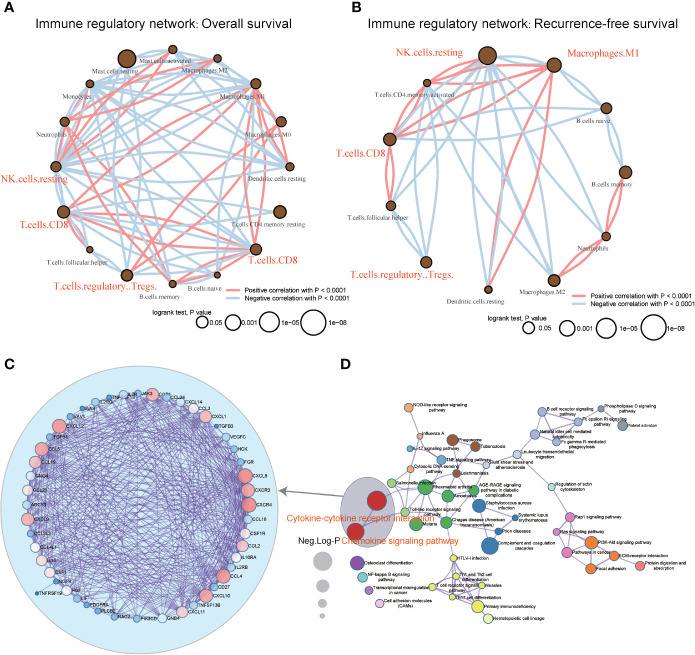
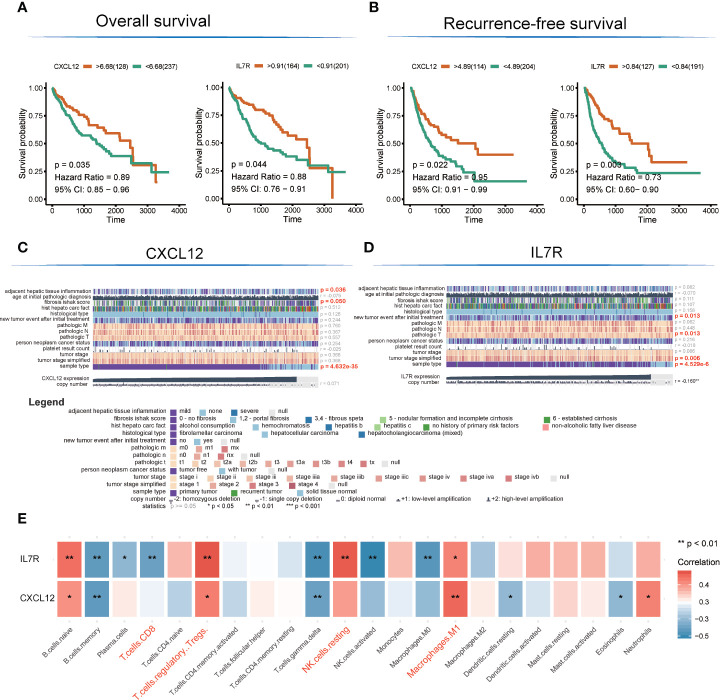
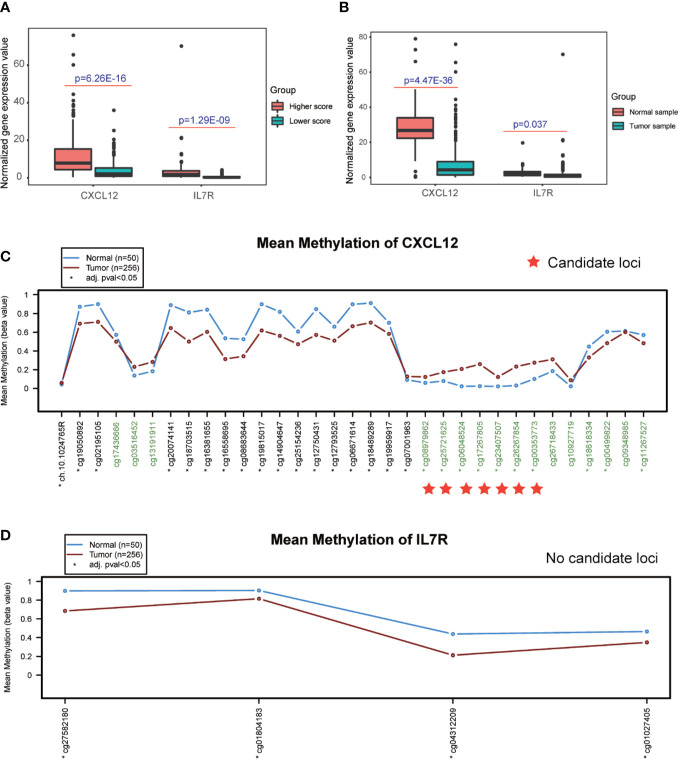
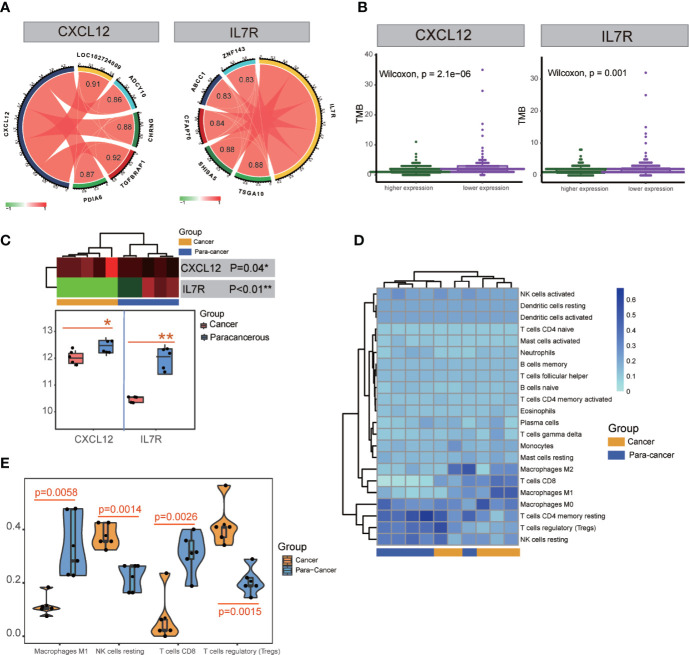
The mechanism of liver hepatocellular carcinoma (LIHC) development in correlation with tumor microenvironments and somatic mutations is still being elucidated. This study aims to identify the potential molecular mechanisms and candidate biomarkers in response to tumor microenvironments and somatic mutations. Multiple bioinformatics analysis methods were applied to assess the tumor immunological microenvironment, differentially expressed genes, genetic function enrichment, immunocyte infiltration, regulatory network construction, and tumor mutational burden, and to identify DNA methylation sites. The immunological microenvironment features of ESTIMATE score (OS: p = 0.017, HR = 0.64; RFS: HR = 0.43, p < 0.001) have an important impact on the prognosis of LIHC patients. Cut-off by ESTIMATE score and prognostic information identified 666 DEGs (45 downregulated and 621 upregulated) that were linked with leukocyte migration and lymphocyte activation. In immunocyte infiltration analysis, NK cells (resting), M1 macrophages, CD8+ T cells, and regulatory T cells (Tregs), which are considered core immunoregulatory cells, exhibited significant differences between higher and lower ESTIMATE scores (overall survival and recurrence-free survival p-values < 0.01). Subsequently, further analysis of immunocyte-hub gene identification illustrated that the expression levels of CXCL12 and IL7R significantly correlated with core immunoregulatory cells and somatic mutations (CXCL12: p = 2.1E-06; IL7R: p = 0.001). This study provides new insight into our understanding of the mechanisms of immunocyte regulation and microenvironment involved in LIHC development as well as the effective biomarkers of CXCL12 and IL7R and core immunoregulatory cells, which may emerge as novel therapies for LIHC patients.
肝细胞癌(LIHC)的发生机制与肿瘤微环境和体细胞突变的相关性仍在阐明之中。本研究旨在确定响应肿瘤微环境和体细胞突变的潜在分子机制和候选生物标志物。应用多种生物信息学分析方法来评估肿瘤免疫微环境、差异表达基因、基因功能富集、免疫细胞浸润、调控网络构建和肿瘤突变负荷,并识别DNA甲基化位点。ESTIMATE评分的免疫微环境特征(总生存期:p = 0.017,HR = 0.64;无复发生存期:HR = 0.43,p < 0.001)对LIHC患者的预后有重要影响。通过ESTIMATE评分和预后信息进行截断分析,确定了666个差异表达基因(45个下调和621个上调),这些基因与白细胞迁移和淋巴细胞激活有关。在免疫细胞浸润分析中,被认为是核心免疫调节细胞的自然杀伤细胞(静息)、M1巨噬细胞、CD8 + T细胞和调节性T细胞(Tregs),在ESTIMATE评分较高和较低组之间表现出显著差异(总生存期和无复发生存期p值< 0.01)。随后,对免疫细胞-枢纽基因识别的进一步分析表明,CXCL12和IL7R的表达水平与核心免疫调节细胞和体细胞突变显著相关(CXCL12:p = 2.1E-06;IL7R:p = 0.001)。本研究为我们理解LIHC发生过程中免疫细胞调节和微环境的机制以及CXCL12和IL7R及核心免疫调节细胞的有效生物标志物提供了新的见解,这些可能成为LIHC患者的新疗法。