Adler Samantha M, Girotti Milena, Morilak David A
Department of Pharmacology and Center for Biomedical Neuroscience, UT Health San Antonio, 7703 Floyd Curl Dr, San Antonio, TX, 78229, USA.
South Texas Veterans Health Care System, San Antonio, TX, 78229, USA.
Neurobiol Stress. 2020 Oct 24;13:100258. doi: 10.1016/j.ynstr.2020.100258. eCollection 2020 Nov.
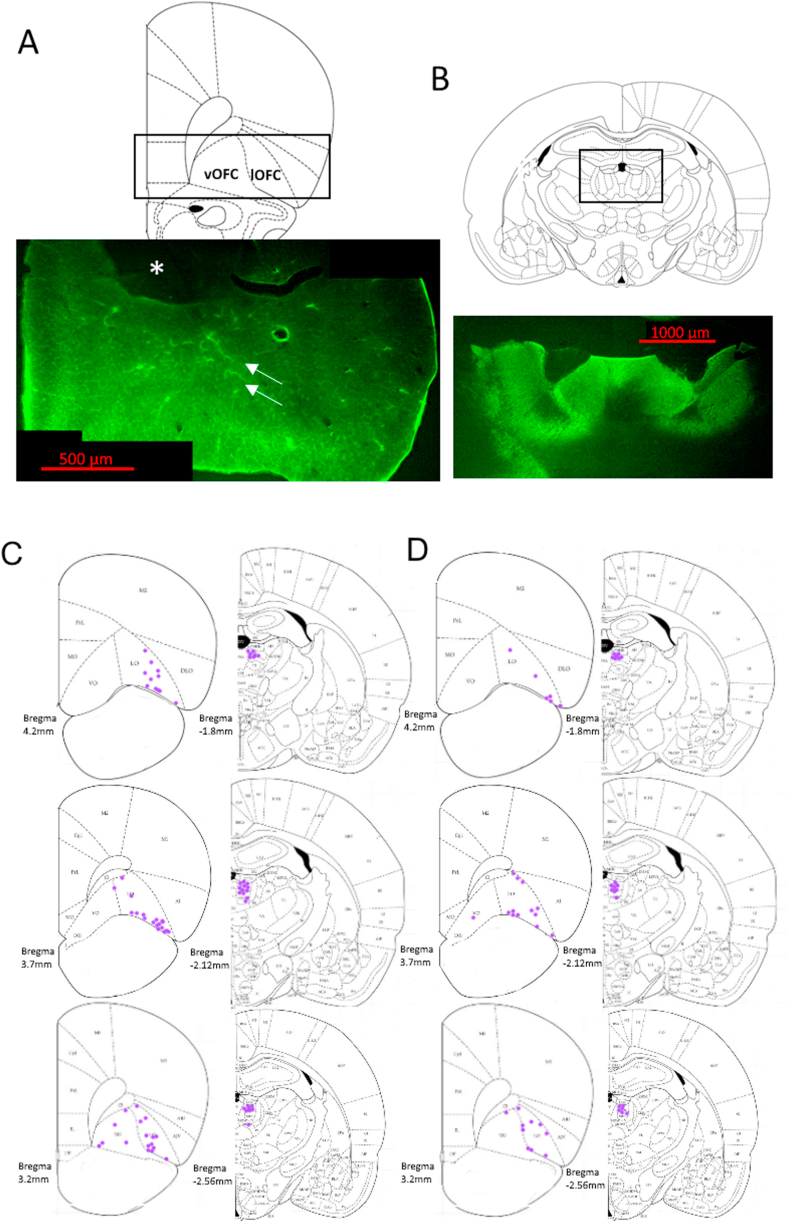
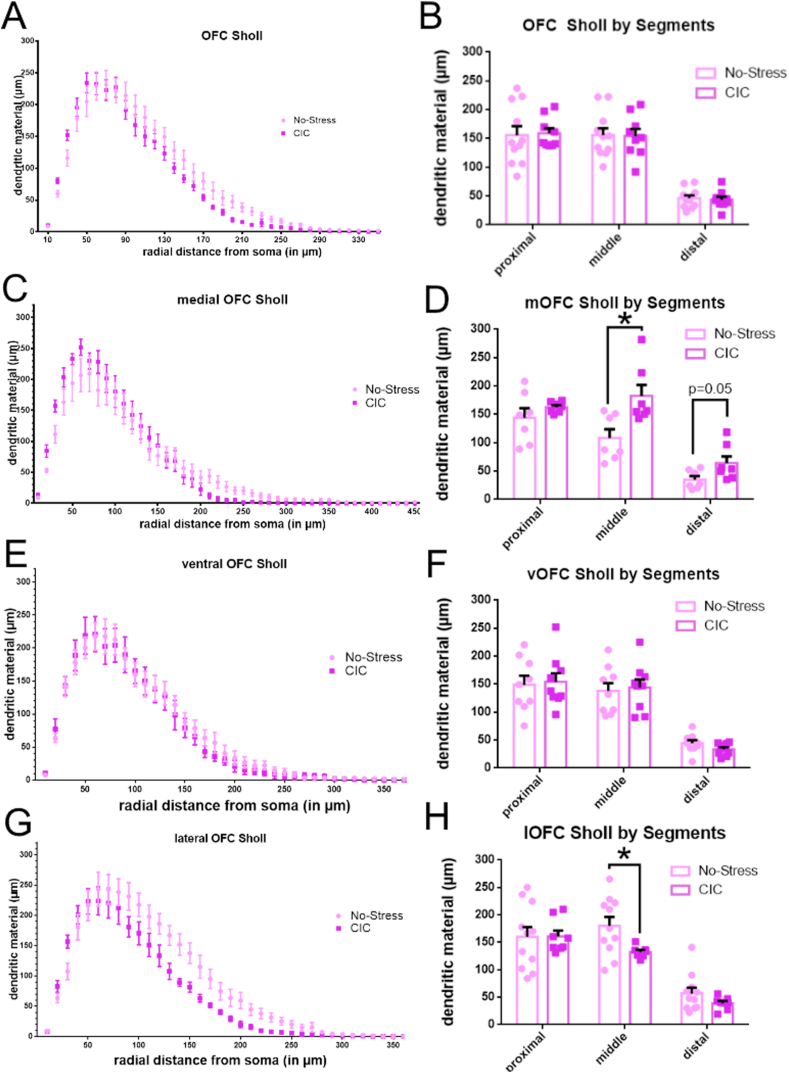
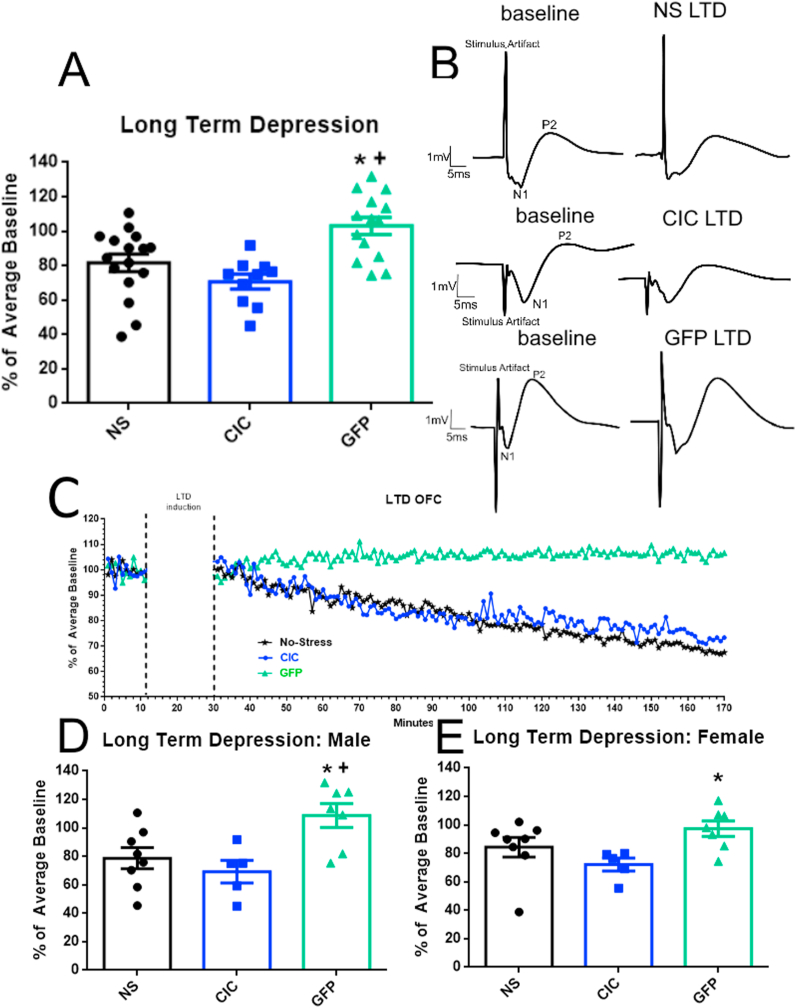
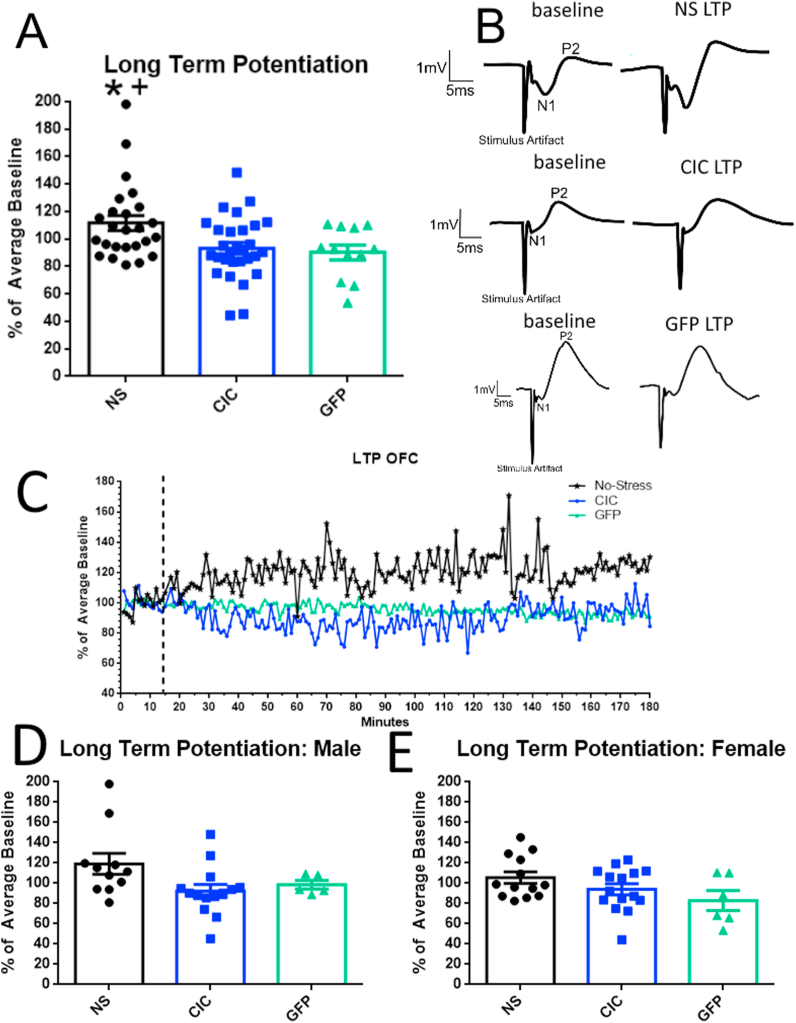
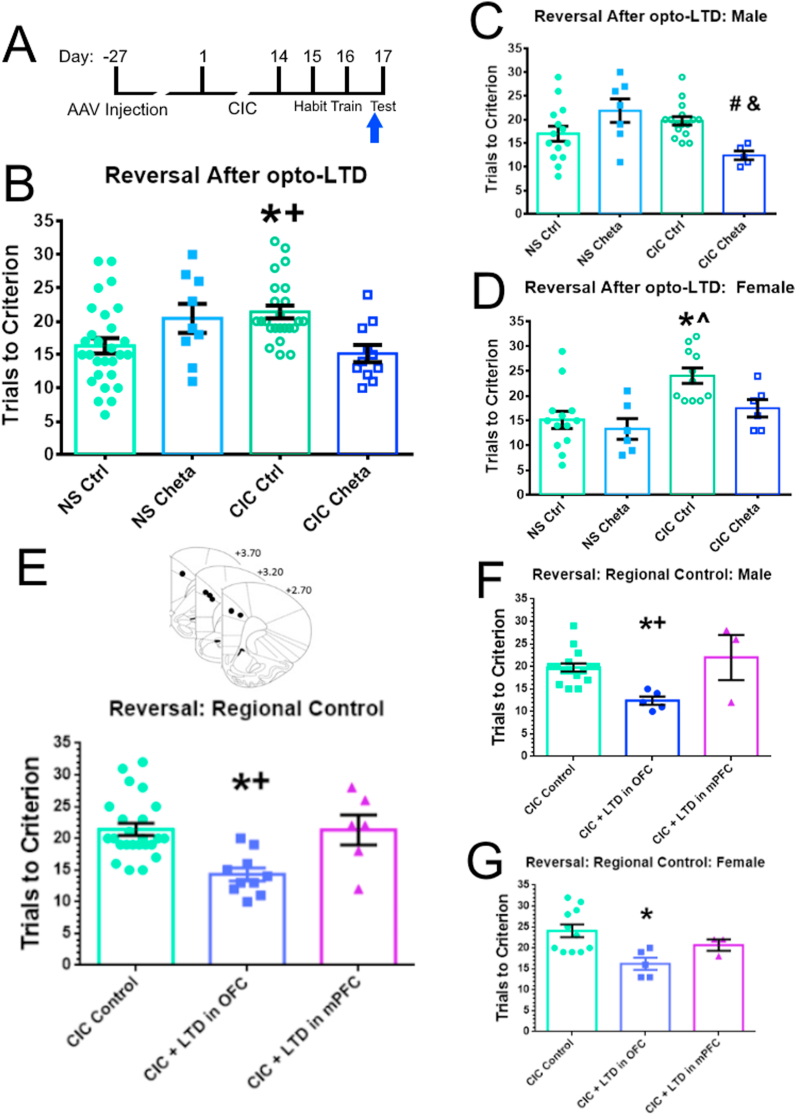
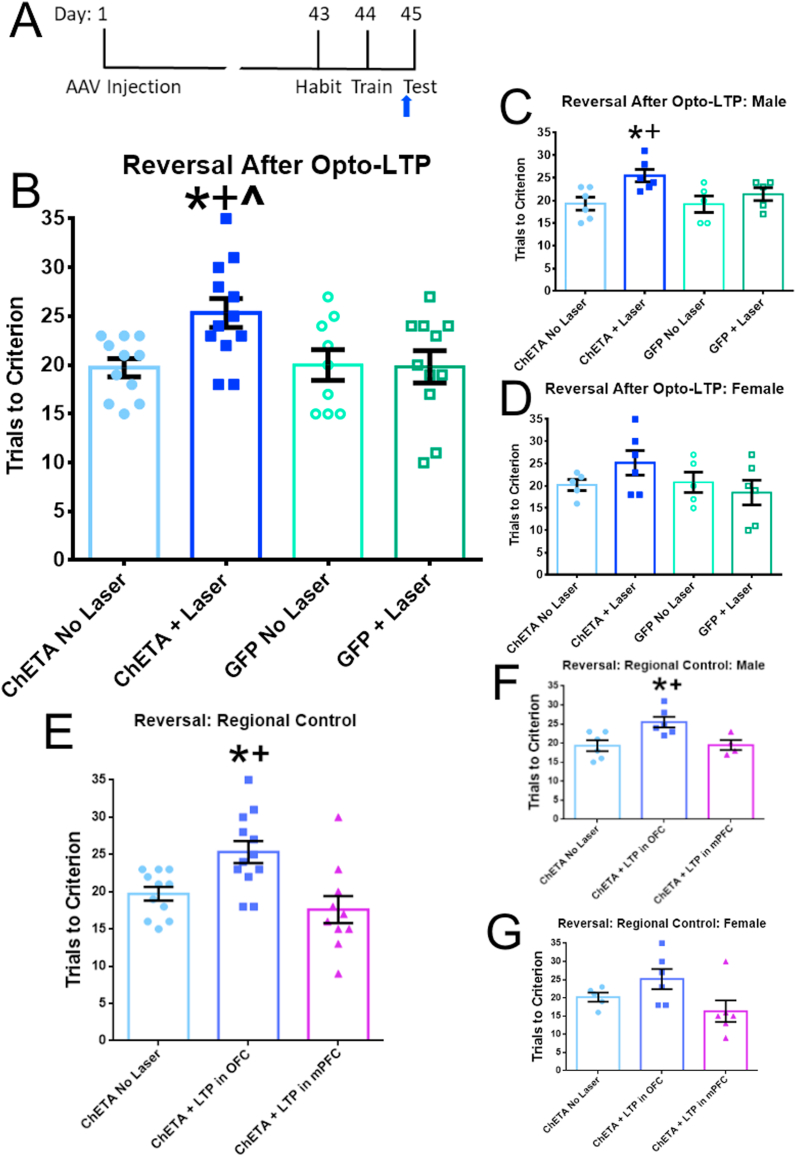
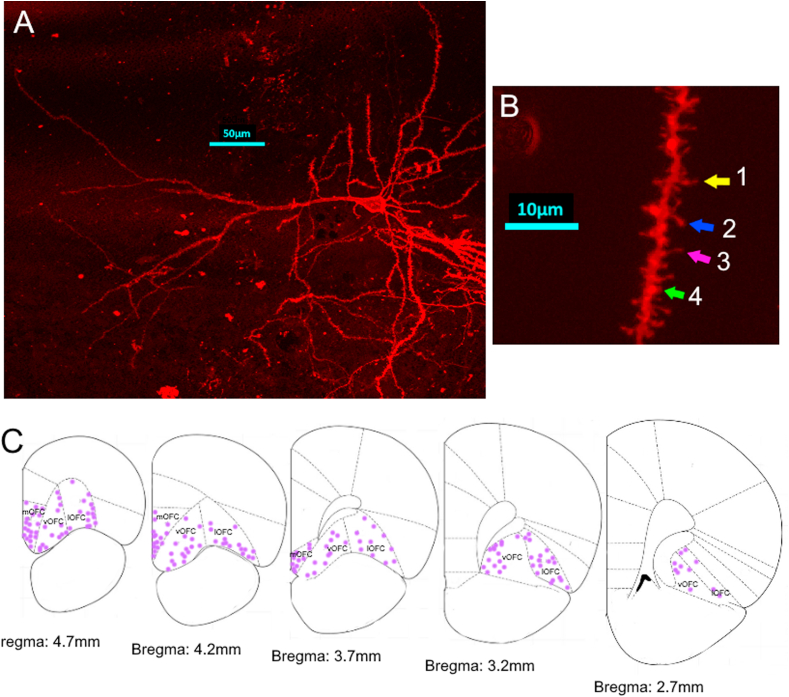
Cognitive flexibility is a higher-order executive function that requires plasticity in neuronal circuits of the prefrontal cortex. Deficits in cognitive flexibility are prominent in a variety of psychiatric disorders, such as major depression, obsessive-compulsive disorder, and posttraumatic stress disorder. Chronic stress induces deficits in cognitive flexibility, perhaps through effects on plasticity, but the mechanism is not well understood. Previous work has demonstrated that stress reduces activity and dendritic elaboration in the medial prefrontal cortex (mPFC). In contrast, stress appears to increase dendritic elaboration in the orbitofrontal cortex (OFC). This suggests that there may be a differential effect of stress on plasticity in different prefrontal cortical areas. To test this hypothesis, we examined the effects of inducing plasticity optogenetically in the OFC on reversal learning, an OFC-mediated form of cognitive flexibility, in stressed and non-stressed rats. Inducing opto-LTD in the projection from mediodorsal thalamus to OFC ameliorated reversal learning deficits in rats exposed to chronic intermittent cold (CIC) stress. Additionally, we found that inducing opto-LTP in non-stressed rats produced deficits in reversal learning similar to those seen in rats after CIC stress. Finally, CIC stress produced complex subregion-specific changes in dendritic material and spine subtype composition in the OFC. These results indicate that the effects of stress on plasticity in the OFC are distinct from those in the mPFC, and that the PFC should therefore not be treated as a homogenous region in studying either stress effects or potential treatments for stress-related psychiatric disorders.
认知灵活性是一种高级执行功能,需要前额叶皮质神经回路具有可塑性。认知灵活性缺陷在多种精神疾病中很突出,如重度抑郁症、强迫症和创伤后应激障碍。慢性应激可能通过影响可塑性导致认知灵活性缺陷,但其机制尚不清楚。先前的研究表明,应激会降低内侧前额叶皮质(mPFC)的活性和树突发育。相反,应激似乎会增加眶额皮质(OFC)的树突发育。这表明应激对不同前额叶皮质区域的可塑性可能有不同影响。为了验证这一假设,我们研究了在应激和非应激大鼠中,通过光遗传学方法在眶额皮质诱导可塑性对反转学习(一种由眶额皮质介导的认知灵活性形式)的影响。在从丘脑背内侧核到眶额皮质的投射中诱导光遗传学长时程抑制(opto-LTD)可改善暴露于慢性间歇性冷应激(CIC)的大鼠的反转学习缺陷。此外,我们发现,在非应激大鼠中诱导光遗传学长时程增强(opto-LTP)会产生与CIC应激大鼠类似的反转学习缺陷。最后,CIC应激在眶额皮质产生了复杂的、特定亚区域的树突物质和棘突亚型组成变化。这些结果表明,应激对眶额皮质可塑性的影响与内侧前额叶皮质不同,因此在研究应激效应或应激相关精神疾病的潜在治疗方法时,不应将前额叶皮质视为一个同质区域。