Division of Structural Biology, Wellcome Centre for Human Genetics, University of Oxford, Oxford, United Kingdom.
Helsinki Institute of Life Science HiLIFE, University of Helsinki, Helsinki, Finland.
Elife. 2020 Dec 22;9:e58242. doi: 10.7554/eLife.58242.
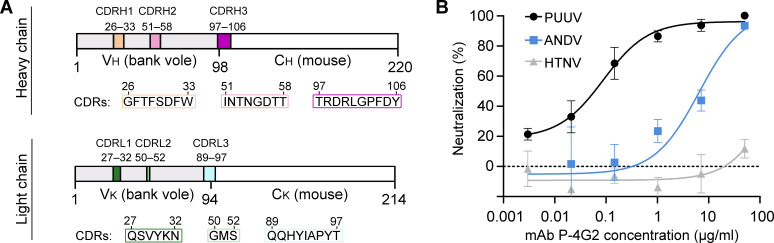
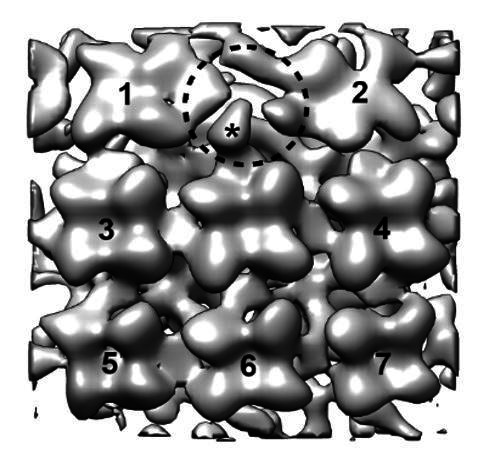
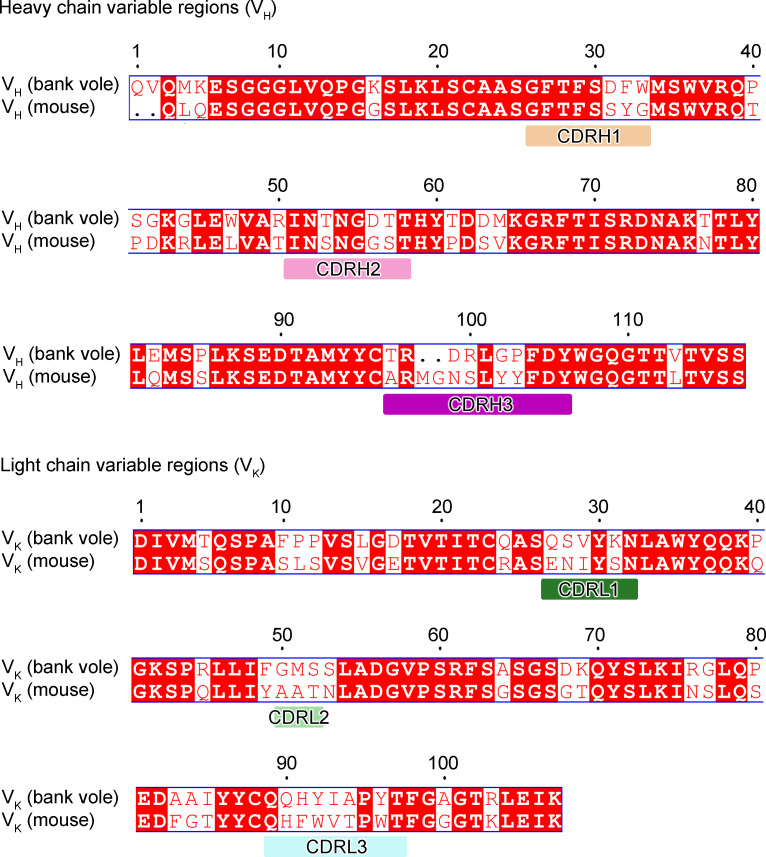
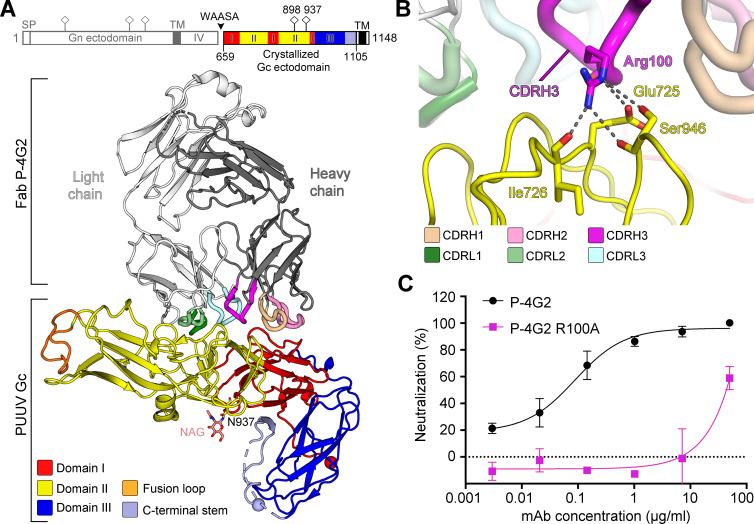
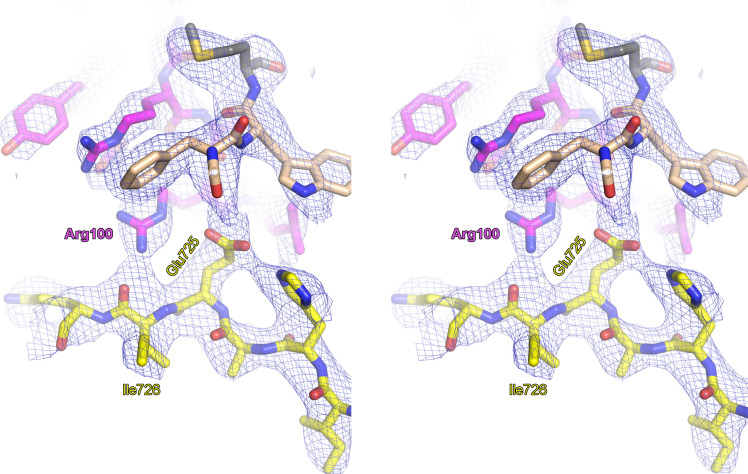
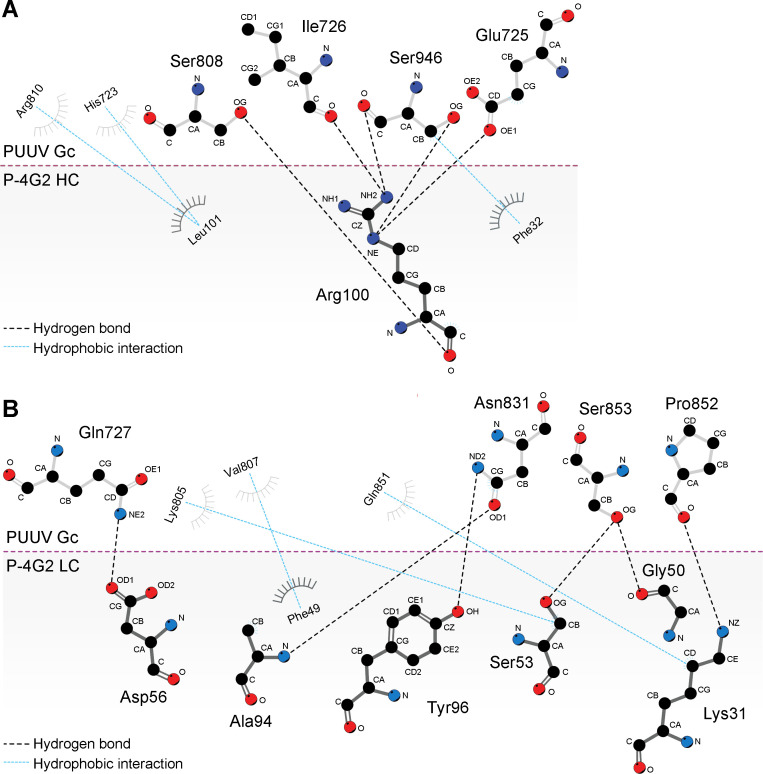
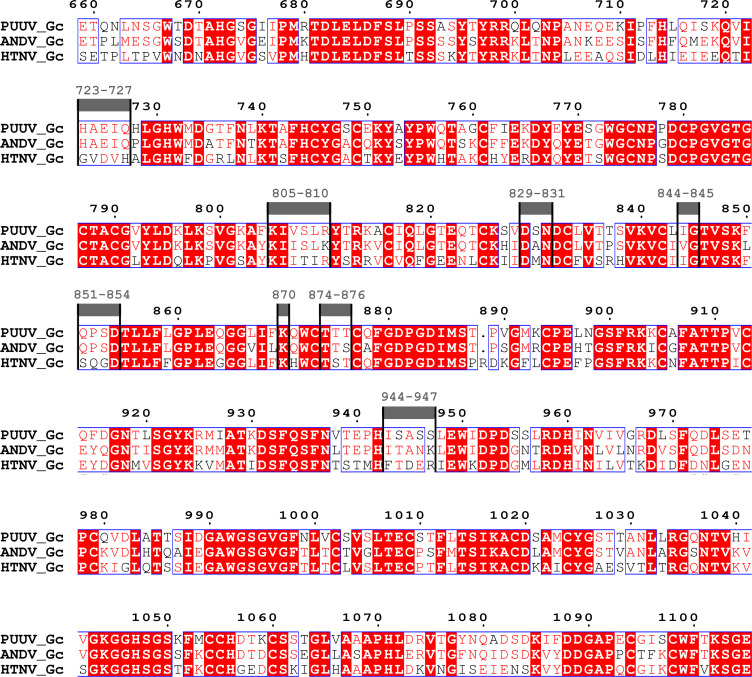
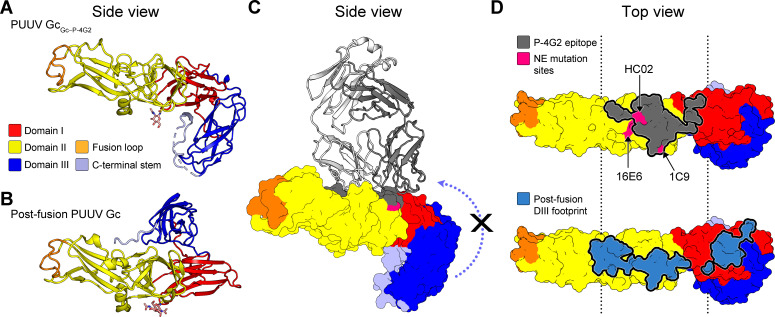
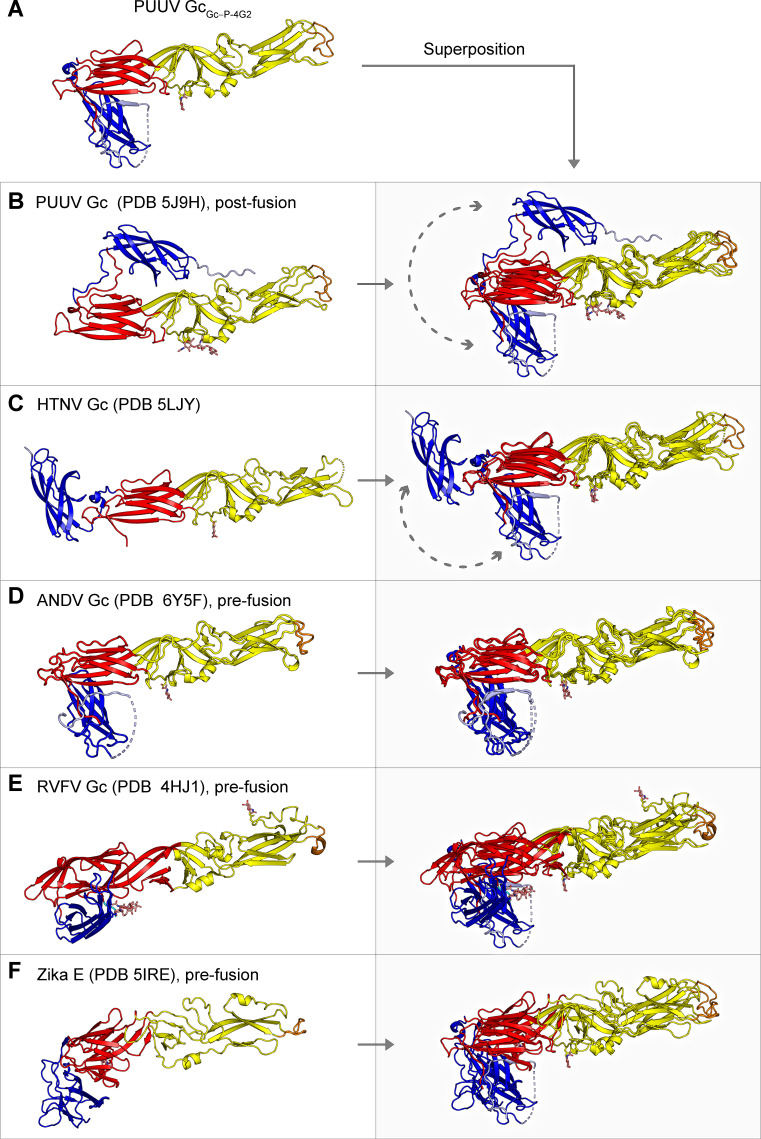
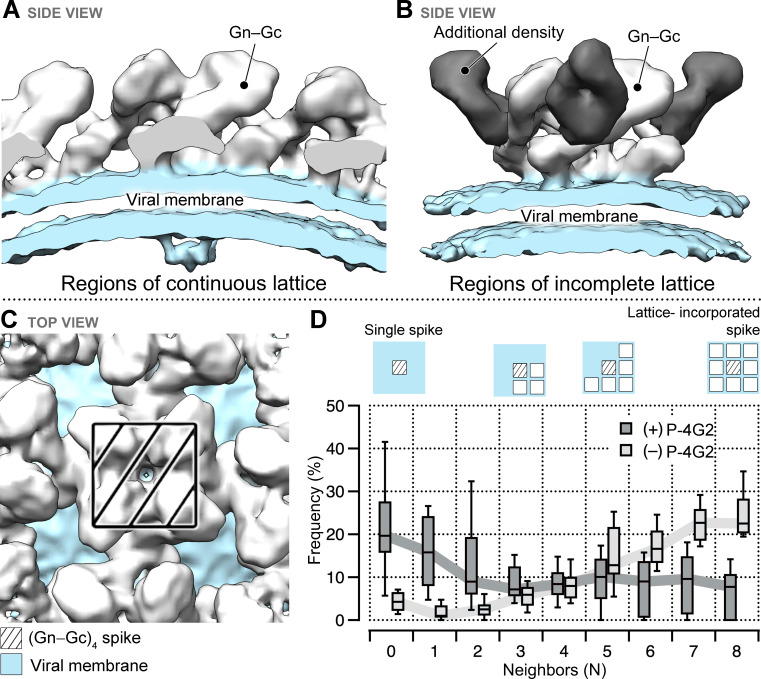
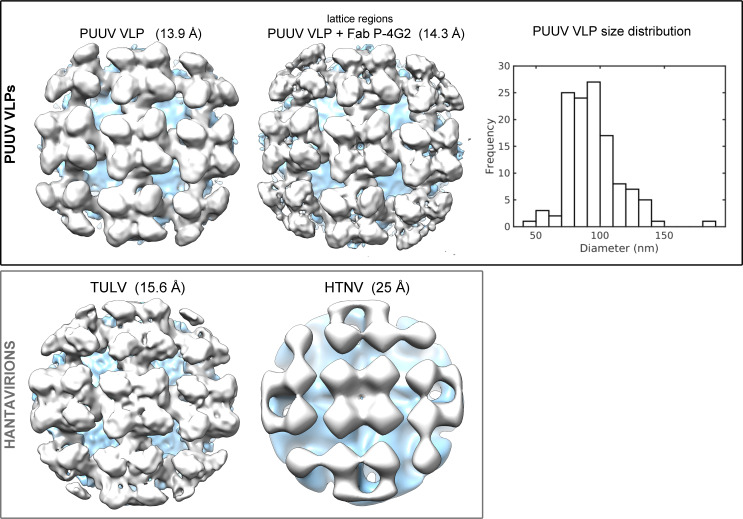
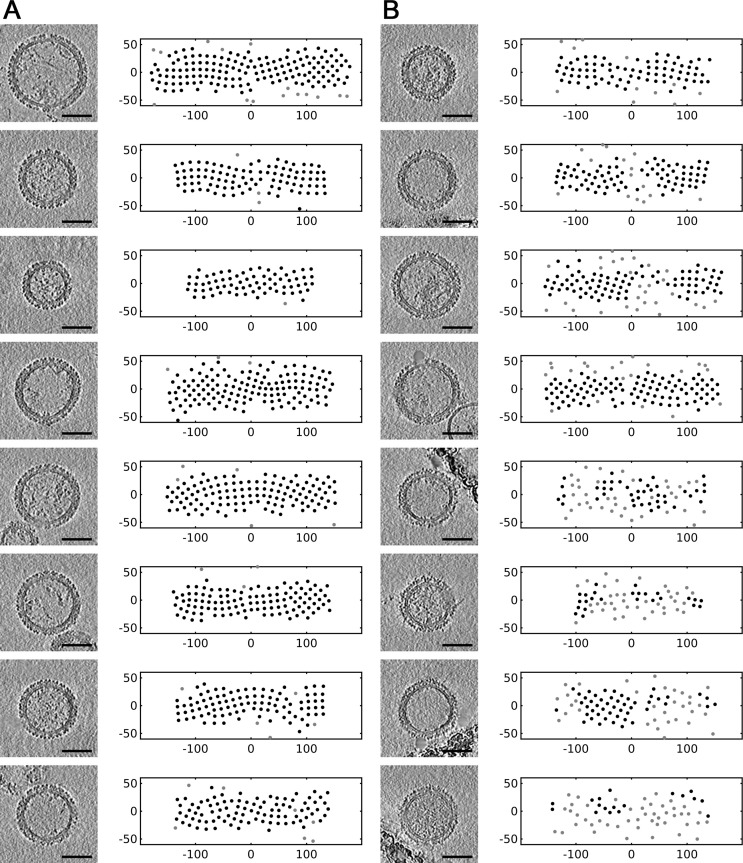
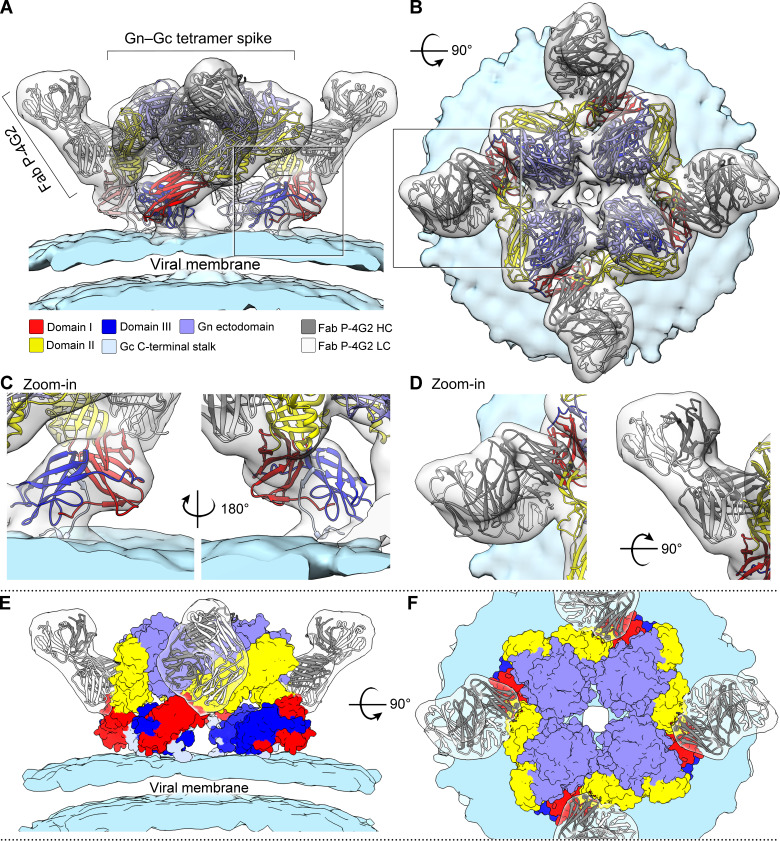
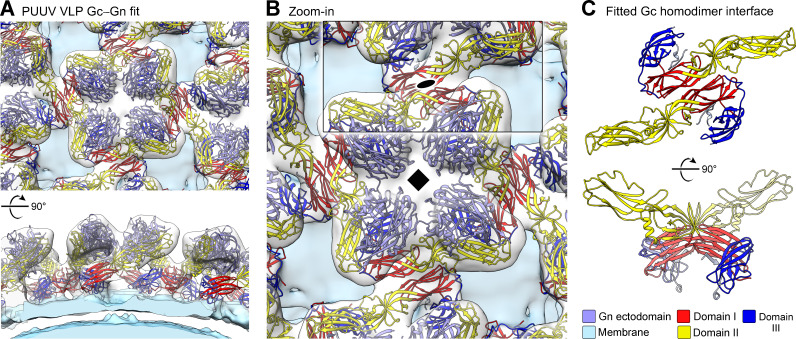
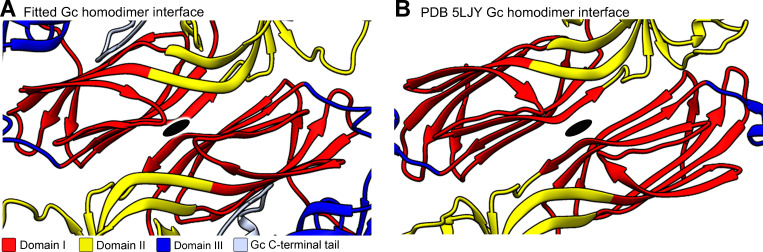
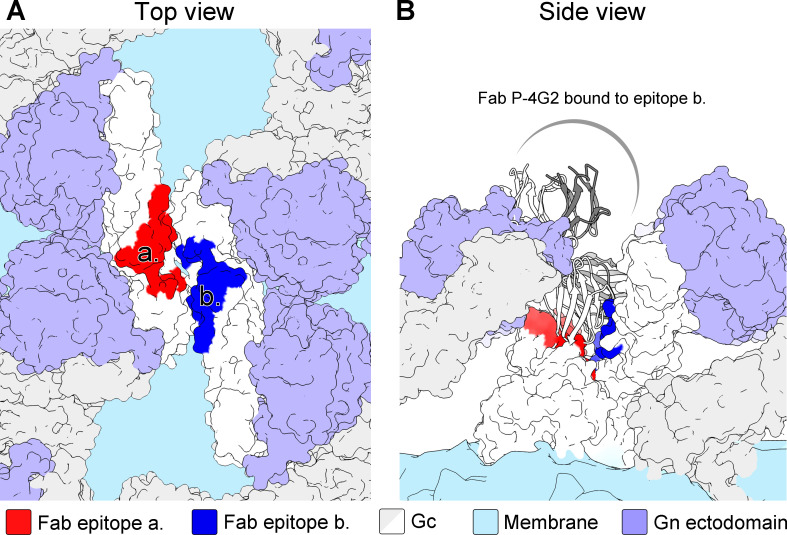
The intricate lattice of Gn and Gc glycoprotein spike complexes on the hantavirus envelope facilitates host-cell entry and is the primary target of the neutralizing antibody-mediated immune response. Through study of a neutralizing monoclonal antibody termed mAb P-4G2, which neutralizes the zoonotic pathogen Puumala virus (PUUV), we provide a molecular-level basis for antibody-mediated targeting of the hantaviral glycoprotein lattice. Crystallographic analysis demonstrates that P-4G2 binds to a multi-domain site on PUUV Gc and may preclude fusogenic rearrangements of the glycoprotein that are required for host-cell entry. Furthermore, cryo-electron microscopy of PUUV-like particles in the presence of P-4G2 reveals a lattice-independent configuration of the Gc, demonstrating that P-4G2 perturbs the (Gn-Gc) lattice. This work provides a structure-based blueprint for rationalizing antibody-mediated targeting of hantaviruses.
汉坦病毒包膜上 Gn 和 Gc 糖蛋白刺突复合物的复杂晶格结构有助于宿主细胞进入,是中和抗体介导的免疫反应的主要目标。通过研究一种称为 mAb P-4G2 的中和单克隆抗体,该抗体中和了人畜共患病原体普马拉病毒(PUUV),我们为抗体介导的汉坦病毒糖蛋白晶格靶向提供了分子水平的基础。晶体学分析表明,P-4G2 结合到 PUUV Gc 的一个多结构域位点上,可能阻止了糖蛋白融合重排,而这种重排是宿主细胞进入所必需的。此外,在存在 P-4G2 的情况下对类似 PUUV 的颗粒进行低温电子显微镜检查显示 Gc 的晶格独立构型,表明 P-4G2 扰乱了(Gn-Gc)晶格。这项工作为合理化抗体介导的汉坦病毒靶向提供了基于结构的蓝图。